



French Country Canvas Art
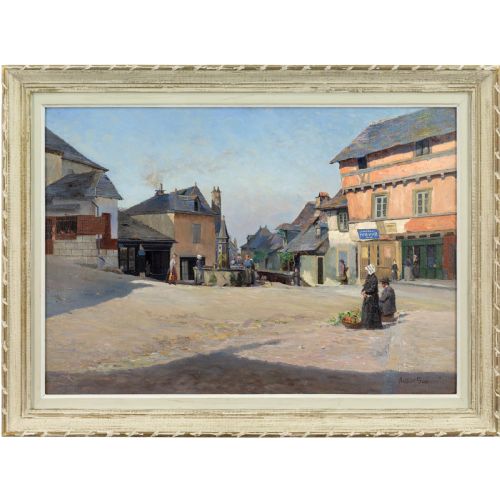
When you search for french country canvas art, you encounter pastoral landscapes, river scenes and rural village life rendered in oils.
French Country Canvas Art
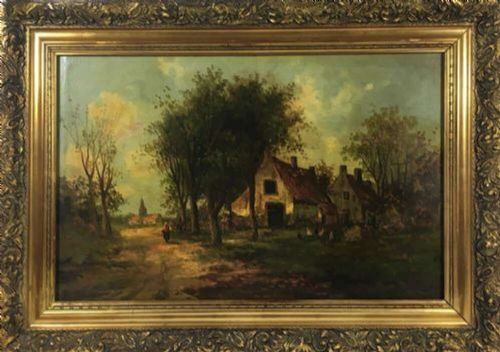
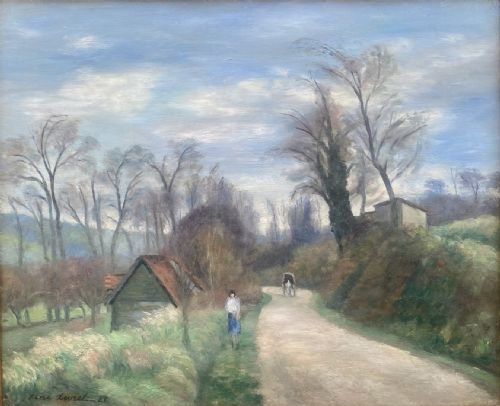
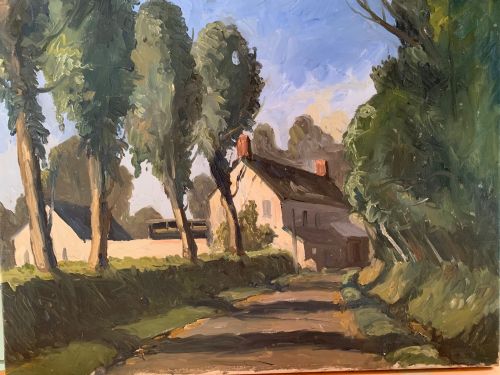
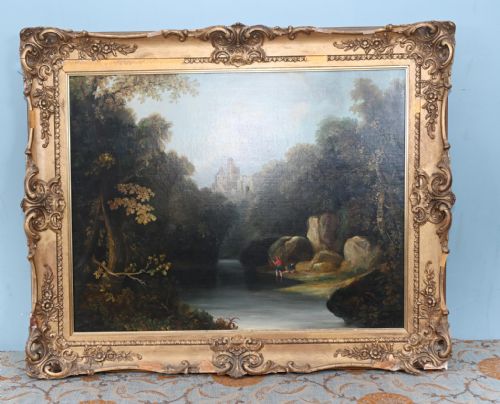
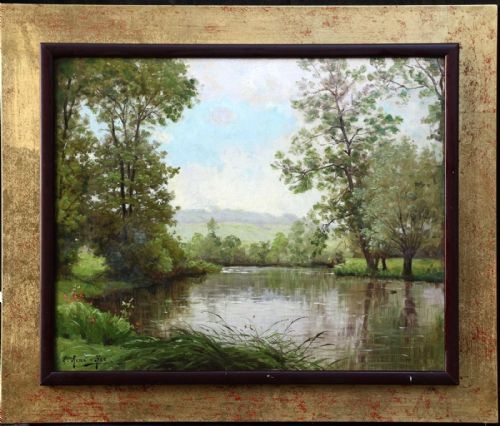
When buyers search for french country canvas art, they find oil paintings depicting rural scenes, farmyards, riverbanks and provincial landscapes. These works capture the French countryside through pastoral subjects like haystacks, farmhouses and country lanes.
The selections span from the nineteenth century into the mid twentieth century, encompassing Barbizon School influences, Impressionism, Post Impressionism and Art Deco periods. Many canvases present quiet country houses, village pathways and agricultural vistas.
Originating from French studios and provincial regions, these fine art paintings utilise oil paint applied to canvas supports. Subjects range from quiet river scapes to equestrian pursuits and domestic animals in rustic settings.
How they were made
These works are executed in oil paint applied to woven canvas supports, sometimes mounted over wood stretcher frames. Artists utilised traditional brushwork and layering techniques to build texture and depth within the rural compositions.
Frames associated with these pieces frequently incorporate carved wood, gesso and giltwood construction. The physical structure relies on sturdy wooden stretchers that hold the canvas taut across the landscape orientation.
Among the rural French scenes, a dedicated canine portrait records hunting dogs standing ready for the chase.
What varies in quality
The distinction between standard provincial works and superior pieces rests in the handling of light, brushwork confidence and atmospheric depth. Masterful compositions capture the specific qualities of light in regions like Provence and Normandy with distinct artistic control.
Compositional balance and the articulation of figures, foliage and architectural elements determine the visual strength of each painting. Stronger examples demonstrate deliberate mark making and cohesive tonal harmony across the canvas.
Arthur Gué·Paul Désiré Trouillebert·Henri Jaques Delpy·Alphonse Robert·Pierre Emmanuel Eugene Damoye·Guillaume Urban Régamey·Antoine Bouvard·Charles Edmond Rene His
The French Country Canvas Art Glossary
- Barbizon School
- A nineteenth century French art movement focused on realistic landscape painting en plein air. Practitioners drew inspiration directly from forests, rural farms and country vistas.
- Oil on Canvas
- A painting medium where pigments suspended in drying oils are applied to a woven fabric support. This combination allows for rich colour blending and textured surface applications.
- Giltwood
- Wood carved and coated with a thin layer of gold leaf or metallic powder. This material is common in traditional picture frames housing fine art paintings.
- Post Impressionism
- An artistic development following Impressionism where painters explored structural form, expressive colour and individual brushwork. Works from this period often display simplified shapes and heightened palettes.
French Country Canvas Art: Frequently Asked Questions
What subjects appear in these paintings?
The compositions feature rural French life, including farmyards, riverbanks, country lanes and agricultural fields. Artists frequently documented everyday pastoral scenes such as haystacks, washerwomen by rivers and livestock.
Alongside quiet landscapes, certain pieces depict equestrian subjects, village architecture and coastal views from regions like Normandy and Provence.
How do I date these canvases?
Dating relies on stylistic clues, framing materials and recorded artist lifespans spanning the nineteenth and twentieth centuries. Barbizon and Impressionist traits typically point to the eighteen hundreds, while brighter palettes and abstracted forms suggest later periods.
Signatures, artist registry records and canvas stamp markings also help establish the chronological placement of each work.
How should I display these in my home?
These oil paintings suit traditional or eclectic interiors, particularly living rooms, hallways and dining spaces seeking a rustic atmosphere. Pairing the canvas with adequate lighting enhances the brushwork and tonal depth of the rural landscape.
Ensure the artwork avoids direct exposure to strong sunlight and excessive moisture to protect the oil paint and canvas support over time.
What is the difference between Barbizon and Impressionist styles?
Barbizon works emphasise earthy tones, naturalistic detail and solemn rural moods rooted in mid nineteenth century realism. Painters worked directly from nature to capture the heavy atmosphere of forests and farmyards.
Impressionism shifts focus toward flickering light, brighter hues and rapid brush strokes that capture fleeting visual moments outdoors. Both styles contributed significantly to the tradition of French landscape painting.