

French Country Brass
French country brass brings warmth and substance to a room through heavy metals and aged patinas.
French Country Brass
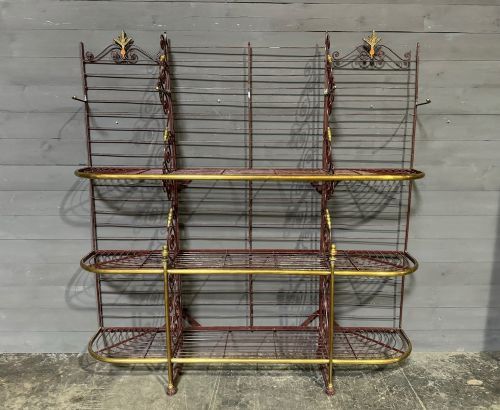
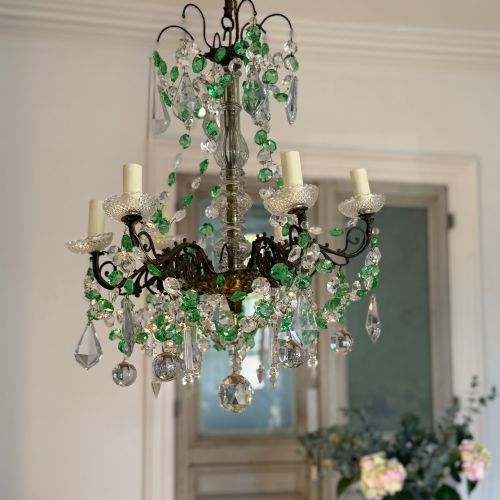
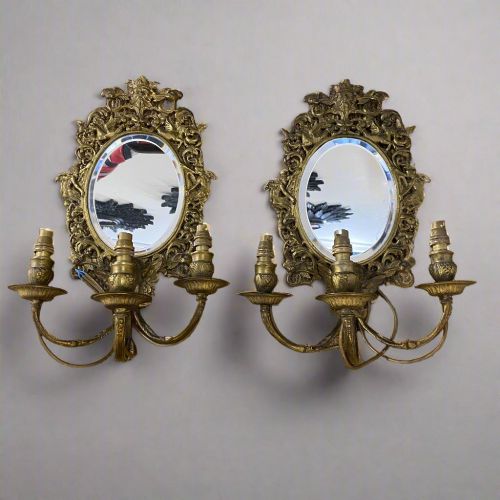
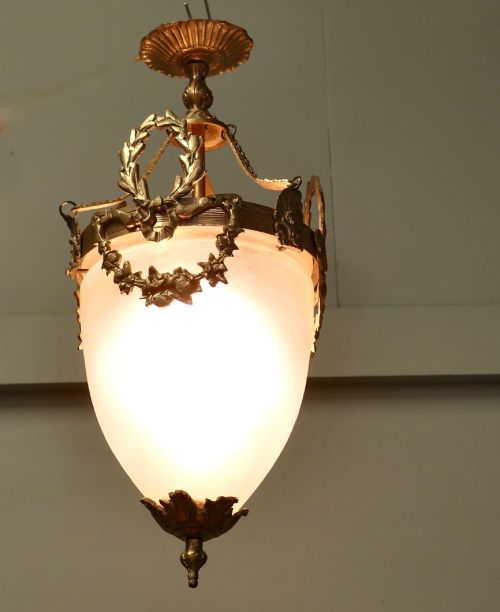
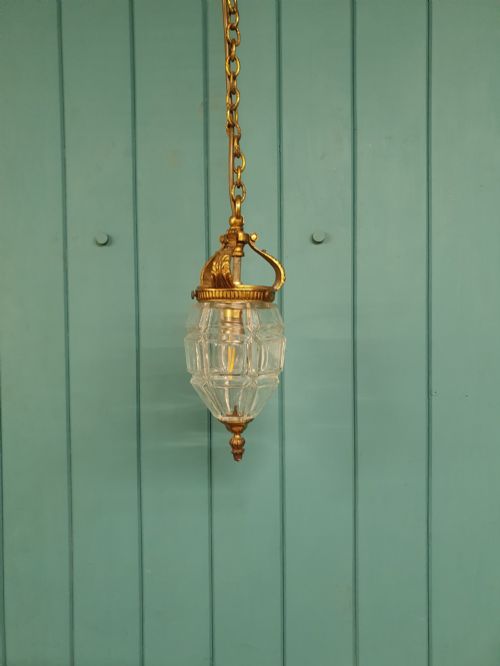
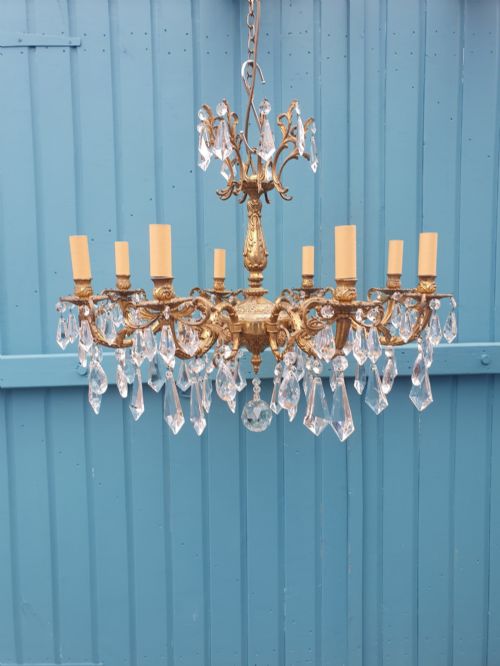
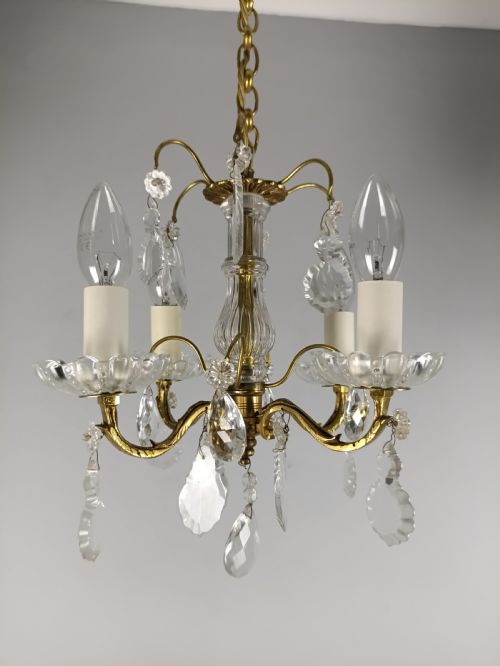
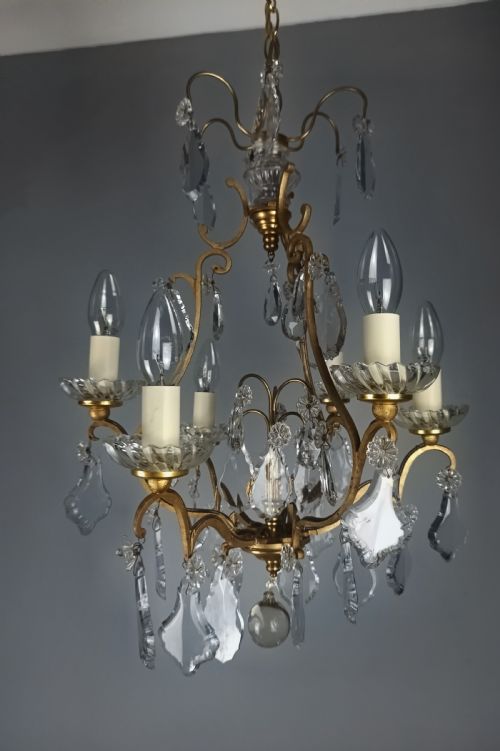
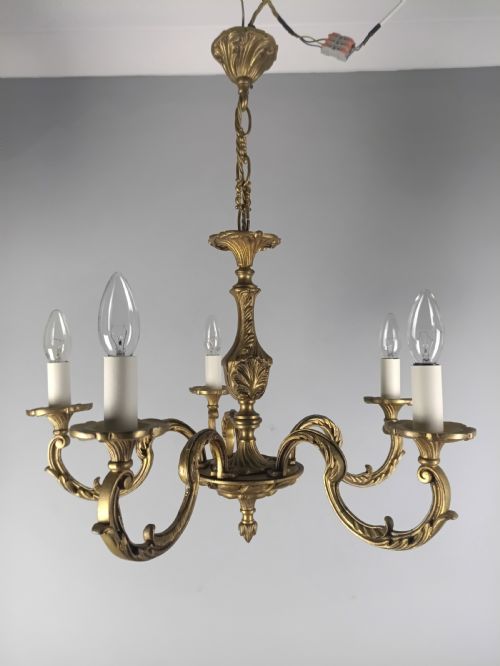
When you search for french country brass, you encounter items designed for domestic utility and ornament spanning from the eighteenth century into the twentieth century. The selection leans heavily towards lighting, including multi-arm chandeliers, birdcage fixtures, and wall lights forged in gilt brass and gilt bronze.
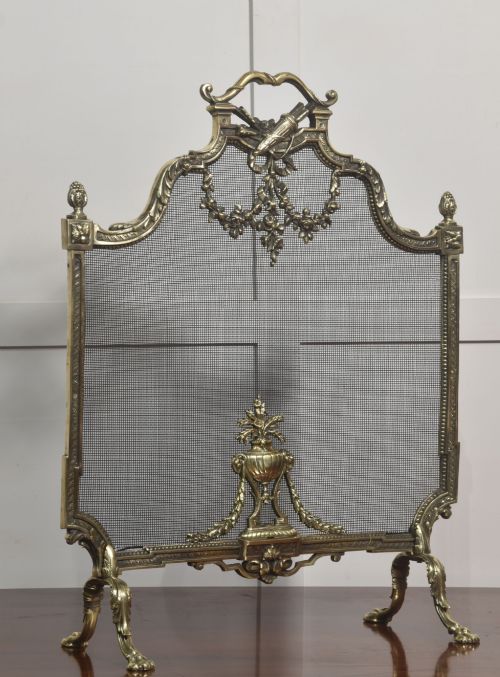
Beyond illumination, the category encompasses smaller domestic accents such as fire dogs, coat hangers, and trinket boxes rendered in brass and bronze. These pieces reflect regional French domestic traditions alongside formal revival styles like Louis XV and Rococo.
The dates stretch from the seventeen-fifties through the nineteen-thirties, showing how workshops adapted traditional forms across generations. Buyers find both provincial walnut furniture mounted with brass hardware and dedicated metalwork designed for hearth and ceiling.
Materials and construction
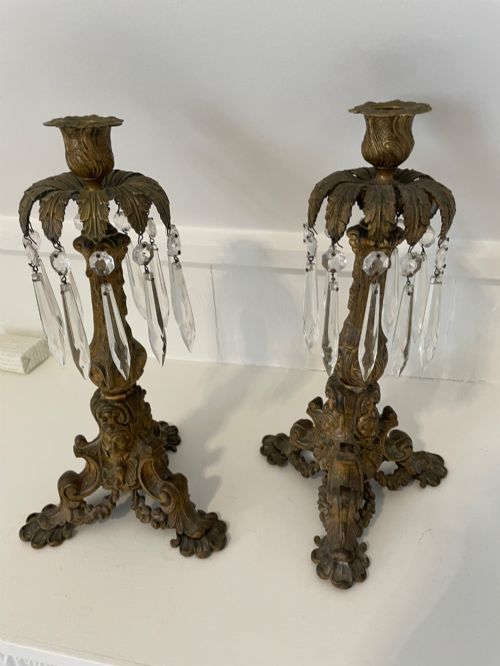
The objects rely on cast and wrought metalwork, predominantly brass, gilt brass, and gilt bronze, often paired with glass and cut crystal drops. Chandeliers and wall lights employ multi-arm configurations secured with pins and chains, while decorative items incorporate applied ormolu mounts.
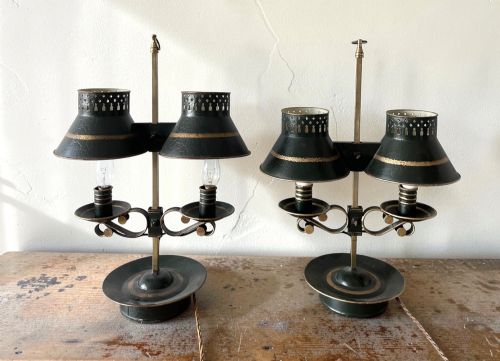
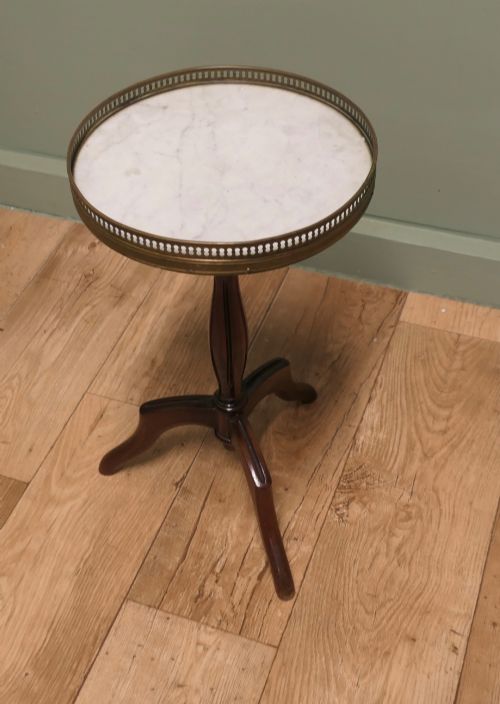
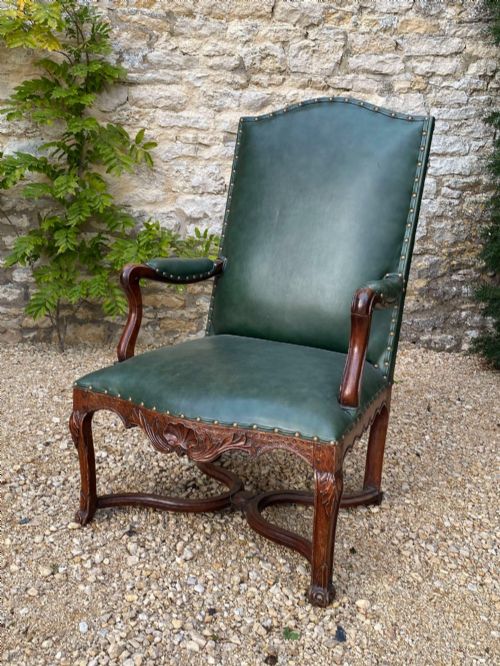
Makers integrated mixed media by combining metal frames with tole peinte, ceramic elements, and crystal fruit pendants. Wooden items like commodes and armchairs incorporate brass fittings and handles that anchor the metal aesthetic into walnut and cherry structures.
French Country Brass Retail Price Guide 2026
Typical asking prices for french country brass among the pieces listed under this phrase on Sellingantiques today, from the lower quarter to the upper quarter. They describe what is for sale here now, not the wider market.
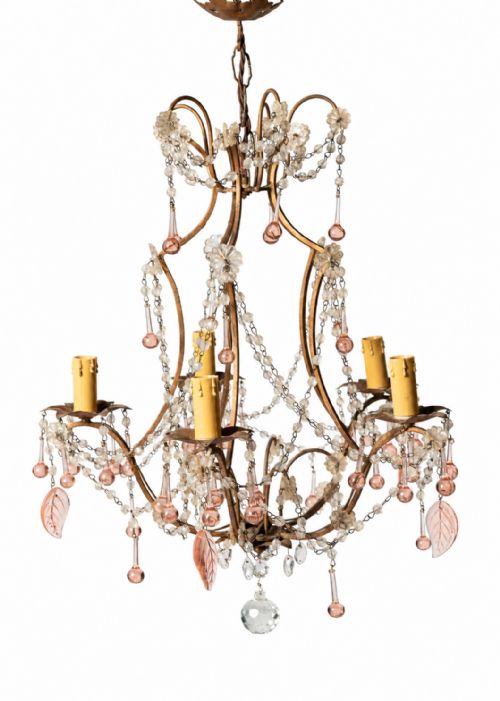
Some chandeliers arrive hung with amber and mauve crystal fruits.
Distinctions in quality
Quality rests on the crispness of the metal casting and the depth of the original gilding rather than superficial brightness. Finer chandeliers and fire dogs display sharply chased detail in the brass and bronze work, whereas simpler items show softer edges from worn moulds.
The integrity of the crystal components and the matching of glass drops also divide standard production from superior pieces. Original wiring hardware, secure structural joints, and untouched patinas elevate the standing of surviving domestic items.
Edwards and Roberts
The French Country Brass Glossary
- Ormolu
- Gilded bronze or brass applied to furniture mounts and decorative objects. This technique creates a rich golden finish on metal surfaces.
- Commode
- A low chest of drawers dating from the eighteenth century onwards. These wooden pieces frequently feature brass handles and mounts.
- Birdcage chandelier
- A lighting fixture featuring a curved metal frame resembling a birdcage, hung with crystal drops and multiple arms. These pieces are typically wired for several bulbs.
- Tole peinte
- Painted sheet metal used for decorative items and light fittings. It brings colour and floral motifs to metalwork.
- Fire dogs
- Andirons used to support logs in an open hearth, frequently cast in brass or bronze in pairs. They often display ornate rococo or provincial styling.
French Country Brass: Frequently Asked Questions
How do I clean antique brass chandeliers?
Dust the metal gently with a soft brush and avoid harsh commercial polishes that strip the historic patina. Preserve the aged surface by wiping parts with a dry cloth.
Take care around crystal drops and glass components to prevent loosening the pins that secure them to the brass frame.
Are these chandeliers wired for modern ceilings?
Many surviving fixtures have been adapted for contemporary electrical standards over their long lifespan. Check individual listings for wiring details before installation.
Qualified electricians should inspect older fittings to ensure they meet current safety regulations in your home.
What rooms suit french country brass lighting?
Chandeliers and wall lights work well in dining rooms, living spaces, and hallways where warm metal tones complement traditional interiors. Smaller fixtures fit into bedrooms or studies.
The reflective glass and crystal elements bounce natural and artificial light around darker corners.
How do I date a brass piece?
Examine the casting marks, construction joints, and fastener types to estimate the period of manufacture. Eighteenth-century and nineteenth-century pieces show hand-finished tool marks.
Stylistic cues such as rococo scrolls or neoclassical symmetry also help place the item within a specific decade.