






French Country Bin
These french country bin items bring practical rural utility into modern rooms through honest timber and patinated metal.
French Country Bin
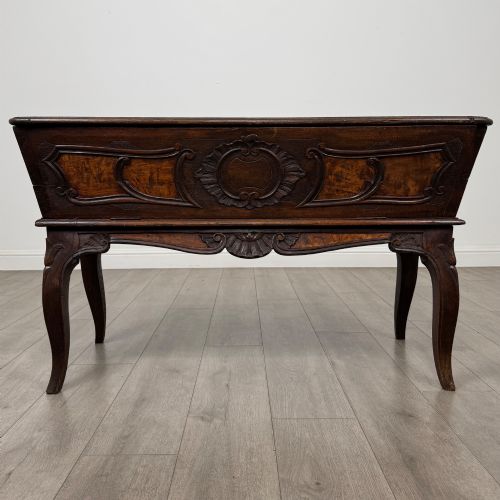
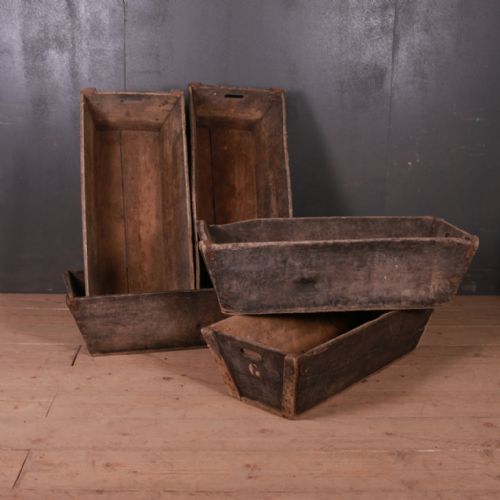
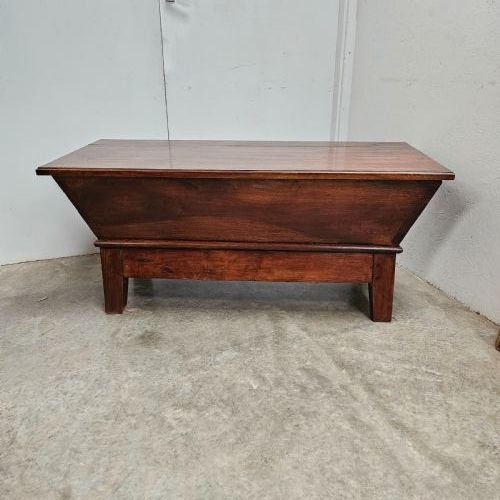
A french country bin encompasses heavy utilitarian vessels from rural France, designed for kneading bread, carrying grapes, or storing logs and coal. These pieces range from substantial wooden dough bins and coffers to copper ferrats and woven harvest baskets.
Most examples seen here date from the nineteenth century, though earlier eighteenth-century wooden items appear. Buyers typically encounter walnut dough bins featuring carved cupboards, alongside elm and oak variants used for domestic food preparation.
Agricultural vessels form a significant portion of the selection, including grape hottes and champagne harvest baskets made from willow and wood. These functional containers reflect the daily agricultural life of French provincial regions.
How they were made
Makers utilised solid regional timbers such as walnut, elm, oak, and willow to build these robust domestic and agricultural containers. Woodworkers joined heavy planks with traditional methods to withstand the daily demands of farm work and bread making.
Metal vessels combine hand-beaten copper and iron with structural iron elements, creating durable containers designed for heavy hauling. Baskets and bins rely on tight basketry weaves and thick wooden staves that endure decades of practical use.
French Country Bin Retail Price Guide 2026
Typical asking prices for french country bin among the pieces listed under this phrase on Sellingantiques today, from the lower quarter to the upper quarter. They describe what is for sale here now, not the wider market.
Listings feature items from the eighteenth, nineteenth, and twentieth centuries, constructed in walnut, brass, iron, wood, copper, elm, oak, and willow.
What varies in quality
The degree of hand-carving and the choice of primary timber separate utilitarian containers from finer domestic furniture pieces. Walnut dough bins with integrated cupboards demonstrate superior cabinet-making compared to basic elm or oak storage boxes.
Surface patination and the survival of original copper or iron fixings dictate the visual strength of each piece. Heavy use in rural settings means that the integrity of the original wood and metal surfaces defines the character of the object.
The French Country Bin Glossary
- Dough Bin
- A wooden container historically used for mixing and proving bread dough. Many examples feature lids and enclosed cupboard sections beneath.
- Grape Hotte
- A traditional conical basket or carrier worn upon the back during the grape harvest. These wooden and woven vessels transported fruit from vineyards to presses.
- Ferrat
- A traditional French metal vessel, usually formed from copper, utilised for domestic water carriage or farm labour. These containers display hammered construction details.
- Coffer
- A heavy wooden chest or box with a lid, used for secure storage of household provisions or valuables. They often double as sturdy bench seating in rustic interiors.
- Patina
- The surface sheen and colour acquired by wood and metal through age and handling. This visual depth indicates genuine historical use.
French Country Bin: Frequently Asked Questions
What were dough bins used for?
Dough bins served as the primary station for kneading and proving bread dough in rural households. The enclosed wooden box kept flour and dough at stable temperatures during fermentation.
Once bread making finished, the lidded top provided a clean surface for other kitchen tasks or double storage. Some variations included lower cupboards for keeping baking tools and provisions.
How do I use a grape hotte at home?
Grape hottes function well as freestanding umbrella stands, tall plant holders, or striking sculptural decor in a hallway. Their distinct conical shape adds vertical interest to rustic interior schemes.
Smaller harvest containers adapt easily for holding magazines, kindling, or textiles beside a fireplace. Their organic textures complement both traditional and contemporary room designs.
Are copper ferrats waterproof?
Copper ferrats were built for holding water and liquids during farm labour, utilising sealed metal seams. However, age and historical wear can compromise this original watertight integrity.
Testing the vessel before using it with fresh flowers or direct water planting is recommended. Placing a modern internal liner inside protects the antique metal from continuous moisture.
How do I date an elm or walnut bin?
Dating relies on observing tool marks, timber selection, and construction joints rather than a single maker stamp. Eighteenth-century pieces typically display hand- adzed boards and simpler iron hinges.
Nineteenth-century examples often show more refined joinery and standard hardware fittings. The depth of the wood grain and the natural wear patterns further indicate the age of the piece.