




French Coastal Art
French coastal art captures the varied maritime light and shores of Normandy, Brittany and the Mediterranean across the nineteenth and twentieth centuries.
French Coastal Art
When browsing for french coastal art, a buyer encounters a diverse range of maritime works spanning the nineteenth century through the mid twentieth century. These pieces predominantly capture harbours, cliffs and daily coastal life along the shores of Normandy, Brittany and the French Riviera.
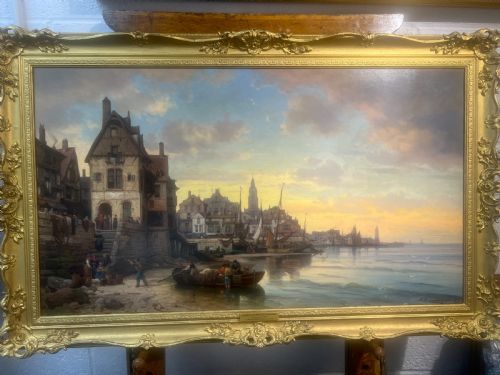
The selection includes framed oil paintings, watercolours and charcoal drawings created by both named European artists and regional schools. Such works reflect artistic movements from post-impressionism and fauvism to twentieth century realism.
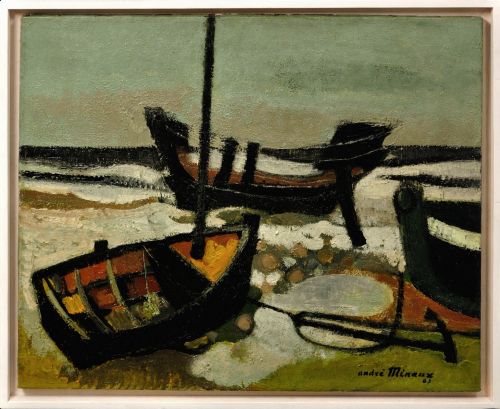
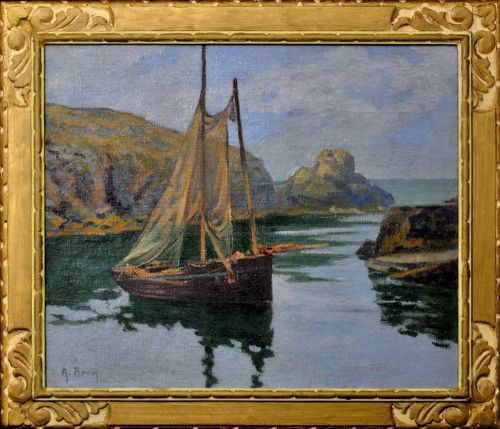
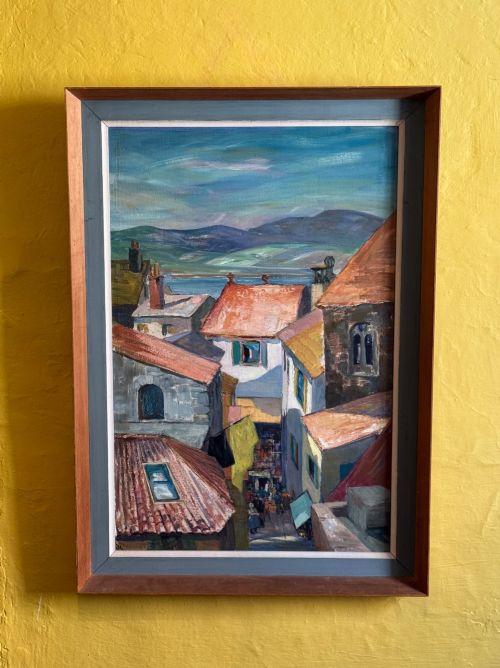
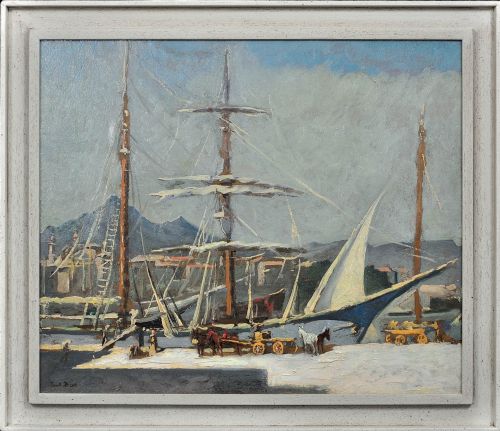
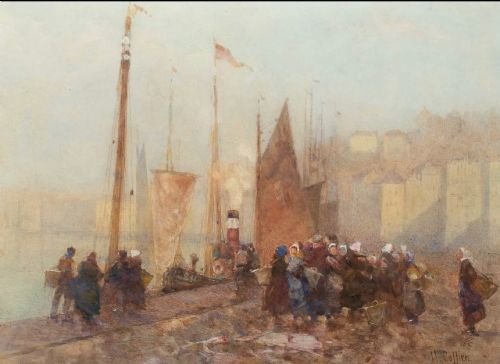
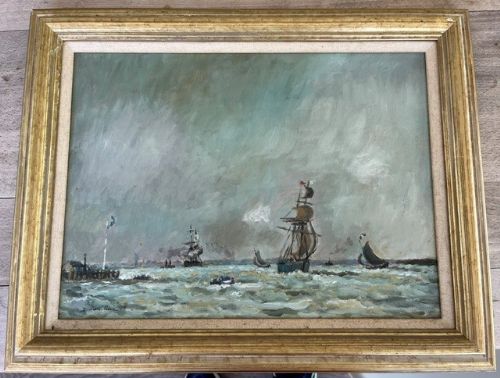
The most common formats on this page are oil on canvas and oil on board, depicting bustling southern ports or quiet northern beaches under changing coastal light.
How they were made
Artists working on the French coast relied heavily on oil paint applied to canvas, wood panels or board to capture the shifting glare of the sea. Watercolours on paper were similarly utilised for lighter, more immediate studies of harbour scenes and cliffs.
Preparation of these surfaces involved traditional grounds before pigment application, allowing painters to employ everything from smooth academic brushwork to heavy, textured impasto that mimics sea spray and rugged stone.
French Coastal Art Retail Price Guide 2026
Typical asking prices for french coastal art among the pieces listed under this phrase on Sellingantiques today, from the lower quarter to the upper quarter. They describe what is for sale here now, not the wider market.
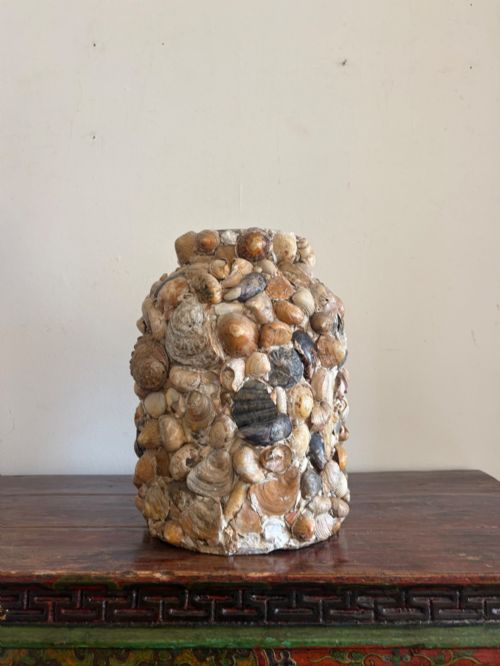
A solitary folk art shell-decorated jar sits quietly among the flat canvases, smelling faintly of past seaside holidays.
What varies in quality
Quality in these coastal works rests primarily on the artist's command of light, atmosphere and composition rather than the mere age of the piece. A superior painting demonstrates confident brush handling and a distinct grasp of the specific tonal qualities found along the Channel or Mediterranean coasts.
Secondary factors include the integrity of the original support, the sensitivity of the framing and the artist's documented association with recognised regional schools or exhibitions.
Paul Bret·Hector Caffieri·Paul Delvaux·Louis Suire·Gustave Vidal·Jean-Baptiste Olive·Raymond Picque·William Lee Hankey·Charles Malfroy·Roger de la Corbiere·Henri Ottman·Yves Brayer
The French Coastal Art Glossary
- Impストressionism
- An art movement focused on capturing transient effects of light and ordinary subject matter. Artists working in this manner prioritized open brushwork and vibrant colour over precise detail.
- Impasto
- Paint applied thickly to a canvas or panel, standing out in relief from the surface. This technique adds literal texture and depth to depictions of waves, rocks and clouds.
- Gouache
- An opaque water-based paint that dries to a matte finish. It is often combined with watercolour in maritime studies to create solid areas of light on water and sails.
- Provenance
- The documented history of ownership of a work of art. Clear provenance helps verify an artist's attribution and the authenticity of the piece.
French Coastal Art: Frequently Asked Questions
What periods do these coastal paintings cover?
The available works span from the nineteenth century through the mid twentieth century, capturing distinct shifts in European art movements.
Buyers will find pieces reflecting nineteenth century academic traditions alongside early modernist interpretations and mid-century impressionism.
Where were these coastal scenes typically painted?
The subjects are drawn from famous maritime regions across France, including the rugged cliffs of Normandy and Brittany in the north.
Other works focus on the sunlit ports and rocky inlets of the Mediterranean coast, such as Marseille, Cannes, Nice and Toulon.
Are all the artworks framed?
Many of the oil paintings and watercolours arrive in period frames that complement the age and origin of the artwork.
Descriptions specify whether a piece is framed so buyers can account for the presentation style before purchase.
How do I identify a regional French school style?
Regional styles often reveal themselves through the specific palette and light used to depict northern tides versus southern sun.
Normandy and Brittany scenes frequently emphasise greys, blues and dramatic atmospheric weather, while Riviera works favour warm sunlight and vibrant colour.