



French Chic Mirror
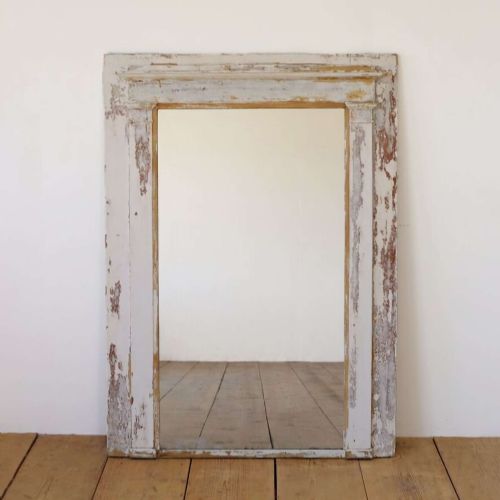
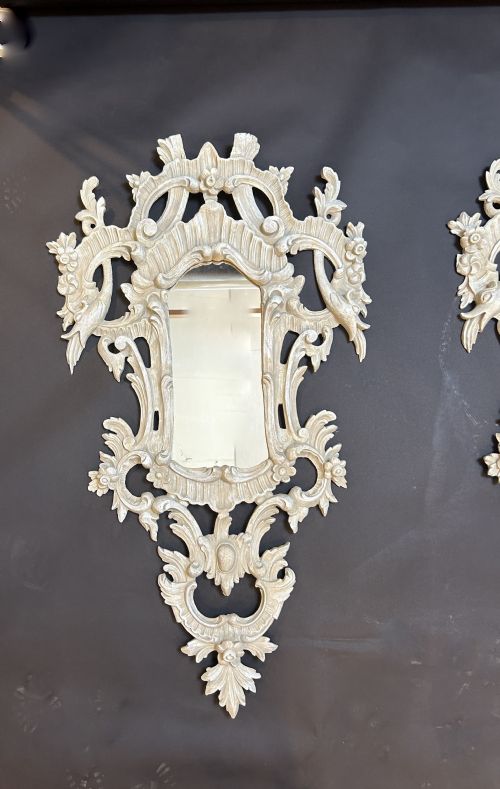
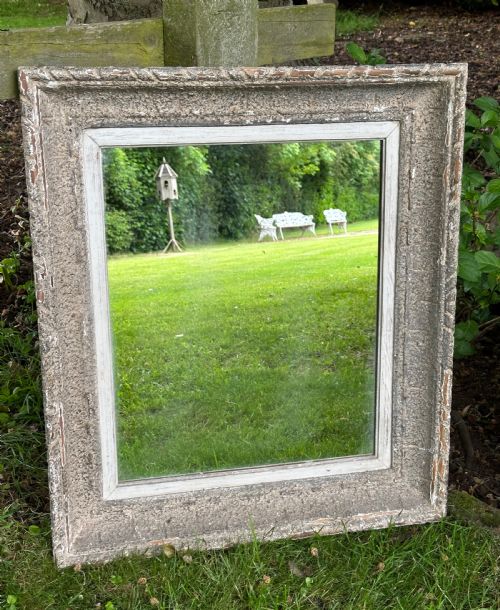
These french chic mirror pieces bring painted surfaces and carved gesso detail into a room, offering the decorative rustic feel buyers want.
French Chic Mirror
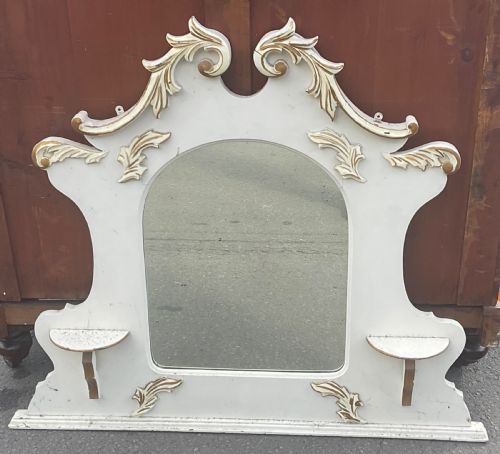
When buyers search for a french chic mirror, they find painted wall mirrors and large overmantels spanning the nineteenth century through the Edwardian period. The forms lean towards French chateau and provincial styles alongside English country interpretations, often featuring shaped or arched tops.
Most examples encountered here combine carved wood with gesso surfaces, finished in white or pale paint to suit softer interiors. Wall mirrors and dressing mirrors appear alongside substantial overmantel pieces designed to sit above a fireplace.
The aesthetic bridges continental Rococo Revival lines and simpler painted woodwork, capturing a weathered domestic elegance. Pieces range from modest nineteenth-century French frames to larger English country overmantels.
How they were made
Carved wood provides the primary structural framework for these frames, shaped into curves and architectural arches. Gesso is then applied over the timber base to build up relief ornamentation and crisp decorative edges before painting.
Glass is set within the painted wooden frames, utilising traditional mirror glass appropriate to each period. Painted wood finishes cover the gesso and timber, varying from distressed white schemes to layered neutral tones.
French Chic Mirror Retail Price Guide 2026
Typical asking prices for french chic mirror among the pieces listed under this phrase on Sellingantiques today, from the lower quarter to the upper quarter. They describe what is for sale here now, not the wider market.
What varies in quality
The depth and precision of the carved wood and gesso ornamentation dictate the visual strength of each frame. Crisp execution in the moulding separates finer decorative work from simpler, more utilitarian joinery.
The handling of the painted surface determines how successfully the piece carries its decorative character. Original or sympathetic paint layers retain greater decorative integrity than later, heavy-handed overpainting.
The French Chic Mirror Glossary
- Gesso
- A plaster-like mixture applied to wood frames to create a smooth surface for carving and painting. It allows intricate relief details to be moulded before finishing.
- Overmantel Mirror
- A large mirror specifically designed to hang above a mantelpiece or fireplace. These pieces often feature wide proportions to anchor the chimney breast.
- Rococo Revival
- A nineteenth-century design style reviving eighteenth-century asymmetrical curves, scrolls, and naturalistic motifs. It heavily influences the shaped tops seen on many decorative frames.
- Dressing Mirror
- A smaller mirror intended for use on a dressing table or chest, often supported on pivoting side pivots. They provide functional reflection while echoing larger wall mirror styles.
French Chic Mirror: Frequently Asked Questions
How do I hang a heavy overmantel mirror?
Large overmantel mirrors require secure fixings anchored directly into wall studs or masonry using heavy-duty brackets. Professional installation ensures the substantial weight of the carved wood and glass is safely supported.
Position the mirror at a height that reflects light and room elements effectively, usually centring it above the fireplace opening for balanced proportions.
Are these mirrors French or English?
The listings include both continental French pieces and English country interpretations from the nineteenth and early twentieth centuries. Makers across both regions adopted similar painted finishes and carved gesso techniques.
Distinguishing between them often relies on subtle stylistic cues in the carving and the specific proportions of the wooden frame.
How should I clean painted wood frames?
Dust the carved wood and gesso surfaces regularly with a soft, dry cloth to prevent dirt accumulation in the recessed details. Avoid harsh liquid cleaners that might soften or damage the painted finish.
Glass panels can be cleaned with a standard glass spray applied to a cloth rather than directly onto the mirror, protecting the surrounding frame from moisture.
What defines Edwardian mirror styles?
Edwardian mirrors generally reflect a lighter, more restrained aesthetic compared to heavy Victorian predecessors. They often utilise painted pine and simplified carved gesso details.
These pieces fit comfortably into domestic spaces aiming for a bright, uncluttered decorative atmosphere while retaining period character.