

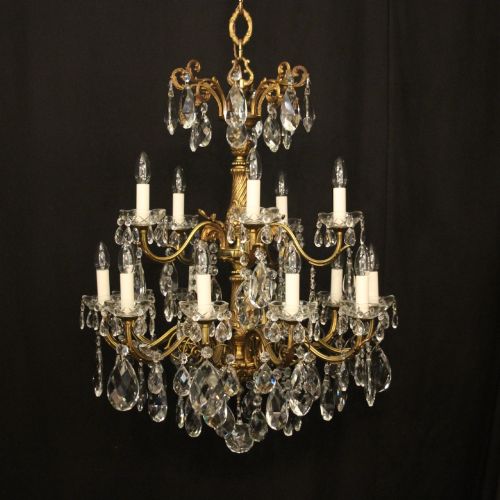
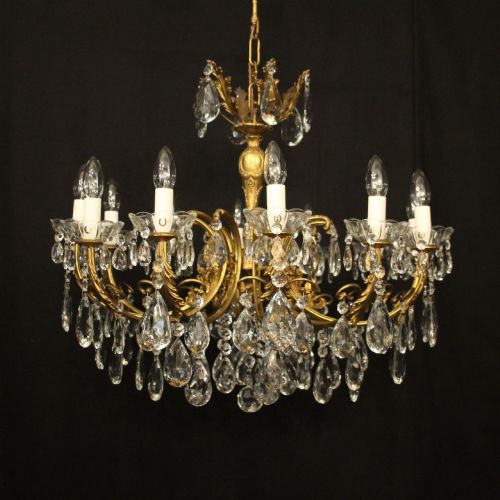
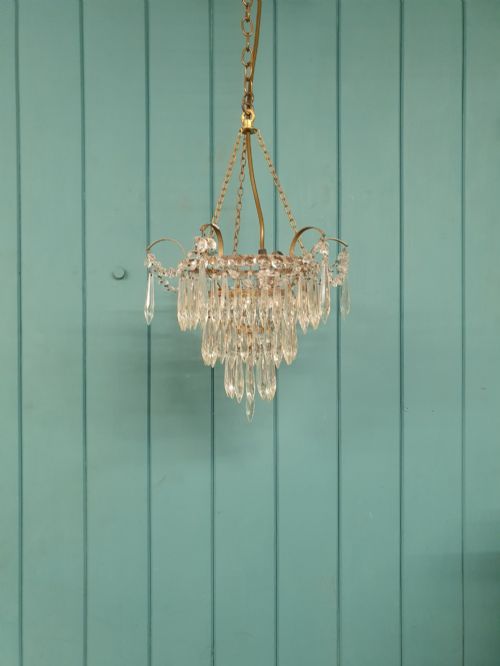
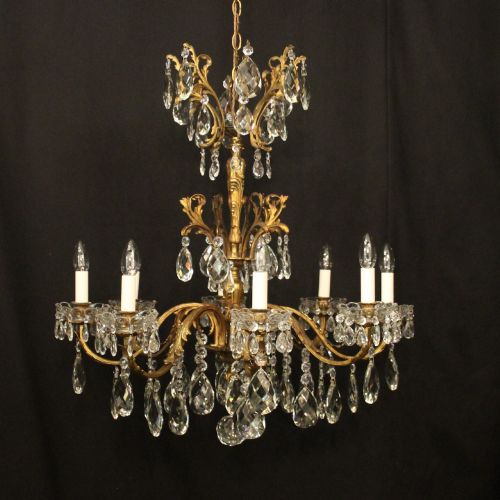
French Chandelier Ceiling Light
A French chandelier ceiling light brings historical weight and brilliant sparkle to a room through centuries-old metalwork and cut glass.
French Chandelier Ceiling Light
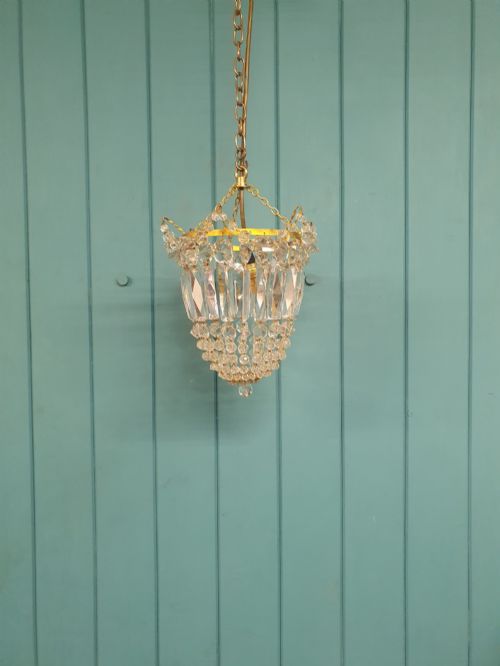
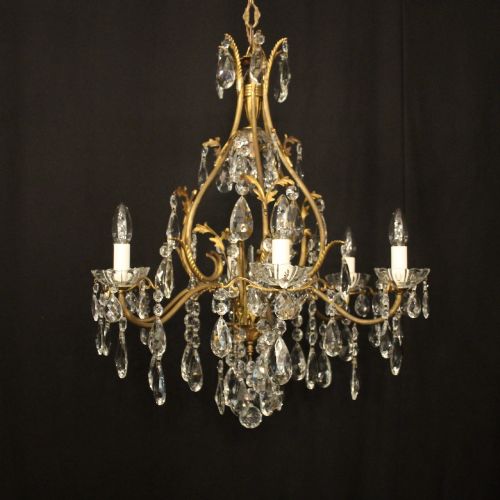
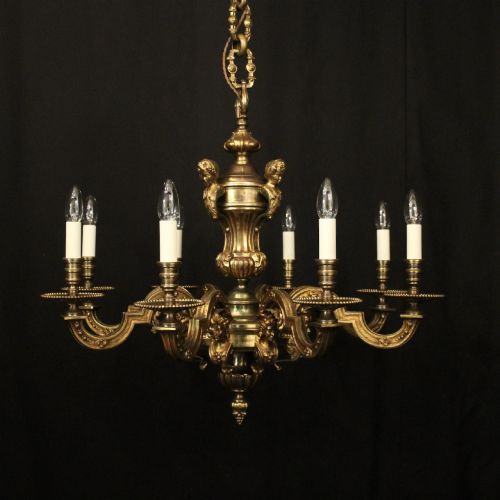
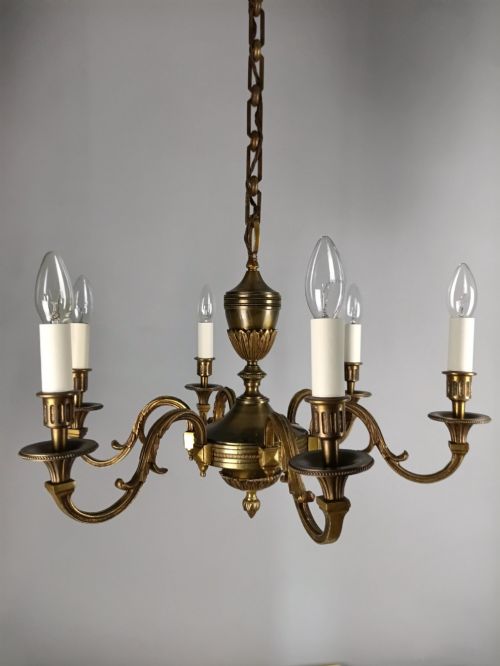
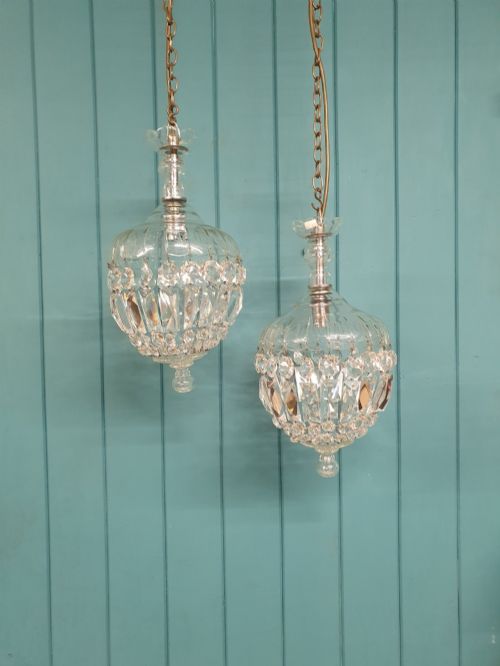
A French chandelier ceiling light stands as a major decorative fixture, originating from periods spanning the nineteenth century through the Art Deco era of the 1930s. Buyers searching this phrase encounter grand multi-tiered designs alongside intimate single-tier pendants.
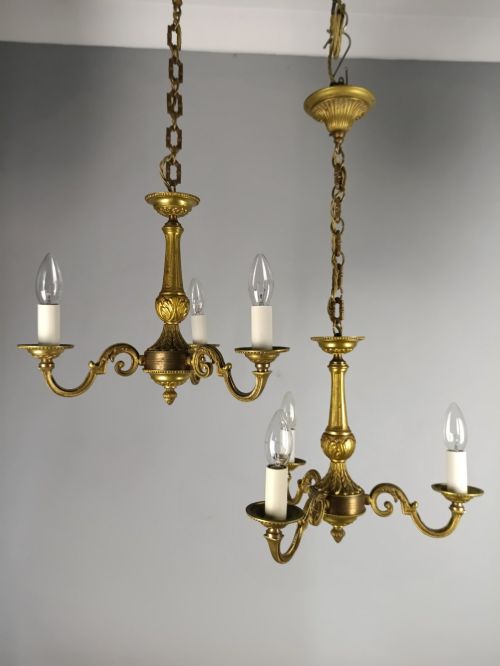
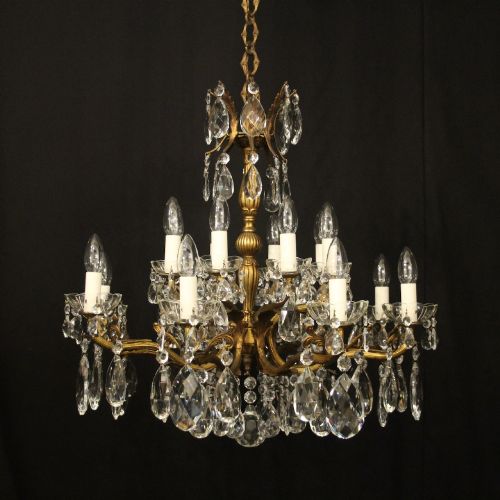
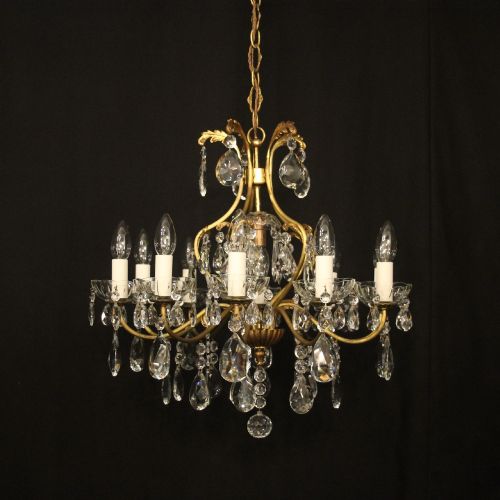
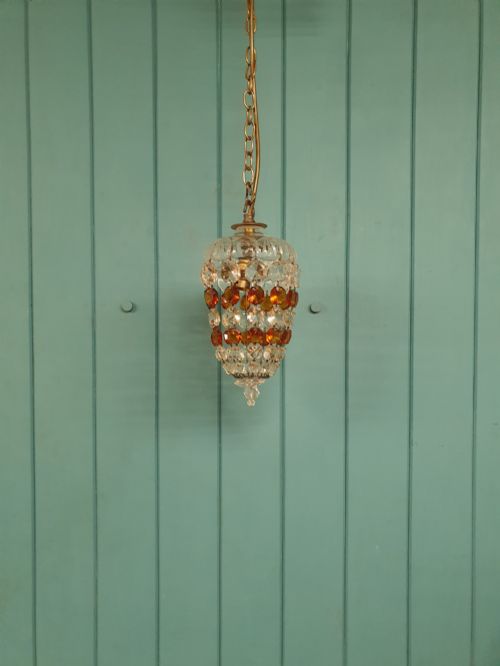
The assortment on this page leans heavily toward pieces produced around 1920 and 1930, capturing the lasting appeal of French design styles. Forms range from elaborate crystal tent and waterfall arrangements to restrained brass hall lanterns.
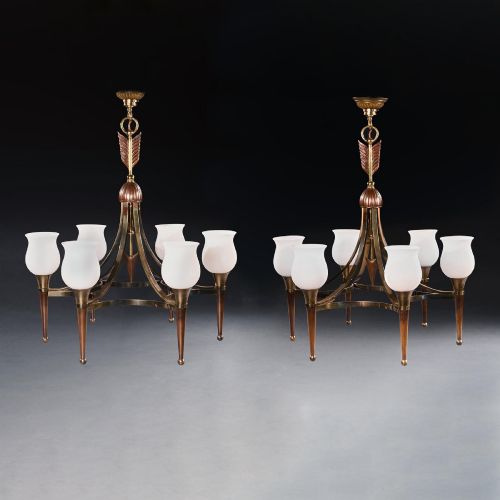
Makers and designers from these decades utilised distinctive frameworks, incorporating gilt bronze, brass, and cut crystal into symmetrical profiles. Each variation reflects the prevailing interior tastes of its specific decade of manufacture.
Materials and Construction Methods
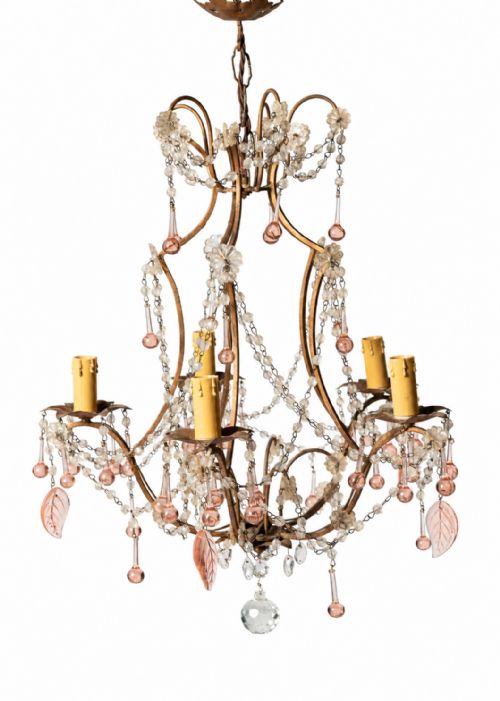
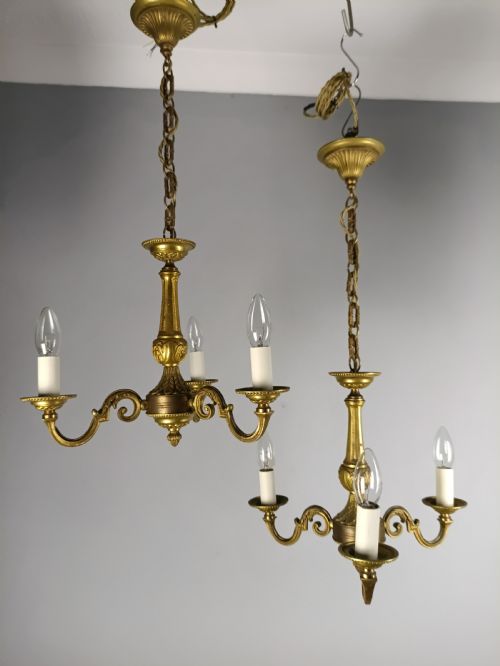
Makers constructed these fixtures using cast bronze and brass foundations, often applying a gilt finish to enhance the reflective surface of the metal. Artisans shaped these structural elements into arms, wheatsheaves, and birdcage frameworks designed to support considerable weight.
Glass and crystal components arrived through careful cutting and moulding, resulting in sharp prisms, hanging drops, and cascading bead curtains. Workers wired these crystal elements directly onto the metal frames using small metal pins or rings, creating an integrated play of light.
French Chandelier Ceiling Light Retail Price Guide 2026
Typical asking prices for french chandelier ceiling light among the pieces listed under this phrase on Sellingantiques today, from the lower quarter to the upper quarter. They describe what is for sale here now, not the wider market.
The listings span periods from the nineteenth century through the 1930s, featuring materials such as gilt bronze, brass, and cut crystal.
Evaluating the Range of Quality
The distinction between tiers of quality rests upon the density of the crystal cutting and the intricacy of the metal casting. Superior examples display deep, sharp facets on the glass and finely chased details across the gilded bronze or brass mounts.
Proportion and scale dictate the visual impact of the fixture, where balanced arm configurations and harmonious drop arrangements separate standard production from exceptional artistry. The integrity of the original gilding and the uniformity of the crystal drops further define the upper tier of these pieces.
Degué
The French Chandelier Ceiling Light Glossary
- Birdcage Chandelier
- A style shaped like an avian cage, where metal ribs curve upwards to support interior tiers of crystal drops and candles.
- Cut Glass
- Glass shaped by abrasive wheel grinding to create sharp facets that refract light across the room.
- Ormolu
- A method of applying finely ground high-carat gold to a bronze object, producing a warm and durable metallic sheen.
- Tent and Waterfall
- A layout featuring an upper triangular tent of crystal beads cascading down into a wider, flowing waterfall of drops below.
- Wheatsheaf
- A decorative motif formed from bound stalks of wheat, frequently rendered in gilt metal as a central support or embellishment.
French Chandelier Ceiling Light: Frequently Asked Questions
How do I choose the right size?
Selecting the correct scale depends upon the dimensions of the room and the height of the ceiling. Large multi-tier arrangements require substantial clearance, while compact styles suit more modest spaces.
Consider the diameter of the fixture relative to the floor area. A balanced proportion ensures the piece anchors the room without overwhelming the furniture below.
What periods do these fixtures represent?
The available lighting spans from nineteenth-century creations to early twentieth-century pieces from the 1920s and 1930s. Styles range from classical revival forms to the geometric lines of the Art Deco period.
Each era brings distinct casting techniques and glass-cutting styles. Recognising these details helps date the construction accurately.
Where should I hang a hall lantern?
Hall lanterns work best in entranceways, corridors, and stairwells where vertical space allows for a pendant fixture. Their enclosed frames protect the light source while casting patterns through the glass panels.
Ensure adequate hanging height so the fixture commands attention upon entry. Positioning the light centrally creates a welcoming focal point for the transition between rooms.
How do crystal and gilt bronze age?
Gilt surfaces develop a softer, muted patina over decades of exposure to air and light. Crystal retains its refractive clarity unless exposed to abrasive cleaning methods.
Preserving the original surface requires gentle dusting rather than harsh chemical polishes. This natural ageing process enhances the historical character of the metalwork.