
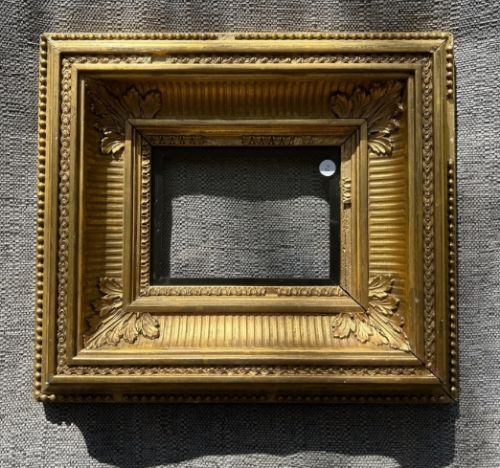
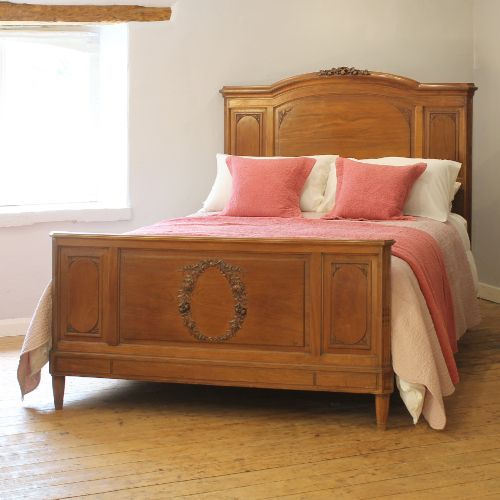

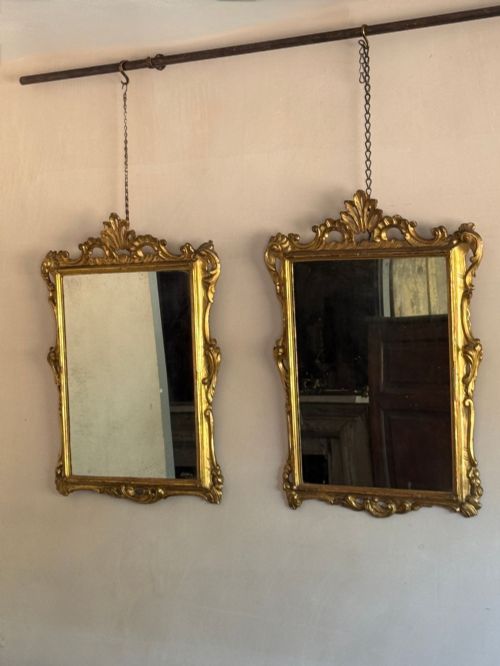
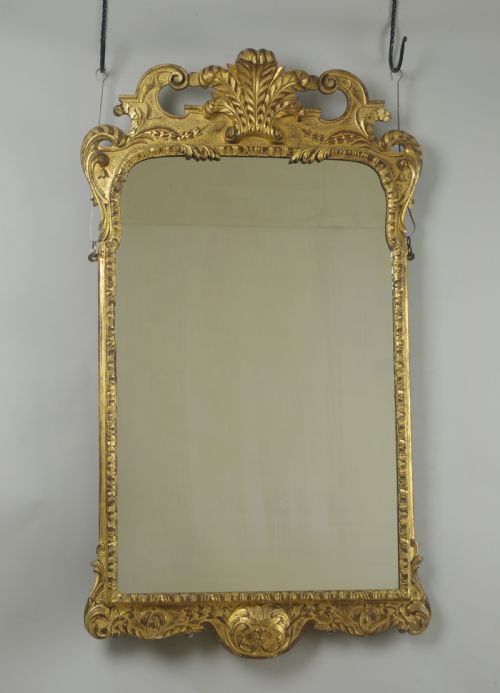
French Carved Wood Frame
A french carved wood frame brings historical depth and decorative warmth to an interior through skilled artisanal handwork.
French Carved Wood Frame
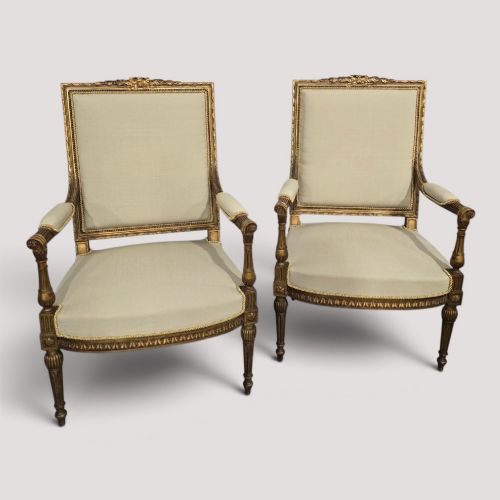
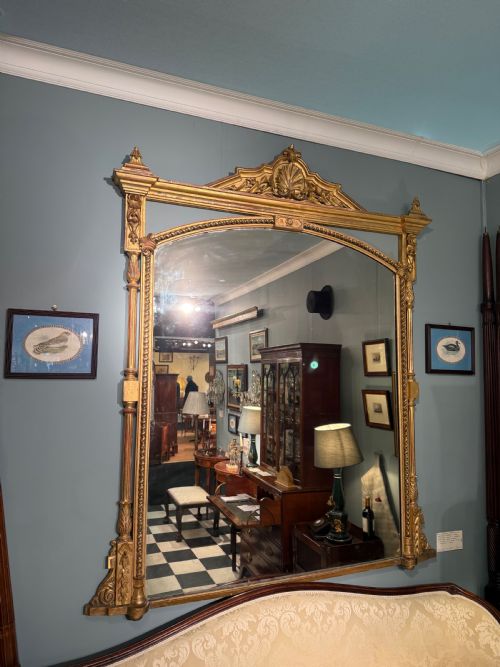
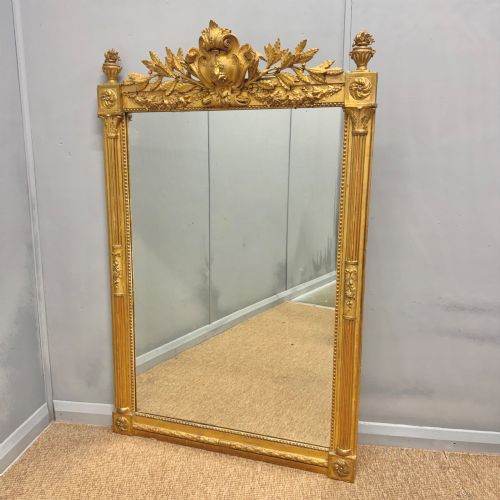
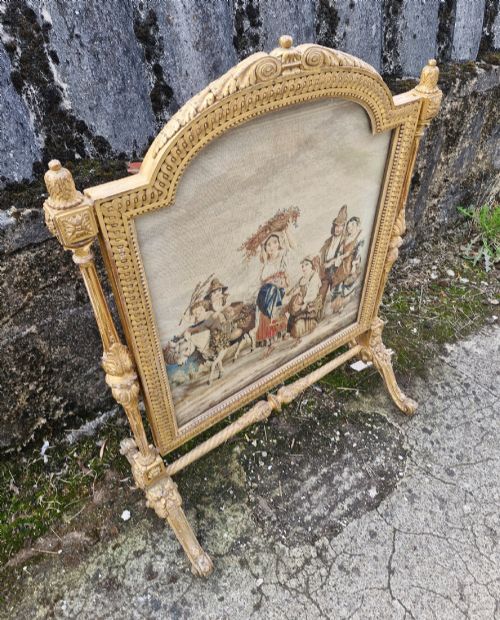
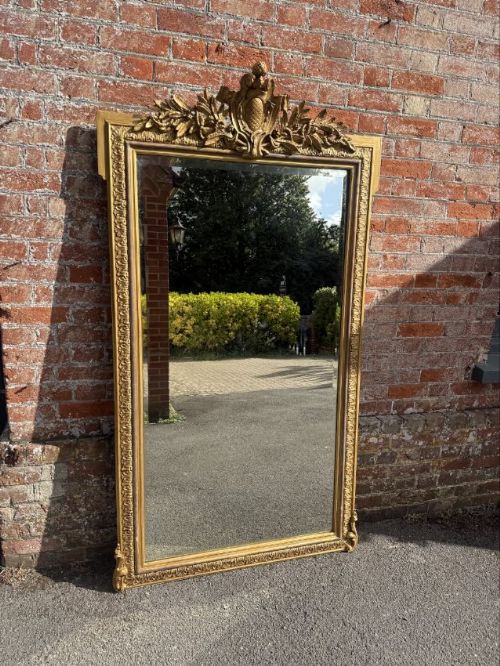
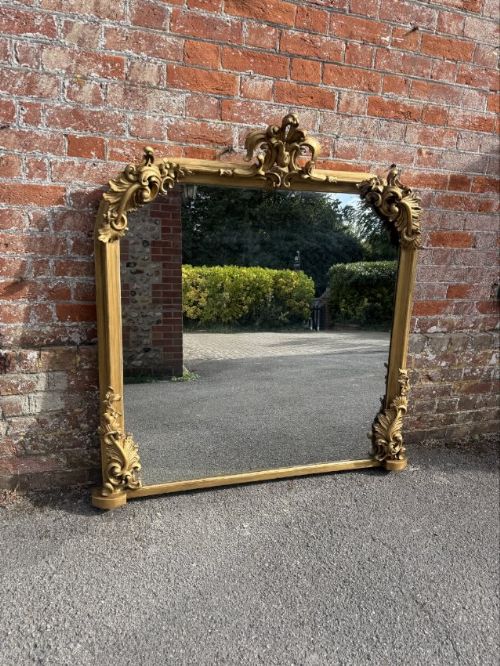
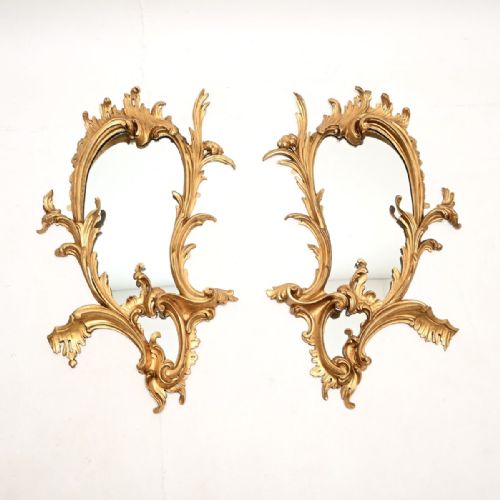
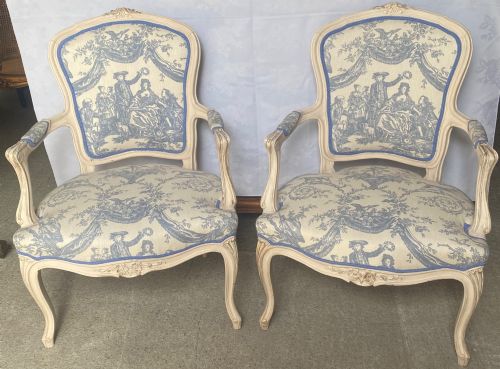
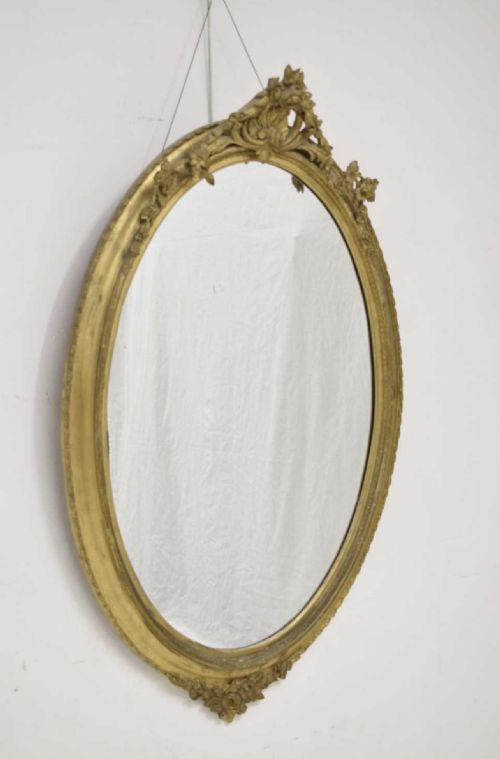
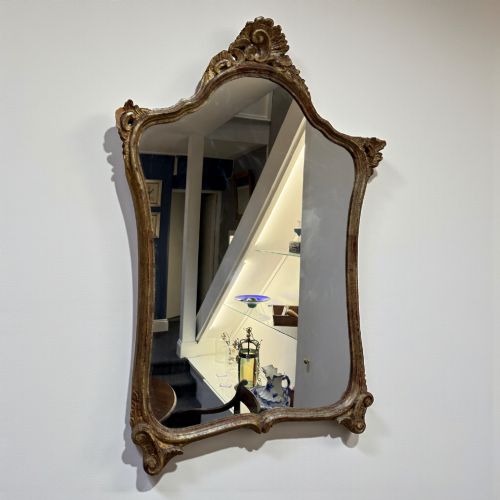
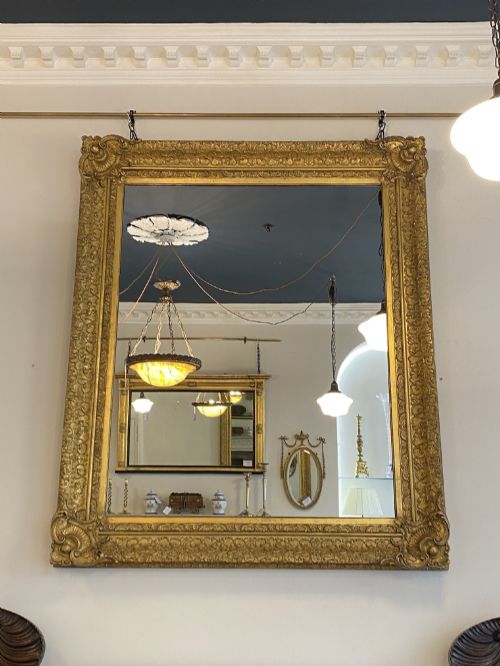
A french carved wood frame typically manifests as a wall mirror, overmantel glass, or seating furniture originating from various periods between the eighteenth and early twentieth centuries. These objects combine structural timber carcasses with elaborate surface carving, often reflecting classical French decorative idioms such as Rococo and Louis XVI styles.
Mirrors dominate the selection, ranging from tall Louis Philippe plates to arched overmantels and ornate pier glasses. Upholstered forms including armchairs, day beds, and double beds also appear alongside occasional stools and salon suites.
Examples span the eighteenth century, the nineteenth century, and the Belle Époque around nineteen hundred. Pieces encompass both formal gilded salon items and more rustic provincial painted woodwork.
How they were made
Carvers shaped structural timber carcasses from woods such as oak, walnut, and general framing timber using hand chisels and gouges. Artisans applied layers of gesso over the wood base to create a smooth, responsive ground for fine detail work and relief ornamentation.
Surfaces received decorative finishes including genuine gold leaf, silvering, and layered paint or original pigments. Mirror plates incorporated traditional techniques such as mercury silvering, which frequently develops foxing over time.
Listings feature items spanning the eighteenth, nineteenth, and early twentieth centuries, constructed from oak, walnut, and general timber with giltwood and painted finishes.
What varies in quality
The depth and definition of the carving separate standard items from finer works. Hand-chiseled leaf motifs, ribbon crests, and floral garlands display crisp undercutting and proportion, whereas lesser examples rely on moulded composition ornaments rather than carved wood.
Original surface treatments dictate value and authenticity. Pieces retaining undisturbed historic gilding, original paint, or authentic mercury glass plates hold greater integrity than those with stripped surfaces or modern replacements.
The French Carved Wood Frame Glossary
- Giltwood
- Wood coated with gold leaf over a prepared gesso ground. This finish was widely utilised on formal French mirrors and seating furniture during the eighteenth and nineteenth centuries.
- Gesso
- A plaster-like mixture applied to wooden frames to provide a smooth base for gilding or painting. It accepts fine incisions and relief moulding.
- Overmantel mirror
- A large mirror designed specifically to hang above a fireplace mantel. These pieces often feature arched tops and landscape orientations.
- Louis Philippe
- A mid-nineteenth-century French style characterised by restrained classical proportions and gently rounded upper corners. It bridges the gap between earlier ornate revivals and simpler domestic forms.
- Foxing
- Age-related spots and discoloration appearing within the reflective layer of antique mirror glass. This chemical oxidation is characteristic of genuine antique mercury plates.
French Carved Wood Frame: Frequently Asked Questions
How do I date a carved wooden frame?
Dating relies on combining stylistic markers, construction methods, and materials. Eighteenth-century pieces display organic hand-carved asymmetry and early joinery, while nineteenth-century revivals incorporate machine assistance alongside hand finishing.
Secondary indicators include the composition of the wood, the formulation of underlying gesso layers, and the manufacturing traits of the mirror glass where applicable.
What is the difference between gesso and carved wood?
Carved wood forms the structural and decorative baseline sculpted directly from timber by the artisan. Gesso is the plaster mixture brushed over the wood to sharpen details and act as an adhesive base for gold leaf.
Finer antique pieces feature extensive direct carving into the timber, whereas mass-produced items rely heavily on moulded gesso applied to simpler wooden carcasses.
How should I hang a heavy overmantel mirror?
Heavy antique mirrors require secure wall fixings anchored directly into structural masonry or timber wall studs. Professional mirror hangers utilise heavy-duty brackets or French cleats rated to support the combined weight of the wood and glass.
Checking the structural integrity of the original wooden frame and hanging loops before installation prevents separation over time.
What does foxed glass mean?
Foxed glass refers to the speckled dark spots and clouding that develop naturally across old mirror plates. This occurs when moisture or air interacts over decades with the metallic backing behind the glass.
Collectors prize genuine foxing as a primary indicator of antique authenticity rather than a defect.
How do I care for antique giltwood?
Giltwood requires delicate maintenance using a soft, dry ostrich feather duster to remove surface dust. Water and modern chemical cleaning solutions must be avoided entirely because they dissolve the historical gesso and water-gilding underneath.
Keeping frames away from direct sunlight and high humidity preserves the stability of both the timber and the metallic leaf.