



French Carved Walnut Sofa
A french carved walnut sofa brings sculptural warmth and period elegance to a room, offering substantial seating wrapped in rich timber.
French Carved Walnut Sofa
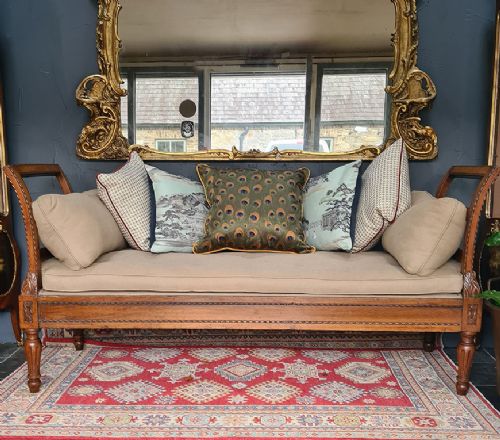
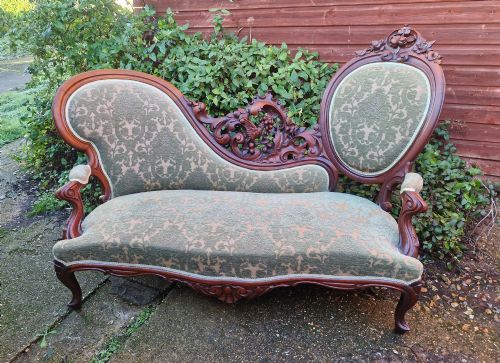
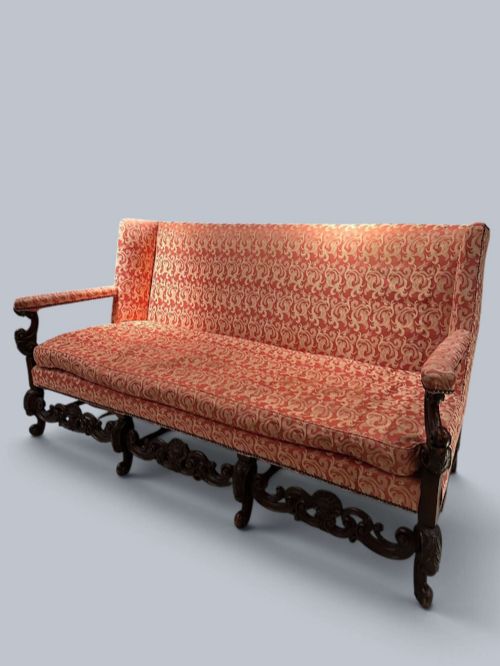
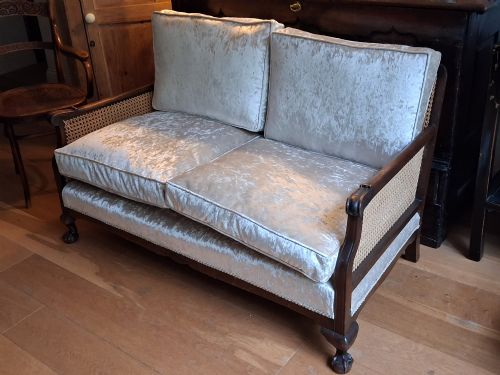
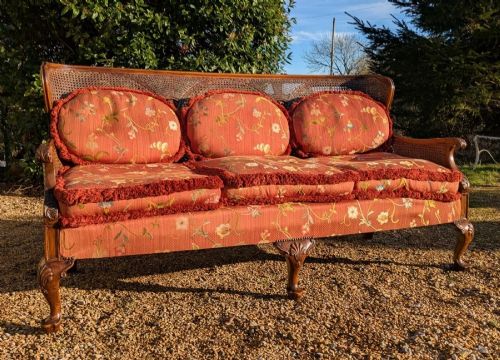
A french carved walnut sofa combines rich timber frames with decorative woodwork spanning the nineteenth and early twentieth centuries. These pieces appear as two-seater settees, larger three-seater couches, and conversation seats rooted in revival styles such as Rococo and Louis XV.
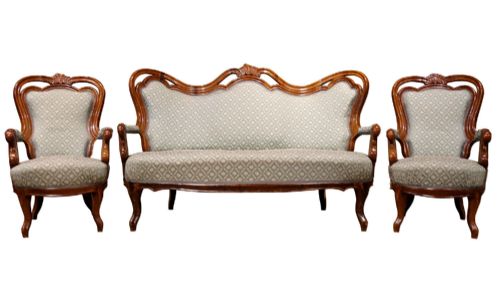
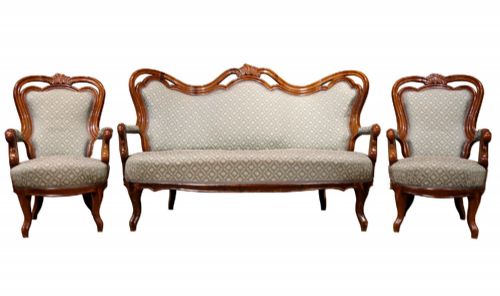
Makers and workshops constructed these seating forms using solid walnut, often pairing the exposed carved frames with cane work, damask, velvet, or feather cushions. Salon suites also group smaller settees with matching armchairs for a unified interior arrangement.
The aesthetic draws heavily from French provincial and chateau traditions, ranging from heavy Victorian interpretations to lighter cane-panelled bergère designs. Buyers encounter everything from compact end-of-bed seats to expansive multi-piece salon settings.
Materials and Construction
Craftsmen built the structural frames primarily from walnut, selected for its strength and grain, allowing deep relief carving along the crest rails and cabriole legs. This timber often received a natural, pale, or bleached finish depending on the period taste.
Upholstery techniques combined traditional stuffing with modern comforts like feather cushions, textile coverings, silk velvet, and damask. Alternatively, craftsmen integrated woven cane panels into the backrests and sides of bergère frames for a lighter visual weight.
French Carved Walnut Sofa Retail Price Guide 2026
Typical asking prices for french carved walnut sofa among the pieces listed under this phrase on Sellingantiques today, from the lower quarter to the upper quarter. They describe what is for sale here now, not the wider market.
Conversation seats let two people chat face-to-face while sitting back-to-back, proving Victorians invented the ultimate gossip bench.
Assessing Craftsmanship and Quality
The depth and crispness of the hand-carving define the distinction between standard production and superior craftsmanship, where floral motifs and scrollwork appear sharp and dimensional. Superior examples maintain structural integrity in the joinery, supporting the weight of the timber frame without looseness.
The integration of materials also dictates standard; tightly woven cane work, well-fitted brass details, and high-grade upholstery fabrics elevate a piece. Authenticity of the period finish and the preservation of original timber patination separate preserved antiques from later alterations.
Holland and Son
The French Carved Walnut Sofa Glossary
- Bergère
- An enclosed upholstered armchair or sofa featuring wooden frames and cane panels. These pieces often include loose squab cushions filled with feathers.
- Rococo Revival
- A nineteenth-century design movement mimicking the ornate, asymmetrical curves of the eighteenth century. This style relies heavily on naturalistic shell and floral motifs.
- Salon Suite
- A matched grouping of seating furniture intended for a formal reception room. These sets usually comprise a sofa accompanied by several armchairs.
- Marquetry
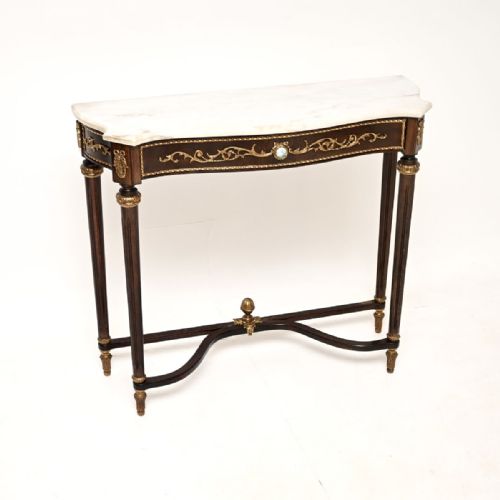
- Decorative veneer work inlaid into the timber surface to form geometric or pictorial patterns. It appears on related tables accompanying seating groups.
French Carved Walnut Sofa: Frequently Asked Questions
How do I identify a revival style?
Revival styles draw inspiration from historical periods like the reign of Louis XV or the Rococo era. Look for characteristic details such as cabriole legs, scrollwork, and asymmetrical floral carving.
Nineteenth-century makers reinterpreted these classic motifs with heavier proportions and distinct regional variations.
Where should I place a settee?
A settee suits living rooms, bedrooms, or wide hallways as an occasional seating option. Compact two-seater versions fit well at the end of a bed or in smaller reception spaces.
Larger three-seater couches anchor a primary seating arrangement alongside matching armchairs.
How do I care for antique walnut?
Protect antique walnut timber by keeping pieces away from direct sunlight and sudden temperature changes. Dust regularly with a dry cloth and avoid harsh chemical polishes.
Upholstery and cane work require gentle vacuuming with a soft brush attachment to preserve the natural fibres.