
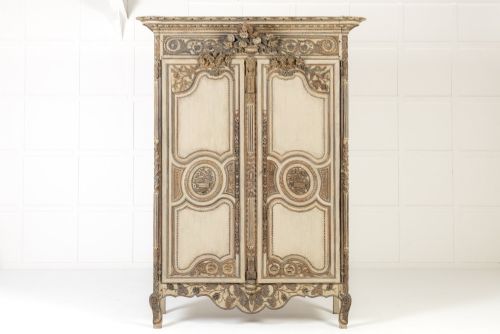

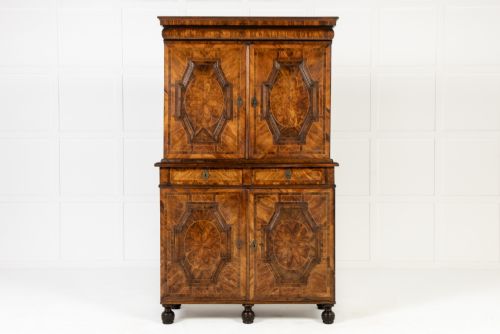


French Carved Linen Press
These large storage pieces known as a french carved linen press combine deep regional craftsmanship with grand domestic utility.
French Carved Linen Press
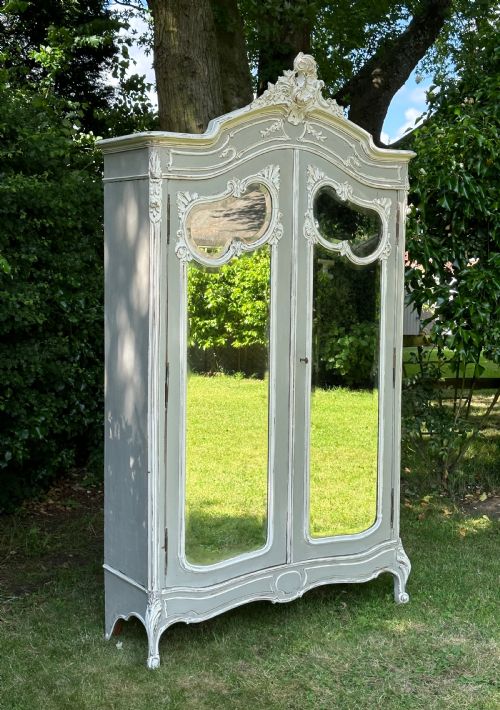
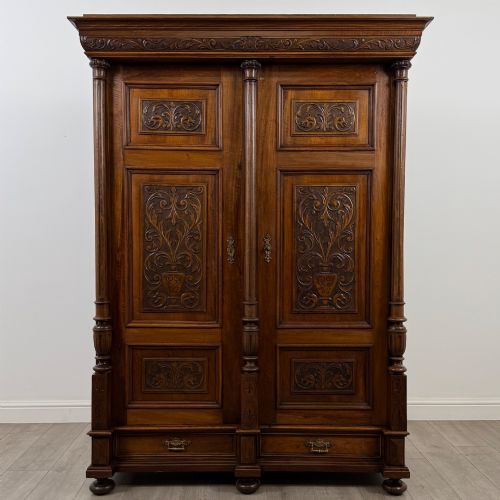
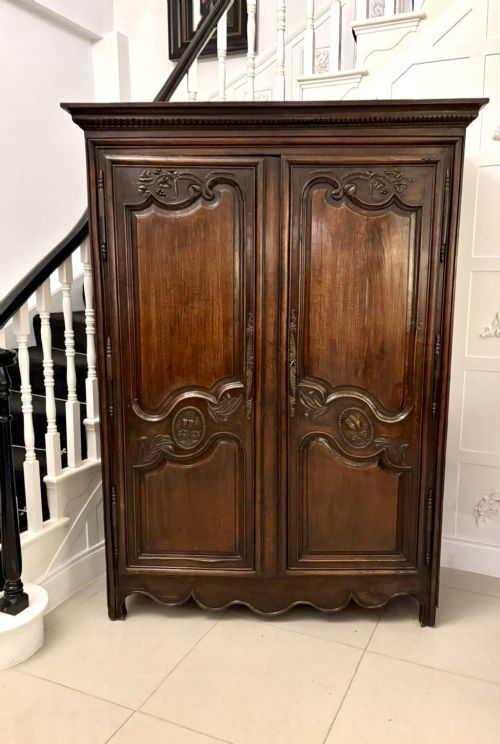
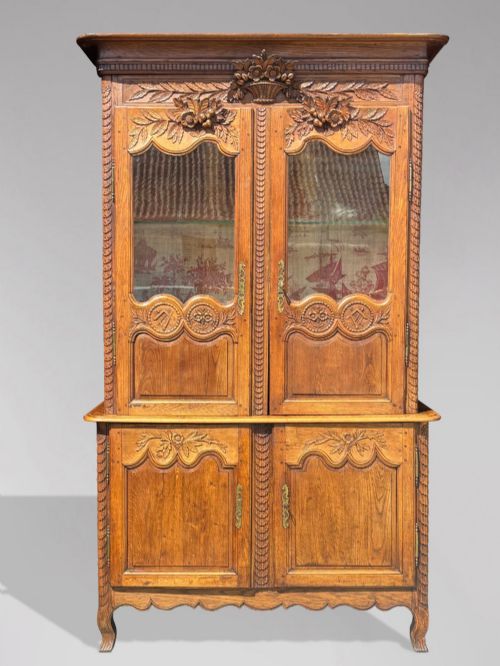
Buyers seeking a french carved linen press encounter substantial timber storage units designed to hold household textiles and garments. The selection spans robust provincial forms alongside refined urban pieces.
Armoires, wardrobes, cupboards, and cabinets dominate the offerings. Pieces range from seventeenth century provincial oak to later nineteenth century revival iterations.
Regional variations appear frequently, including examples from Burgundy and Brittany alongside formal Louis styles.
Distinguishing quality across examples
Depth and crispness of carving define the superior pieces, separating standard production from master craftsmanship. Timber selection also dictates grade, with figured burr walnut and dense mature oak sitting above simpler secondary woods.
Proportion and scale influence desirability, where grand armoires with balanced architectural cornices demonstrate greater ambition than smaller single door cupboards.
The inventory spans eight distinct periods from the seventeenth century through to the 1930s, utilising eight primary woods including oak, walnut, and rosewood.
The French Carved Linen Press Glossary
- Armoire
- A large freestanding wardrobe or cupboard with doors enclosing shelving or hanging space. This term forms the primary descriptor for the majority of tall French storage furniture.
- Buffet deux corps
- A two-tier storage cabinet featuring an upper section stacked upon a larger lower base. These substantial pieces frequently incorporate extensive carving and display space.
- Ormolu
- Gilt bronze mounts applied as decorative highlights to high status furniture. It is found on select nineteenth century walnut and burr walnut cabinets.
- Breton
- A regional style originating from northwest France characterised by robust carved motifs and traditional folkloric scenes. Pieces from this tradition often utilise heavy oak.
- Bleached
- A treated surface finish that lightens the natural tone of the timber while retaining the grain. This treatment appears on several oak armoires.
French Carved Linen Press: Frequently Asked Questions
What is the difference between an armoire and a linen press?
Armoires generally provide general wardrobe or shelving space behind tall doors, whereas traditional linen presses were specifically built with sliding trays or shelves for folded textiles.
In practical modern usage, buyers often apply the term linen press broadly to describe any large French wooden storage cabinet.
How do I date an antique French cabinet?
Dating relies on examining the construction joints, timber species, hardware, and stylistic carving details. Seventeenth and eighteenth century pieces display hand-cut joinery and regional vernacular motifs.
Revival pieces from the nineteenth and early twentieth centuries adopt earlier Louis styles while exhibiting machine-assisted elements and different secondary woods.
Are these cupboards delivered fully assembled?
Many traditional French cupboards were constructed with knock-down or modular frames to allow for transport between rooms. Listings occasionally note flat pack or multi-part construction to aid installation.
Buyers should verify whether a specific wardrobe disassembles into sections before attempting delivery through narrow stairwells.
Where should I place a large armoire in my home?
These tall wooden pieces require substantial wall space and adequate ceiling height to accommodate their proportions. Bedrooms and large hallways suit them best for storing bulky garments or linens.
Ensure the placement avoids direct heat sources and strong sunlight to protect the aged timber and polished finishes.