

French Cabinet with Glass
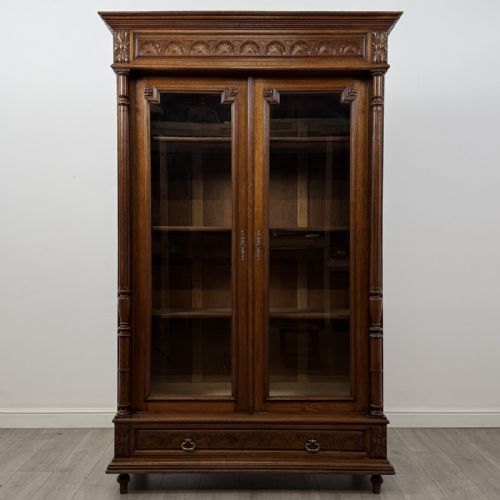
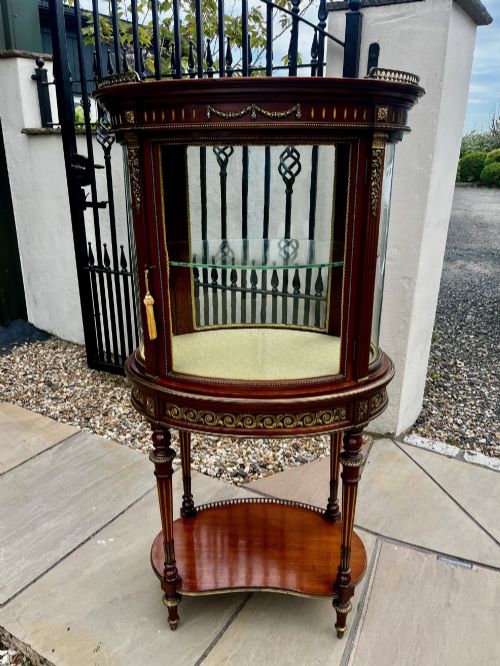
A French cabinet with glass brings together rich timber, fine metalwork and glazed display space to hold your collections.
French Cabinet with Glass
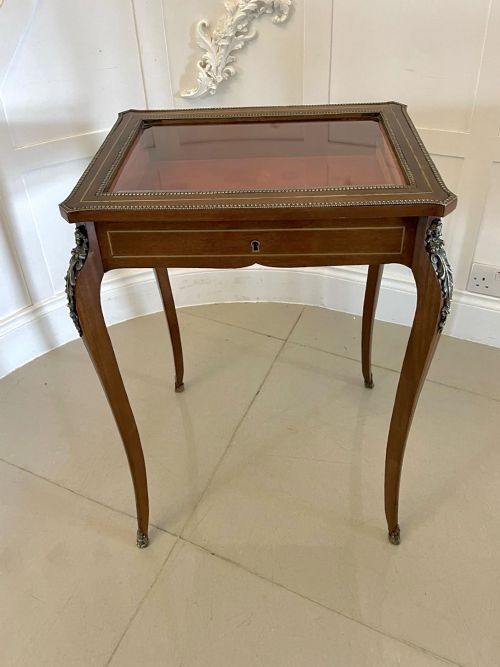
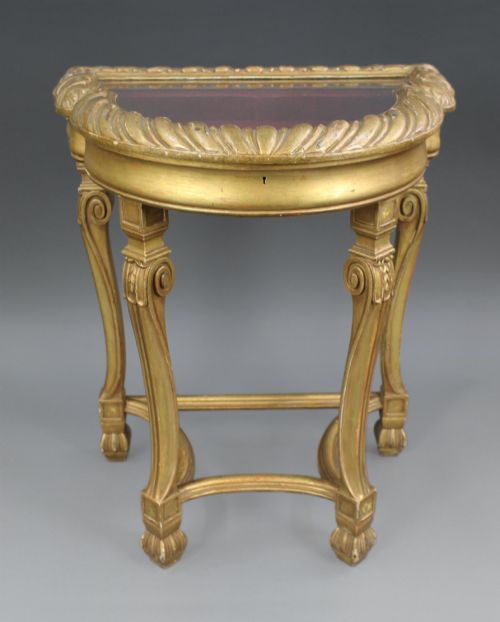
A French cabinet with glass is designed to showcase prized objects while protecting them behind glazed doors or side panels. These pieces span the nineteenth and early twentieth centuries, drawing on Victorian, Edwardian, and French revival aesthetics.
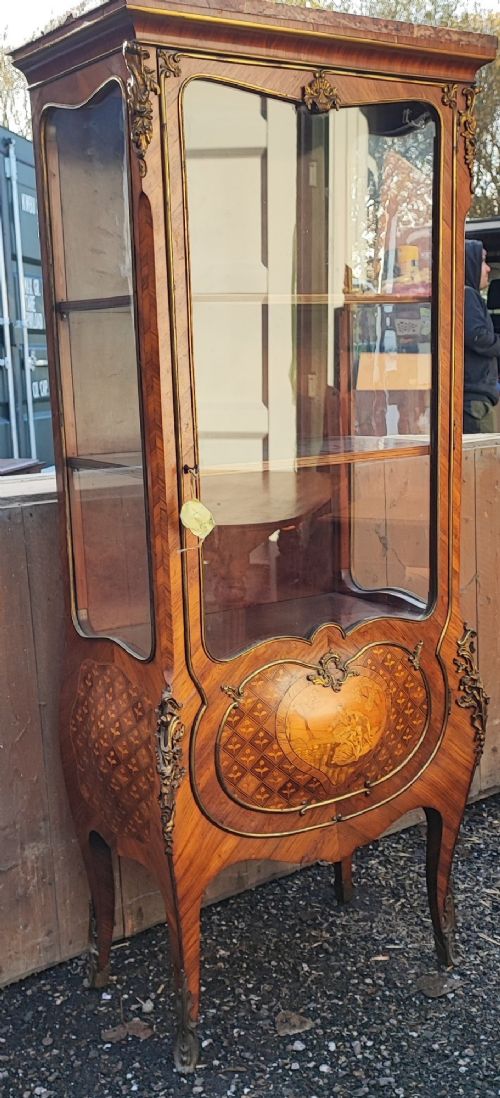
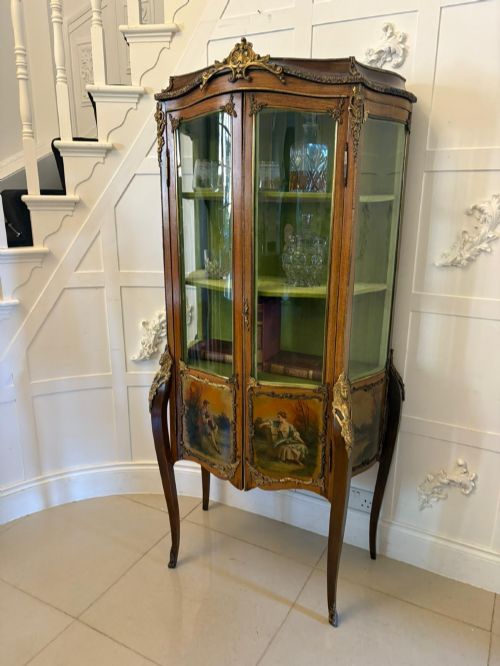
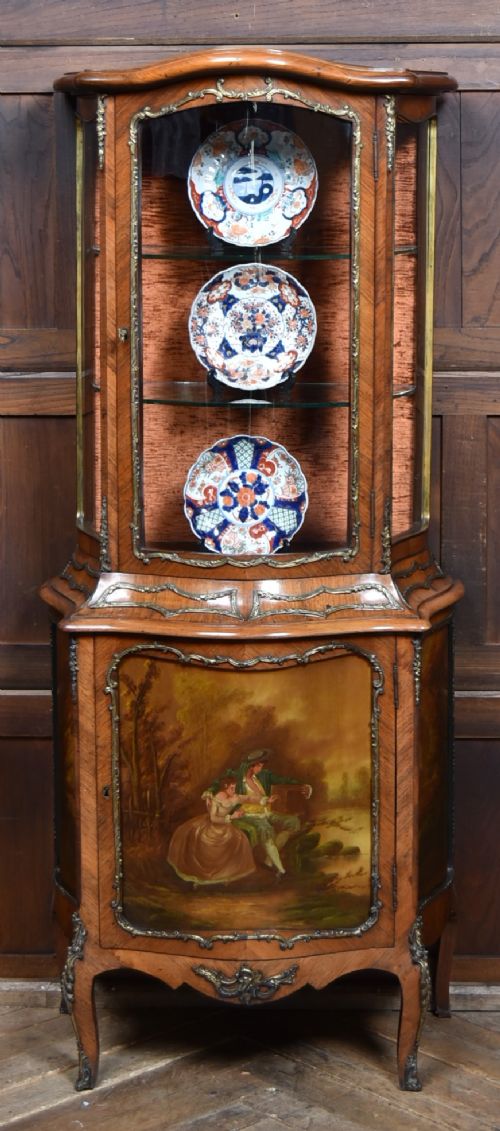
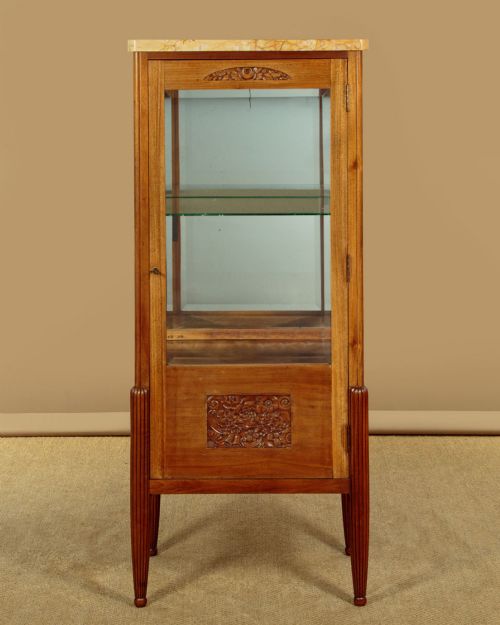
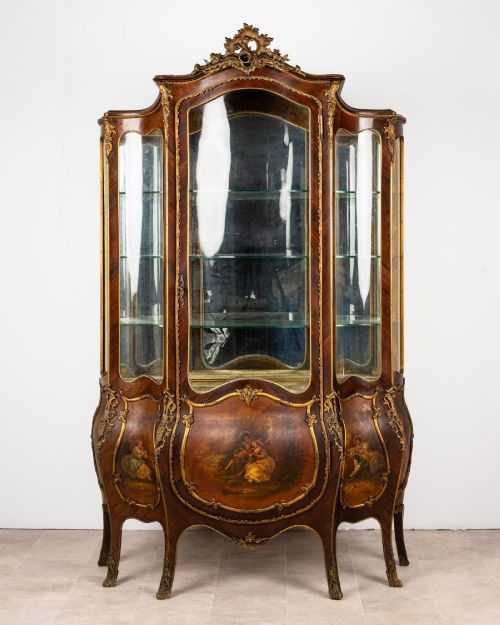
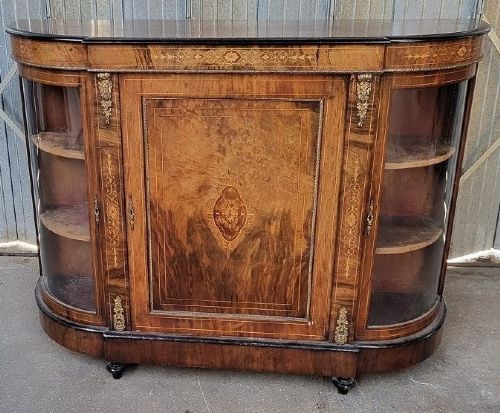
The most common forms you will encounter on this page include display cabinets, vitrines, and credenzas. Many examples feature serpentine fronts, marble tops, and painted lower panels executed in the Vernis Martin tradition.
Origins range across French workshops and Victorian English interpretations of continental styles. Makers such as François Linke, Maison Gagneau, and Maison Krieger appear alongside unsigned pieces sharing similar craftsmanship.
How they were made
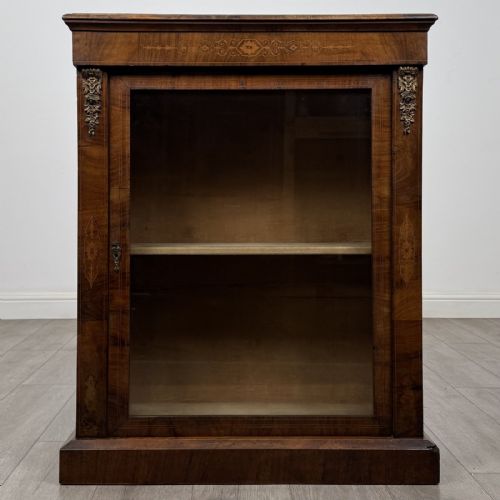
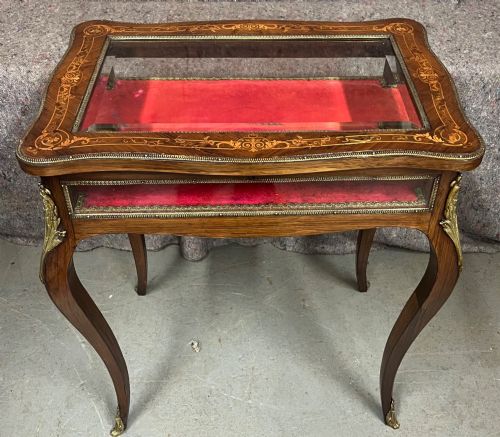
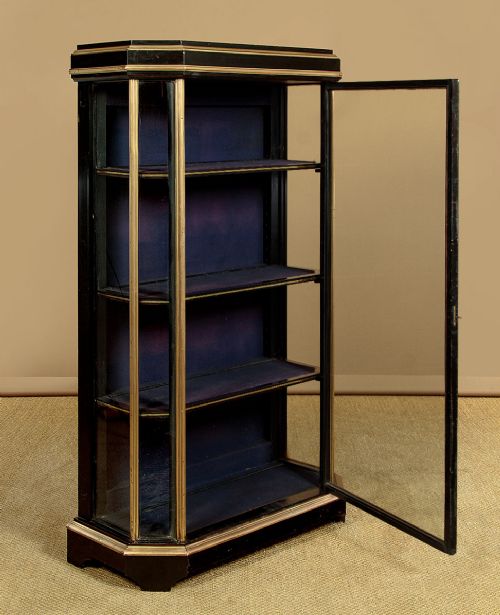
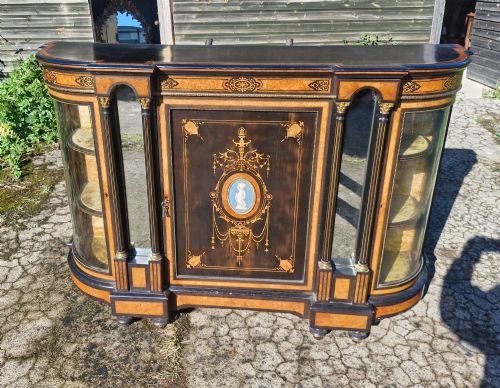
Construction relies upon a core structural timber such as walnut, burr walnut, mahogany, or kingwood, often layered over with intricate marquetry or ebonised details. Marble tops provide a durable and weighty surface finish to upright cabinets and credenzas.
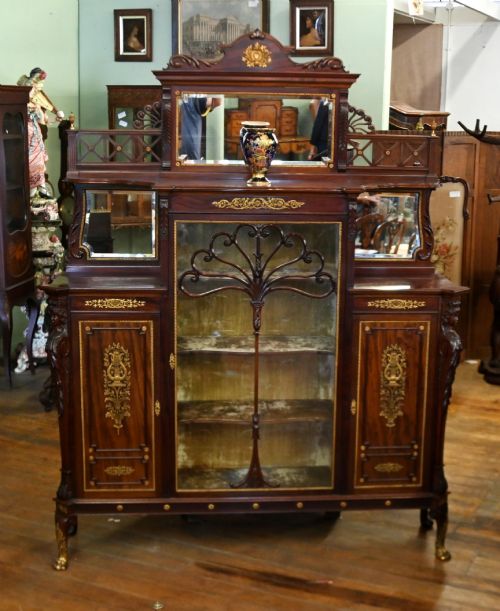
Ornate metal enrichment defines these items, utilising cast ormolu and gilt bronze mounts to accent corners, borders, and feet. Glazed panels are fitted into timber doors to enclose the interior shelves, occasionally paired with Sevres-style porcelain plaques or hand-painted lower panels.
French Cabinet with Glass Retail Price Guide 2026
Typical asking prices for french cabinet with glass among the pieces listed under this phrase on Sellingantiques today, from the lower quarter to the upper quarter. They describe what is for sale here now, not the wider market.
The furniture styles span Victorian productions alongside Louis XV and Louis XVI French revival aesthetic movements.
What varies in quality
The distinction between ordinary and exceptional pieces rests on the crispness of the ormolu casting and the complexity of the timber veneers. Kingwood and burr walnut figured grains display greater depth when selected by master cabinetmakers.
Signatures from established houses like François Linke or Maison Krieger elevate a piece through documented provenance and superior hand-chiselled bronze work. Integrated marble tops, painted panels, and serpentine curves demand advanced technical skill compared to flat-fronted walnut alternatives.
Maison Gagneau·François Linke·Maison Krieger
The French Cabinet with Glass Glossary
- Ormolu
- Gilded bronze applied as decorative mounts to furniture frames. This technique involves mercury gilding on brass or bronze substrates to create a lasting metallic sheen.
- Vernis Martin
- A simulated Japanese lacquer technique developed in eighteenth-century France and replicated in later revival pieces. It often incorporates delicate painted pastoral scenes on cabinet panels.
- Credenza
- A low cabinet form used for storage and display, frequently fitted with glass doors, marquetry inlay, and side cupboards. Victorian examples often incorporate central glazed sections flanked by curved end cabinets.
- Marquetry
- The art of applying pieces of veneer to a structural structure to form decorative patterns. Craftsmen utilise diverse timber tones to create floral or geometric designs across cabinet doors and surfaces.
- Vitrine
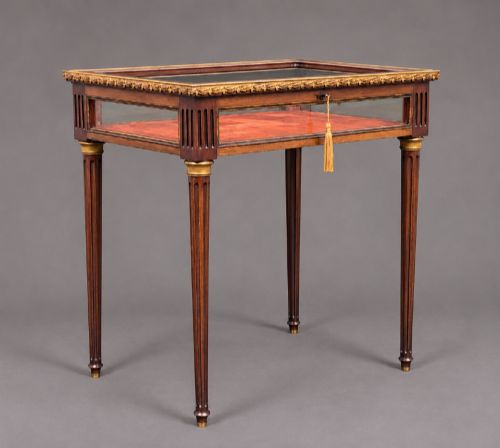
- A glass-fronted display cabinet intended for the exhibition of porcelain, glassware, or small antiquities. These pieces rely on glazed sides to maximise interior light transmission.
French Cabinet with Glass: Frequently Asked Questions
Where should I place a credenza?
A credenza suits dining rooms, reception halls, or living spaces where low profile furniture is required. Their flat tops provide surface space for lamps or decorative objects while interior shelves store tableware.
Because many examples feature finished backs or glazed side panels, positioning them to receive indirect light enhances the timber grain and internal displays.
How do I identify French revival styles?
French revival pieces adopt the decorative vocabulary of Louis XV or Louis XVI reigns. Look for asymmetrical curves, cartouche motifs, and naturalistic floral marquetry characteristic of rococo designs.
Later nineteenth-century makers reinterpreted these motifs using modern woodworking machinery alongside traditional hand-finishing. Ormolu mounts and serpentine marble tops help signal this continental influence.
Are marble tops original?
Marble tops on nineteenth-century cabinets are typically original to the piece, cut to follow the serpentine or rectangular contour of the timber carcase. They provided a luxurious, heat-resistant surface for serving or display.
Examining the underside reveals the fitting edge and matching wear patterns consistent with the age of the main structure.