

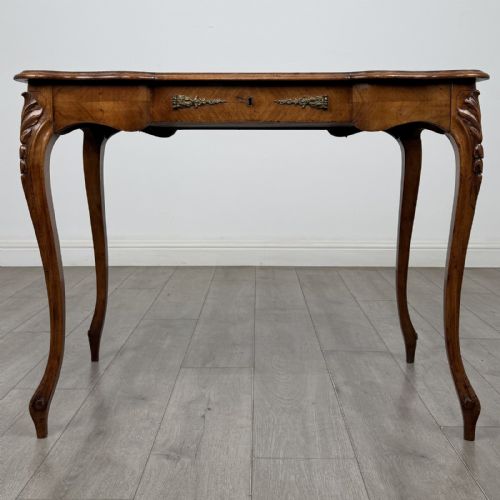
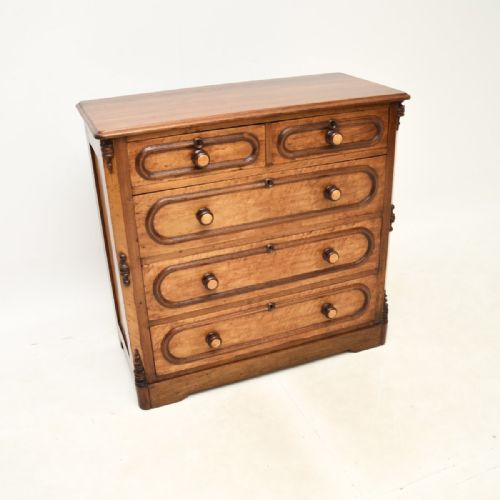
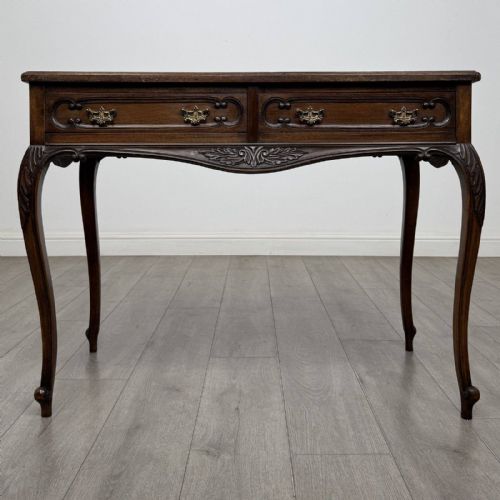
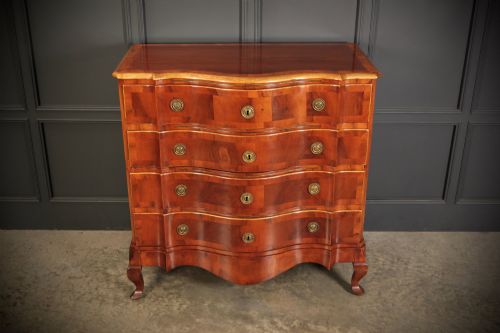

French Bureau Drawer
These french bureau drawer pieces combine practical writing surfaces with fitted storage, offering classic Continental elegance for any room.
French Bureau Drawer
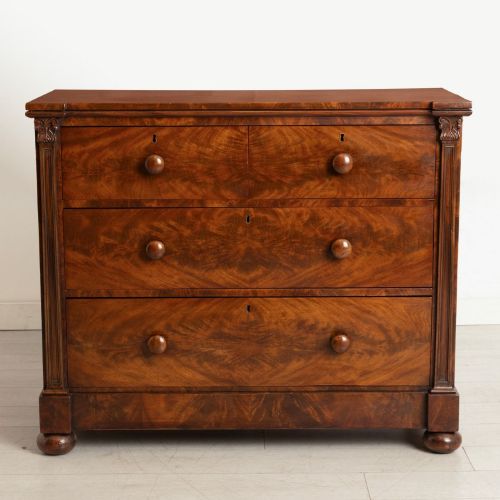
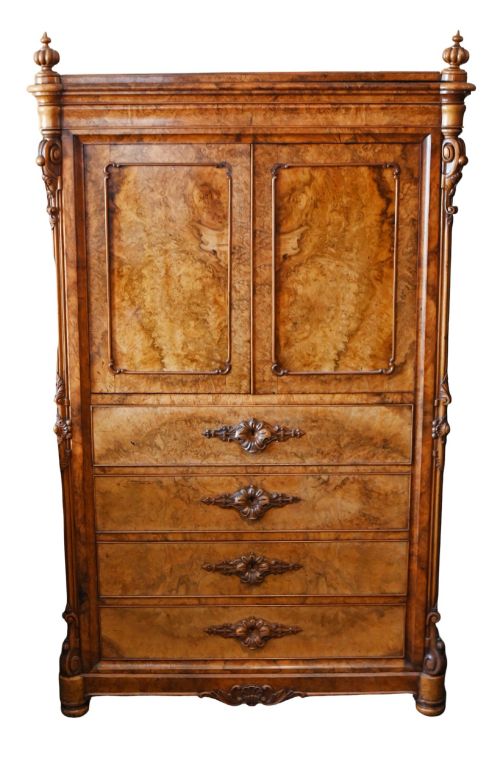
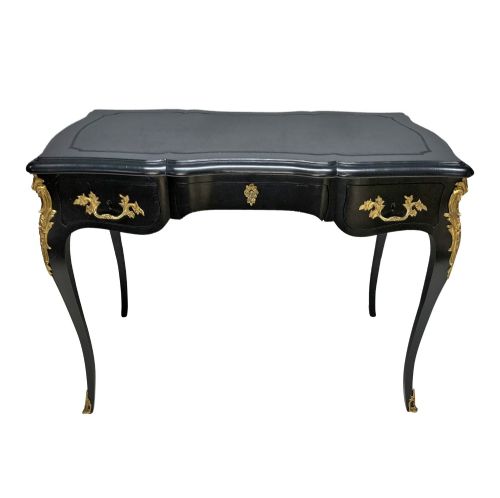
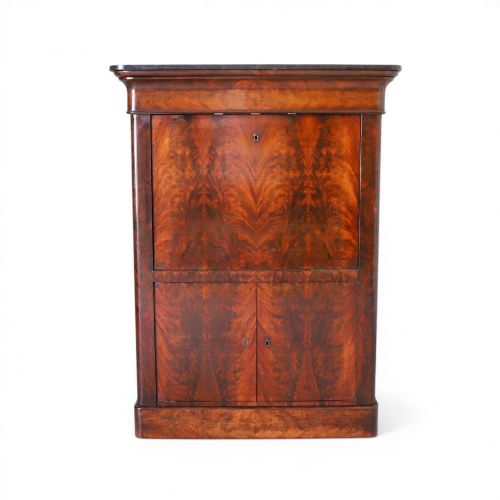
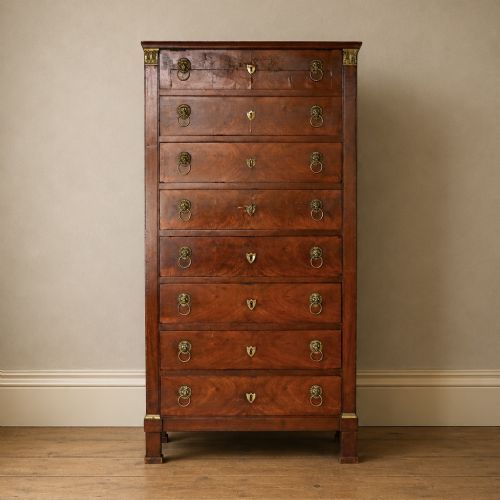
A french bureau drawer unites a writing surface with concealed or visible compartments, often taking the form of a secretaire chest, writing desk, or miniature chest of drawers. Buyers encounter pieces ranging from the 18th century through to the 19th century and later Revival periods.
The selection here encompasses diverse regional interpretations, from French Provincial and Louis XV Revival styles to Empire and Napoleon III designs. These objects function simultaneously as practical writing furniture and decorative statements.
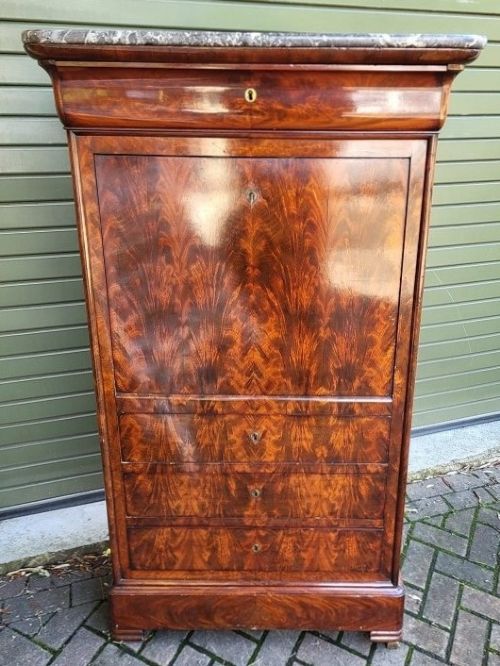
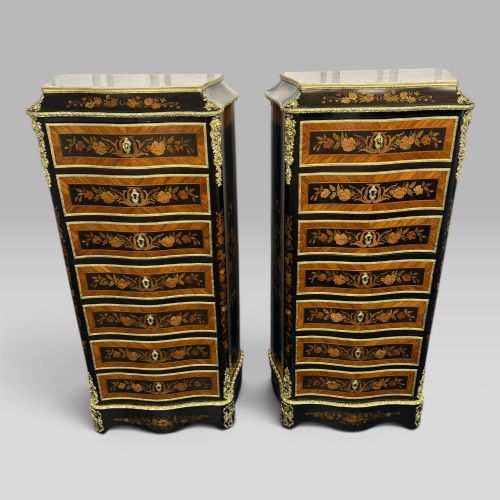
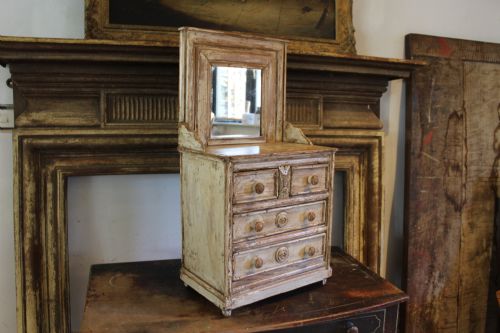
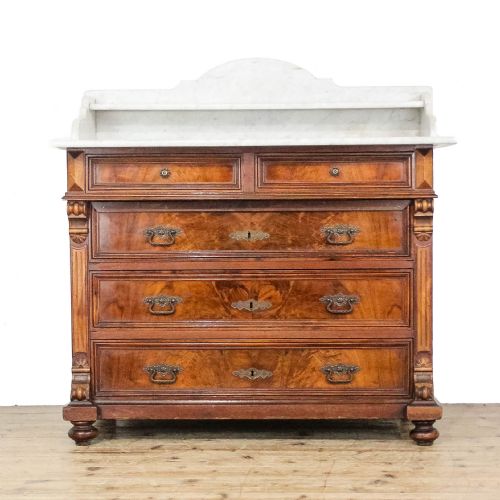
Forms vary from grand secretaire a abattant cabinets with marble tops to compact bureau du dame desks and apprentice miniature chests. Walnut, mahogany, and kingwood predominate among the construction materials.
How they were made
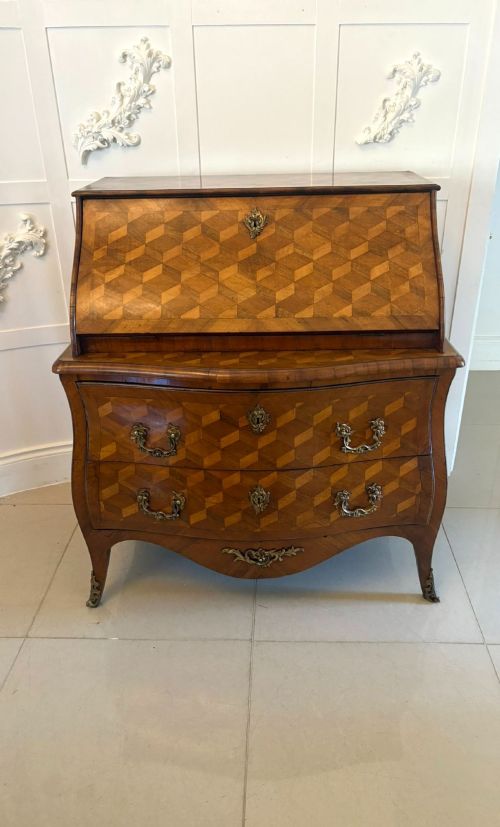
Cabinetmakers utilised rich timber veneers including kingwood, rosewood, tulipwood, and flame mahogany laid over sturdy foundational woods. Parquetry and marquetry geometric patterns adorn many surfaces, alongside intricate hand-carved details.
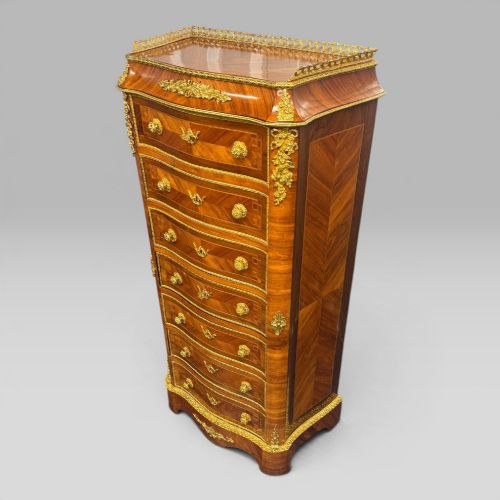
Metal ornamentation played a crucial role in finishing these pieces, with cast ormolu mounts and brass fittings accentuating key architectural lines. Marble tops provide a durable and luxurious upper surface on numerous secretaire cabinets.
Interior compartments frequently incorporate secret drawers, pigeonholes, and fitted writing slides operated by drop-front writing leaves or cylinder mechanisms.
French Bureau Drawer Retail Price Guide 2026
Typical asking prices for french bureau drawer among the pieces listed under this phrase on Sellingantiques today, from the lower quarter to the upper quarter. They describe what is for sale here now, not the wider market.
Listings feature 19th Century walnut, mahogany, and kingwood alongside 18th Century marquetry and parquetry pieces.
What varies in quality
The refinement of the timber veneers and the precision of the parquetry or marquetry inlay set superior examples apart from standard work. Selection of highly figured woods such as burr walnut or birds-eye maple indicates high-status execution.
The quality of the cast ormolu mounts and brass hardware demonstrates the original maker's investment in detail and finish. Crisp chasing on bronze or brass elements signals superior craftsmanship.
Structural integrity and the retention of original internal fittings, including secret drawers and leather writing inserts, determine the desirability of individual desks and chests.
Donald Ross
The French Bureau Drawer Glossary
- Secretaire a abattant
- A tall cabinet featuring a drop-front writing flap that conceals an interior of small drawers and pigeonholes.
- Ormolu
- Gilded bronze mounts used extensively for decorative trim and corner accents on 19th-century French furniture.
- Marquetry
- Decorative veneer work forming pictorial or geometric patterns using various coloured woods applied to the carcase.
- Bombe
- A swelling, outward-curving contour found on the sides and fronts of commodes and desks.
- Bonheur du jour
- A small, light ladies writing desk featuring a tiered superstructure with shelves or small drawers above the main work surface.
French Bureau Drawer: Frequently Asked Questions
What is a secretaire chest?
A secretaire chest combines the outward appearance of a standard chest of drawers with an integrated writing desk. The uppermost drawer typically drops down to reveal fitted compartments and a writing surface.
This clever dual-purpose design allowed owners to write letters and store correspondence securely without requiring a dedicated standalone writing table in smaller chambers.
How do I identify French Empire style?
French Empire furniture displays architectural severity, drawing inspiration from classical Roman and Greek forms. Look for dark mahogany timbers contrasted with bright ormolu mounts.
Designs favour symmetry, straight lines, and military or classical motifs rather than the curving ornamentation seen in earlier Louis periods.
Where were marble top desks used?
Marble top desks and cabinets appeared predominantly in formal reception rooms and high-status bedchambers across France. The stone surface offered protection against ink spills and damp items.
Today, these substantial stone slabs serve as durable, decorative focal points that contrast with warm timber veneers.
What are secret drawers?
Secret drawers are hidden compartments built into the interior architecture of bureaus and secretaire cabinets. They often require a sequence of steps to release, such as removing a false floor or pressing a concealed spring.
Cabinetmakers integrated these compartments to safeguard valuables, important documents, and private correspondence.