







French Bronze Showcase
A french bronze showcase brings nineteenth-century salon elegance into a room, offering glazed protection and ornate gilt metal mounts for treasured small objects.
French Bronze Showcase
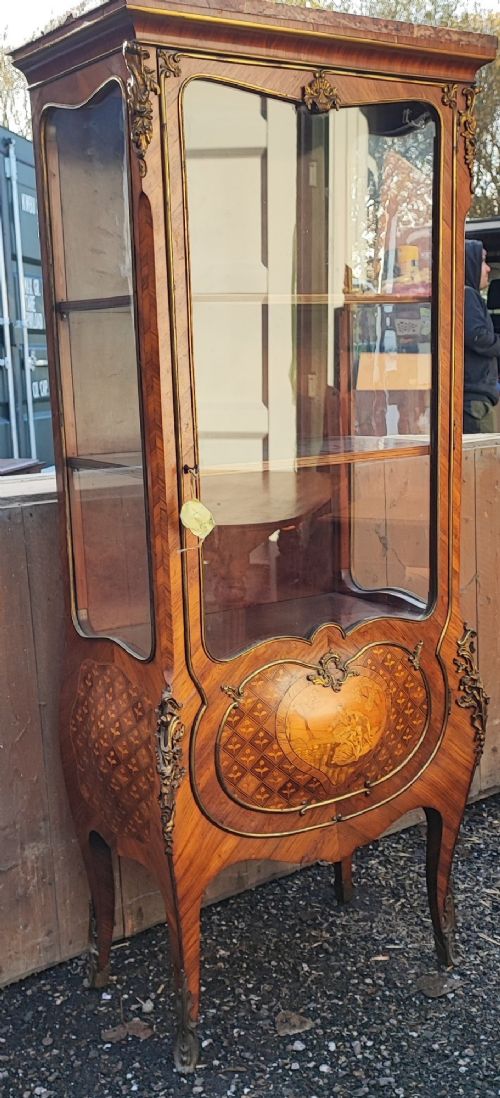
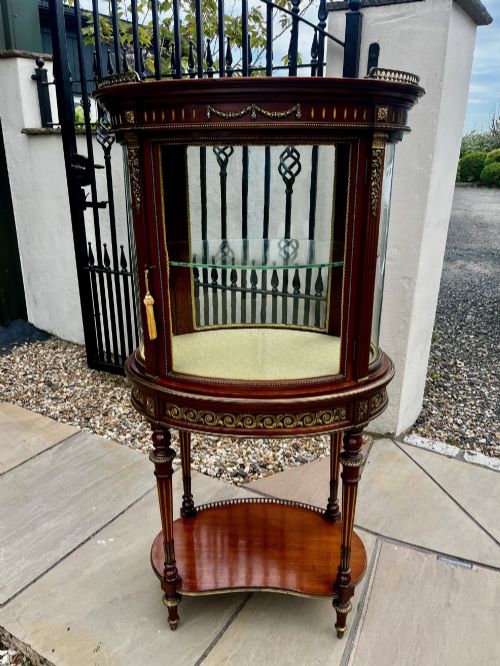
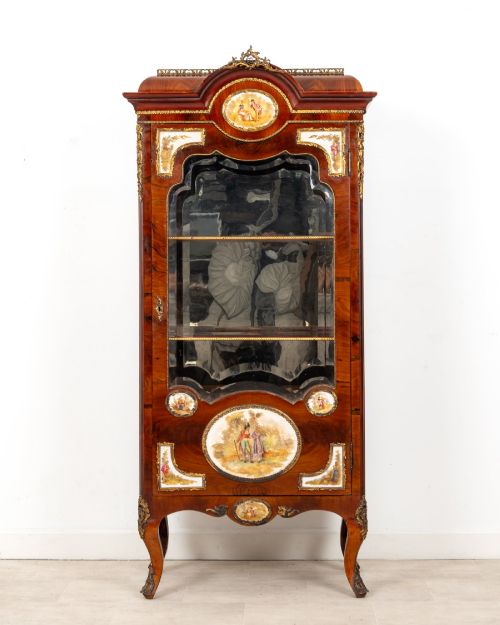
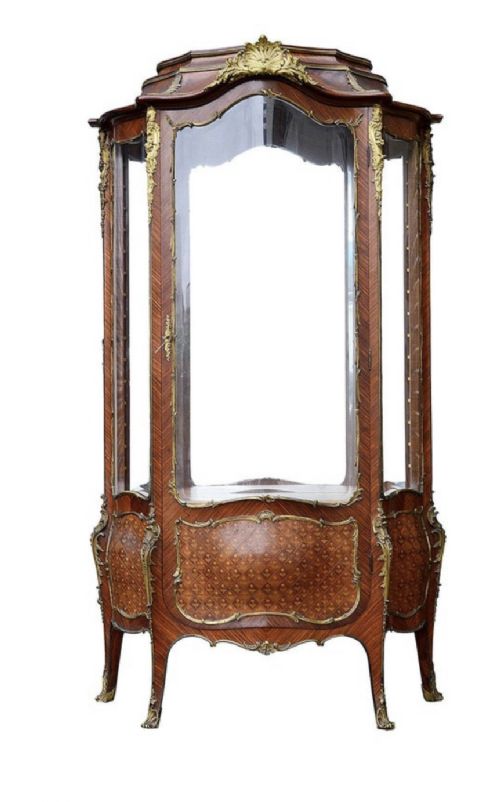
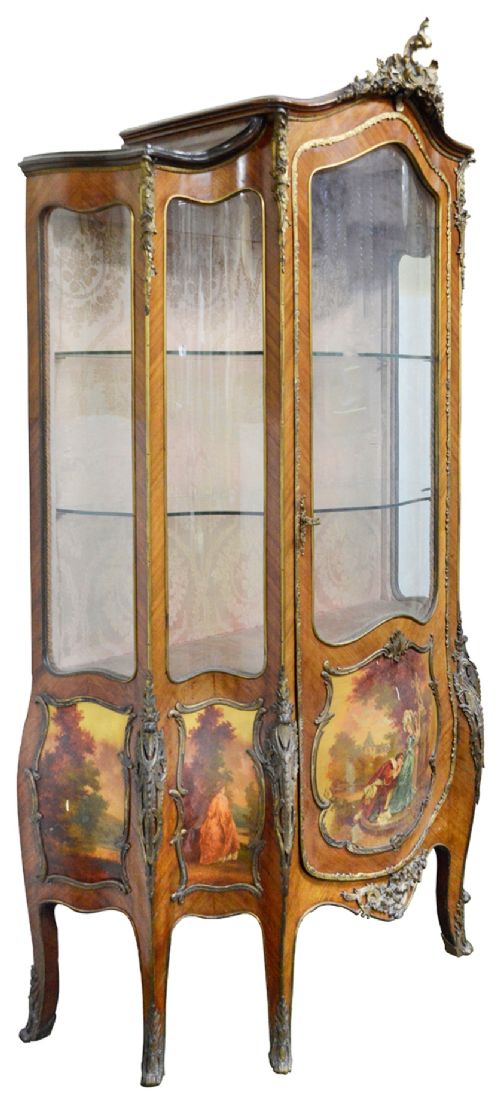
The most common forms encountered on this page are upright vitrines and table-top display cases dating between eighteen-sixty and nineteen-hundred. Walnut, mahogany, kingwood, and rosewood frequently form the primary structure, accented extensively with gilt-metal and ormolu mounts.
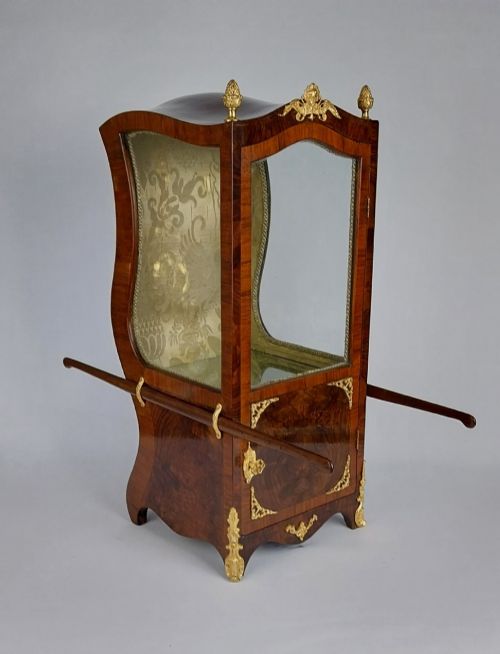
Makers and workshops of the period, including pieces attributed or linked to François Linke, produced variations ranging from intimate table-top sedan vitrines to substantial floor-standing cabinets. Each form reflects the revival tastes popular across nineteenth-century France.
Materials and construction
Cabinetmakers utilised dense cabinet timbers such as mahogany, walnut, kingwood, and rosewood as the structural foundation for these display cases. These woods were often veneered with precision to create smooth exterior surfaces ready for decorative mounts.
Gilt-metal and ormolu mounts were cast and applied to corners, legs, and cornices to define the revival styles. Glass panes were fitted into doors and tops, sometimes accompanied by fabric or velvet linings inside the display area.
Specialised decorative techniques such as Vernis Martin lacquer work appear on specific cabinets, adding painted panels alongside the gilded bronze ornamentation.
French Bronze Showcase Retail Price Guide 2026
Typical asking prices for french bronze showcase among the pieces listed under this phrase on Sellingantiques today, from the lower quarter to the upper quarter. They describe what is for sale here now, not the wider market.
Materials appearing across the inventory include glass, ormolu, kingwood, mahogany, marble, fabric, velvet, and walnut.
Distinctions in execution
The precision and weight of the ormolu mounts separate exceptional pieces from standard production. Finely chased bronze details demonstrate sharper relief and deeper hand-chiselling after casting.
Cabinetmaking joinery and timber selection dictate the integrity of the structure. Selected veneers, matched wood grains, and the integration of marble tops mark superior examples.
Attribution to documented makers such as Linke or the presence of finely executed Vernis Martin painted panels elevates the historical standing of a showcase.
The French Bronze Showcase Glossary
- Vitrine
- An enclosed glass cabinet designed for displaying porcelain, silver, and curiosities. These pieces often feature glazed sides and doors to maximise light penetration.
- Ormolu
- Gilded bronze used extensively for decorative mounts on nineteenth-century French furniture. The surface finish is achieved through mercury amalgamation or electroplating.
- Bijouterie table
- A low display table with a glass top and glazed sides, built specifically for showcasing jewellery and small decorative objects.
- Vernis Martin
- A simulated Japanese lacquer technique developed in France during the eighteenth century and revived in the nineteenth century. It uses multiple layers of varnish to protect painted pastoral scenes.
- Louis XVI Style
- A neoclassical design aesthetic characterised by straight lines, symmetrical proportions, and classical motifs such as fluted columns and ribbon twists.
French Bronze Showcase: Frequently Asked Questions
What is a french bronze showcase used for?
These pieces were originally designed to exhibit porcelain, miniature portraits, and valuable personal collections safely while keeping them visible in drawing rooms and salons.
Today, they serve the same function in domestic interiors, providing secure, dust-free display space for collections of small antiques.
How do I date a nineteenth-century vitrine?
Dating relies on identifying the combination of wood veneers, mounting techniques, and revival styles present in the construction. Pieces from the eighteen-sixties often display robust proportions, whereas those from eighteen-ninety toward nineteen-hundred frequently incorporate lighter ormolu detailing and specific revival interpretations.
Makers' signatures, where present, help narrow the chronology to specific decades of production.
What is the difference between a vitrine and a bijouterie table?
A vitrine is typically an upright, floor-standing cabinet with vertical glass doors and multiple internal shelves for taller objects. A bijouterie table is low-set, presenting items horizontally beneath a hinged or liftable glass top.
Both types utilise glazed panels, but their silhouettes serve different spatial requirements within a room.