
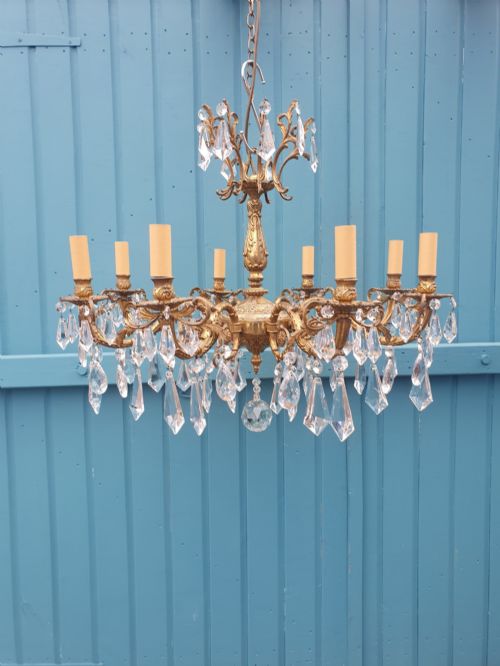
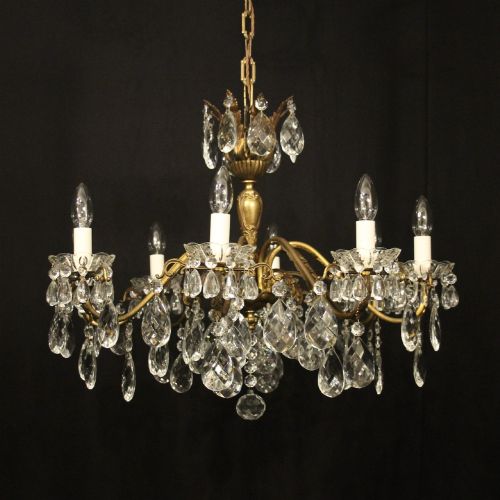
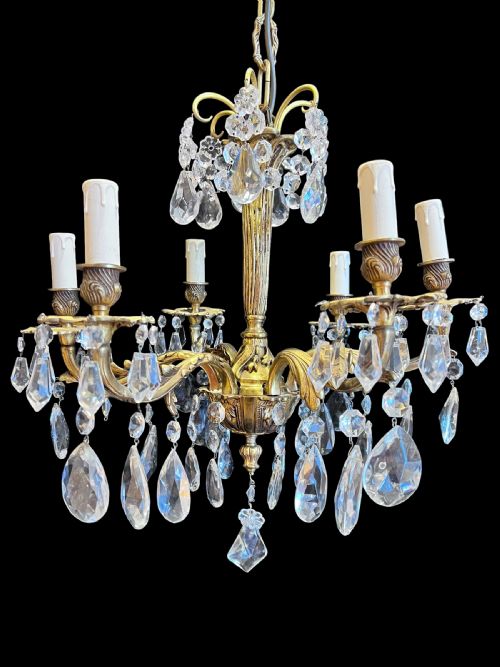
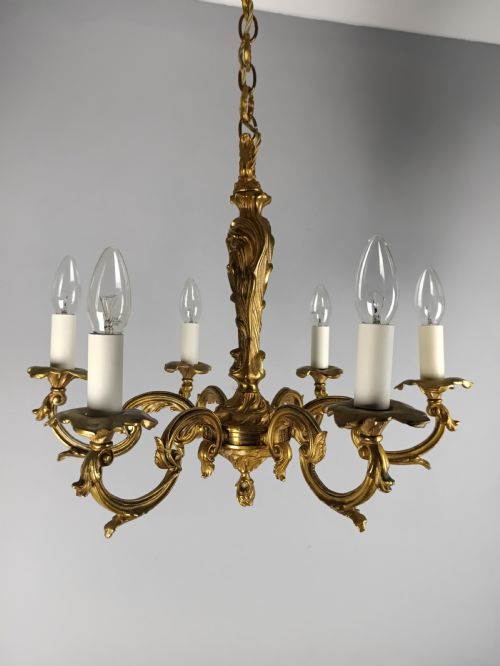
French Bronze Pendant Fixture
A French bronze pendant fixture brings historical elegance and warm illumination to high ceilings.
French Bronze Pendant Fixture
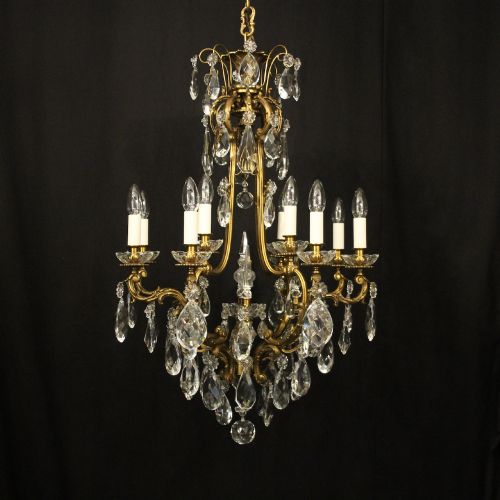
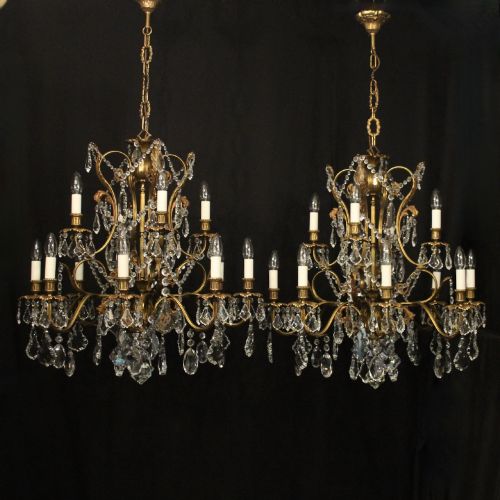
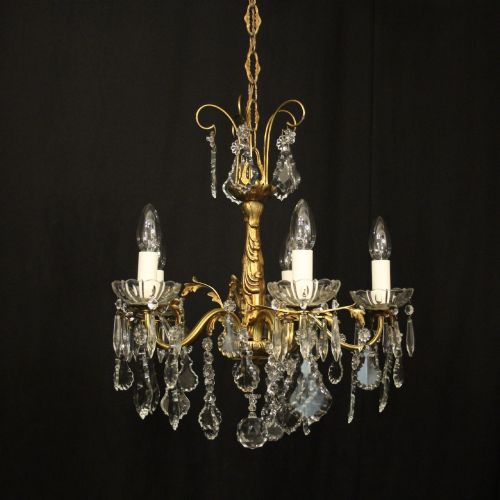
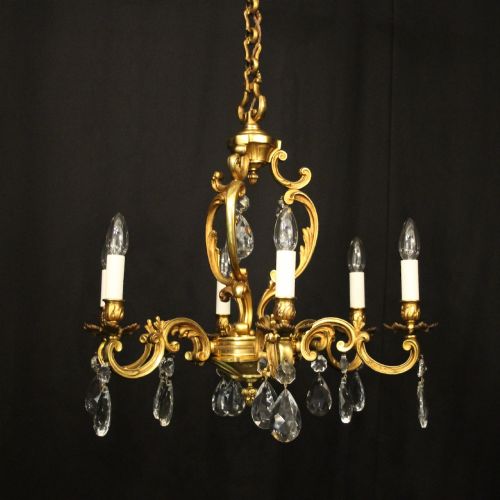
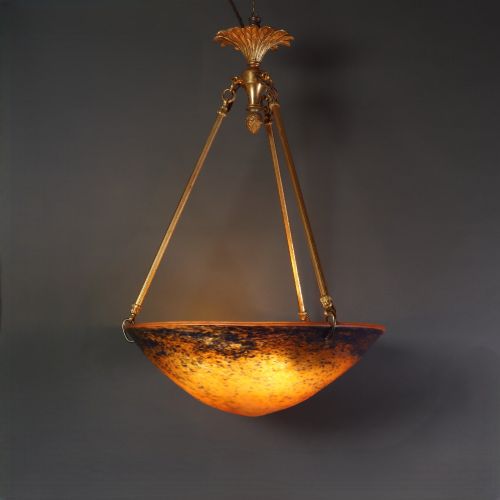
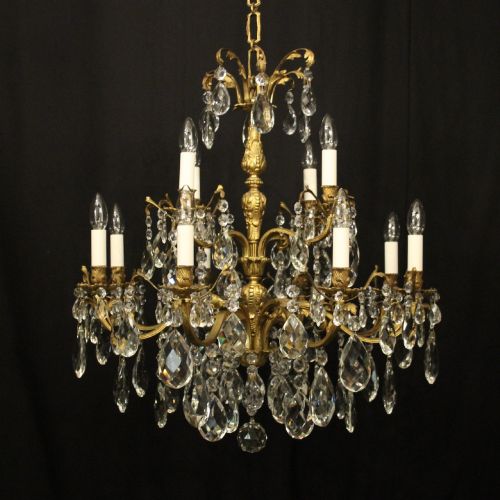
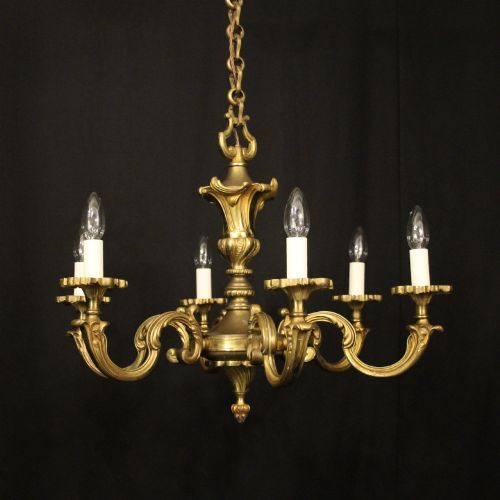
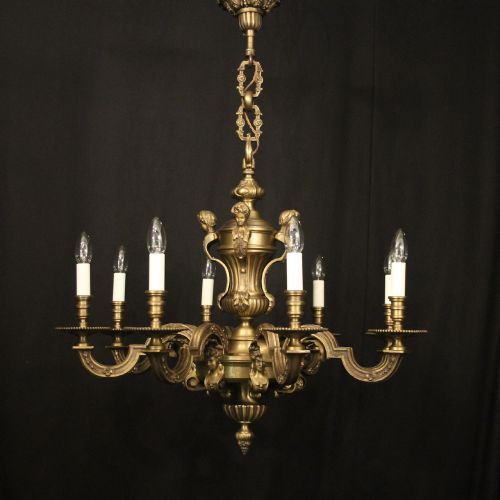
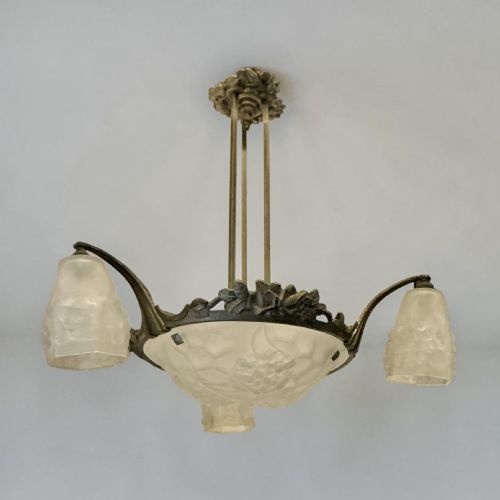
A french bronze pendant fixture encompasses hanging ceiling lights, lanterns, and multi-armed chandeliers originating from periods spanning the nineteenth century to the early twentieth century. Buyers seek these items to introduce decorative metalwork and period character into a room.
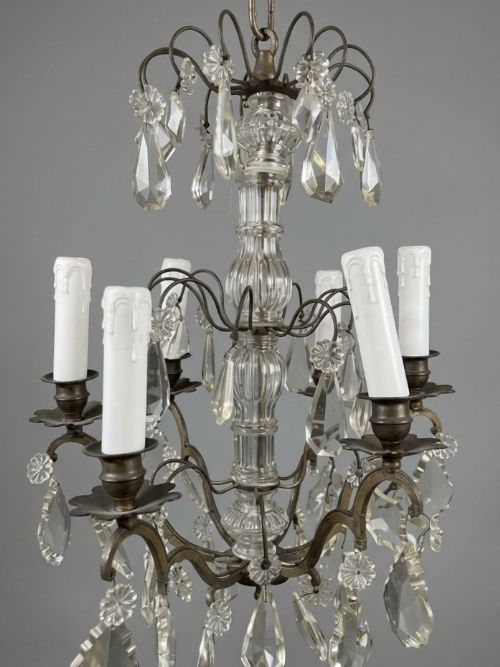
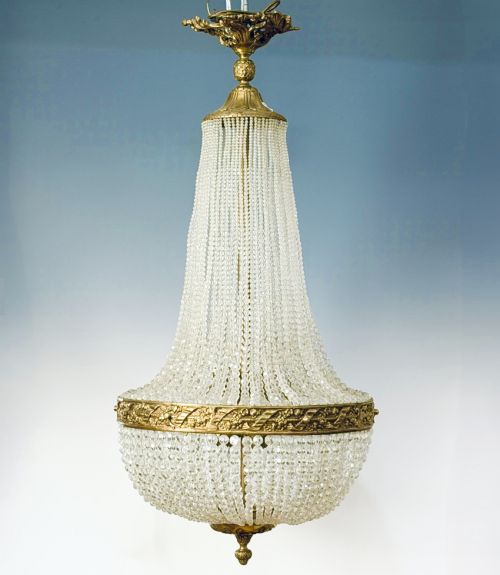
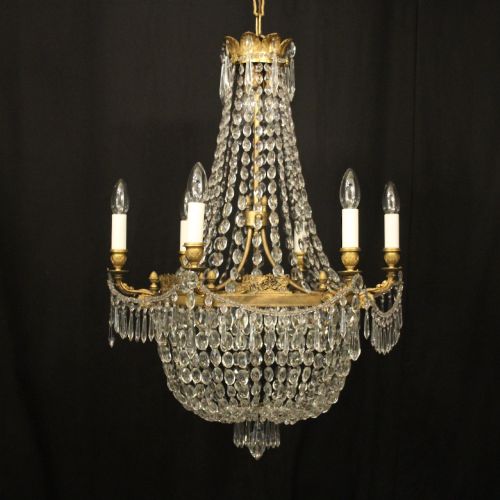
The selections on this page concentrate heavily on early twentieth-century examples alongside nineteenth-century pieces, reflecting styles such as Empire, Neoclassical, and various Louis revivals. Forms range from compact four-light lanterns to grand tent and waterfall chandeliers with numerous branches.
Most entries utilise cast metal frames paired with glass or crystal drops, suspended by chains or rods from central ceiling mounts. These fixtures serve both functional lighting roles and decorative focal points within traditional interiors.
Materials and construction methods
Foundries cast these fixtures primarily in bronze, brass, or spelter, frequently applying gilt or silvered surface treatments to enhance reflection. Artisans then integrated cut glass crystals, crystal spikes, and alabaster bowls to diffuse the light.
Frames incorporate detailed ornamentation such as leaf decorations, flying cherubs, and lyre motifs, assembled with threaded rods and pins. Wiring was often added later to convert candle-burning or gas fixtures for electricity.
Several flying cherubs hold up glass crystal spikes, ensuring your ceiling gazers remain eternally busy.
Factors determining quality
The definition and depth of the metal casting separate standard production pieces from finer works, particularly where hand-chased details and crisp foliage motifs are concerned. Heavier gauge metalwork maintains rigidity across larger multi-light configurations.
The quality of the glass and crystal elements dictates how effectively the fixture refracts light. Intact prisms, uniform cutting, and original mercury gilding or fire-gilt surfaces elevate the overall integrity of the piece.
The French Bronze Pendant Fixture Glossary
- Bronze
- An alloy of copper and tin utilised for casting structural arms and decorative mounts. It provides substantial weight and durability to hanging light fixtures.
- Gilt bronze
- Bronze metal coated with a thin layer of gold, often referred to as ormolu in finer decorative contexts. This treatment produces a bright, enduring metallic lustre.
- Tent and waterfall chandelier
- A lighting form featuring strings of crystal beads forming an upper tent shape above a cascading waterfall of further drops. This design maximises light refraction from internal candle branches.
- Hall lantern
- A closed or semi-enclosed hanging light fixture designed primarily for corridors and entrance spaces. These typically utilise glazed convex or flat glass panels within a metal frame.
- Spelter
- A zinc-based alloy used as a cost-effective substitute for bronze in certain decorative castings. It accepts gilt finishes similarly to copper alloys while maintaining a lighter weight.
French Bronze Pendant Fixture: Frequently Asked Questions
How do I hang a heavy antique chandelier?
Hanging a heavy metal fixture requires anchoring directly into ceiling joists or installing a dedicated steel brace box capable of supporting the total weight. Professional electricians or structural installers should handle the suspension wiring and load-bearing assessment.
Lowering the fixture to the correct height above furniture ensures proportional balance within the room while maintaining adequate clearance underneath.
Can these fixtures be wired for modern electricity?
Most antique hanging lights have already undergone conversion from candles or gas to electricity during their lifespan. Rewiring older brass and bronze frames ensures compliance with current electrical safety standards.
Qualified technicians can thread modern internal flex through the original central tubes without altering the exterior appearance of the metalwork.
How do I clean crystal and bronze fixtures?
Dusting metal surfaces regularly with a soft, dry cloth prevents the accumulation of grime on gilt and dark bronze finishes. Avoid harsh chemical cleaners that can strip surface gilding.
Crystal drops and glass plates can be washed individually in warm soapy water before being dried thoroughly and reattached to the frame.
How do I identify the period of a fixture?
Dating relies on examining stylistic indicators such as Empire motifs, Neoclassical symmetry, or Rococo revival curves alongside the manufacturing techniques visible in the casting. Fasteners, wiring channels, and solder points also offer clues regarding age.
Comparing the specific arrangement of arms, bobeches, and crystal types against established design eras helps narrow down the decade of production.