

French Bronze Hanging Light
A french bronze hanging light brings heavy metalwork and clear glass together overhead, anchoring a room with period proportion and warm illumination.
French Bronze Hanging Light
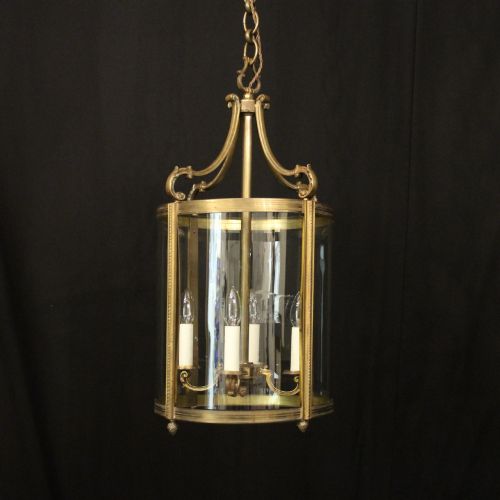
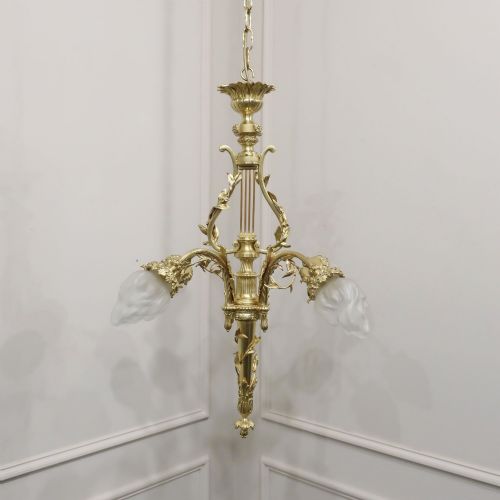
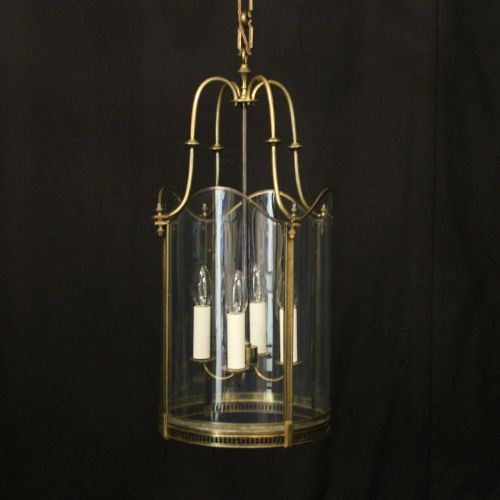
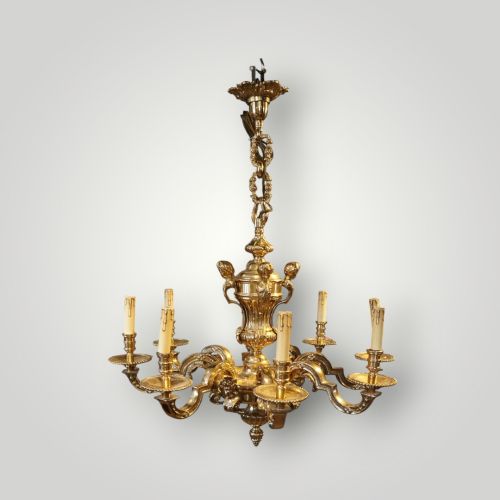
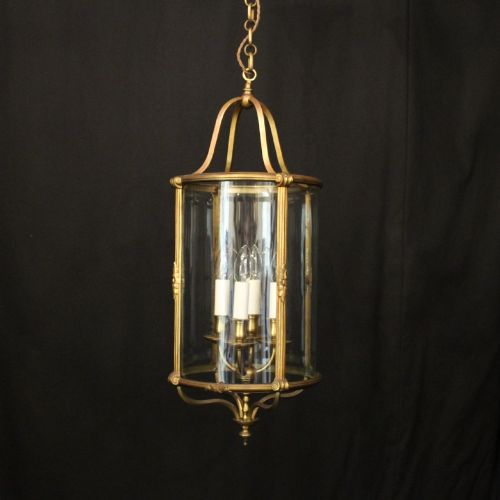
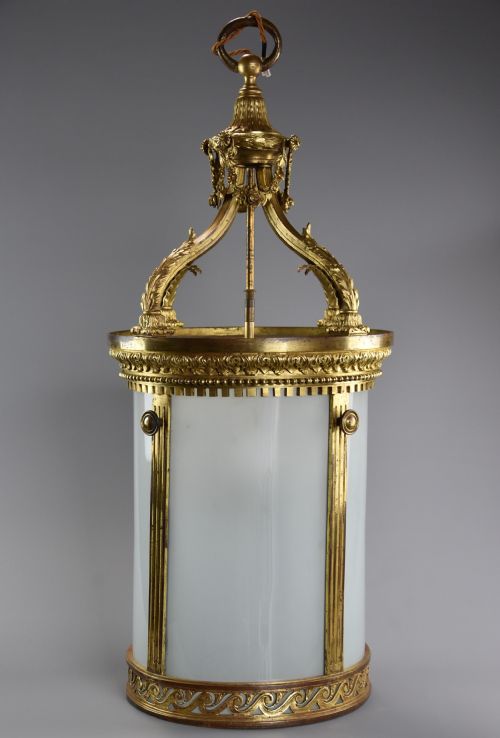
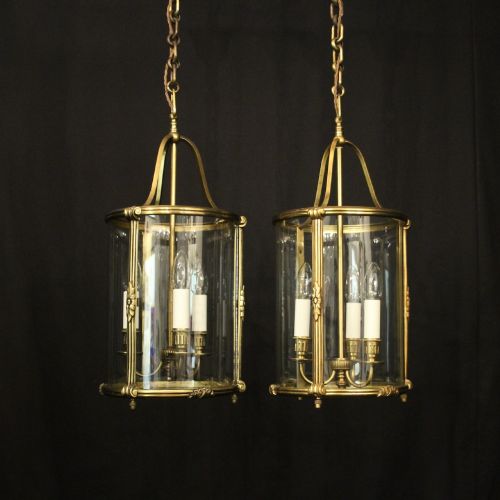
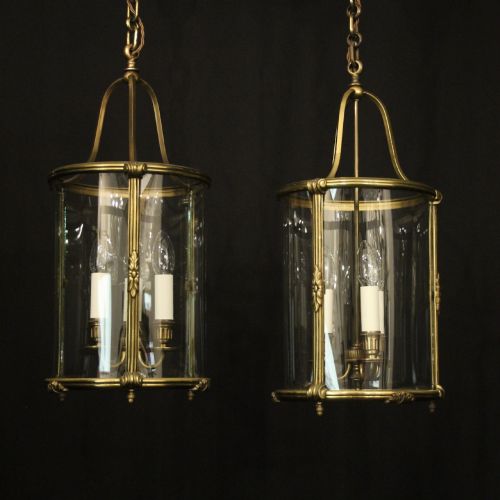
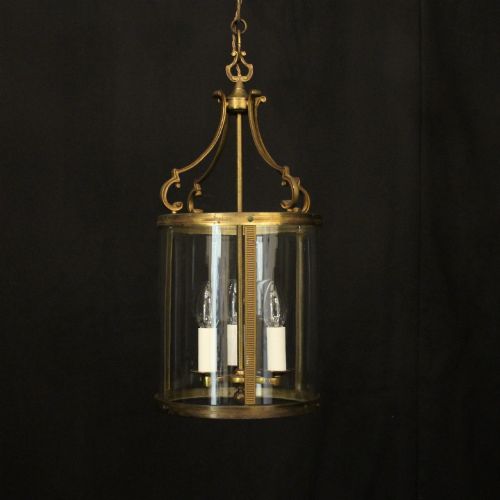
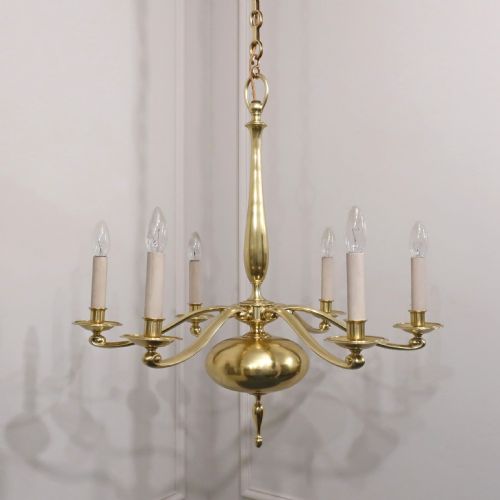
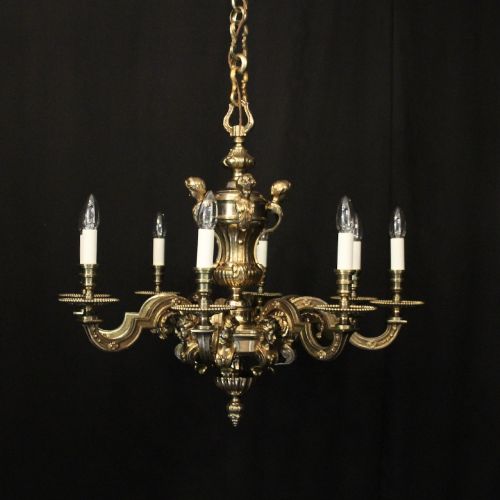
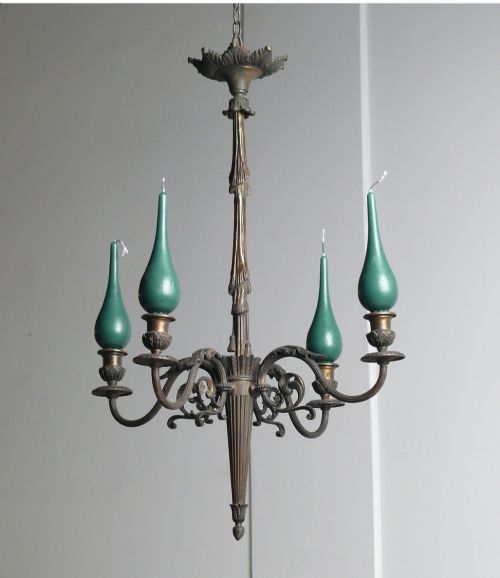
A french bronze hanging light takes the form of multi-armed chandeliers, single-light pendants, and glazed hall lanterns designed to suspend from ceilings. Buyers encounter these fixtures in styles ranging from early nineteenth-century Empire and Neoclassical designs to later Art Nouveau forms.
The objects span production dates from the late nineteenth century through the early decades of the twentieth century. Hall lanterns and multi-light chandeliers dominate the selection, often carrying elaborate cast metal frames.
Materials and construction
Foundry workers cast frames in bronze, brass, or ormolu, applying gilding or silvering directly to the metal surface. Glass elements appear as convex panels, bevelled panes, or cut crystal drops suspended from the metal armature.
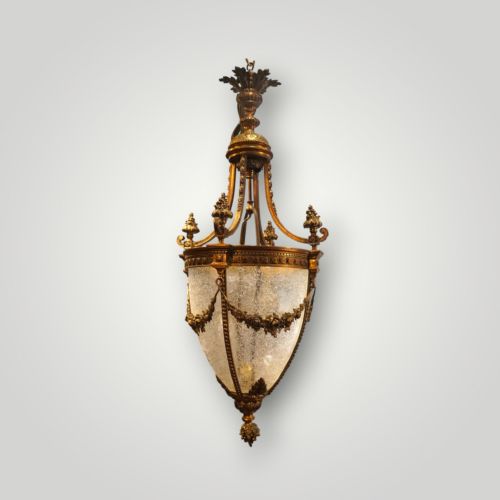
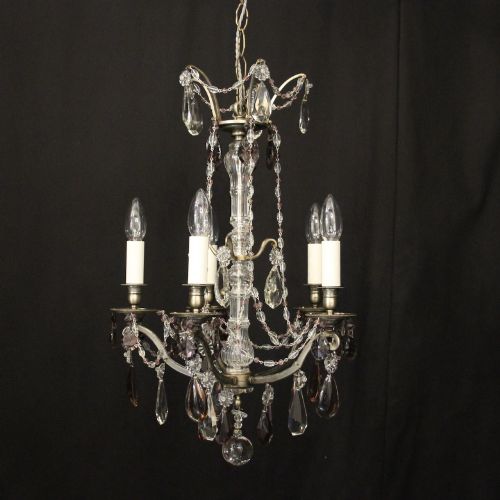
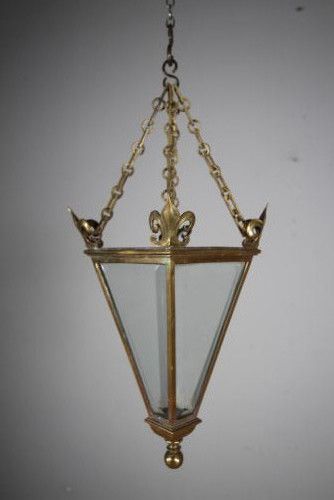
Makers shaped the metal into architectural motifs such as lyres, hexagonal lanterns, and tiered branches. Clear and coloured crystals take the form of amber and mauve fruits, grapes, apples, and pears to catch the light.
Certain chandeliers substitute standard crystal drops for glass fruits including grapes, apples, and pears.
Assessing quality in hanging lights
Superior examples show crispness in the metal casting, particularly where acanthus leaves, classical urns, or foliate scrolls ornament the bronze frame. Weight and rigidity in the primary metal structure distinguish robust frames from lighter assemblies.
The quality of the glass components also sets pieces apart, seen in thick bevelled edges on lantern panels or hand-cut facets on crystal drops. Gilding depth and even coverage across complex bronze surfaces indicate skilled workshop finishing.
G.E.C
The French Bronze Hanging Light Glossary
- Ormolu
- Gilt bronze produced by applying a mercury and gold amalgam to a bronze base and heating it until the mercury vaporised. This finish yields a durable golden sheen common on French decorative metalwork.
- Bevelled glass
- Glass panes with edges ground and polished at an angle to catch and refract light. Such panels appear frequently in enclosed hall lanterns.
- Chandelier
- A branched, ceiling-mounted lighting fixture designed to hold multiple light sources. These fixtures often incorporate glass drops or crystal strands.
- Hall lantern
- An enclosed hanging light designed for corridors, vestibules, and entrance spaces. The design protects the flame or bulb behind glass panels set within a metal frame.
- Empire style
- A Neoclassical design movement drawing on ancient Roman, Greek, and Egyptian motifs. Lighting from this period utilises strict symmetry, military trophies, and classical proportions.
French Bronze Hanging Light: Frequently Asked Questions
Where should I hang a hall lantern?
Hall lanterns suit entranceways, corridors, and high-ceilinged landings where vertical space allows them to hang freely.
Their enclosed glass design protects the light source while casting illumination across adjacent walls.
How do I date a bronze chandelier?
Dating relies on stylistic details, such as the flowing organic lines typical of Art Nouveau or the strict symmetry found in Empire pieces.
Cast metal techniques and the cut of any accompanying crystal drops also offer clues to the period of manufacture.
Can these lights use modern bulbs?
Most antique fixtures accept standard modern candle-style lamps or low-voltage bulbs once wired to current safety standards.
Rewiring should be carried out by a qualified electrician to ensure the internal candle tubes and lamp holders comply with local regulations.
What is the difference between gilt bronze and ormolu?
Gilt bronze is a broad term for bronze given a thin layer of gold through various chemical or mechanical processes.
Ormolu specifically describes the historical fire-gilding technique using a mercury-gold amalgam favoured by French bronziers.