


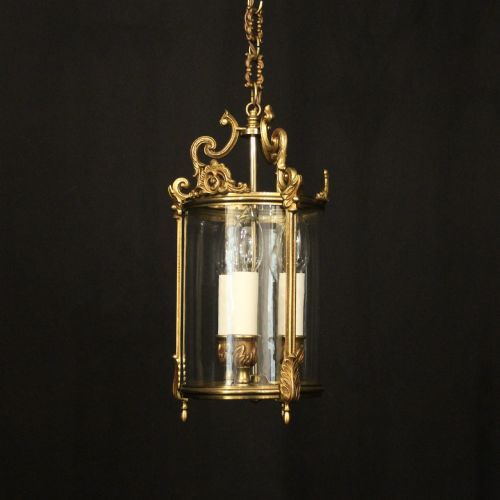
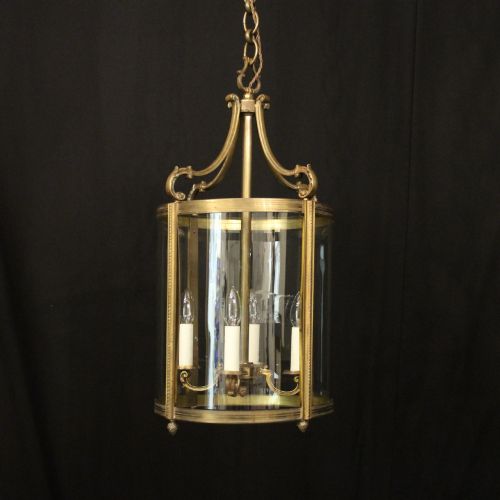
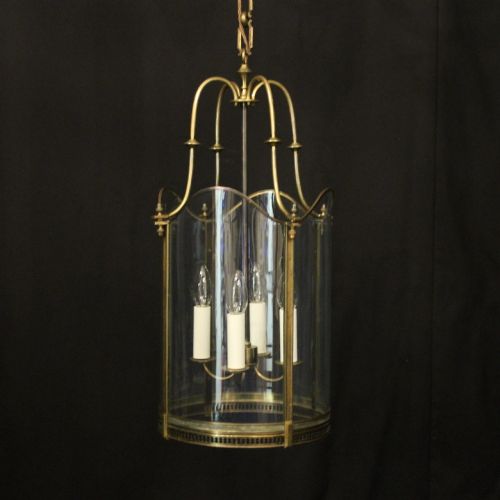
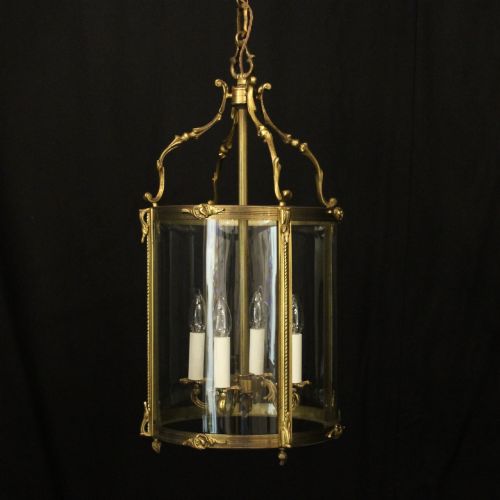


French Bronze Hanging Lantern
A French bronze hanging lantern brings classical proportion and warm illumination to an entrance hall.
French Bronze Hanging Lantern
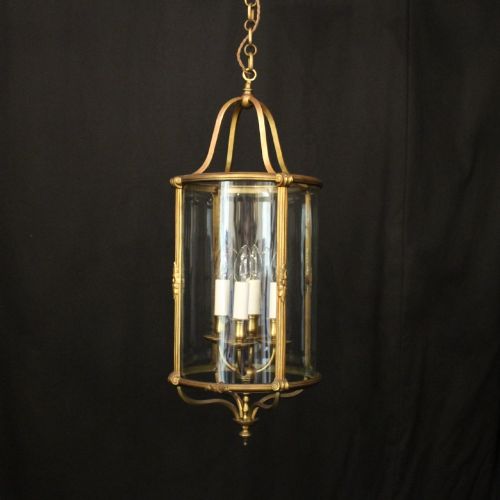
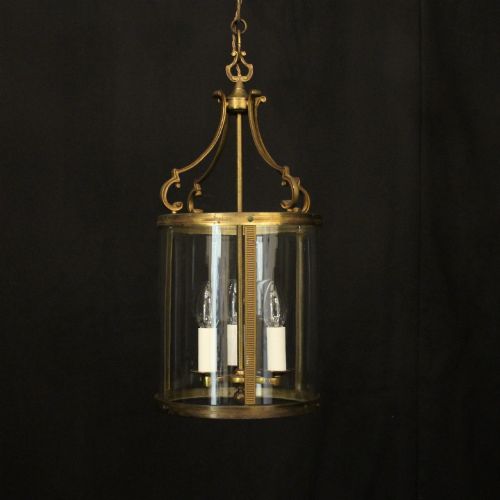
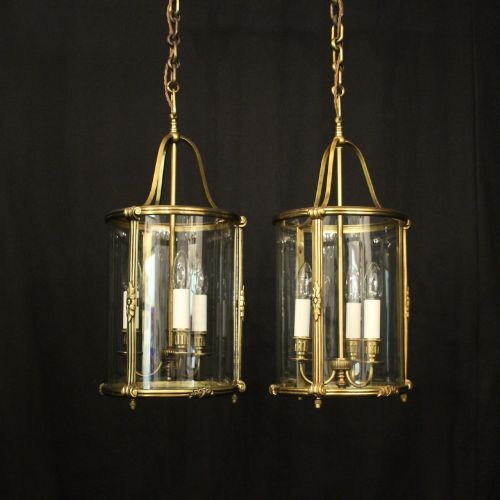
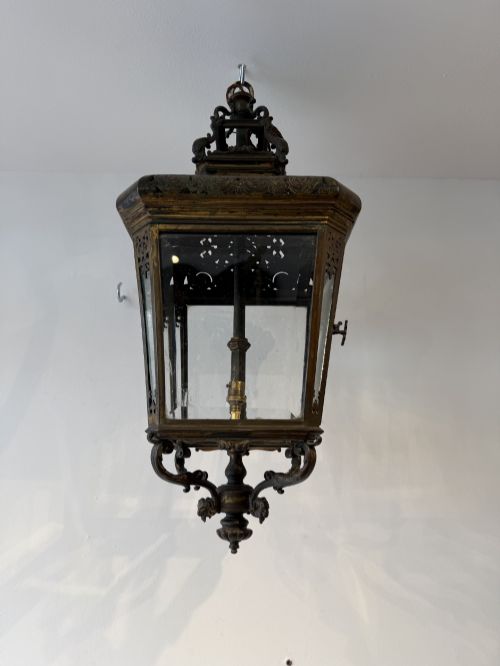
A French bronze hanging lantern serves as a primary decorative and functional light fixture, most frequently encountered in hall lanterns, pendant lights, and ceiling lights. These pieces originate across the nineteenth and early twentieth centuries, spanning periods from the 1880s through to the 1930s.
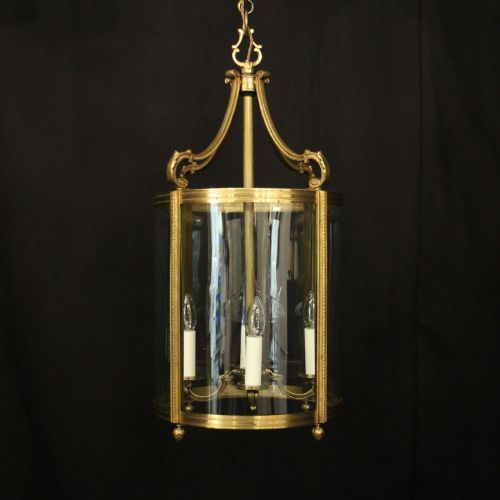
The aesthetic draws heavily on traditional French design vocabulary, encompassing styles such as French Rococo, French Neoclassical, and French Louis XVI style. Examples range from simple single-light configurations to substantial multi-light fixtures holding up to four bulbs.
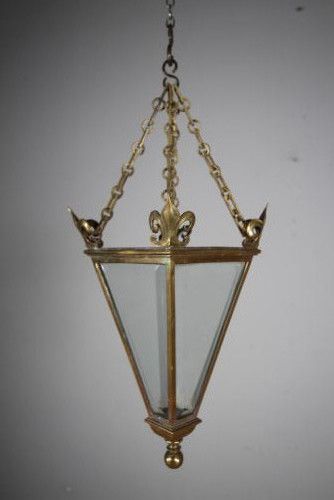
Makers and designers often looked to historic precedents, producing pieces after the lanterns found in the Palace of Versailles or within French chateaux. Forms vary from circular and hexagonal shapes to convex glass panels that diffuse the internal light.
How they were made
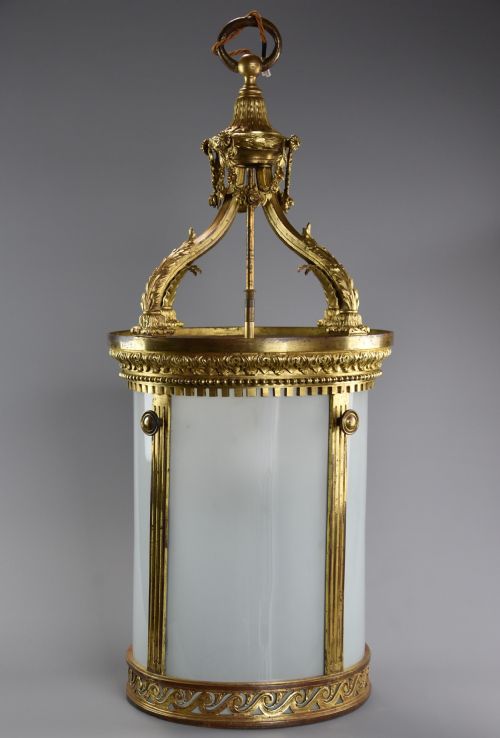
Construction relies upon metal casting, utilising bronze, gilt bronze, gilded bronze, brass, gilt brass, and ormolu to form the structural framework. These metal mounts are cast, chased, and occasionally silver-gilded to achieve a refined surface finish.
Glazing is integral to the construction, employing clear glass, bevelled glass, etched glass, and occasionally coloured crystal. Individual panes are fitted tightly into the metal armature, often following curved or convex profiles to catch the light from multiple angles.
French Bronze Hanging Lantern Retail Price Guide 2026
Typical asking prices for french bronze hanging lantern among the pieces listed under this phrase on Sellingantiques today, from the lower quarter to the upper quarter. They describe what is for sale here now, not the wider market.
Listings span the nineteenth and early twentieth centuries, featuring materials such as gilded bronze, brass, etched glass, and coloured crystal.
What varies in quality
The refinement of the cast metal ornamentation dictates much of the distinction between standard and superior examples. Finer pieces display crisp chasing on the bronze and ormolu mounts, with intricate floral, neoclassical, or architectural detailing that remains sharp.
Glass selection and execution further separate the tiers, particularly where heavy bevelled plates or complex etched patterns are utilised instead of plain flat glass. The weight and gauge of the bronze frame itself contribute to the overall substance and integrity of the fixture.
The French Bronze Hanging Lantern Glossary
- Ormolu
- Gilded bronze, where a finely ground gold-mercury amalgam is applied to a bronze object and heated until the mercury vapourises, leaving a rich gold coating.
- Convex glass
- Curved glass panels that project outward, designed to soften the interior light distribution and add visual depth to the lantern profile.
- Louis XVI style
- A neoclassical aesthetic characterised by straight lines, symmetry, classical urn motifs, and restrained ornamentation popular in French decorative arts.
- Bevelled glass
- Glass panes with angled edges cut around the perimeter, catching and refracting light to create a decorative prismatic effect.
- Rococo revival
- A nineteenth-century revival of the asymmetrical, exuberant scrollwork and naturalistic plant motifs typical of the mid-eighteenth-century French court.
French Bronze Hanging Lantern: Frequently Asked Questions
Where should I hang a bronze lantern?
These fixtures suit entrance halls, vestibules, and high-ceilinged stairwells where their downward illumination and decorative metalwork can be viewed from multiple angles. Their scale makes them particularly effective as a central focal point in transitional spaces.
Ensure adequate ceiling height for the drop of the lantern, allowing sufficient clearance beneath the lowest point of the glass and frame for comfortable passage.
How do I date an antique lantern?
Dating relies upon stylistic markers, casting techniques, and the type of glass used within the frame. Nineteenth-century examples often feature heavier bronze casting and hand-bevelled glass, whereas pieces from the 1920s and 1930s can display cleaner lines associated with later interpretations of classic French styles.
Examine the construction of the joints and suspension loops, as manufacturing methods shifted from hand-finished components to more standardised production over time.
Can these lanterns be rewired?
Most antique lanterns require modern electrical rewiring to meet contemporary safety standards before installation in a home. Professional electricians can adapt the internal lamp holders while preserving the original bronze or brass wiring tubes and suspension chains.
Retaining the original canopy and chain maintains the aesthetic integrity of the fixture while ensuring the electrical components are safe and functional.
How do I clean gilded bronze?
Dust the metalwork gently with a soft, dry cloth to prevent the accumulation of grime on the gilded surfaces. Avoid abrasive cleaners, polishes, or chemical solvents that can strip the delicate gilt layer from the bronze underneath.
Glass panels can be removed carefully for cleaning with standard glass cleaner, provided they are dried thoroughly before being refitted into the metal frame.