





French Bread Table
These french bread table examples combine rustic provincial utility with ingenious sliding boards, offering genuine antique character for modern dining spaces.
French Bread Table
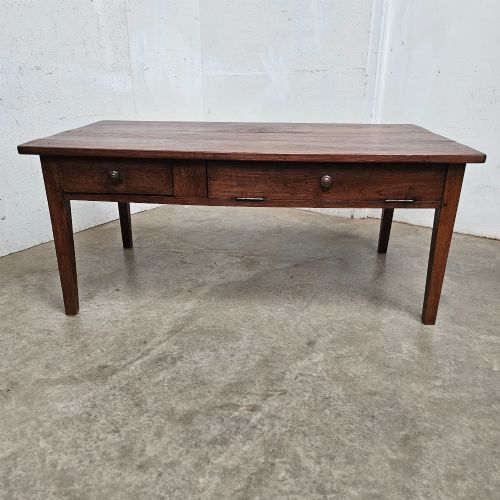
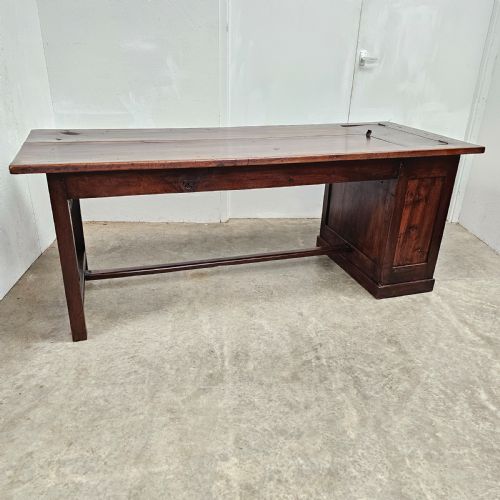
The prevailing forms on this page span from nineteenth century cherrywood and walnut dining tables with cabriole legs to utilitarian bread prep tables featuring two-board tops. These pieces originate primarily from nineteenth century French provincial and rustic farmhouse traditions.
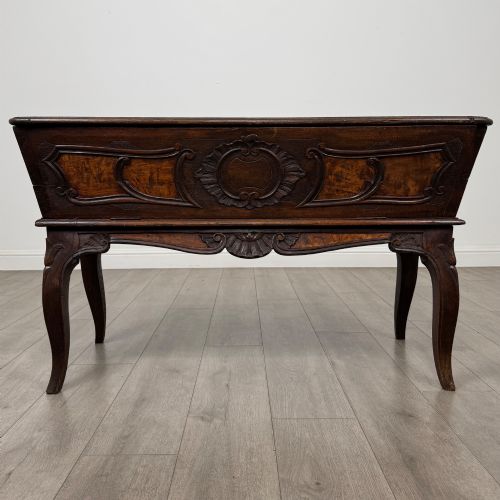
Alongside tables, the listings include related domestic items such as nineteenth century walnut and elm dough bins, plus twentieth century silver plated Art Deco bread baskets. This mix reflects both the heavy timber furniture of the countryside and later metalware serving pieces.
How they were made
Cabinetmakers utilised dense native hardwoods including walnut, cherrywood, fruitwood, oak, elm, and general hardwood to construct these heavy tables and dough bins. Timber selection prioritised durability for daily kitchen preparation and baking tasks.
Construction techniques involve sturdy joinery, two-board timber tops, and integrated mechanical elements such as sliding bread boards and extending mechanisms. Metalwork pieces from later decades employ silver plating over base metal.
French Bread Table Retail Price Guide 2026
Typical asking prices for french bread table among the pieces listed under this phrase on Sellingantiques today, from the lower quarter to the upper quarter. They describe what is for sale here now, not the wider market.
Listings span the eighteenth century through to the nineteen thirties, encompassing both heavy timber dining furniture and silver plated serving pieces.
What varies in quality
Quality differentiates by the choice of timber and the complexity of regional woodworking, distinguishing simple utilitarian bins from sophisticated dining tables with carved details and cabriole legs. The integrity of the original sliding bread mechanism and the preservation of the timber surface determine the standing of each piece.
Proportion and scale also separate standard regional items from more substantial dining examples, while silver plated items depend on the clarity of maker marks and the preservation of the plated finish.
Brille Paris
The French Bread Table Glossary
- Bread slide
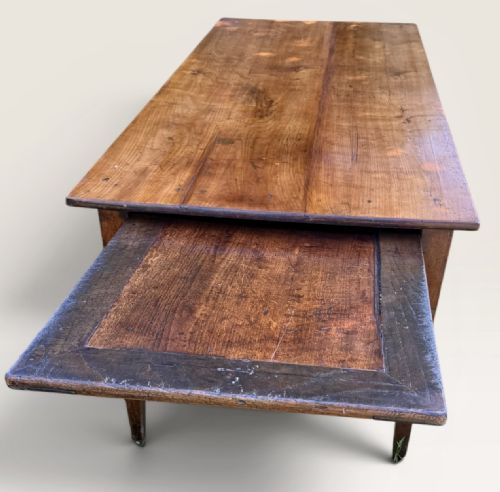
- A pull-out wooden board integrated beneath the tabletop, historically utilised for slicing loaves or resting hot baking implements.
- Dough bin
- A deep wooden box with a lid, traditionally used for rising bread dough before baking in regional rural households.
- Cabriole leg
- A furniture leg that curves outward and then tapers inward, common in refined French provincial cabinetmaking.
- Two-board top
- A tabletop constructed from just two wide planks of timber joined together, typical of substantial antique prep tables.
- Fruitwood
- Timber harvested from fruit-bearing trees such as cherry or pear, valued in provincial furniture for its warm tone and fine grain.
French Bread Table: Frequently Asked Questions
What is a bread slide on a table?
A bread slide is a pull-out wooden board integrated beneath the main surface of a table. It provided extra workspace for slicing loaves or managing ingredients in busy provincial kitchens.
Over time, these sliding boards became a defining regional characteristic of French farmhouse tables. They tuck away neatly when not in use.
How were dough bins used?
Dough bins served as the primary vessel for mixing and proving bread dough in rural households before baking. The enclosed wooden box kept the dough at a stable temperature during fermentation.
Many antique bins feature fitted lids and deep compartments. They evolved into versatile storage furniture once commercial baking reduced home production.
What woods are common in these tables?
Makers relied on durable regional hardwoods such as walnut, cherrywood, fruitwood, oak, and elm. These timbers provided the necessary strength for heavy kitchen preparation.
Different regions utilised local forests, resulting in varied grain patterns and natural tones across the available pieces.
How do I date a nineteenth century table?
Dating relies on observing construction methods, timber patination, and stylistic markers like cabriole legs or hardware. Nineteenth century examples often show hand-planed surfaces and traditional joinery.
Comparing the wear patterns and structural assembly with documented regional styles helps confirm the approximate period of manufacture.