





French Bookshelf Cabinet
A french bookshelf cabinet brings continental elegance to a room, offering display space and storage for libraries.
French Bookshelf Cabinet
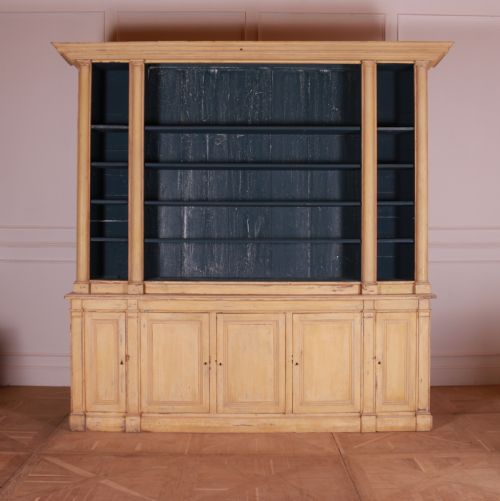
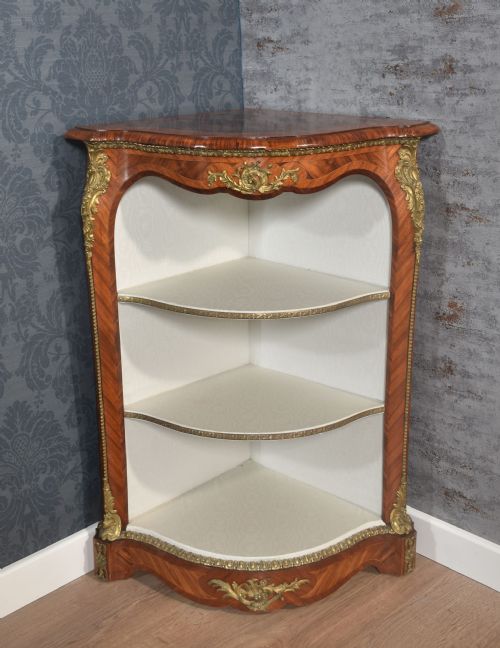
A french bookshelf cabinet combines upright book storage with cabinetry, drawing on 19th-century continental traditions. These pieces appear in forms such as narrow bookcases, corner cabinets, and dwarf bookcases.
Makers utilised styles ranging from French Provincial and French Empire to Napoleon III and Rococo Revival. Most examples on this page date from the nineteenth century up to the early twentieth century.
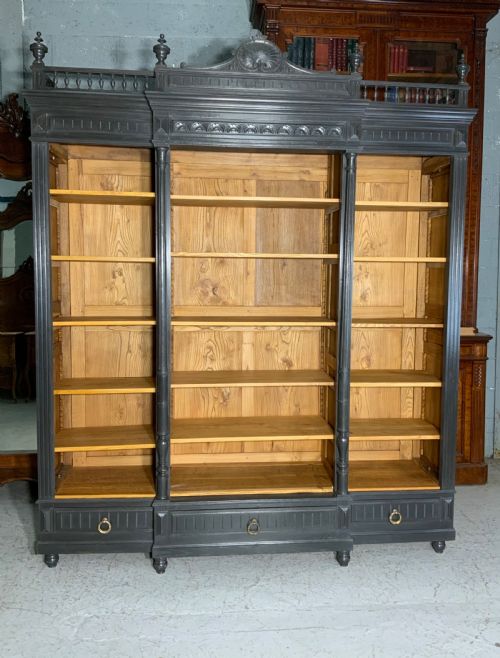
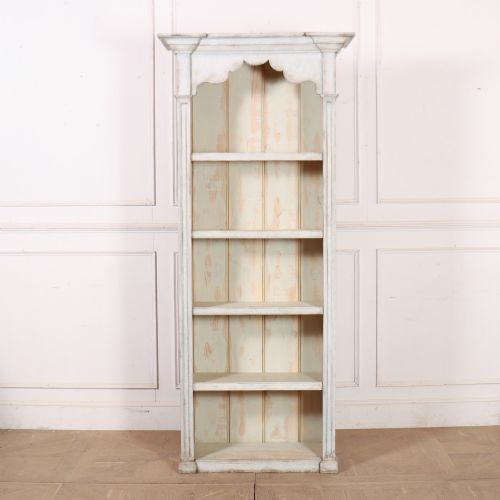
Buyers encounter open library bookcases alongside glazed or cabinet-fronted pieces. Walnut, mahogany, and painted softwood provide the primary structures for these furnishings.
How they were made
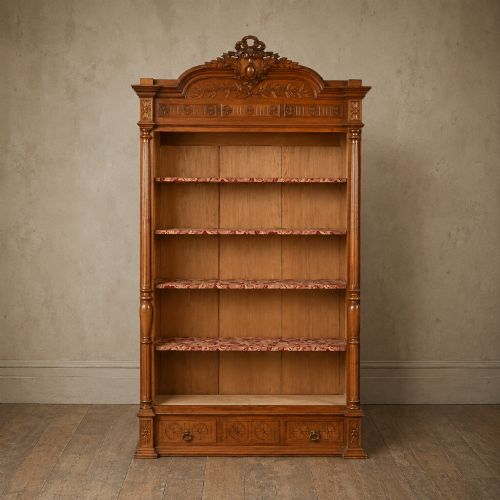
Cabinetmakers constructed these pieces using solid woods like walnut and mahogany, often applying rosewood, kingwood, or satinwood veneers over a softwood or hardwood carcase. Hand carving defines the structural decoration on many pieces.
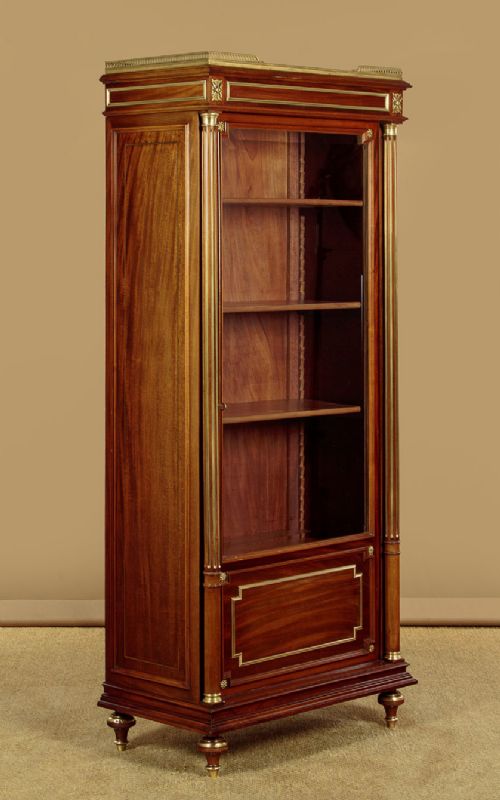
Metal enrichment plays a significant role, with giltwood, brass banding, and cast ormolu mounts securing corners and framing panels. Marble tops appear on selected examples for a durable, finished surface.
French Bookshelf Cabinet Retail Price Guide 2026
Typical asking prices for french bookshelf cabinet among the pieces listed under this phrase on Sellingantiques today, from the lower quarter to the upper quarter. They describe what is for sale here now, not the wider market.
Listings feature 19th Century, 1890, 1880, 1910, 1900, and 1870 periods.
What varies in quality
The refinement of the surface decoration sets examples apart, distinguishing finely chased ormolu mounts and meticulous hand carving from simpler production. Selection of veneer timbers, such as plum pudding mahogany or figured kingwood, influences the visual depth of a piece.
Structural adjustments like movable shelving demonstrate utility, while the integration of patinated marble and solid brass fittings indicates the grade of materials originally specified.
The French Bookshelf Cabinet Glossary
- Ormolu
- Gilded bronze mounts applied to furniture for decoration. This technique was widely used in French cabinetmaking during the nineteenth century.
- Veneer
- A thin layer of valuable wood applied to a base timber surface. Cabinetmakers used kingwood and satinwood to create decorative grain patterns.
- Napoleon III
- A decorative style spanning the mid to late nineteenth century. It revives earlier French aesthetics with rich veneers and elaborate metal mounts.
- Dwarf bookcase
- A low shelving unit designed to fit beneath windows or within compact spaces. These pieces often feature adjustable internal shelves.
- Kingwood
- A dense, richly figured exotic wood favoured for veneering fine furniture. It yields distinctive dark markings against a warm brown ground.
French Bookshelf Cabinet: Frequently Asked Questions
How do I style a french bookshelf cabinet?
Position the cabinet against a plain wall to let the wood grain and metal mounts stand out without visual competition. Balance heavy leather-bound volumes with ceramic objects or small sculptures on the open shelves.
Keep surrounding furniture simple to maintain focus on the continental proportions. Ensure the room has adequate indirect lighting to highlight the gilt bronze or ormolu details.
Are the shelves adjustable?
Many nineteenth-century examples incorporate adjustable shelving systems using wooden notches or metal supports. This allows you to alter shelf heights for varying book sizes.
Fixed shelves also appear, particularly in smaller dwarf cabinets or corner cupboards built for specific display purposes. Check the configuration of each individual piece before planning your library layout.
What is the difference between Empire and Napoleon III styles?
Empire style draws on classical Roman and Greek motifs, favouring architectural symmetry and restrained ormolu mounts. Mahogany forms the primary timber choice for these formal pieces.
Napoleon III design embraces a more eclectic revivalism, incorporating exotic veneers like kingwood and satinwood. These later pieces often display greater ornamentation and curved serpentine forms.
How do I care for the wood and mounts?
Dust the timber regularly with a soft, dry cloth and apply a quality wax polish sparingly to nourish the veneer. Avoid placing the cabinet near direct heat sources or strong sunlight to prevent timber movement.
Clean ormolu mounts gently with a dry brush, avoiding abrasive metal cleaners that remove the gilding. Marble tops require only a damp cloth followed by immediate drying.