



French Bistro Furniture
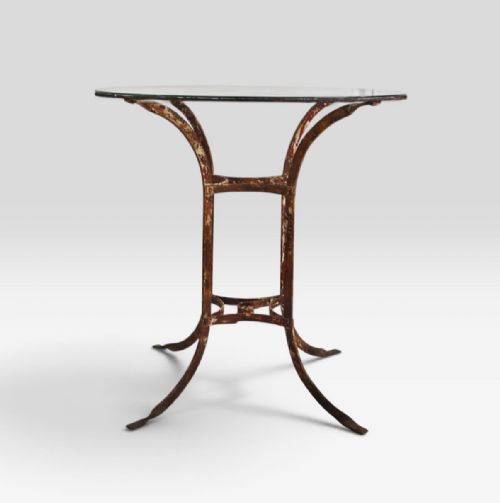
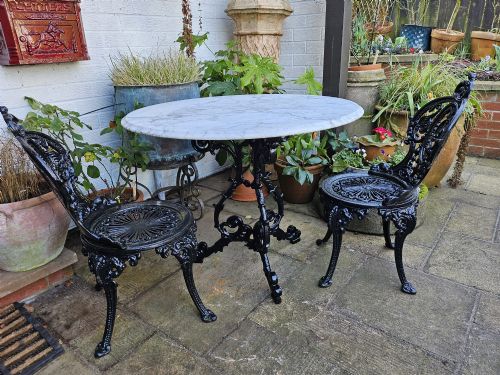
French bistro furniture brings functional metalwork and stone surfaces together, offering a practical way to seat guests outdoors or in compact dining spaces.
French Bistro Furniture
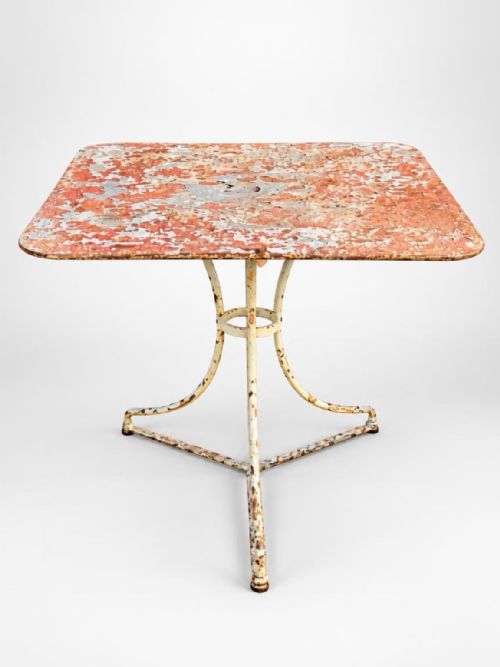
When buyers search for french bistro furniture, they encounter sturdy dining sets, folding tables, and seating designed for pavement cafes and garden terraces. The listings show pieces originating from the late nineteenth century through to the nineteen-thirties, spanning periods such as the Victorian era, nineteen-hundred, and nineteen-thirty.
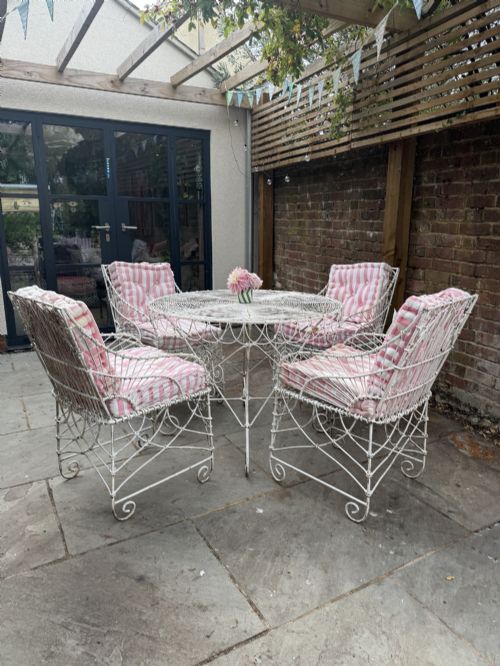
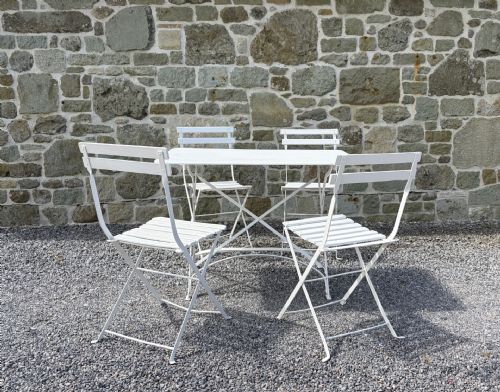
The forms on this page include garden dining sets, bistro sets, console tables, home bars, and garden benches alongside matched sets of bentwood chairs. Styles range from Victorian wirework and French country to Art Deco and French provincial designs.
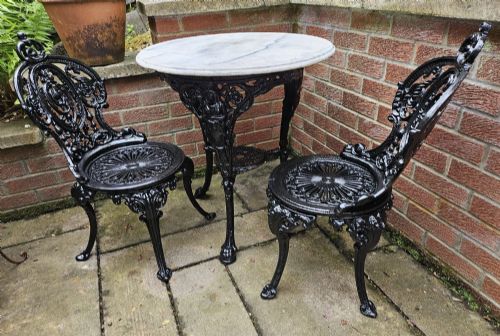
Most pieces combine utilitarian metal frames with durable tops suited for regular use. Buyers will frequently find combinations of iron, steel, and cast components paired with timber or marble surfaces.
Materials and construction methods
Makers utilised cast iron, wrought iron, and steel to build resilient frames that could withstand daily service and weathering. These metal structures often incorporate decorative wirework, strapp work, or industrial bracing depending on the period.
Table surfaces are predominantly fashioned from solid wood, painted finishes, or heavy slabs of marble supported by sturdy metal bases. Bentwood techniques were applied to create lightweight yet resilient chairs intended for easy stacking and movement.
French Bistro Furniture Retail Price Guide 2026
Typical asking prices for french bistro furniture among the pieces listed under this phrase on Sellingantiques today, from the lower quarter to the upper quarter. They describe what is for sale here now, not the wider market.
Materials documented across the inventory include wrought iron, cast iron, steel, wirework, timber, paint, and marble.
Evaluating the standard of pieces
The distinction between standard utility items and finer examples rests on the complexity of the metalwork and the integrity of the materials. Pieces featuring detailed casting, integrated strapp work, or substantial marble tops reflect higher production standards.
Condition and originality dictate the character of surviving examples, particularly where painted surfaces and patinated metals show decades of genuine use. Complete matched sets command greater attention than assembled groupings due to their cohesive design.
The French Bistro Furniture Glossary
- Cast iron
- A strong, heavy alloy poured into moulds to create rigid furniture bases and decorative table supports. It provides the necessary weight to keep small tables stable on uneven ground.
- Wrought iron
- Iron heated and hammered into shape by hand, resulting in durable frames with subtle surface variations. This material allows for slender, resilient structural lines.
- Strapp work
- Flat bands of metal riveted or welded together to form decorative and supportive geometric patterns. It appears frequently on tabletops and chair backs from the early twentieth century.
- Bentwood
- Wood softened by steam and bent into curved shapes to form chairs. This method produces lightweight, flexible frames without sacrificing structural strength.
- Wirework
- Metal wire shaped into intricate mesh or scroll designs for garden seating and tables. Victorian examples often utilise this technique for permeability and lightness.
French Bistro Furniture: Frequently Asked Questions
What defines french bistro furniture?
French bistro furniture consists of practical tables, chairs, and benches constructed primarily from metal and wood for hospitality and domestic use.
These pieces typically date from the late nineteenth century to the nineteen-thirties and reflect styles such as French country and Art Deco.
Can these sets be used outdoors?
Most pieces were originally built for exterior terrace or garden use, incorporating weather-resistant metals and durable stone surfaces.
However, protecting vulnerable timber elements and marble tops during severe winter weather helps preserve their condition.
How do I date these items?
Dating relies on identifying manufacturing materials, structural fasteners, and stylistic indicators such as Victorian wirework or Art Deco lines.
Heavier cast iron components and specific folding mechanisms often point toward the nineteen-twenties and nineteen-thirties.
Are marble tops original?
Many bistro tables feature heavy marble surfaces designed to withstand heavy commercial use and provide a cool, easily cleaned dining area.
Examining the underside and the fit within the iron frame helps determine if the stone matches the period of the base.