

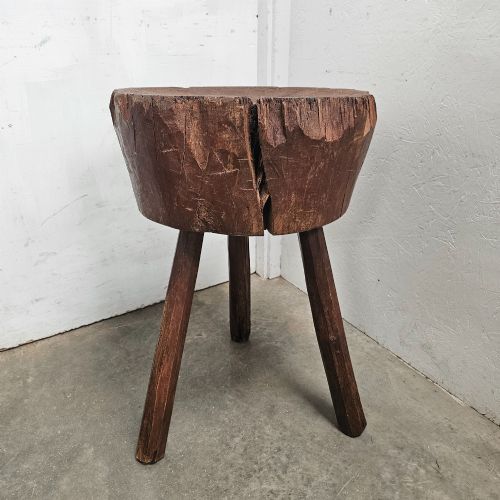


French Beech Table
These french beech table examples bring honest utility and provincial character into modern rooms through robust native timbers and time-worn surfaces.
French Beech Table
When you search for a french beech table, you encounter hard-wearing domestic furniture and robust work tables originating from France. The selection spans the nineteenth century through to the early decades of the twentieth century, capturing provincial, industrial, and rustic farmhouse traditions.
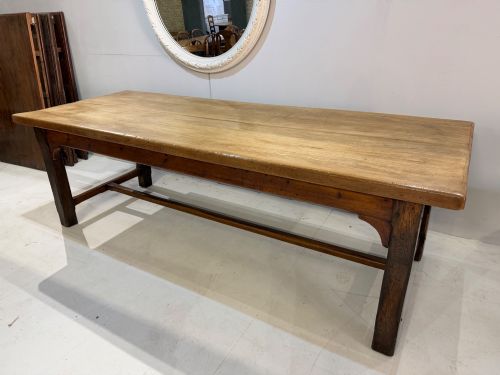
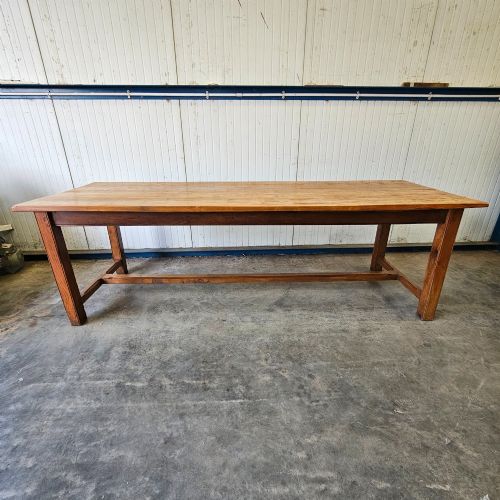
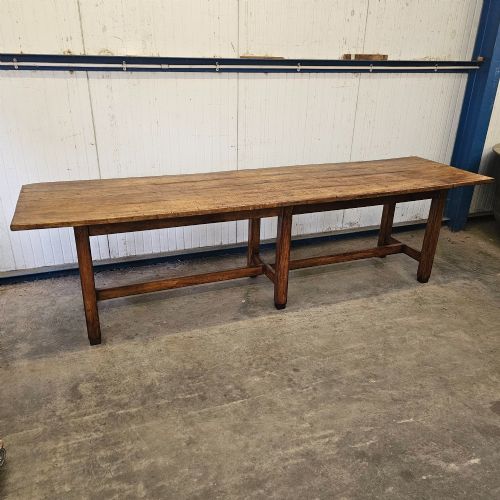
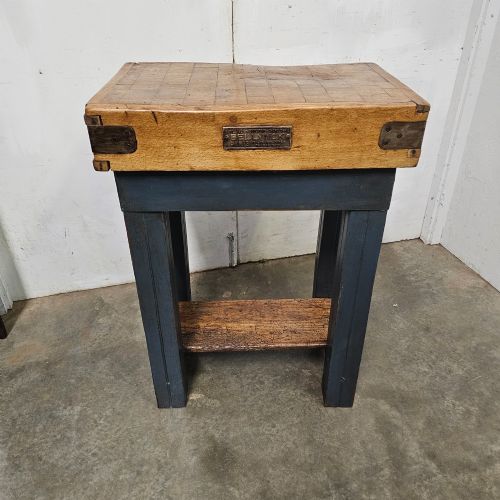
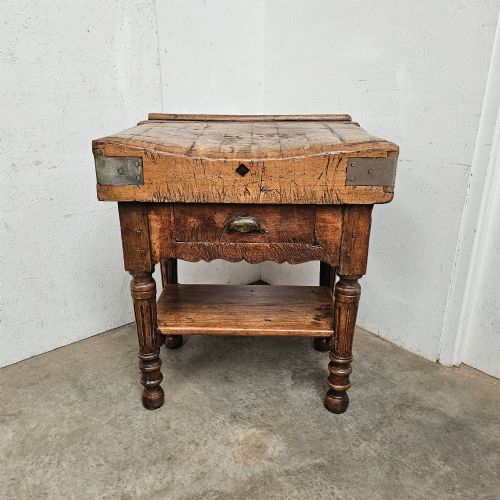
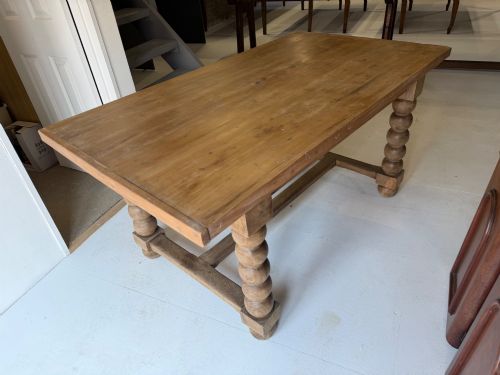
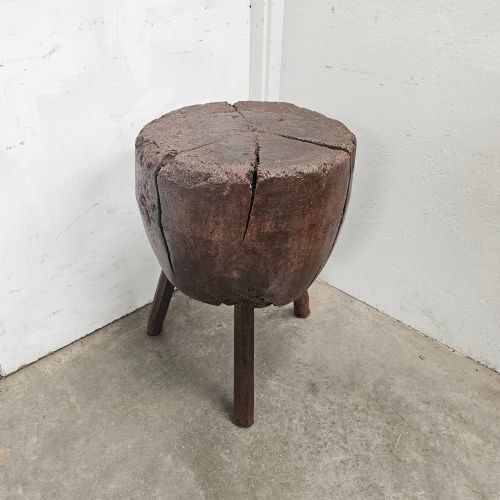
You are most likely to meet substantial butchers blocks, long community hall tables, and compact side pieces or workbenches. These objects range from heavy-topped cutting blocks on painted stands to planked dining tables fitted with drawers and bobbin legs.
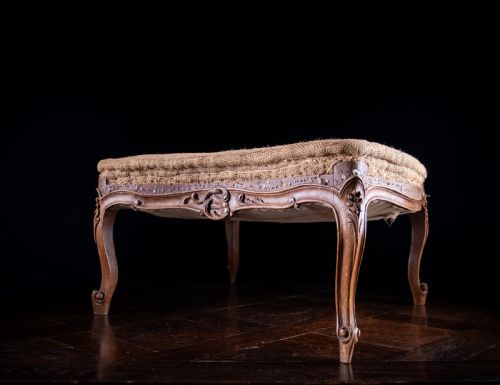
The aesthetic leans heavily into French Country and Primitive Country styles, alongside occasional Louis XV style footstools and folding faux bamboo occasional tables. Each item demonstrates the practical demands of rural and urban French life, constructed primarily from pale native hardwoods.
Materials and construction
Makers built these pieces primarily using solid beech, frequently pairing the dense timber with oak, iron, and metal hardware. Painted wood finishes appear on supportive stands, while heavy end-grain surfaces handle the daily wear of butchers blocks and game blocks.
Joinery methods prioritize absolute stability, utilising thick planks and structural bracing suitable for community halls and artisans' workbenches. Carved detailing remains restrained, appearing occasionally on bases or in the curved lines of Louis XV style items.
French Beech Table Retail Price Guide 2026
Typical asking prices for french beech table among the pieces listed under this phrase on Sellingantiques today, from the lower quarter to the upper quarter. They describe what is for sale here now, not the wider market.
Several blocks retain the unmistakable scars of a century's worth of enthusiastic French cleaver work.
Assessing quality and character
The distinction between standard utility items and finer examples rests on the integrity of the primary timber and the honesty of the wear. Deep, genuine patina accumulated through decades of preparation work elevates a piece far above items with manufactured distressing.
Proportion and structural balance also determine standing, particularly on large dining formats and folding tables. Original painted surfaces on stands or iron mechanical elements add considerable visual interest compared to later stripped or refinished alternatives.
The French Beech Table Glossary
- Beech
- A hard, fine-grained European timber prized for its pale colour and shock resistance. Makers selected it extensively for work surfaces and structural framing.
- Butchers block
- A thick-topped cutting table constructed from heavy end-grain wood blocks. It served commercial meat preparation in French shops and domestic kitchens.
- Bobbin legs
- Turned furniture legs shaped to resemble a series of wooden bobbins or spools strung together. This decorative turning appears on nineteenth-century tables.
- Primitive country
- A style category describing unpretentious, functional furniture made for everyday rural use without formal stylistic constraints.
- Artisans workbench
- A heavy-duty wooden table fitted with vices or stops designed for manual trades. These utilitarian objects often double as striking console or island surfaces.
French Beech Table: Frequently Asked Questions
What rooms suit a french beech table?
These tables find natural placement in kitchens, dining spaces, and open-plan living areas where their robust proportions serve daily life.
Smaller side pieces and footstools offer versatile accents for bedrooms or hallways without dominating the floor plan.
How do I care for a beech work surface?
Maintain the dry timber by cleaning gently with mild soap and water, avoiding harsh chemical treatments that strip the historic finish.
Regularly feeding untreated historic wood with appropriate natural oils preserves the pale tone and protects against drying.
How are nineteenth-century pieces identified?
Look for hand-cut joinery, pegged joints, and heavy board construction that reveal pre-industrial workshop methods.
Natural wear patterns, iron hardware variations, and deep patination accumulated over generations confirm genuine antique age.
What is the difference between a game block and a butchers block?
Game blocks were utilised specifically for processing game in rural French settings, often featuring distinct scaling and sizing.
Butchers blocks typically present heavier end-grain surfaces designed for heavy commercial chopping and meat cleaving.