
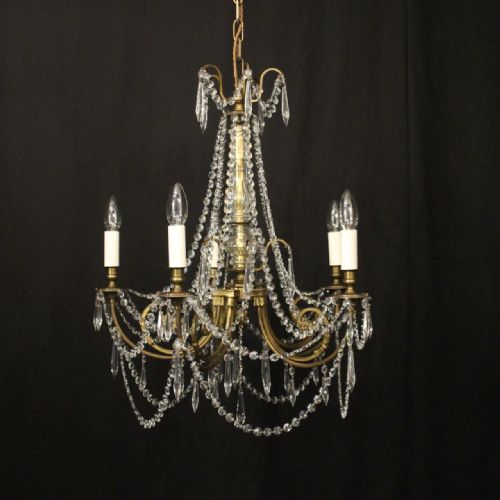


French Beaded Pendant Light
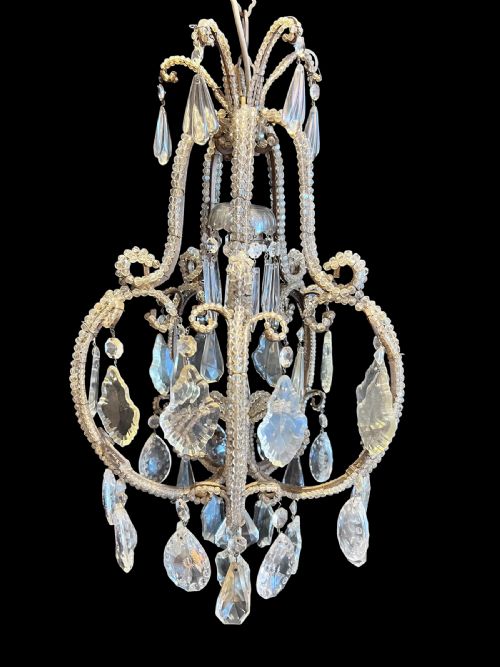
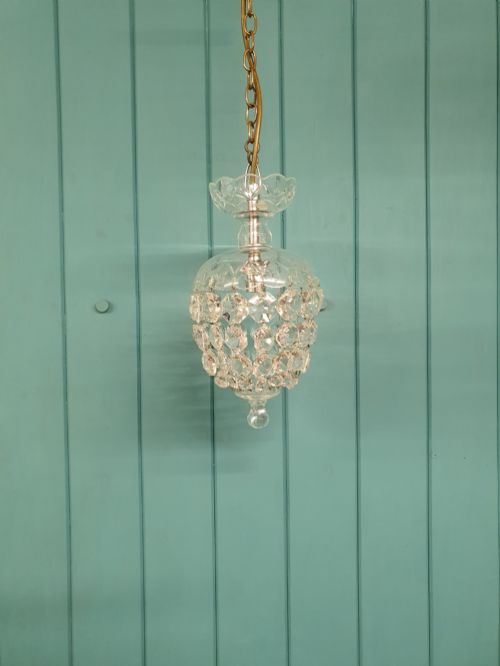
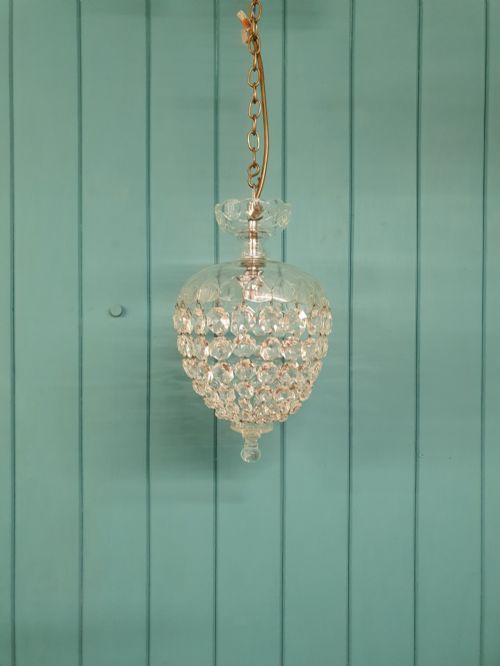
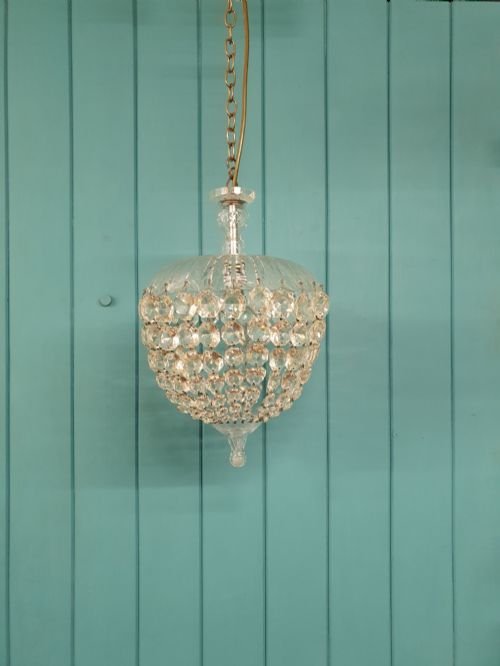
These French beaded pendant light fixtures bring shimmering antique illumination to a room through delicate glass drops and brass frames.
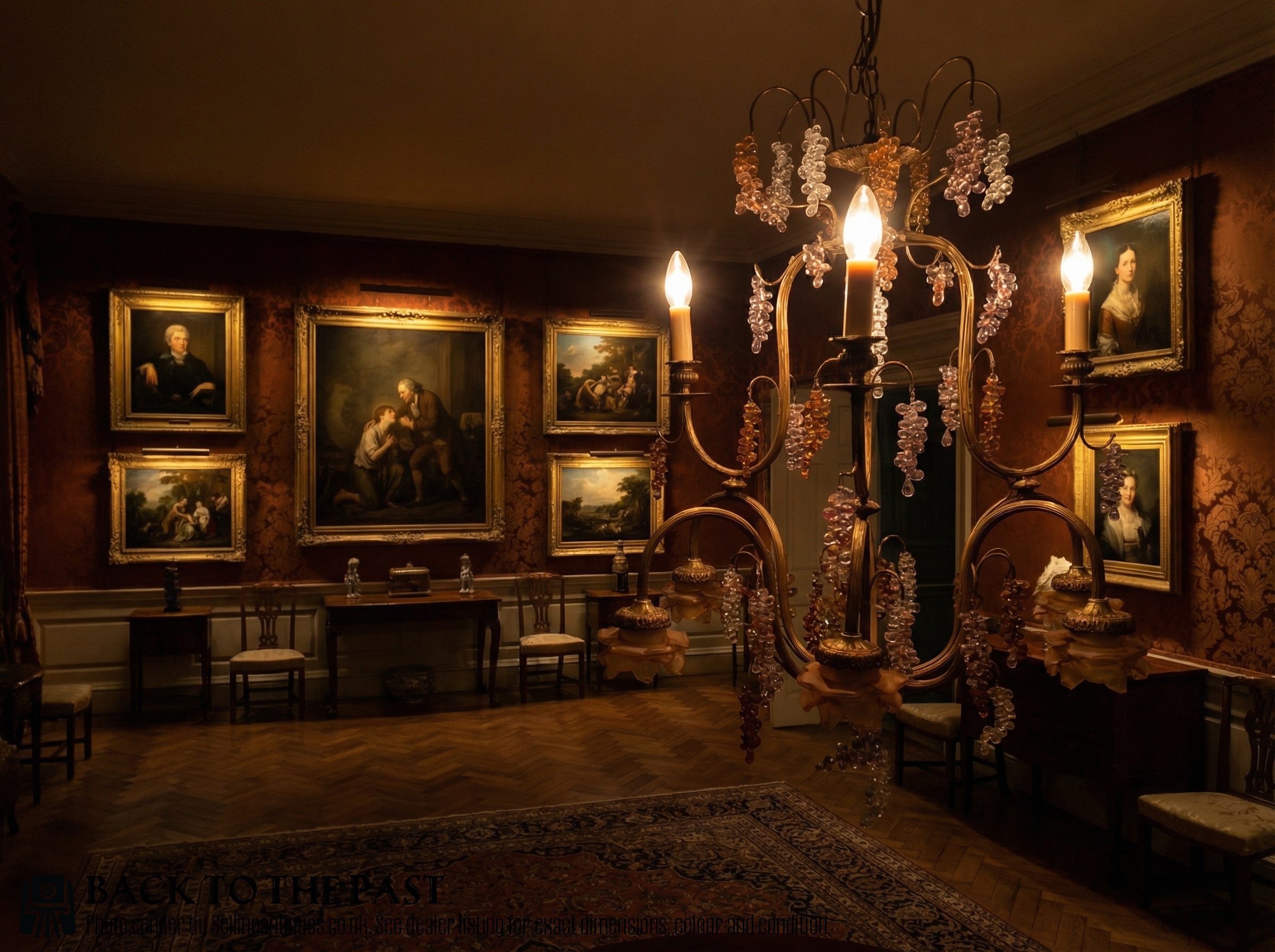
French Beaded Pendant Light
A french beaded pendant light combines delicate glass beadwork with structured brass or gilt metal frames to create a luminous overhead fixture. These pieces emerge from periods spanning the nineteenth century through the nineteen-thirties, incorporating Edwardian sensibilities alongside French Empire and Florentine styles.
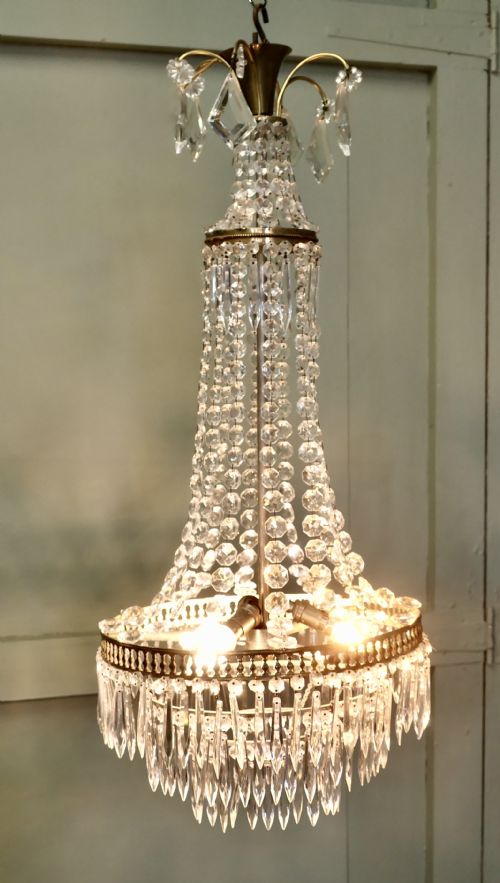
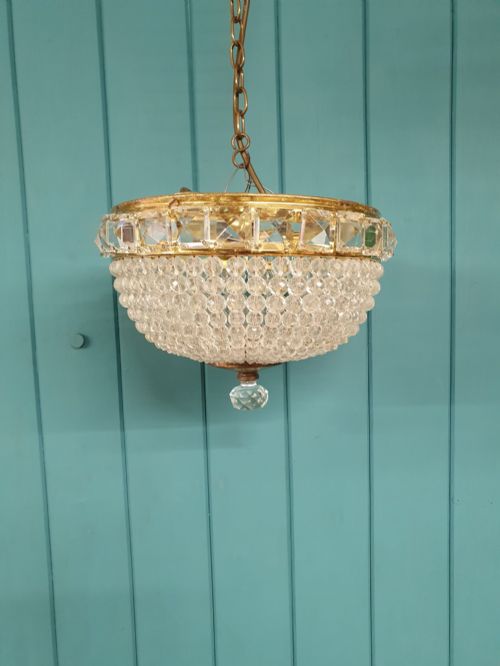
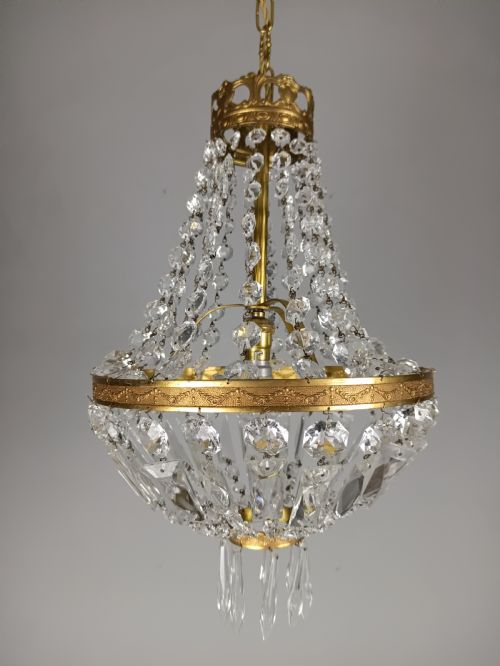
The selections on this page frequently take the form of compact dome top chandeliers, bag chandeliers, and grand tent and waterfall designs. Smaller pieces measure six to ten inches, while substantial multi-light chandeliers extend to twenty-four lights for larger interiors.
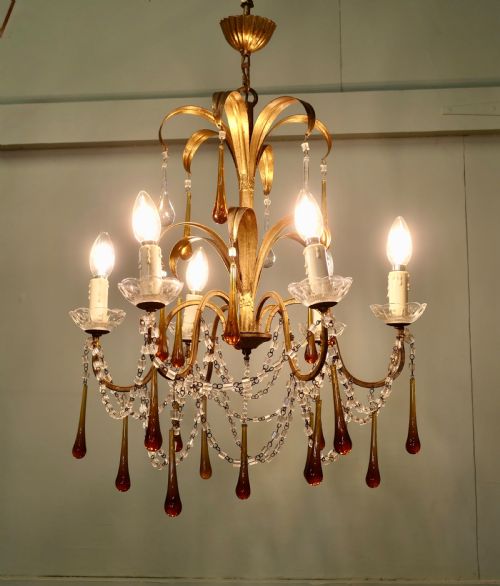
Makers and origins cross French, Italian, and English traditions, featuring decorative elements like coloured crystal fruits, grapes, amber teardrops, and blue prisms. Buyers encounter everything from wire chandeliers adorned with flowers to elaborate basket chandeliers hung with cut glass swags.
How they were made
Craftsmen built structural frameworks using brass, gilt metal, iron, and toleware to support intricate arrangements of glass and crystal components. Metal armatures were cast, forged, or shaped into domes, tapered bags, and tiered tents.
Individual glass and crystal beads, teardrops, and prisms were wired by hand onto the metal frames to form dense swags and cascading waterfalls. Coloured glass elements, including amber, red, blue, and cobalt drops, were integrated alongside clear cut glass to create varied chromatic effects.
Listings feature brass, gilt metal, toleware, and iron structures hung with clear, coloured, and cut crystal glass.
What varies in quality
The distinction between tiers of quality rests upon the density of the beadwork and the clarity of the cut glass drops. Finer examples display meticulous hand-wiring and heavy crystal components that refract light cleanly across the room.
Frame construction also dictates overall merit, moving from simple wire frameworks to heavy cast brass, gilt bronze, and gilt metal mounts with elaborate detailing. The presence of specialised decorative components, such as multi-coloured crystal fruit bunches or elaborate amber teardrops, elevates the visual complexity.
Wedgwood
The French Beaded Pendant Light Glossary
- Bag chandelier
- A lighting fixture shaped like a tapered bag or pouch, densely covered in small glass beads that enclose the internal light source.
- Tent and waterfall
- A chandelier style featuring an upper conical tent of strung beads cascading down into a wider, flowing waterfall of crystal drops.
- Toleware
- Painted or lacquered tinplate used for decorative metal components on lighting fixtures, often finished in gilt or coordinating colours.
- Prism
- A cut glass pendant designed to refract light into spectral colours, hung from the arms or perimeter of a chandelier.
- Gilt metal
- Metal surfaces coated with a thin layer of gold leaf or gilt paint to provide a rich, polished appearance.
French Beaded Pendant Light: Frequently Asked Questions
How do I clean a beaded chandelier?
Maintenance requires gentle cleaning with a soft cloth and a mild glass cleaning solution applied sparingly to the individual beads.
Avoid submerging the entire fixture, as moisture can damage the original wiring and internal metal connections over time.
What rooms suit a bag chandelier?
Compact bag chandeliers measuring six to ten inches fit well in hallways, bedrooms, or lower-ceilinged spaces where a flush or semi-flush profile is practical.
Larger multi-light tent and waterfall versions demand higher ceilings and substantial rooms such as dining spaces or drawing rooms.
How do I date an antique chandelier?
Dating relies on examining the mounting hardware, wire types, metal casting techniques, and the specific cut of the crystal drops.
Edwardian and early twentieth-century pieces often exhibit characteristic brass frames and specific bead cuts that distinguish them from nineteenth-century examples.
Are these lights wired for modern use?
Many vintage and antique fixtures retain older electrical components or require rewiring to meet current safety standards and local regulations.
A qualified electrician should inspect and adapt the internal wiring before installation in a domestic setting.