



French Bamboo Furniture
French bamboo furniture brings lightness and natural texture indoors, offering clever storage and seating shaped from turned woods and metal.
French Bamboo Furniture
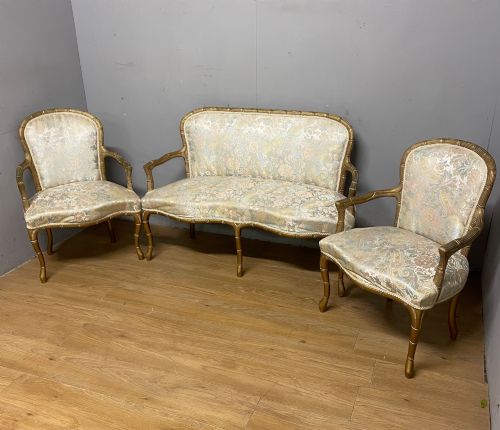
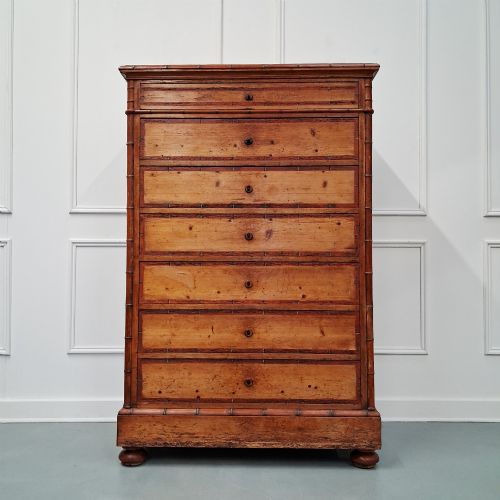
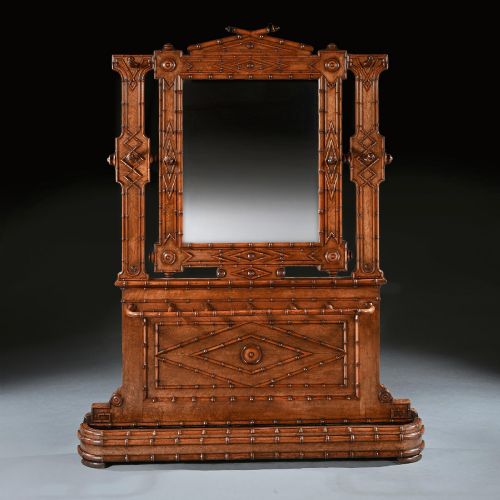
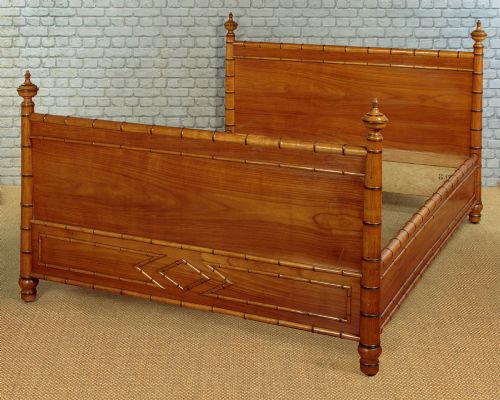
French bamboo furniture comprises seating, storage, and display items shaped from natural bamboo or simulated in woods and metals. When searching for French bamboo furniture, buyers encounter items ranging from Victorian faux bamboo pieces to later 20th-century examples.
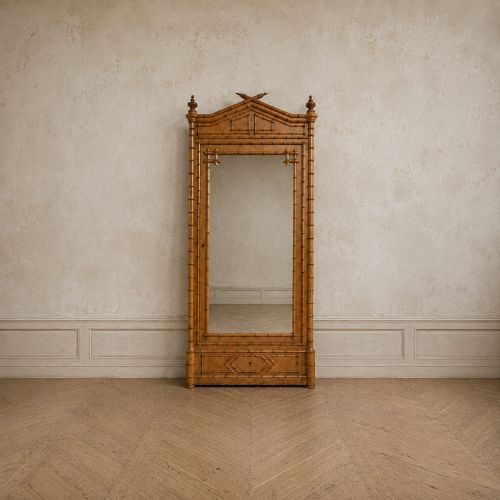
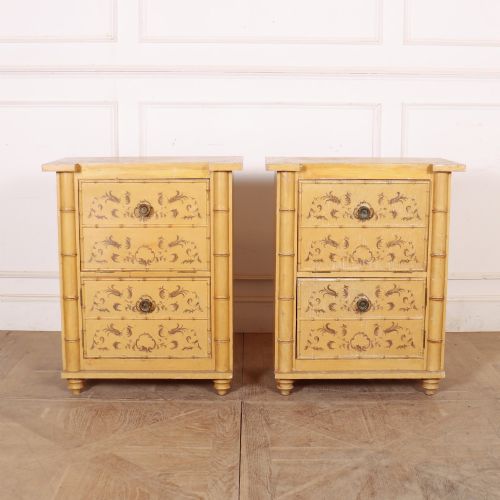
Makers utilised various forms, from mirrored wardrobes and bedside cabinets to folding chairs and drinks cabinets. Natural materials combine with glass, cane, marble, and cast iron to create these distinctive domestic furnishings.
How they were made
Craftsmen shaped solid timbers like pine, walnut, and birdseye maple to imitate the jointed segments of natural bamboo. This faux bamboo technique required careful turning and painting on hardwoods to achieve the desired botanical appearance.
Cast iron and brass also served as structural materials, moulded into rigid bamboo profiles for heavy-duty hall stands and magazine racks. These metal frames provided robust support while maintaining the slender aesthetic of natural cane.
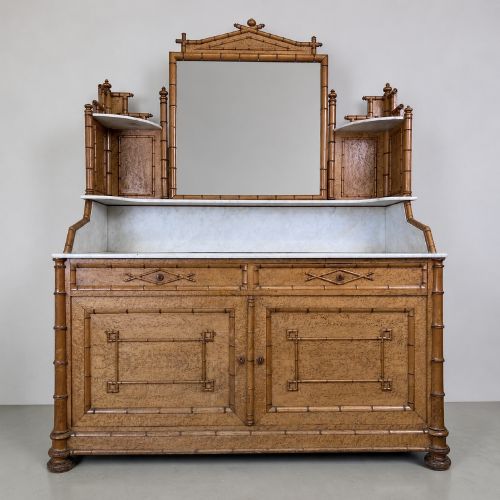
Secondary elements incorporated marble tops, glass panels, rattan, and cane weaving to complete washstands, armoires, and loungers. Artisans assembled these components using traditional joinery suited to domestic utility.
French Bamboo Furniture Retail Price Guide 2026
Typical asking prices for french bamboo furniture among the pieces listed under this phrase on Sellingantiques today, from the lower quarter to the upper quarter. They describe what is for sale here now, not the wider market.
Listings feature items spanning the nineteenth and twentieth centuries, utilising pine, walnut, birdseye maple, cast iron, and brass.
What varies in quality
The fidelity of the simulated bamboo turning determines the visual success of painted wooden pieces. Skilled work shows crisp joint nodes and convincing grain replication on woods like birdseye maple, whereas simpler pieces rely on plain painted finishes.
The integration of secondary materials such as marble slabs, bevelled mirror glass, and cast-iron frames dictates the grade of the piece. Superior examples combine heavy stone tops and robust structural hardware with fine cabinetry.
Proportion and structural complexity separate standard domestic items from ambitious multi-functional furniture like mirrored armoires and fitted washstands. Well-balanced forms with intact cane work and original hardware command greater appreciation.
The French Bamboo Furniture Glossary
- Faux bamboo
- Wood or metal turned and painted to resemble natural bamboo stalks. This technique gained popularity during the nineteenth century across European decorative arts.
- Japonisme
- The influence of Japanese art and design on Western aesthetics, prominent in late nineteenth-century European furnishings. It often manifests in asymmetric arrangements and botanical motifs.
- Commode
- A low chest of drawers or cabinet used for domestic storage. French examples frequently feature marble tops and detailed wood veneers.
- Armoire
- A large freestanding wardrobe used for hanging clothes and storing linens. These tall cabinets often incorporate mirrored doors and internal shelving.
- Washstand
- A specialised piece of furniture designed to hold a basin and pitcher for personal washing. They commonly include marble surfaces and tiled backs to protect walls from water splashes.
French Bamboo Furniture: Frequently Asked Questions
What is faux bamboo furniture?
Faux bamboo furniture consists of wooden or metal items turned and painted to mimic the jointed appearance of natural bamboo. This style became widely popular in European design during the nineteenth century.
Craftsmen used timbers like maple and pine, shaping the surface to replicate botanical nodes and rings. This offered the exotic look of imported cane while utilising sturdy domestic hardwoods.
How do I date these pieces?
Dating relies on identifying stylistic markers, construction methods, and materials associated with specific periods like the nineteenth century or the Edwardian era. Aesthetic Movement and Japonisme influences typically point towards the late nineteenth century.
Examining the underlying woods, such as birdseye maple or walnut, alongside hardware like cast-iron frames helps narrow the production era. Later twentieth-century items often show simpler construction or tubular metal elements.
Where were these items used?
These furnishings suited domestic spaces throughout the home, from bedrooms and hallways to reception rooms and dressing areas. Hall stands welcomed visitors with hat and umbrella storage near entryways.
Bedrooms utilised armoires, washstands, and bedside cabinets, while specialised items like drinks cabinets and magazine racks served living spaces. Their lightweight appearance made them versatile for various interior settings.
How do I care for bamboo furniture?
Maintenance involves gentle dusting with a soft cloth to protect delicate turned surfaces and painted finishes. Avoiding excessive moisture prevents damage to natural cane, rattan, and wooden joints.
Keeping pieces away from direct sunlight preserves painted details and prevents timber from warping. Natural wax can nourish wooden surfaces without harming simulated bamboo details.