

French Artwork on Paper
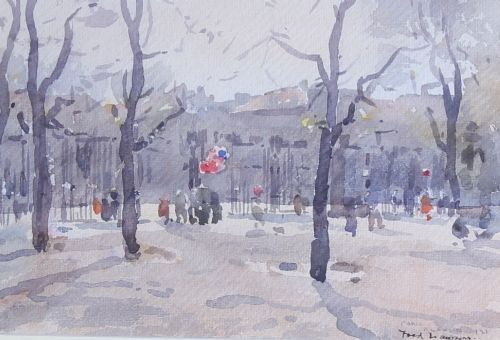
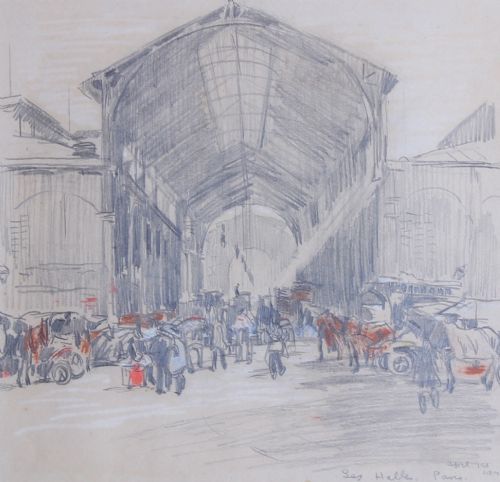
French artwork on paper brings together delicate watercolours, precise engravings, and striking modernist sketches spanning multiple centuries of Continental creativity.
French Artwork on Paper
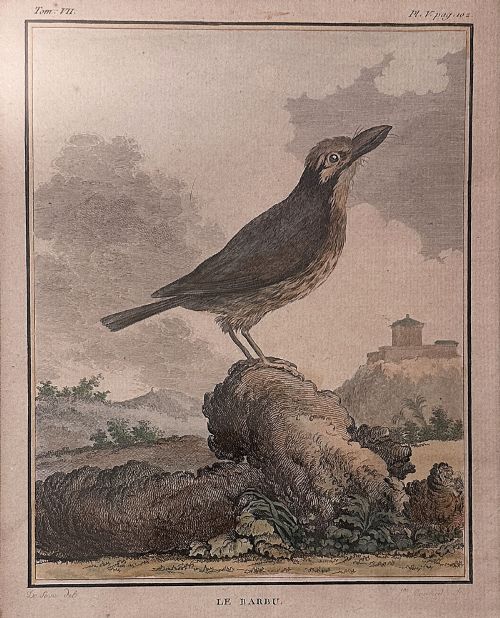
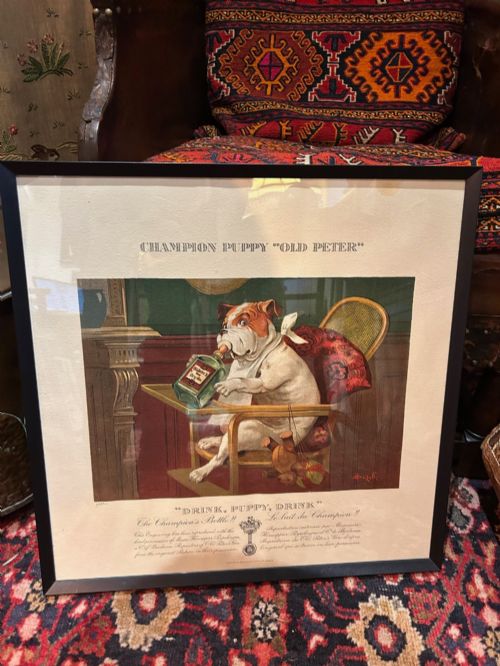
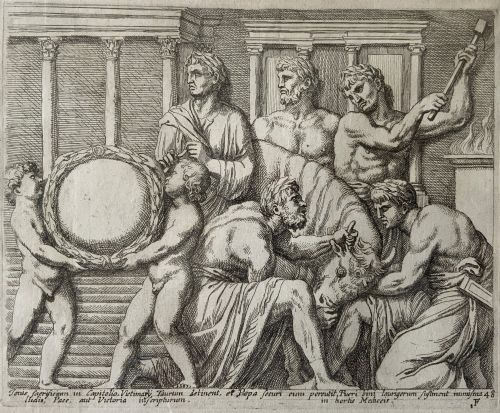
French artwork on paper encompasses a diverse range of historic works, stretching from seventeenth-century classical etchings to mid-century modernist watercolours and gouaches.
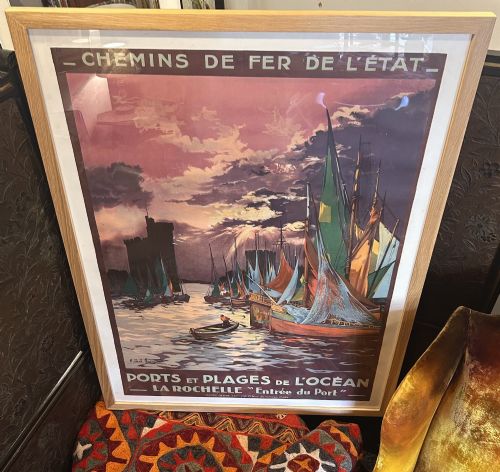
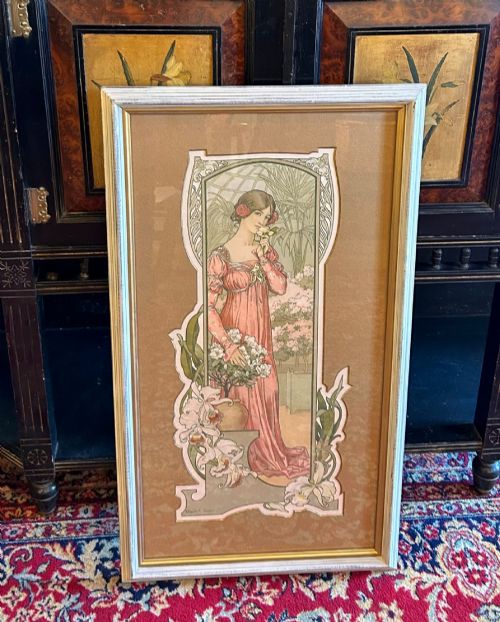
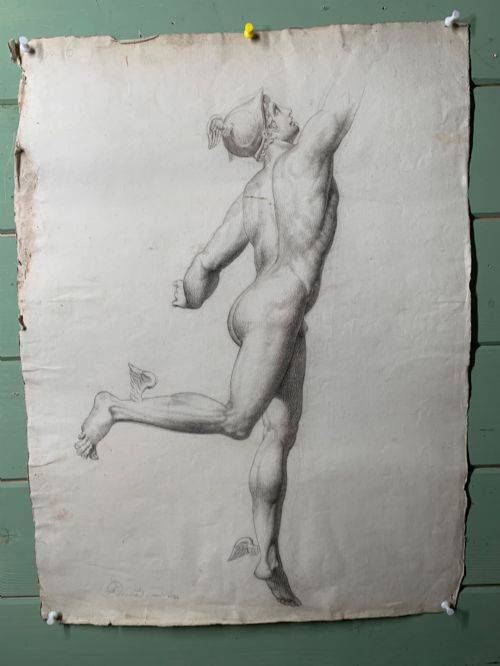
Buyers will encounter eighteenth-century portraits and architectural engravings alongside nineteenth-century academic life studies, Art Deco illustrations, and twentieth-century poster prints.
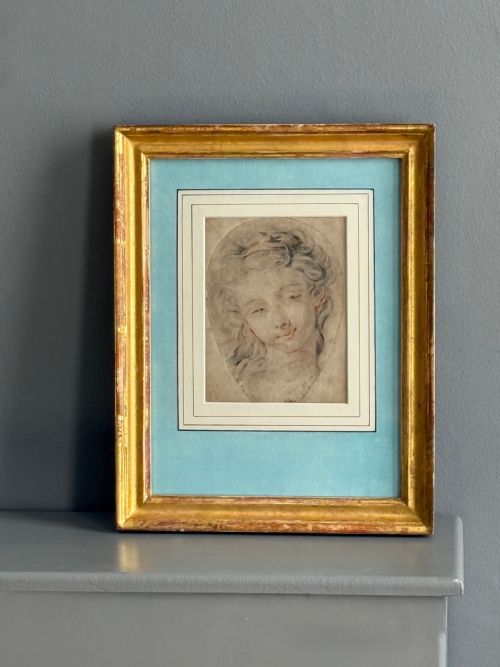
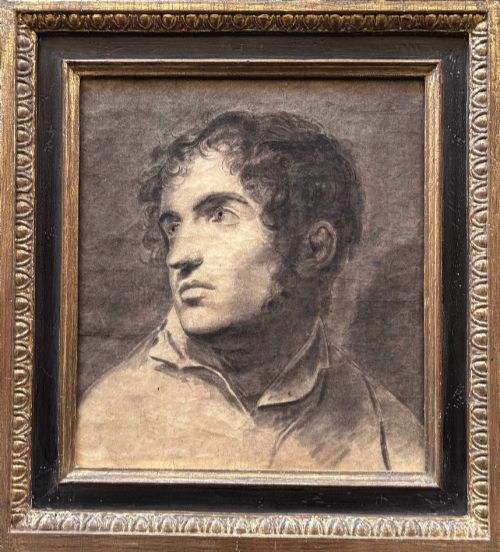
The selection frequently highlights works executed directly on paper using graphite, charcoal, ink, and chalk, often preserved in period wood and glass framing.
How they were made
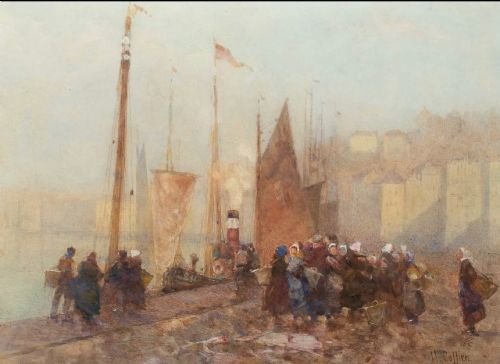
The physical components rely fundamentally on historic paper supports paired with fluid mediums like watercolour, gouache, and ink, or dry drawing materials such as chalk, charcoal, and graphite.
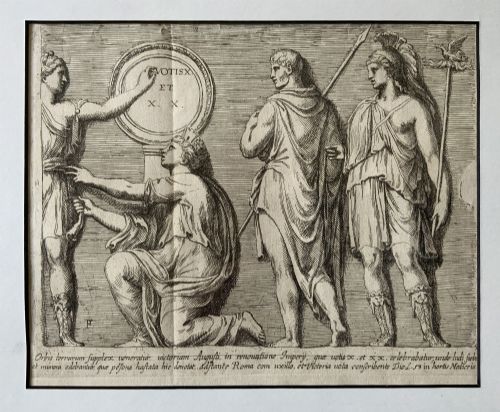
Printmaking techniques including etching, engraving, and lithography form a major part of the selection, utilising metal plates or stone matrices to produce fine impressions.
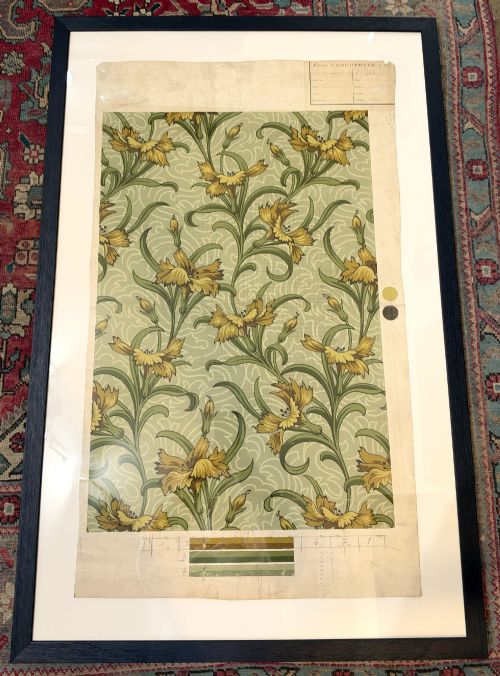
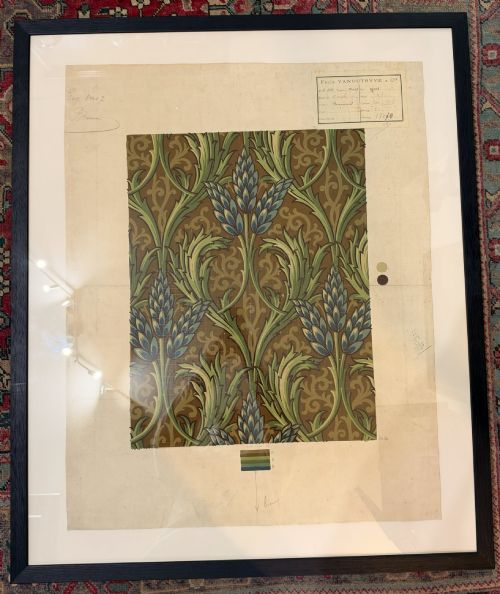
Framing utilises period wood mouldings, often protecting the delicate works behind glass to prevent atmospheric degradation of the paper and pigments.
French Artwork on Paper Retail Price Guide 2026
Typical asking prices for french artwork on paper among the pieces listed under this phrase on Sellingantiques today, from the lower quarter to the upper quarter. They describe what is for sale here now, not the wider market.
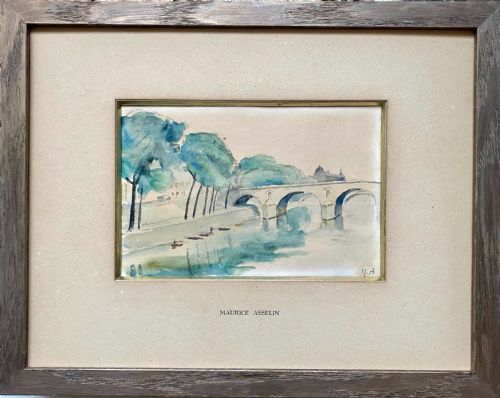
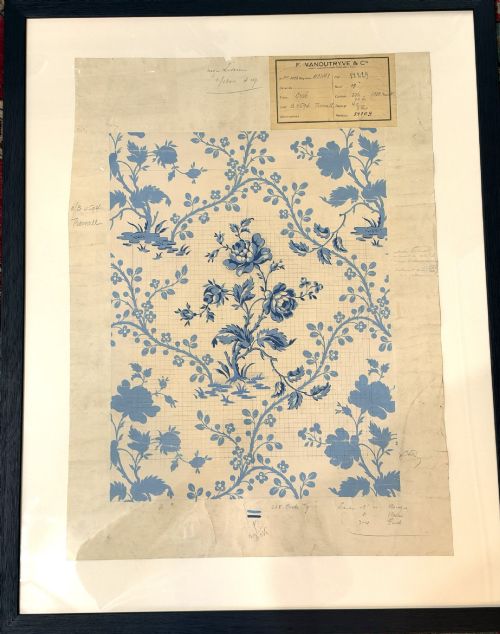
Listings span centuries of French artistry, featuring materials such as charcoal, ink, and watercolour applied to historic paper supports across neoclassical, academic, and modernist styles.
What varies in quality
Quality rests upon the sureness of the draftsmanship, the clarity of the printed impression, and the preservation of the original pigment vibrancy against natural fading.
The significance of the hand involved, ranging from accomplished academic studies to preparatory sketches by known historical figures, dictates the standing of an individual piece.
The integrity of the original paper support and the authenticity of the accompanying period frame contribute significantly to the overall standing of the work.
François Perrier·Elisabeth Sonrel·Marcellin Auzolle·Marc Chagall·Hector Caffieri·Maurice Brianchon·Étienne Baudet·Louis Icart·Albert Ludovici Jnr·Julian Mandel·Henry Arthur Roberts·Paul Delvaux·Lucien Gibert·Alfred Dehodencq·Henri Joseph Harpignies
The French Artwork on Paper Glossary
- Etching
- A printmaking process where lines are bitten into a metal plate with acid before ink is applied and pressed onto paper. This technique allows for fine, flowing detail reminiscent of freehand drawing.
- Lithography
- A planographic printing method based on the repulsion of oil and water, enabling artists to create painterly multi-coloured prints or sharp black and white illustrations. It became the dominant medium for posters and fine art prints by the nineteenth century.
- Gouache
- An opaque water-based paint that provides solid, vibrant areas of colour with a matte finish. Artists utilise it on paper to achieve richer saturation than traditional watercolour permits.
- Academic Realism
- A style of painting and drawing produced under the influence of European academies of art, prioritising strict anatomical accuracy, classical composition, and highly finished detail.
- Orientalism
- Artistic works depicting scenes from the Middle East, North Africa, and Asia, produced by Western artists particularly during the nineteenth century. These pieces frequently employ heightened charcoal or watercolour to capture intense light and exotic subjects.
French Artwork on Paper: Frequently Asked Questions
How should I frame antique works on paper?
These delicate works require conservation framing with acid-free mounts and UV-filtering glass to protect fragile pigments and paper supports from environmental damage.
Keeping the paper from touching the glass directly preserves the integrity of charcoal, watercolour, and pastel mediums over decades of display.
Are these works original or printed reproductions?
The collection includes both unique hand-drawn pieces, such as watercolours and graphite sketches, and original historic print mediums like lithographs and etchings produced in limited periods.
Catalogues distinguish between a unique preparatory drawing and an original period print created by the artist using a printing plate or stone.
How do I identify the period of a drawing?
Dating relies on stylistic markers, costume details, the watermark or composition of the paper itself, and framing styles typical of eras like the eighteenth century or the Art Deco nineteen-twenties.
Academic subjects often mirror the formal training methods of specific centuries, offering clear clues to their exact era of creation.
What is the difference between an etching and a lithograph?
An etching involves incising lines into a metal plate with acid to hold ink, creating sharp, recessed strokes on paper. Lithography is a chemical process using a flat stone or metal plate to produce smooth, painterly surfaces.
Both represent original printmaking techniques rather than modern mechanical reproductions.