




French Art Nouveau Painting
French art nouveau painting works bring organic line and poetic subject matter into interiors, spanning oils on canvas, watercolours, and delicate painted details on glass or metal.
French Art Nouveau Painting
When searching for french art nouveau painting, buyers encounter works ranging from framed oil paintings depicting classical mythology to painted watercolours housed in pewter frames and landscape scenes rendered upon glass vases.
The objects on this page bridge fine art and decorative arts, showing how the aesthetic movement and art nouveau styles influenced both traditional canvases and functional vessels.
Pieces date across the late nineteenth and early twentieth centuries, capturing periods from eighteen ninety to nineteen twenty with characteristic floral and figurative motifs.
Materials and methods
Canvases and paper supports receive oil and watercolour pigments, while decorative objects utilise glass, enamel, and metals such as bronze, brass, spelter, and pewter.
Makers applied enamels and paints directly to glass surfaces on vases and lamp shades, often combining metal casting with hand-painted details or gold leaf accents.
French Art Nouveau Painting Retail Price Guide 2026
Typical asking prices for french art nouveau painting among the pieces listed under this phrase on Sellingantiques today, from the lower quarter to the upper quarter. They describe what is for sale here now, not the wider market.
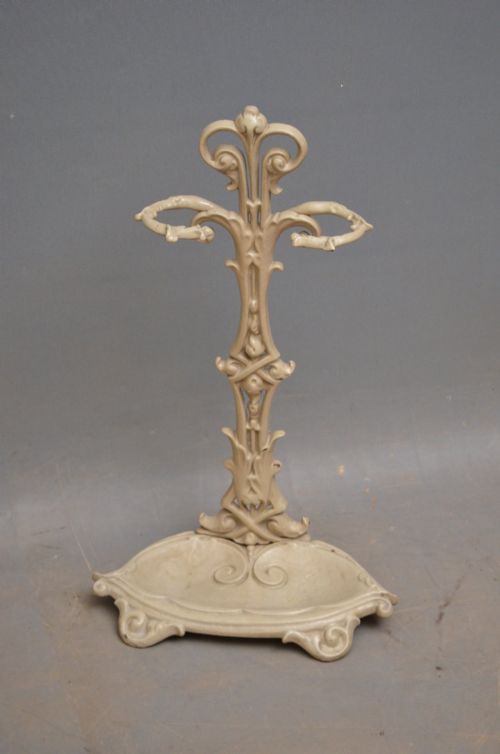
Object forms span oil paintings and watercolours alongside functional items like umbrella stands, table lamps, and boudoir timepieces.
Measures of quality
Distinction in these works lies in the execution of brushwork, the fluidity of line within the subject matter, and the integration of painted decoration with its physical support, whether canvas, glass, or metal.
Superior pieces demonstrate confident handling by known artists or followers, whereas simpler items rely on generic floral motifs applied to standard manufactured blanks.
E Villanis·L & F Moreau·Henry Wissen Senior·Antoine Calbet·Legras·Daum
The French Art Nouveau Painting Glossary
- Art Nouveau
- A style of decorative art, architecture, and design characterised by intricate asymmetrical patterns and flowing lines inspired by natural forms. It dominates the decorative objects and paintings of this period.
- Aesthetic Movement
- A nineteenth-century artistic movement that emphasised aesthetic values more than narrative or didactic themes. Works in this style often incorporate refined framing and subtle watercolours.
- Spelter
- A zinc alloy frequently used as a cheaper alternative to bronze for casting sculptures and bases. It accepts patination and paint readily to mimic more costly metals.
- Opaline
- An opaque or translucent glass of delicate pale colours, often used for vases and lamps. It provides a smooth ground for enamel painting.
- Patinated Bronze
- Bronze that has been treated with chemical solutions to produce a specific surface colour and finish. This technique enhances the sculptural contours of figures and stands.
French Art Nouveau Painting: Frequently Asked Questions
What defines a french art nouveau painting?
These works are characterised by flowing organic lines, naturalistic motifs, and subjects drawn from mythology or landscape. They appear both on traditional canvas supports and as painted scenes upon decorative glass.
Created during the late nineteenth and early twentieth centuries, they reflect the broader stylistic shifts of the period towards asymmetry and beauty inspired by the natural world.
How are paintings incorporated into lamps and vases?
Makers frequently applied painted landscapes, winter scenes, or floral enamels directly onto glass lamp shades and oviform vases. These decorative pieces combined illumination or utility with fine artistic scenes.
Artists utilised enamels and pigments that could withstand the heating processes of glass production, ensuring the painted details remained permanent.
Are frames original to the paintings?
Frames often reflect the specific aesthetic movement or art nouveau style of the period, utilising materials like pewter with floral ornamentation. Matching a period frame to a watercolour or oil painting enhances its historical integrity.
Inspect the construction of the frame and its joins to understand whether it shares the same era as the artwork it houses.
How do I care for painted glass and metal objects?
Keep painted glass and delicate metalwork away from direct sunlight and excessive moisture to protect enamels and patination. Dust surfaces gently with a dry, soft cloth without applying chemical cleaning agents.
Stable indoor environments prevent thermal shock to glass vessels and preserve the integrity of gold leaf and painted details.