



French Art Deco Vanity
French art deco vanity pieces bring dressing table elegance through glass perfume bottles, mirrors, and powder boxes from the early twentieth century.
French Art Deco Vanity
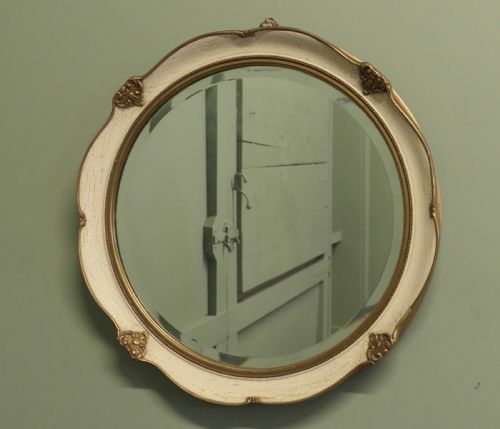
A French art deco vanity collection comprises dressing table items and furnishings originating primarily from the 1910s, 1920s, and 1930s. Buyers encounter perfume bottles, powder boxes, atomisers, pin dishes, and compacts alongside larger pieces like wall mirrors and washstands.
Moulded glass bottles and ceramic powder bowls dominate the smaller items, while chrome, brass, silver, and mirrored glass form the structural pieces. These objects reflect the functional dressing table accessories utilised during the art nouveau and art deco periods.
Materials and Working Methods
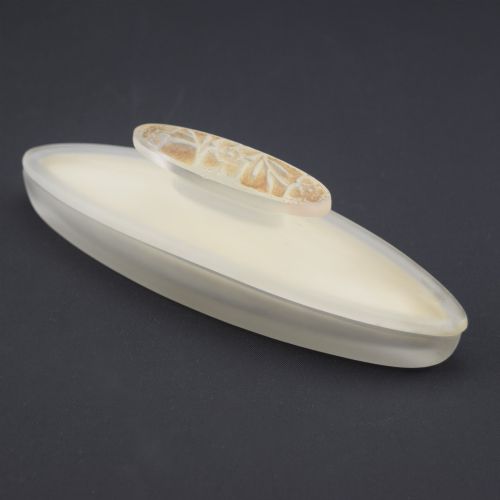
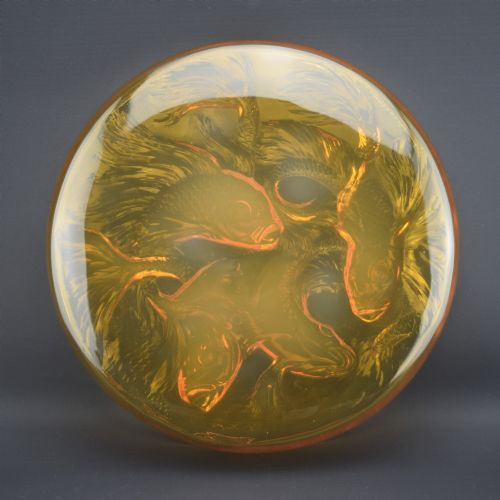
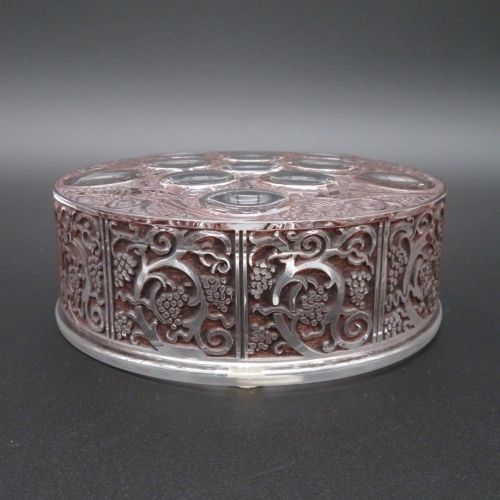
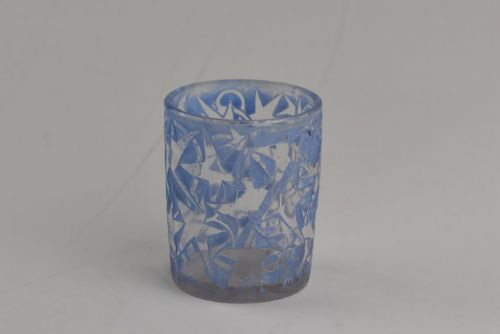
Glassmakers shaped clear, frosted, opalescent, and moulded glass into intricate scent bottles and boxes, frequently applying coloured staining to highlight relief details. Potters produced ceramic powder boxes and bowls, sometimes incorporating half-doll figures or delicate painted finishes.
Metalworkers fabricated mirrors, atomisers, and compacts using chrome, brass, silver, and gilt, occasionally embellishing surfaces with guilloche enamel or diamond and rose gold settings. Woodworkers constructed chests of drawers, work boxes, and washstands in oak.
French Art Deco Vanity Retail Price Guide 2026
Typical asking prices for french art deco vanity among the pieces listed under this phrase on Sellingantiques today, from the lower quarter to the upper quarter. They describe what is for sale here now, not the wider market.
Listings span three decades from 1910 to 1930, uniting glass, chrome, porcelain, and silver objects.
Distinctions in Execution
The sophistication of the moulded glass relief and the precision of the staining determine the visual depth of bottles and boxes. Pieces signed by established glassworks or ceramic houses demonstrate superior design control compared to unmarked utilitarian items.
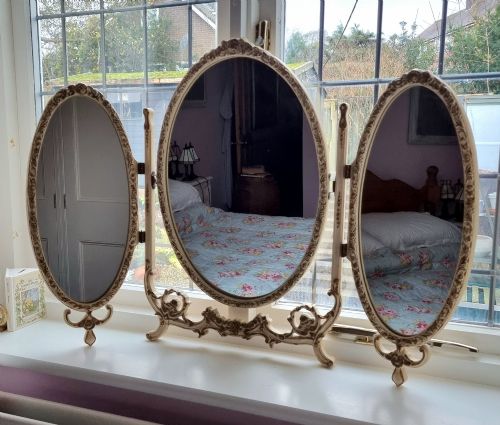
The complexity of the metalwork, such as adjustable triple mirrors or detailed enamel and silver mounts, separates standard dressing table accessories from finer luxury examples.
Rene Lalique·Sabino·Limoges·Van Cleef And Arpels·Brot
The French Art Deco Vanity Glossary
- Opalescent Glass
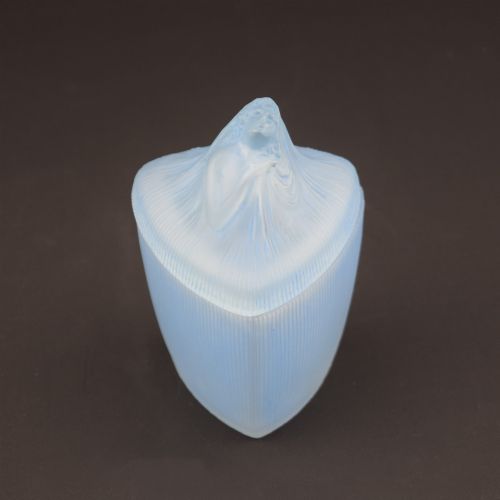
- Glass that diffuses light with a milky or pearlescent appearance. This material shifts in tone depending on the angle of illumination.
- Atomiser
- A spray bottle mechanism fitted to perfume bottles. It disperses liquid scent in a fine mist.
- Guilloche Enamel
- Metalwork decorated with precise engine-turned geometric patterns beneath a translucent enamel coating. It provides a glossy, patterned surface finish.
- Powder Box
- A lidded container designed to hold cosmetic powder on a dressing table. These often feature ceramic, glass, or metal bodies.
- Half Doll
- A ceramic upper torso figure attached to the lid of a powder box. These figures depict stylistic female forms from the period.
French Art Deco Vanity: Frequently Asked Questions
What items belong on a vanity?
Vanity accessories include glass perfume bottles, atomisers, powder boxes, trinket dishes, and compacts designed for cosmetics. Larger companion pieces comprise table mirrors, wall mirrors, and small chests of drawers.
These objects served dressing rituals on early twentieth-century dressing tables and washstands, combining practical utility with decorative display.
How do I identify glass types?
Glass pieces appear in clear, frosted, moulded, and opalescent finishes, sometimes featuring coloured staining within the relief decoration. Frosted surfaces offer a tactile, matte texture, while opalescent glass catches light with translucent, milky tones.
Maker signatures or moulded marks often appear on the underside of these glass bottles and boxes.
Where were these pieces made?
These dressing table items originated in France during the early decades of the twentieth century, spanning the art nouveau and art deco eras. French workshops and glasshouses produced the vast majority of these decorative bottles and mirrors.
Regional potteries and specialised metalworkers contributed ceramics and silver-plated accessories to the vanity market.
How should I display them?
Display perfume bottles and powder boxes on mirrored trays or dressing tables to reflect light through the coloured and frosted glass. Wall mirrors and adjustable shaving mirrors mount securely above a surface to replicate their original domestic placement.
Grouping items by material or maker highlights the distinct styles of the period.