



French Art Deco Shelf
A french art deco shelf brings geometric symmetry and striking materials to an interior, built for practical storage with distinct style.
French Art Deco Shelf
When you search for a french art deco shelf, you find pieces originating from the interwar period, alongside associated display shelving and coat racks featuring built-in storage tiers. These items combine the utility of a display surface or hanging rail with the signature linear geometry of the twentieth century.
The objects appearing on this page span from the 1920s to the 1930s, reflecting the height of the movement alongside industrial variations. Alongside dedicated shelving units, you encounter related items like cabinets and wall-mounted brass or iron hat and coat racks equipped with integrated shelves.
Materials and construction methods
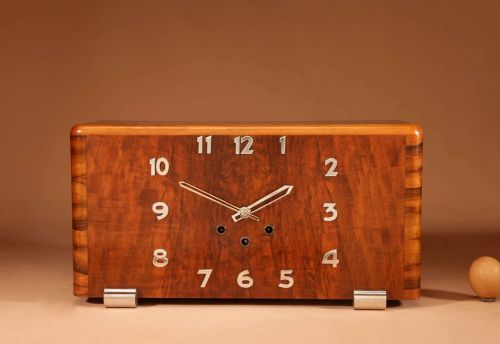
Construction relies heavily on durable metals paired with polished stone and timber. Makers utilised brass, chrome, iron, and bronze alongside rich hardwoods such as walnut to create robust frameworks designed for daily use.
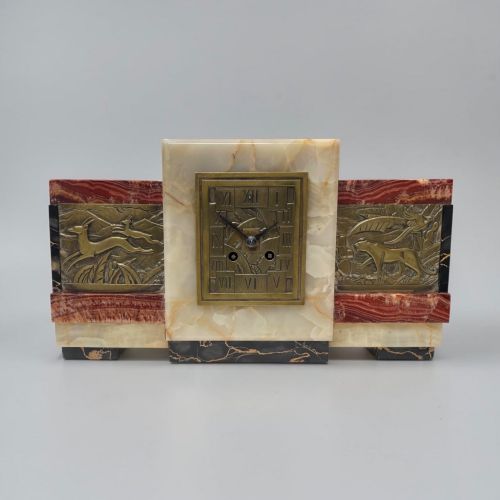
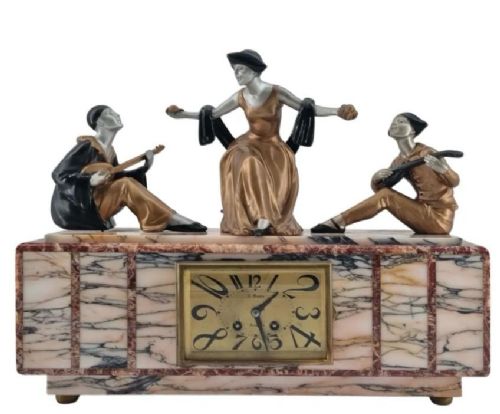
Surfaces frequently incorporate contrasting elements like marble and onyx to add weight and visual depth. This blending of industrial metals with natural mineral slabs defines the fabrication of the era.
French Art Deco Shelf Retail Price Guide 2026
Typical asking prices for french art deco shelf among the pieces listed under this phrase on Sellingantiques today, from the lower quarter to the upper quarter. They describe what is for sale here now, not the wider market.
Current listings feature items primarily dated to the 1920s and 1930s, constructed from brass, chrome, iron, walnut, and marble.
Markers of quality and execution
Quality rests in the precision of the metalwork and the integration of diverse materials. Superior examples display seamless joints between chrome frames and heavy stone bases or shelves, showing clean lines without clumsy fixings.
The choice of materials dictates the standing of a piece, where solid hardwoods and genuine marble elevate the construction above standard industrial variants. The harmony between the structural metal and the decorative surface determines the overall standard.
The French Art Deco Shelf Glossary
- Art Deco
- A design style characterised by sleek lines, geometric shapes, and a streamlined modern aesthetic popular during the 1920s and 1930s. It represents a departure from heavily ornamented historical revivals.
- Spelter
- An alloy of zinc and other metals used as a cheaper alternative to bronze for cast figures and ornaments. It is typically painted or electroplated to resemble more expensive metals.
- Chrome
- Chromium plating applied to base metals to provide a bright, corrosion-resistant finish. This shiny coating became a hallmark of modern industrial design during the interwar period.
- Onyx
- A banded variety of chalcedony quartz used for decorative bases and architectural elements. Its natural translucent layers provide a polished, variegated surface.
French Art Deco Shelf: Frequently Asked Questions
What materials are typical for these shelves?
Pieces combine metals like brass, chrome, and iron with natural surfaces such as marble, onyx, and walnut timber.
These varied elements provide both structural strength and distinct visual contrast typical of the period.
How do I date a french art deco shelf?
Dating relies on examining the specific combination of materials, such as tubular chrome or cast iron, paired with characteristic geometric forms from the 1920s and 1930s.
Construction techniques and the presence of industrial hardware also help place an object within the interwar timeframe.
Where were these pieces used originally?
These items served functional roles in hallways, bathrooms, and living spaces as practical storage for hats, coats, or display items.
Combination units often integrated mirrors and hooks alongside flat surfaces for everyday convenience.
Are all items strictly from the 1920s?
While the aesthetic centres on the interwar decades, production spans across the 1920s and 1930s with occasional industrial pieces.
Design styles evolved slightly over this twenty-year span, shifting from early geometric patterns to more streamlined modern forms.