





French Architectural Prints
These French architectural prints capture grand monuments and classical designs, offering a sophisticated way to bring historic European elegance into your home.
French Architectural Prints
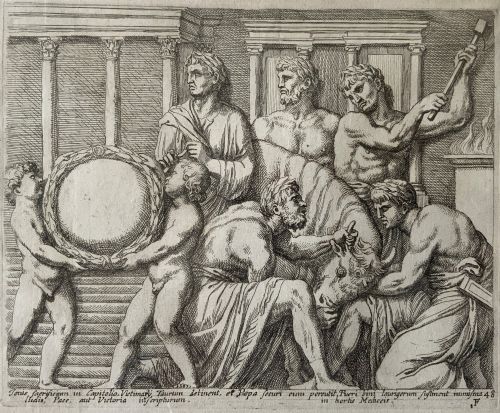
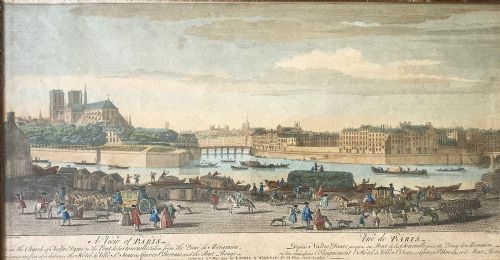
When you search for french architectural prints, you encounter works spanning several centuries, from detailed 17th-century engravings to 19th-century lithographs and early 20th-century pieces. The selection includes views of Paris, classical antiquities, pavilions, and architectural plans.
Most items you meet here are framed prints, engravings, or drawings on paper, often paired with glass and wood or gilt wood frames. Some examples feature original hand colouring or gold leaf details that enhance the visual depth of the design.
Origins and periods range widely, covering the 17th Century, 18th Century, Victorian era, 1920, and 1960. Styles encompass Neoclassical, Baroque, Georgian, and French Second Empire aesthetics.
How they were made
These works rely primarily on paper as a base, marked with ink through etching, engraving, lithography, or drypoint techniques. Artisans also applied charcoal and watercolour to certain drawings and prints for added texture and tone.
Framing materials include wood, gilt wood, and glass, occasionally accented with gold leaf to complement the printed imagery. The combination of traditional printmaking methods and period framing defines the physical presence of these pieces.
French Architectural Prints Retail Price Guide 2026
Typical asking prices for french architectural prints among the pieces listed under this phrase on Sellingantiques today, from the lower quarter to the upper quarter. They describe what is for sale here now, not the wider market.
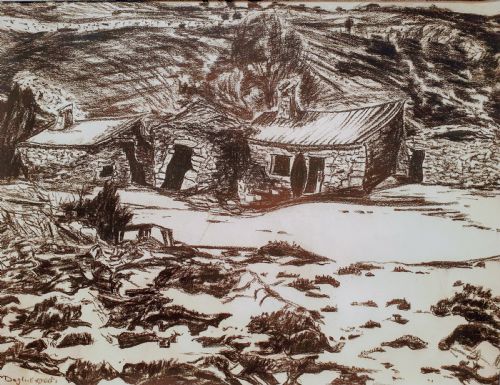
A windy day in Provence comes alive through charcoal.
What varies in quality
Quality rests on the precision of the line work and the clarity of the printed impression, whether from an early copperplate engraving or a later Victorian lithograph. Finer examples retain sharp details in complex architectural facades and classical motifs.
The choice of materials adds distinction, particularly where original hand colouring, charcoal work, or genuine gold leaf enrich the paper surface. Period framing using wood and gilt wood further elevates the presentation of the artwork.
François Perrier·Francis Dodd·Victor Valery
The French Architectural Prints Glossary
- Engraving
- An intaglio printing process where an artist cuts a design into a metal plate with a sharp tool. This technique produces crisp, fine lines suited to architectural detail.
- Etching
- A method where acid bites lines into a metal plate covered with an acid-resistant ground. It allows for free, expressive strokes often seen in classical antiquity prints.
- Lithography
- A planographic printing technique based on the repulsion of oil and water. It became widely utilised for plans and industrial views during the Victorian era.
- Drypoint
- A printmaking process where a needle is scratched directly into the metal plate, raising a burr that holds ink. This creates soft, velvety lines unique to certain etchings.
- Neoclassical
- A style inspired by the classical art and architecture of ancient Greece and Rome. It emphasises symmetry, proportion, and classical orders.
French Architectural Prints: Frequently Asked Questions
What periods do these prints cover?
The pieces span multiple centuries, including the 17th, 18th, and 19th centuries, alongside Victorian examples, 1920 works, and mid-century items.
This broad timeline means you can find everything from early baroque engravings to later industrial lithographs and charcoal drawings.
How should I frame and hang them?
Many items arrive already framed in wood, gilt wood, or glass, which protects the delicate paper surfaces from environmental damage.
Keep them away from direct sunlight to prevent the ink, watercolour, and paper from fading over time.
What subjects appear in these artworks?
Subjects range from detailed views of Paris and the Arc de Triomphe to pavilions in landscapes and technical architectural plans.
Classical antiquity and French provincial scenes also feature prominently across the various drawings and prints.