



French Accent Stool
A French accent stool brings decorative flair and practical seating to any room, offering the charm of period craftsmanship.
French Accent Stool
A French accent stool is a compact seating piece drawing on historical European design, typically found in Victorian interpretations and revival styles on this page. These pieces range from simple footstools to ornate window seats and prie-dieu chairs, originating from various periods including the nineteenth and early twentieth centuries.
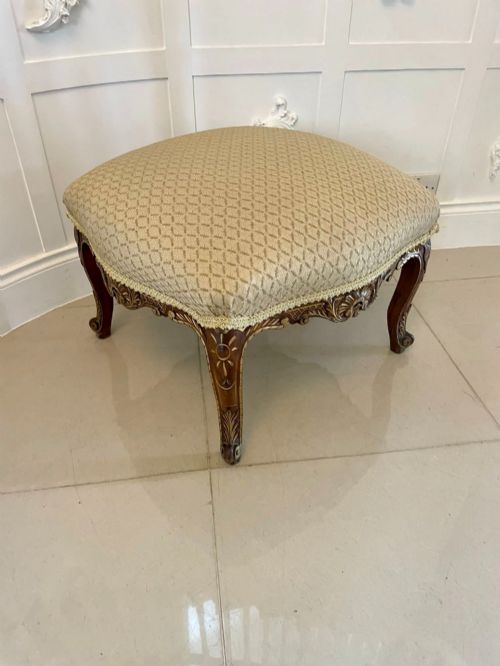
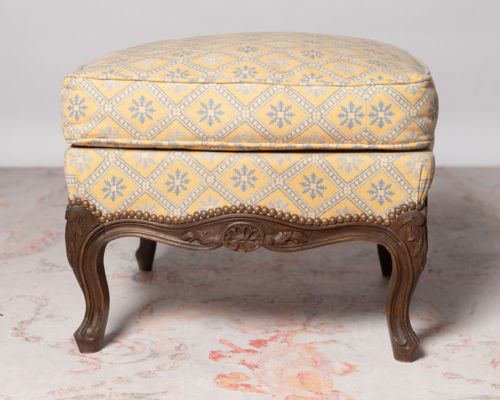
Buyers searching for a French accent stool encounter diverse forms such as giltwood frames, walnut structures, and painted pairs. Many examples incorporate traditional aesthetic markers like cabriole legs and curule shapes, reflecting French Chateau and Rococo Revival influences.
How they were made
Makers utilised solid timbers such as walnut and rosewood for structural stability, frequently carving the wood into curved and decorative profiles. Giltwood finishes were also applied to create a luminous, ornate surface appearance.
Upholstery completed the form, utilising textiles and tapestries to provide a soft seat. Brass elements sometimes supplemented the wooden frames for structural or decorative reinforcement.
French Accent Stool Retail Price Guide 2026
Typical asking prices for french accent stool among the pieces listed under this phrase on Sellingantiques today, from the lower quarter to the upper quarter. They describe what is for sale here now, not the wider market.
Listings feature items spanning the Victorian era through to the 1930s, utilising materials like walnut, giltwood, brass, and tapestry.
What varies in quality
Quality rests in the precision of the wood carving and the integrity of the frame construction, where fluid lines on cabriole legs show superior handwork. The depth and execution of the giltwood or painted finish also dictate the visual refinement of the piece.
The choice of covering materials, from simple fabric to antique tapestry, alters the textural richness. Original unmolested frames hold greater integrity than those with excessive later alterations.
A.M.E. Fournier
The French Accent Stool Glossary
- Cabriole leg
- A furniture leg that curves outward and then tapers inward, mimicking an animal's limb. This form is common in revival furniture.
- Giltwood
- Wood that has been coated with gold leaf or a gold-coloured finish. It creates a bright decorative surface.
- Curule stool
- An ancient Roman chair shape featuring X-shaped legs. This design appears in nineteenth-century decorative seating.
- Prie-dieu chair
- A devotional chair featuring a low seat and a tall upper rail for kneeling. These items often incorporate walnut frames.
French Accent Stool: Frequently Asked Questions
What is a French accent stool used for?
These compact seats serve multiple functions around the home, acting as footstools, window seats, or decorative accents in a hallway or bedroom. Their modest scale allows them to fit easily into smaller spaces while adding period character.
Historically, certain variations like prie-dieu chairs served specific devotional purposes, whereas others provided casual seating or foot support by a fireplace.
How do I date a Victorian French style stool?
Dating relies on examining the timber, construction methods, and stylistic revival markers present in the piece. Pieces from the nineteenth century often feature hand-carved walnut or rosewood frames characteristic of Victorian manufacturing.
Matching the design details, such as Rococo Revival curves or giltwood finishes, against known production periods helps narrow down the decade of creation.
Are these stools comfortable for daily seating?
Many examples are designed primarily for decorative display or occasional use rather than prolonged lounging. Stools ready for upholstery may require new padding and webbing before comfortable daily sitting is possible.
Firm horsehair or modern foam padding alters the sit significantly, so buyers should assess the interior stuffing if daily comfort is the goal.