

Freestanding Wooden Shelves
Freestanding wooden shelves are practical pieces of furniture designed to hold books and objects without needing wall support.
Freestanding Wooden Shelves
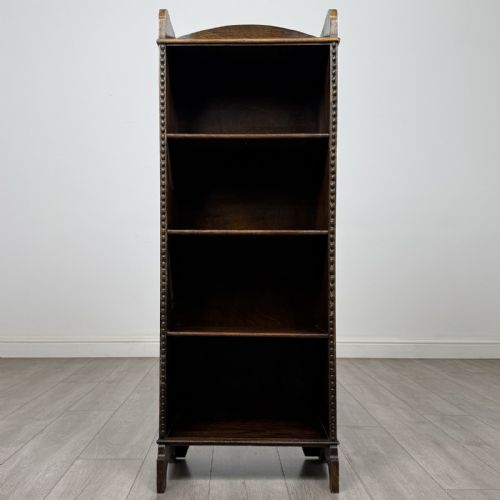
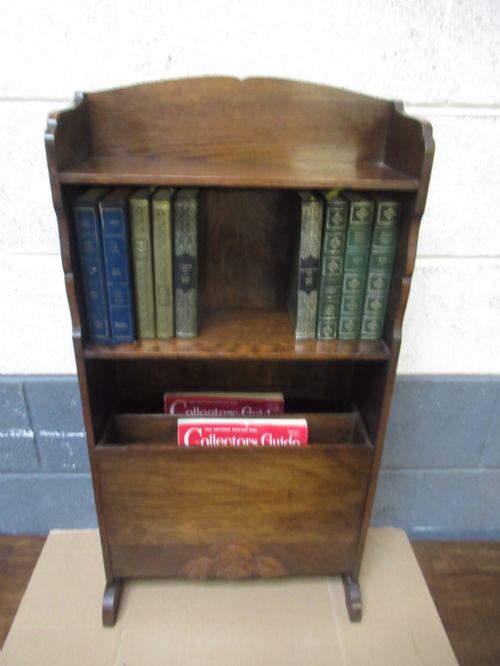
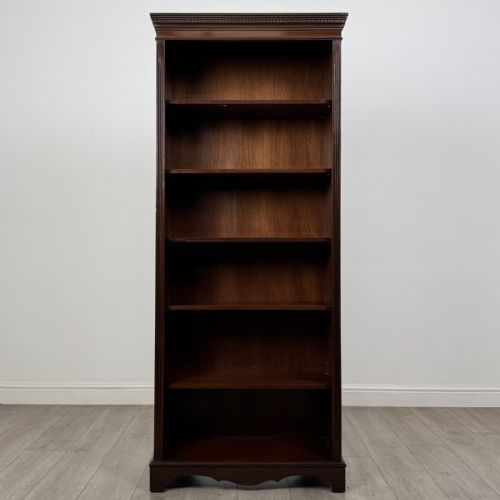
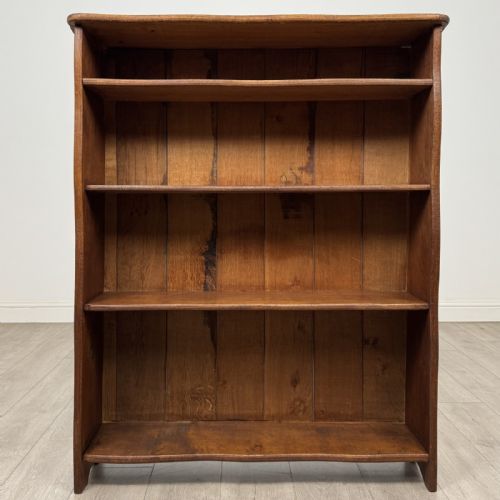
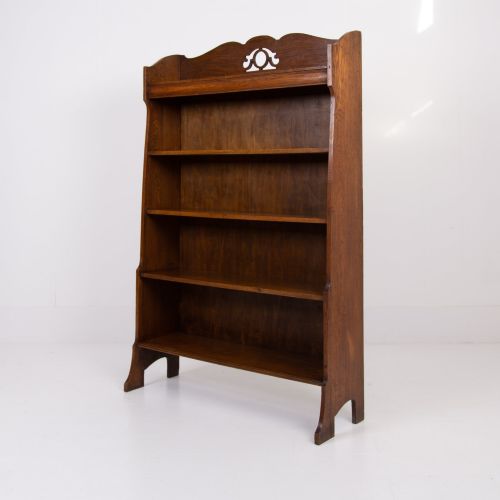
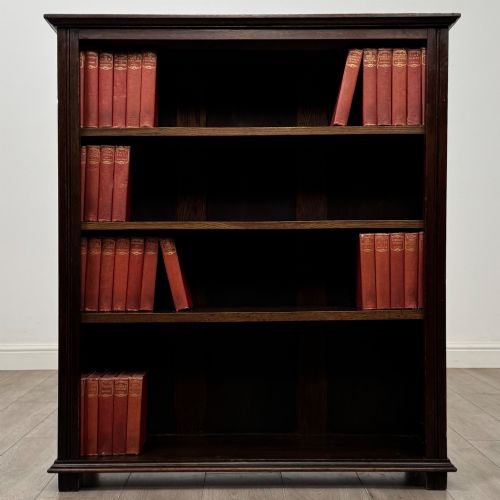
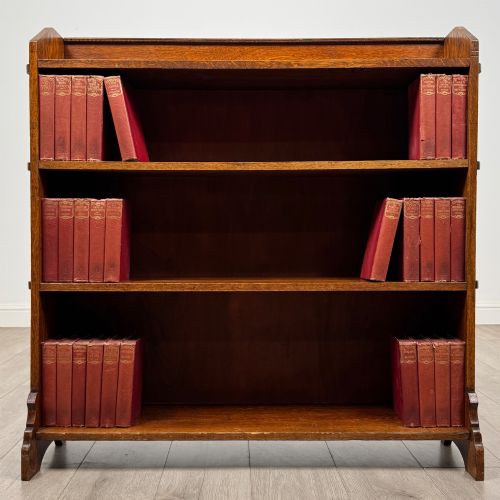
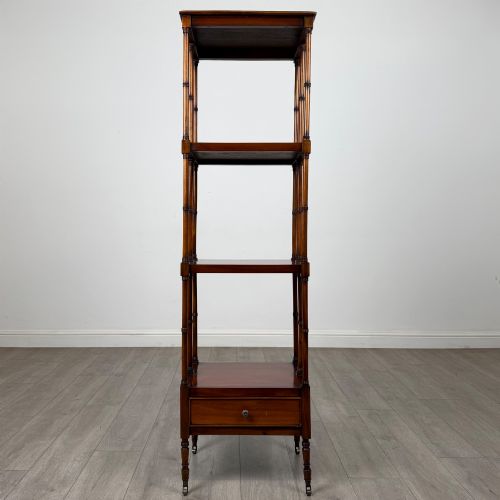
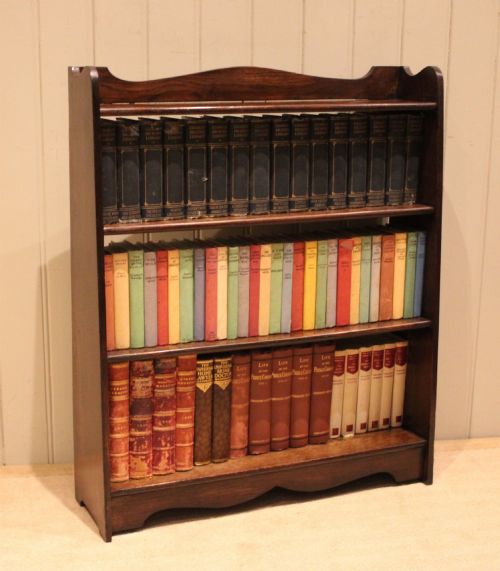
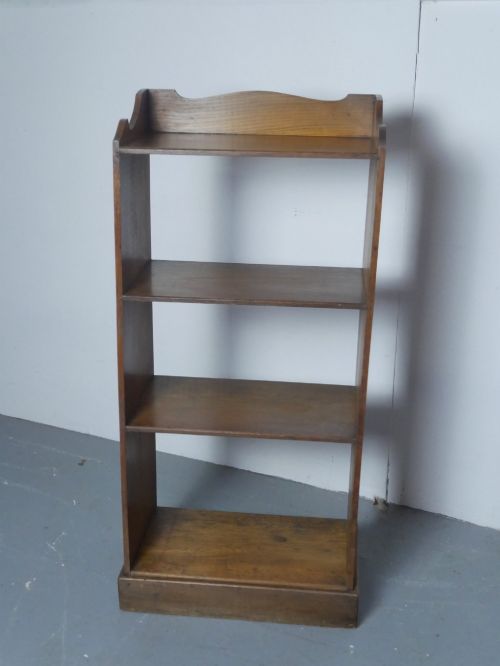
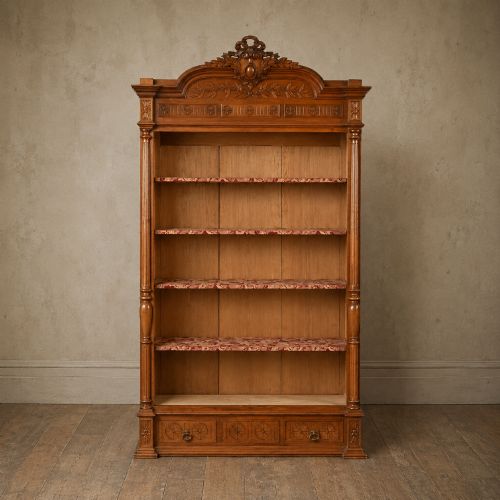
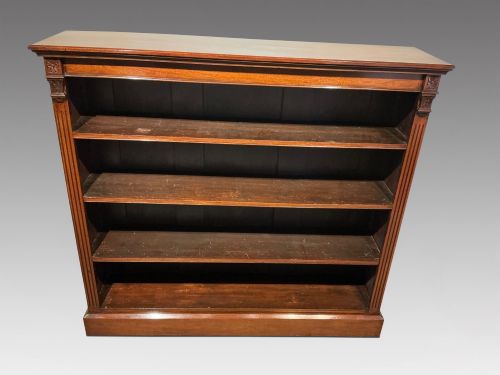
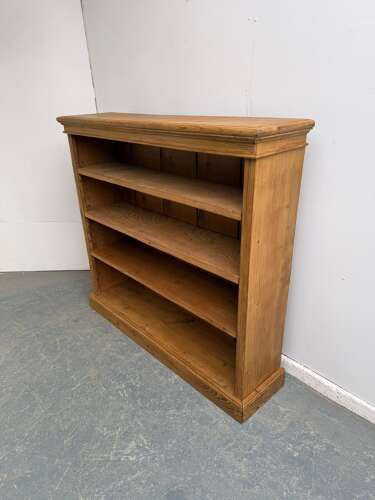
Freestanding wooden shelves appear in various forms across this page, most commonly as open bookcases and bookcases and shelving units. Buyers look for these items to provide accessible storage for books and display items in domestic rooms. The selection includes specific historical designs such as whatnots and shoe racks alongside standard shelving.
The pieces on this page span several periods, with Edwardian and nineteenth-century examples appearing frequently alongside 1920 and 1930 designs. Oak and mahogany represent the primary timbers encountered by a buyer browsing these listings. Other variations include pine, walnut, burr walnut, and exotic woods such as padauk and partridge wood.
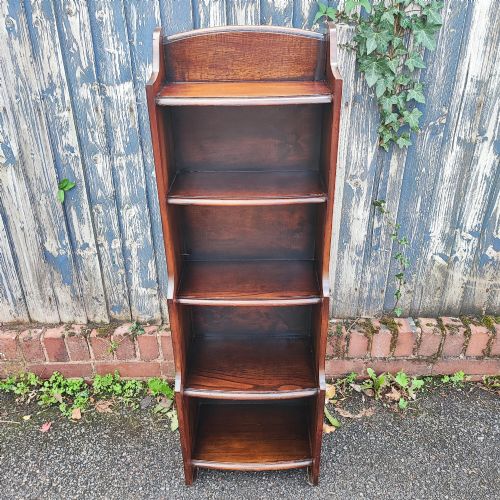
Styles range from straightforward Edwardian and Victorian models to Arts and Crafts, Art Deco, and rustic country or rustic Indian interpretations. Buyers will find configurations such as revolving bookcases, waterfall bookcases, and large library bookcases. Each style reflects the manufacturing preferences and domestic requirements of its respective era.
How they were made
Makers utilised solid timbers and veneers, applying oak, mahogany, walnut, and pine across different structural frameworks. Carpenters and cabinet makers joined boards using traditional techniques to ensure stability for heavy book collections. Some pieces incorporate brass fittings, iron elements, or carved details such as decorative cut-outs and mouldings.
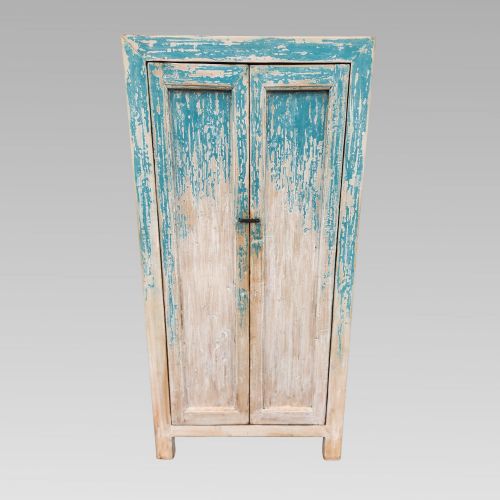
Surface finishes vary from waxed pine and golden oak to polished flame mahogany and painted finishes on reclaimed Indian cedar and teak. Adjustable shelf mechanisms appear in several variants, allowing owners to alter internal heights. Joinery methods support both simple country pine shoe racks and exhibition quality burr walnut whatnots.
Freestanding Wooden Shelves Retail Price Guide 2026
Typical asking prices for freestanding wooden shelves among the pieces listed under this phrase on Sellingantiques today, from the lower quarter to the upper quarter. They describe what is for sale here now, not the wider market.
Scottish pine shoe racks bring a touch of muddy Highland mudrooms directly into your refined Victorian hallway.
What varies in quality
The choice of timber and veneer fundamentally separates simpler utility pieces from high-end examples. Figures using burr walnut, flame mahogany, or partridge wood demonstrate superior material selection compared to standard pine or utility oak. Finer pieces often feature careful carving, decorative mouldings, and exhibition quality construction.
The scale and ambition of the design also distinguish different grades of freestanding shelving. Large breakfront bookcases, revolving models, and multi-tiered whatnots require complex engineering compared to basic open bookcases. The integration of solid timber boards and refined finishing techniques marks the upper end of the range.
The Freestanding Wooden Shelves Glossary
- Whatnot
- A multi-tiered piece of freestanding furniture designed for displaying ornaments or books. These items typically feature several open shelves supported by slender pillars or columns.
- Breakfront
- A piece of furniture having a central section that projects forward from the flanking sections. This architectural arrangement adds depth and visual complexity to large bookcases.
- Padauk
- A heavy tropical hardwood known for its deep reddish colour and durability. Cabinet makers utilised this timber for distinct overseas pieces during the nineteenth century.
- Waterfall bookcase
- A set of open shelves where each upper tier is narrower than the one below, creating a stepped profile resembling cascading water. This form gained popularity during the Edwardian era.
- Partridge wood
- An exotic hardwood displaying a speckled grain pattern resembling partridge feathers. This dense material appears on select nineteenth-century freestanding furniture.
Freestanding Wooden Shelves: Frequently Asked Questions
How do I clean wooden shelves?
Dust the surfaces regularly with a soft, dry cloth to prevent dirt accumulation. Avoid harsh chemical sprays that can strip traditional wax or polish finishes.
Apply a quality beeswax periodically to nourish timber surfaces like oak and mahogany. Maintain stable room humidity to protect antique wood from warping or cracking.
What is an open bookcase?
An open bookcase is a freestanding piece of furniture featuring exposed shelves without doors. This design allows for immediate access to book collections and decorative objects.
Such units range from compact Edwardian oak models to large nineteenth-century library bookcases. They provide an airy alternative to enclosed storage cupboards.
Are these shelves adjustable?
Many of the shelving units and bookcases featured here include adjustable shelf mechanisms. These systems allow users to change shelf heights to accommodate books of various sizes.
Fixed shelves also appear frequently, particularly on older rustic pieces and simpler utility furniture. Check individual descriptions to confirm whether shelf positions can be altered.
How do I identify Edwardian furniture?
Edwardian furniture typically dates from the reign of King Edward VII between 1901 and 1910. These pieces often utilise oak or mahogany with lighter, more graceful proportions than heavy Victorian designs.
Craftsmen during this period frequently drew inspiration from earlier Georgian and Sheraton styles. They incorporated subtle inlay work and clean lines while retaining practical utility.