

Freestanding Rack
A freestanding rack solves the perpetual problem of hallway and room clutter by offering portable storage for coats, hats, magazines and towels.
Freestanding Rack
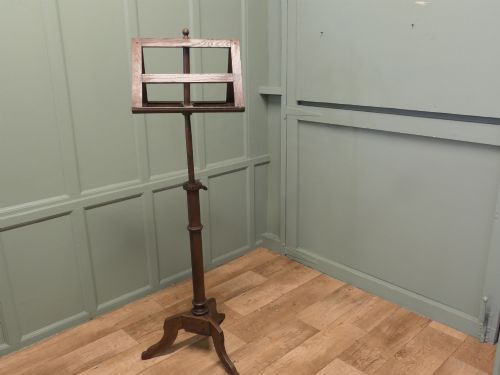
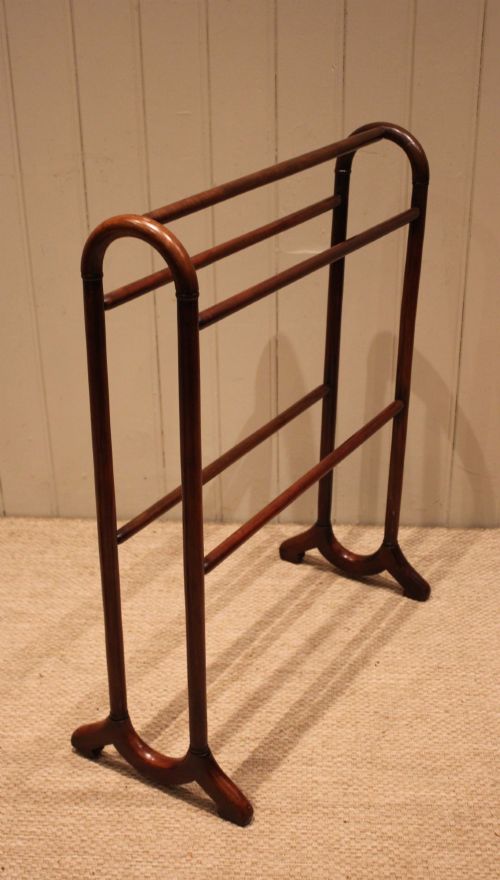
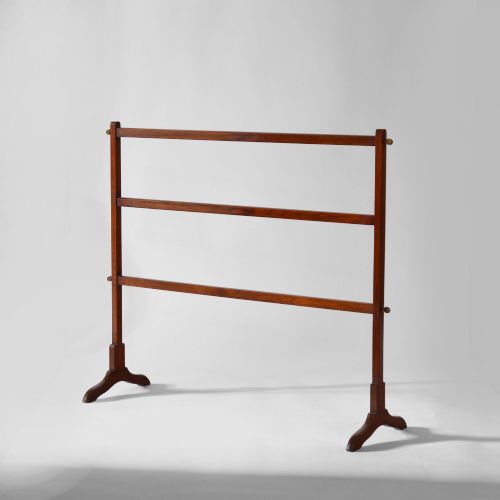
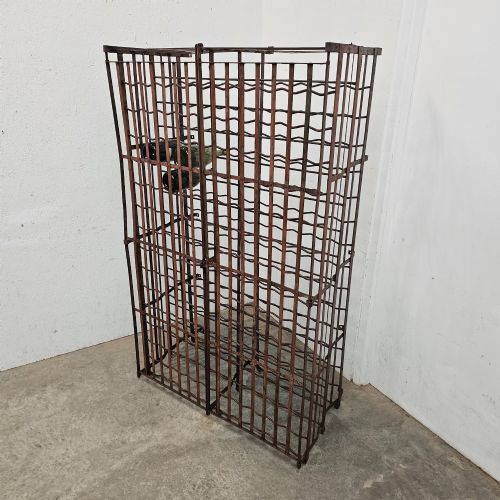
When searching for a freestanding rack, you encounter a diverse collection of domestic furniture primarily designed for hanging garments, holding reading materials or drying towels. These items span from the Victorian and Edwardian eras into the early twentieth century, reflecting the shifting domestic needs of those periods.
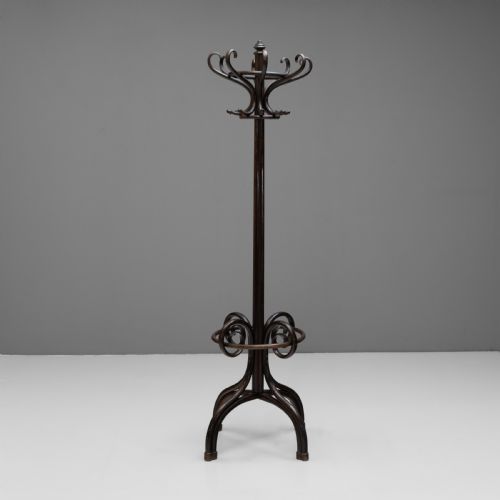
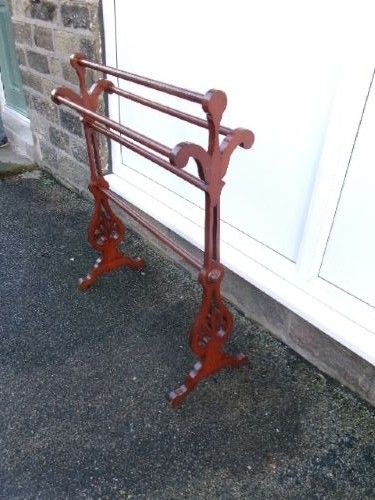
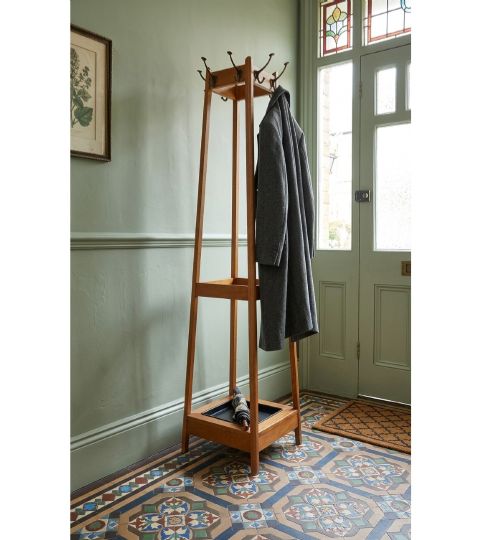
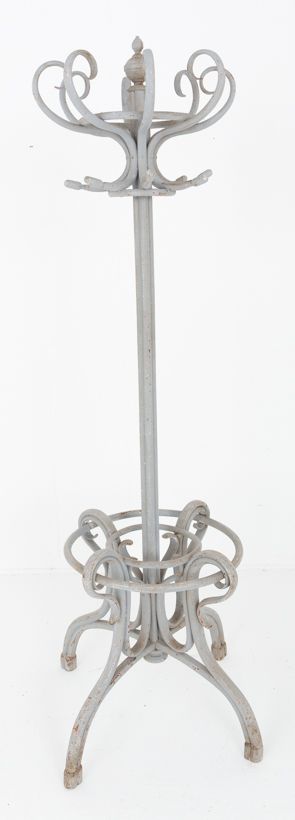
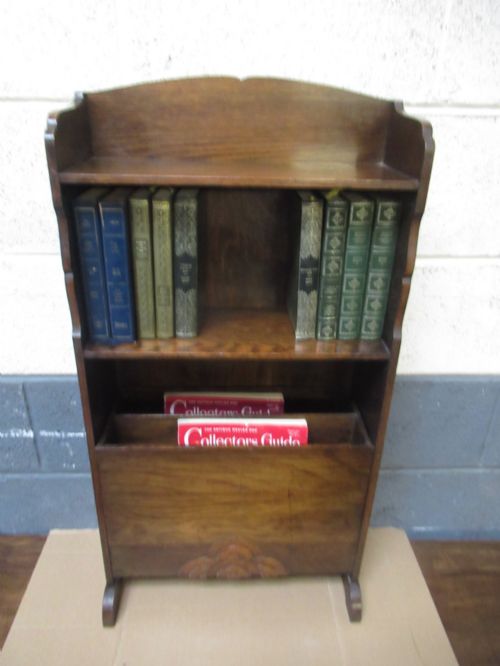
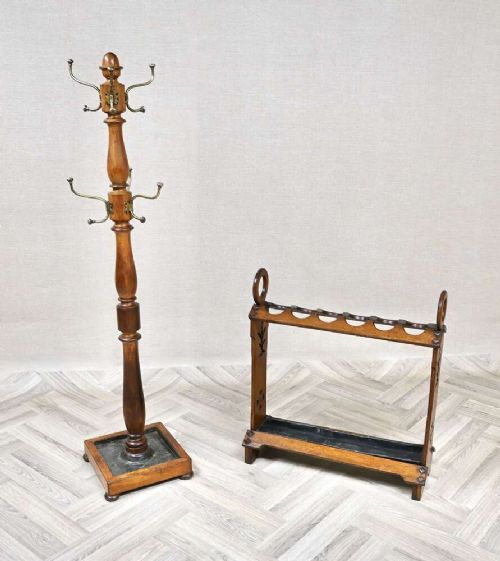
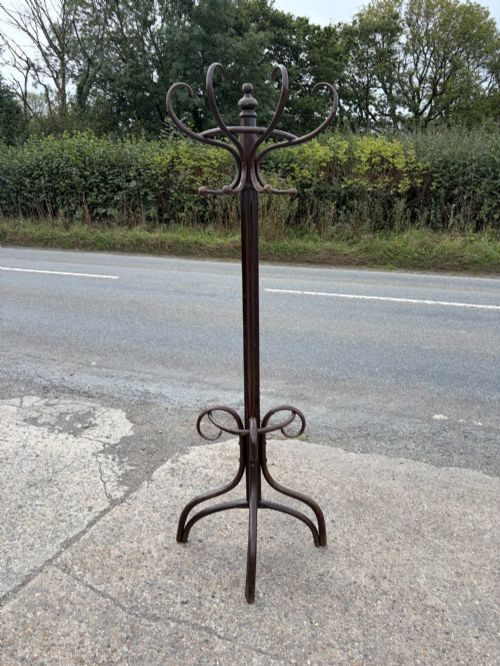
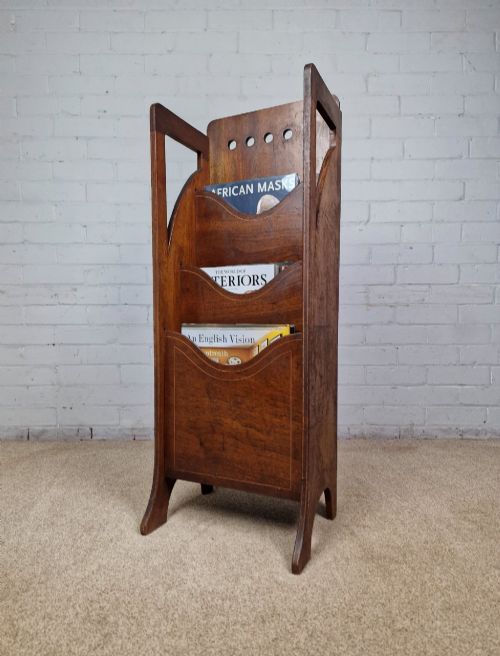
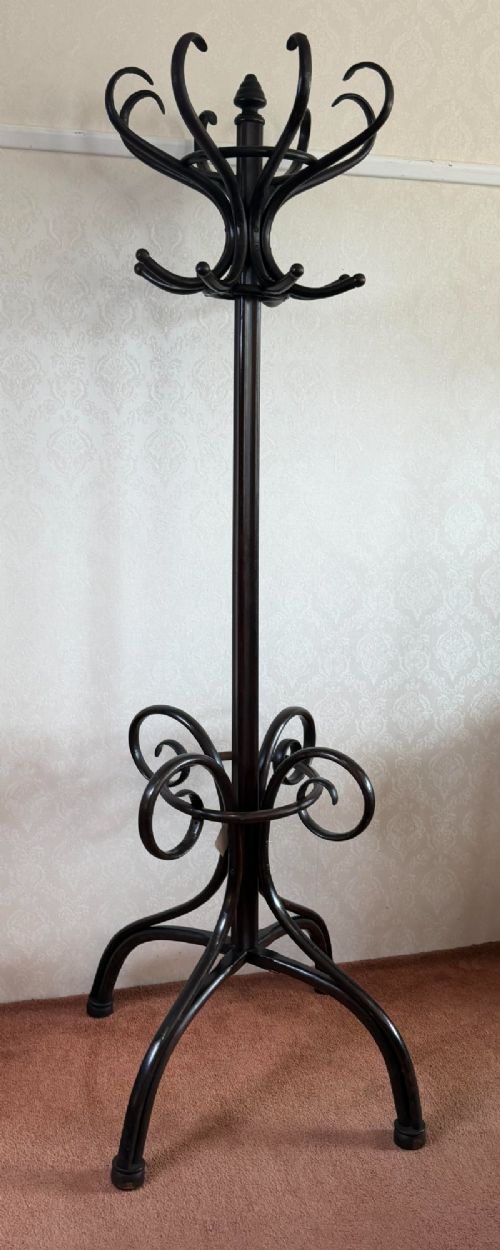
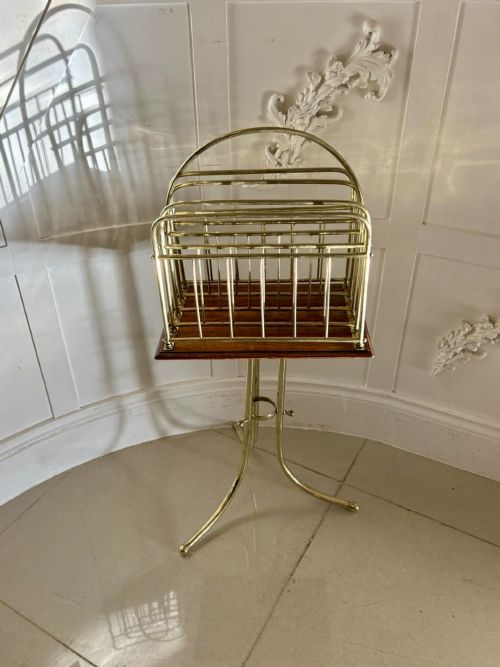
The most frequent examples on this page are coat and umbrella stands alongside magazine racks, towel rails and bookcases. Hall stands and bentwood hatstands also appear regularly, offering tall upright storage solutions fashioned from sturdy timbers and flexible woods.
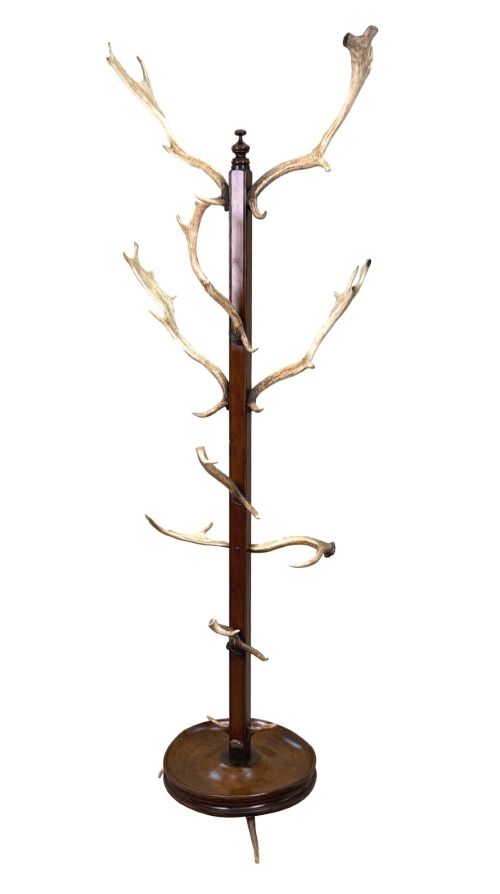
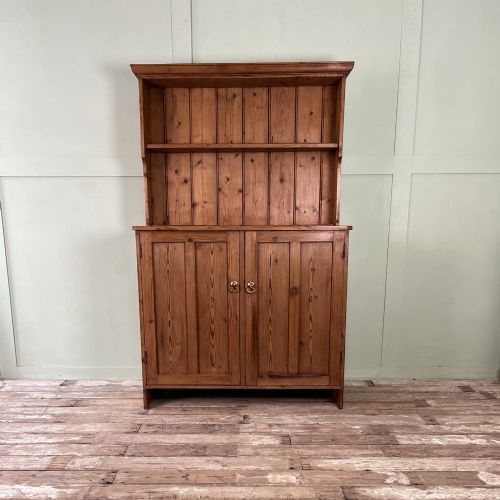
Origins stretch across English country workshops, continental makers, and occasional far eastern pieces like lacquered robe stands. Buyers find everything from utilitarian pine and oak pieces to elaborate walnut hall trees adorned with antlers or brass fittings.
Materials and construction
Makers relied heavily on solid hardwoods such as oak, mahogany and walnut, alongside beech and beechwood utilised for bentwood techniques. Metal elements like brass, chrome and cast iron appear in drip trays, hooks and structural frames, adding both utility and contrast.
Bentwood construction involved steaming timber until pliable, then bending it into graceful curved shapes favoured for hat and coat stands around nineteen hundred. Joinery techniques varied from traditional mortise and tenon joints in Arts and Crafts oak items to specialised turning and carving on Victorian hall trees.
Freestanding Rack Retail Price Guide 2026
Typical asking prices for freestanding rack among the pieces listed under this phrase on Sellingantiques today, from the lower quarter to the upper quarter. They describe what is for sale here now, not the wider market.
Listings feature oak, mahogany, walnut, beech, pine, metal and bentwood forms spanning the Victorian era through the nineteen thirties.
Craftsmanship and distinction
Quality in a freestanding rack reveals itself through the selection of timber and the integrity of its structural joins. Superior pieces exhibit dense, well-figured oak, mahogany or walnut, whereas simpler versions utilise pine or mixed secondary woods.
The sophistication of the hardware and turning marks the upper tiers of production. Original brass hooks, heavy cast iron drip trays, and finely carved detailing elevate a standard utility item into a refined example of period craftsmanship.
Thonet·Finnigans·Dubois of Lyon
The Freestanding Rack Glossary
- Bentwood
- Furniture formed by steaming wood and bending it into curved shapes. This technique created lightweight yet resilient coat and hat stands during the Victorian and Edwardian periods.
- Hall stand
- A tall piece of furniture placed near an entrance to hold outerwear, umbrellas and walking sticks. Many examples incorporate a mirror, coat hooks and a lower drip tray.
- Valet
- A freestanding stand designed to hold a gentleman's suit, tie and accessories overnight. These items often combine wood and chrome elements.
- Drip tray
- A metal pan positioned at the base of coat and umbrella stands to catch moisture from wet umbrellas. They protect flooring from water damage.
Freestanding Rack: Frequently Asked Questions
Where should I place a hall stand?
A hall stand belongs in an entrance hall or boot room where guests and residents remove outerwear. Position it near the main doorway for convenient access to coats and umbrellas.
Ensure there is sufficient clearance around the piece for hanging garments and pulling out lower umbrella trays without obstructing the pathway.
How do I clean a bentwood coat rack?
Dust the bentwood frame regularly with a dry or slightly damp soft cloth to preserve the polished surface. Avoid soaking the wood or using harsh chemical cleaners that might damage the vintage finish.
Period shellac or wax finishes respond well to occasional applications of appropriate furniture wax to maintain their natural sheen.
Can I use a towel rail in a bedroom?
A freestanding towel rail functions effectively in a bedroom or dressing room as a clothes airer or quilt display. Mahogany and oak rails offer sturdy bars for draping garments overnight.
Their slender profile allows them to fit neatly against a bedroom wall or in a corner without taking up excessive floor space.
What is the difference between a hall tree and a coat stand?
A hall tree typically refers to a larger, more architectural piece featuring a central mirror, panelled back, glove boxes and umbrella storage. They were statement items in Victorian and Edwardian entrance halls.
A coat stand generally describes a simpler upright pole with radiating hooks at the top, focusing purely on hanging garments and hats.