



Freestanding Book Unit
A freestanding book unit provides flexible storage for your volumes, appearing across periods from the nineteenth century through the 1930s in oak, mahogany, and pine.
Freestanding Book Unit
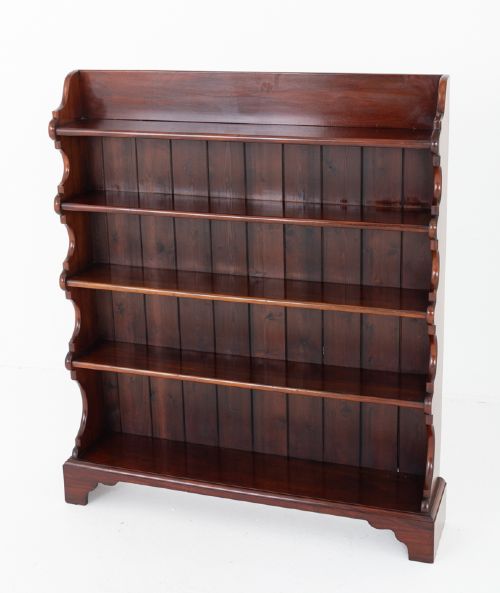
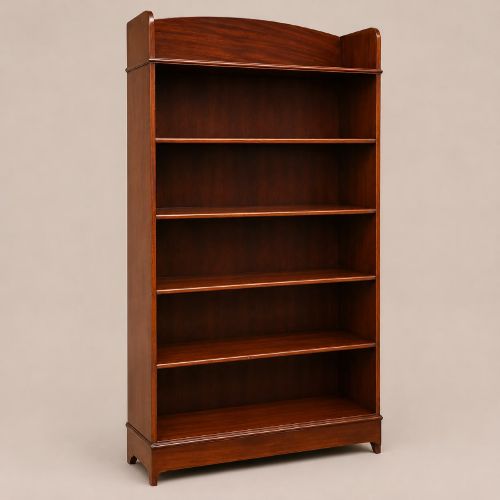
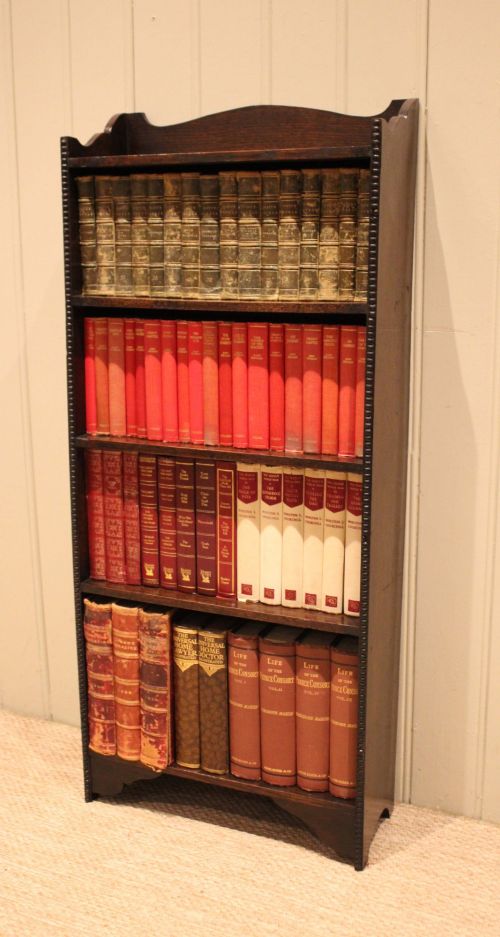
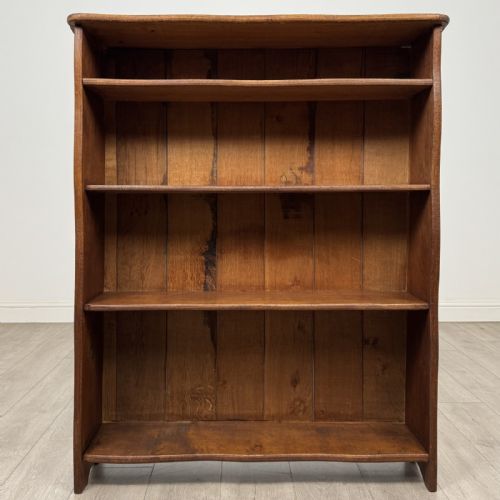
A freestanding book unit is designed to stand independently against a wall or within a room, serving various storage needs for books and magazines. When exploring the category of a freestanding book unit, you encounter pieces intended for domestic libraries, studies, and living spaces.
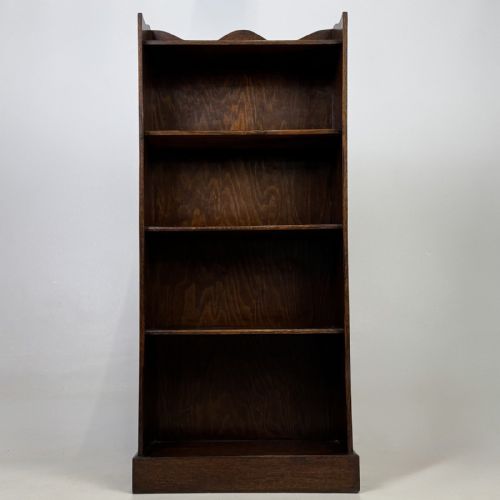
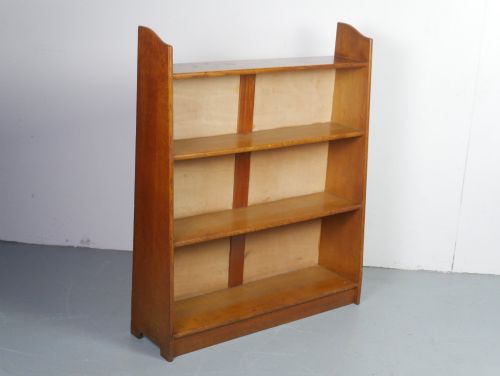
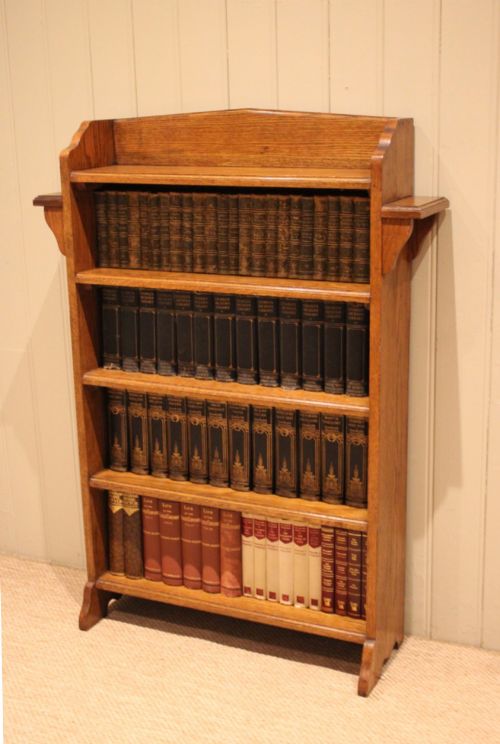
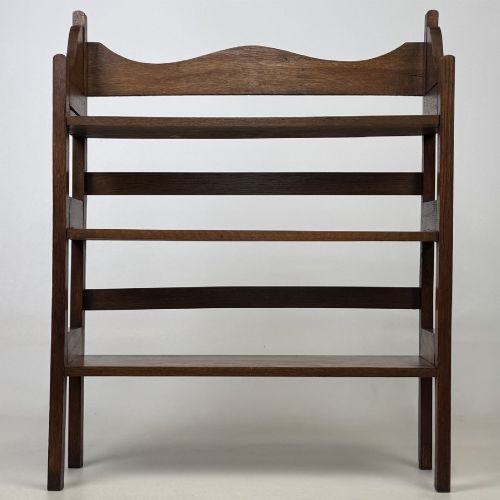
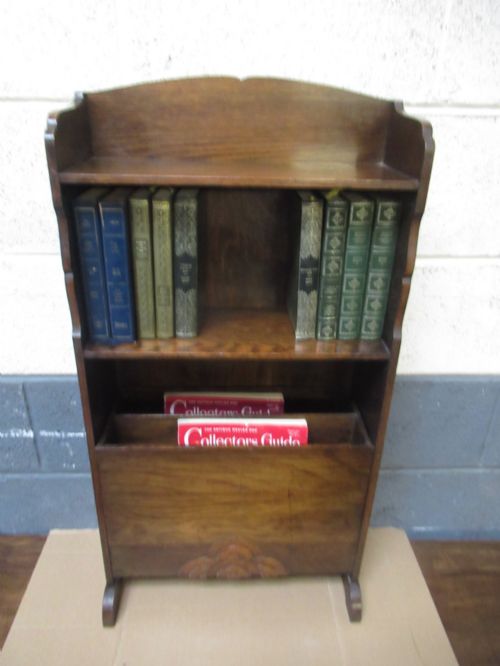
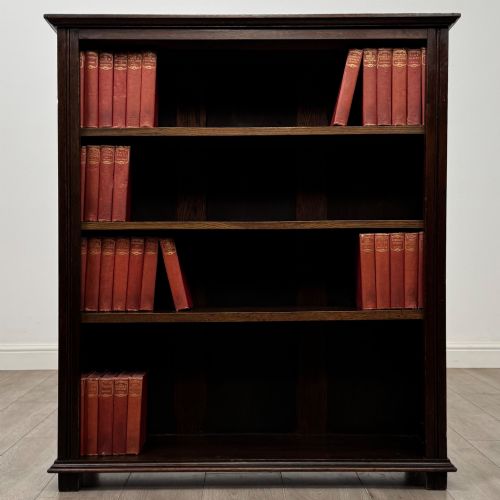
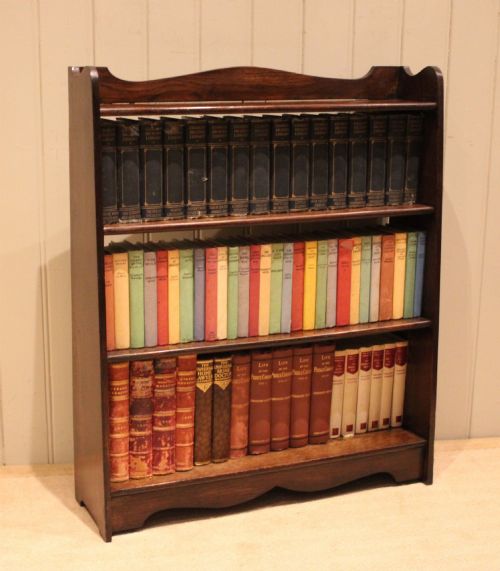
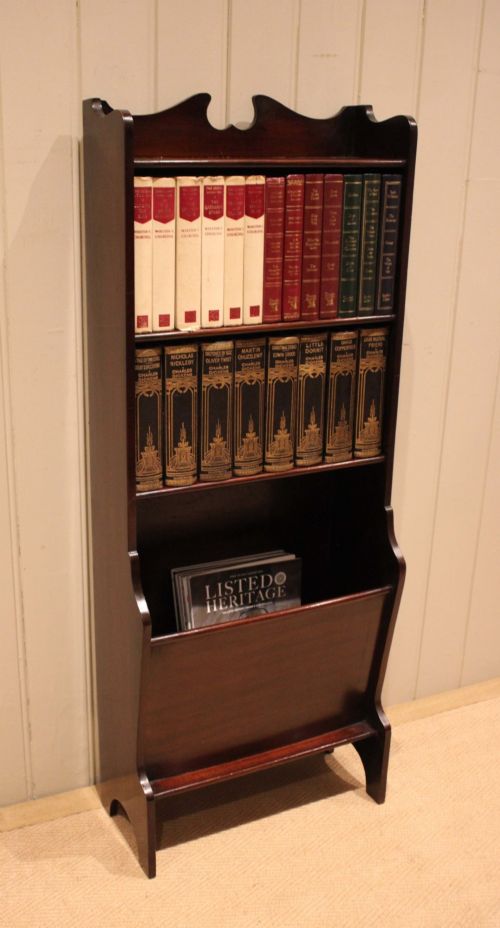
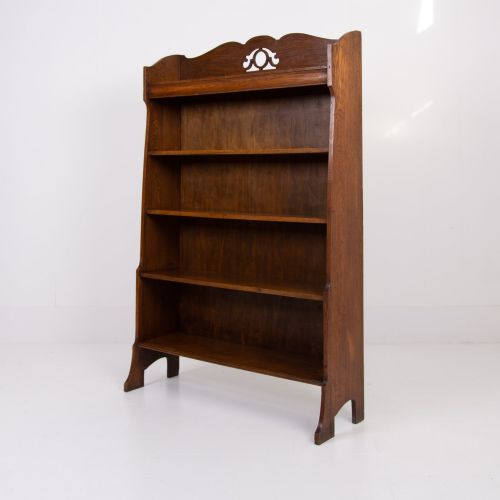
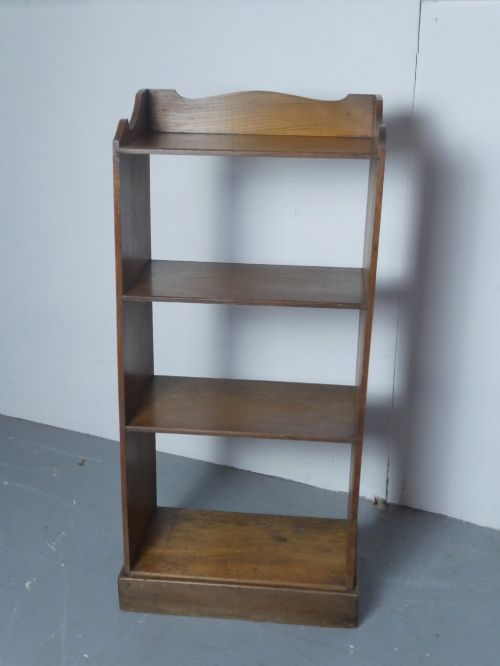
The selections span distinct periods including the nineteenth century, the Edwardian era, and the 1930s. Forms range from open bookcases and angled shelves to combinations featuring magazine racks and raised galleries.
Oak and mahogany dominate the selection, accompanied by pine and brass details. Styles stretch from Victorian and Empire to Arts and Crafts and Art Deco.
Materials and construction
Makers utilised solid timbers such as oak, mahogany, and pine to build these structures. Grain patterns and natural warmth of the wood dictate the visual presence of each piece.
Construction techniques include shaped sides, decorative cut-outs, raised galleries, and mouldings applied to the front. Adjustable shelving appears in specific Edwardian examples, adding functional versatility to the carpentry.
Freestanding Book Unit Retail Price Guide 2026
Typical asking prices for freestanding book unit among the pieces listed under this phrase on Sellingantiques today, from the lower quarter to the upper quarter. They describe what is for sale here now, not the wider market.
Evaluating craftsmanship
Quality in a freestanding book unit rests upon the selection of timber and the precision of the joinery. Superior pieces display thoughtful integration of decorative elements like mouldings, raised galleries, and shaped sides without compromising structural integrity.
The proportion of the piece and the condition of the timber finish distinguish finer examples from standard utility items. Consideration of period characteristics, such as Arts and Crafts cut-outs or Art Deco lines, guides the assessment of design execution.
The Freestanding Book Unit Glossary
- Open bookcase
- A shelving unit without doors, allowing direct access to the books stored within.
- Raised gallery
- A low protective rail or rim around the top surface of a piece.
- Magazine rack
- A built-in or attached section designed specifically to hold periodicals upright.
- Empire Style
- A neoclassical design movement originating in the nineteenth century, characterised by classical motifs.
- Arts and Crafts
- A design movement valuing handcraftsmanship and simple, honest construction.
Freestanding Book Unit: Frequently Asked Questions
What is a freestanding book unit?
A freestanding book unit is a movable piece of furniture designed to hold books, magazines, and display items without requiring wall attachment.
These pieces range from compact open shelving to larger bookcases featuring decorative mouldings or integrated magazine stands.
How do I date an oak bookcase?
Dating relies on observing stylistic markers such as Arts and Crafts cut-outs, Art Deco mouldings, or Edwardian raised galleries.
Construction methods and timber selection also offer clues, helping place the piece within the nineteenth century, the Edwardian period, or the 1930s.
Where should I place my bookcase?
A freestanding book unit suits studies, living rooms, and bedrooms where accessible book storage is required.
Because the piece is finished to stand independently, it can also function as a room divider or anchor an empty wall space.
Are these bookcases adjustable?
Certain pieces, particularly from the Edwardian period, feature adjustable shelving systems to accommodate varying book heights.
Many other examples utilise fixed shelves built directly into the oak or mahogany frame during original construction.