

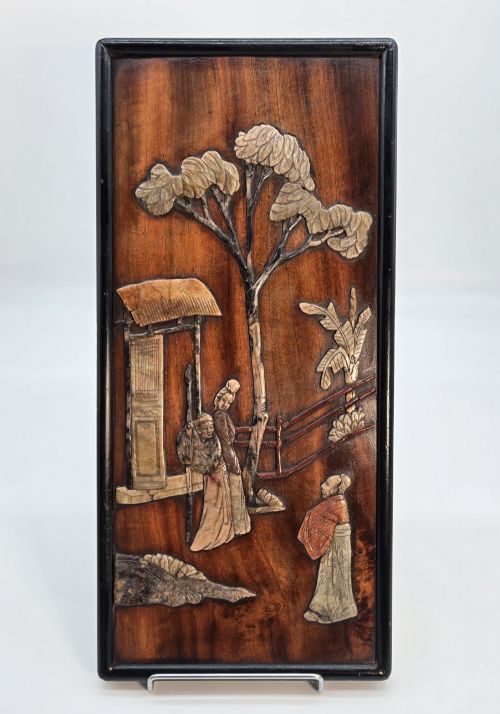


Framed Stone Artwork
Framed stone artwork brings together carved geological panels and painted architectural subjects across centuries of craftsmanship.
Framed Stone Artwork
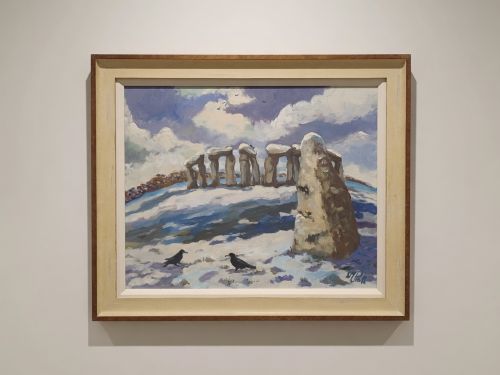
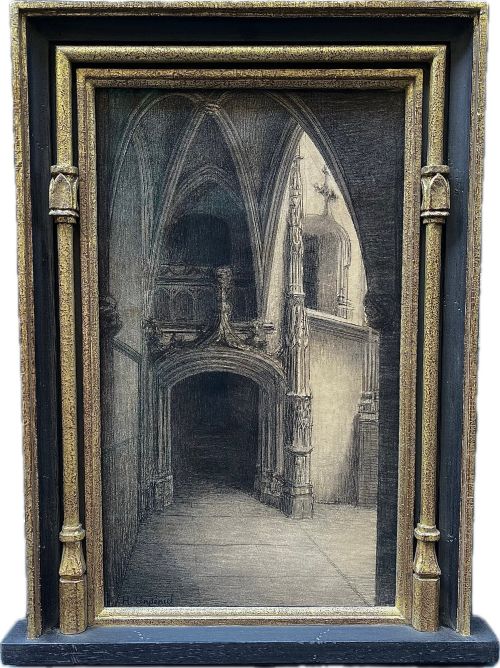
When you search for framed stone artwork, you encounter carved pictorial panels, intricate marble inlays, and paintings depicting monumental stone structures from the nineteenth and early twentieth centuries. The selection ranges from Chinese carved stone framed pictures to Italian pietra dura marble panels and oil paintings capturing ancient monuments like Stonehenge.
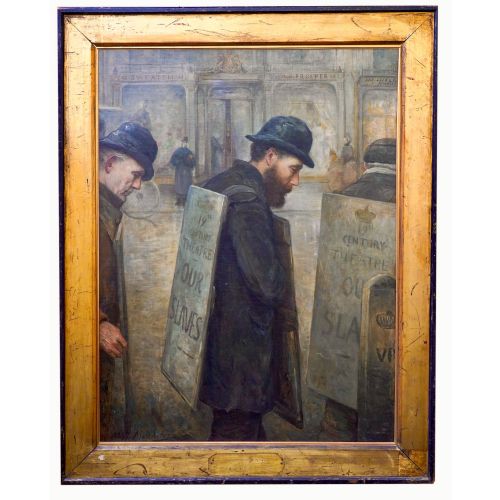
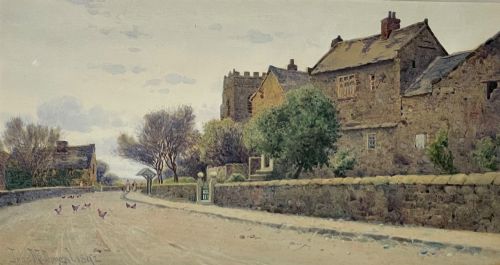
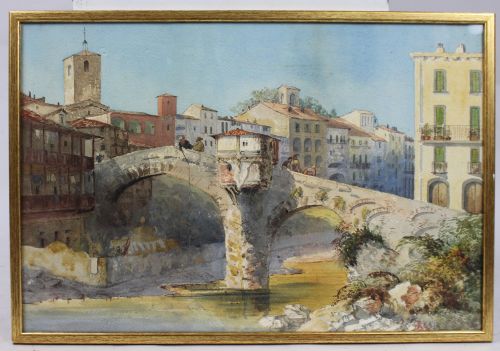
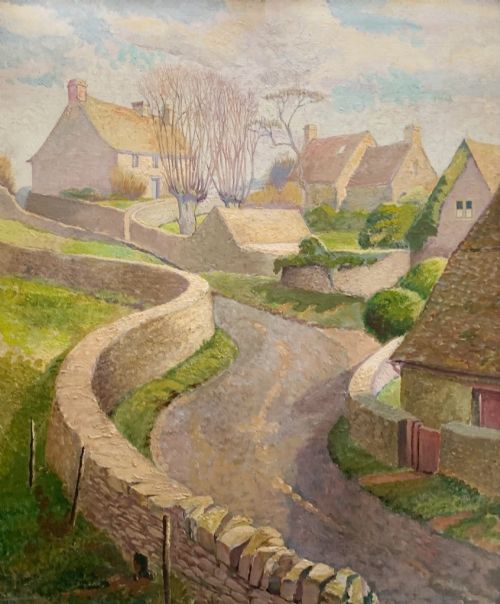
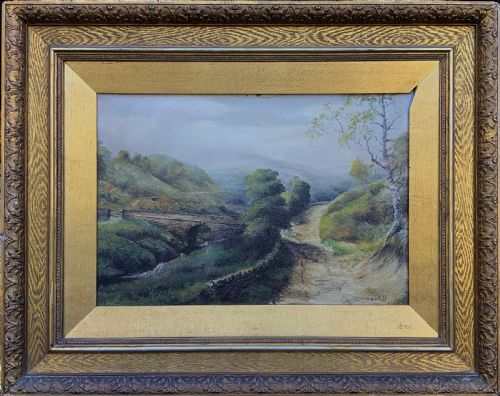
The objects most frequently met on this page span the Victorian period through to the mid-twentieth century, capturing landscapes with bridges, castles, and rugged masonry. These pieces vary from delicate watercolours depicting stone cottages to substantial oil paintings and heavy relief plaques mounted for display.
Materials and construction methods
Makers utilise natural mineral slabs, hardstones, and marble, shaping them through precise cutting and polishing techniques to create smooth pictorial surfaces. Pietra dura panels rely on meticulously fitted coloured stones assembled together to form figurative scenes.
Traditional framing houses secure these heavy media using robust wood surrounds, occasionally mounting works onto canvas, paper, or wooden panels. Painters apply oil and watercolour paints to paper, canvas, and board to depict stone architecture and natural rock formations.
Cherubs occasionally peek from nineteenth-century panels, reminding viewers that even solid stone can harbour mischievous spirits.
Distinctions in execution and finish
The level of detail in the stonemasonry or the precision of the brushwork defines the upper tier of these pieces. Fine marble inlays demonstrate exact stone alignment and subtle colour gradations, whereas simpler works rely on basic surface applications.
The structural integrity of the frame and the preservation of the underlying support material dictate the overall condition standard. Superior examples maintain intact mountings and stable pigments across both canvas and mineral surfaces.
Felix Stone Moscheles·John McDougal·Lucy Pratt·Florence Adelina Hess·Rowland Henry Hill·Alfred Holst Tourrier·Claude Jousset·Percy Lancaster·Thomas Lound·John Frederic Greenwood·James H Hulse·Fred Lawson·Noel Harry Leaver·Willie Stephenson·Herbert Royle·Franz Reder Broili·Ernest Higgins Rigg·George Willis Pryce·William Jones of Bath·Stanley Orchart
The Framed Stone Artwork Glossary
- Pietra dura
- An Italian mosaic technique utilising cut and fitted polished coloured stones to create geometric or figurative compositions. This method produces durable pictures with permanent natural colours.
- Watercolour paint
- A water-soluble medium applied to paper surfaces to create translucent washes of colour. Artists often employ this technique for rapid topographical and architectural sketches.
- Oil on canvas
- Pigments bound in drying oil applied to a stretched woven fabric support. This combination allows for rich colour blending and textured impasto application.
- Wood panel
- A rigid wooden board utilised as a stable foundation for painted or carved artwork. Historic pieces frequently display panel construction selected to prevent warping.
- Trompe l'oeil
- An artistic technique designed to create optical illusions of three-dimensional space. This style frequently appears in decorative panels depicting figures or objects.
Framed Stone Artwork: Frequently Asked Questions
What is framed stone artwork?
Framed stone artwork includes carved mineral panels, marble inlays, and paintings depicting stone architecture or geological landmarks. These pieces combine natural materials with traditional framing to create durable wall displays.
Items range from nineteenth-century Italian pietra dura pictures to twentieth-century oil paintings of ancient British monuments. Each piece highlights the enduring appeal of stone as both subject and medium.
How were stone panels made?
Craftsmen cut, shaped, and polished natural stones and marbles to assemble pictorial scenes with tight joints. The resulting mosaics were then secured within protective wooden surrounds for display.
Artists also painted stone subjects using oil or watercolour on canvas, paper, and wood panels. This variety of techniques ensured each piece achieved a distinct visual texture.
How do I hang heavy stone art?
Heavy stone panels require secure wall fixings anchored directly into structural masonry or studwork rather than standard plaster hooks. Ensure the hanging wire and frame fixings match the substantial weight of the piece.
Consult a professional framer if the original mounting hardware appears worn or inadequate for the stone's mass. Proper support prevents frame distortion and accidental damage.
How do I care for stone art?
Keep stone artwork away from direct sunlight and damp environments to protect both the mineral surface and the surrounding wooden frame. Regular dusting with a dry, soft cloth prevents particulate buildup without introducing moisture.
Avoid chemical cleaning agents on stone panels and painted surfaces alike. Gentle handling preserves the original polish and pigment stability over time.