




Framed Spy Caricature
These framed spy caricature pieces bring satirical Vanity Fair portraits straight from the Victorian and Edwardian eras to your walls.
Framed Spy Caricature
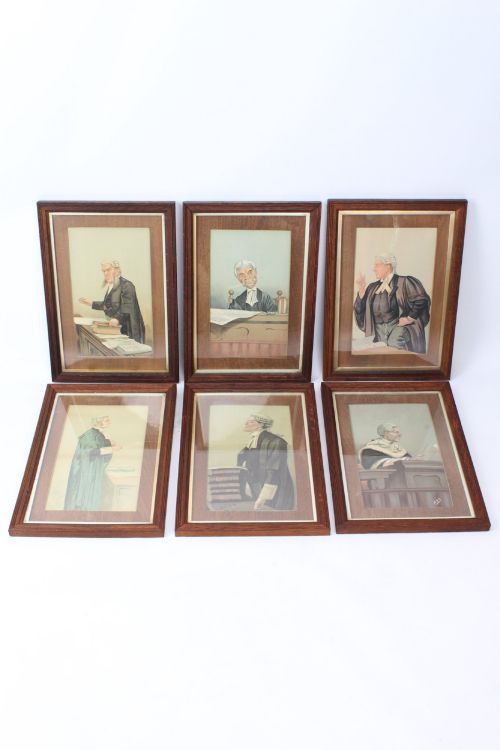
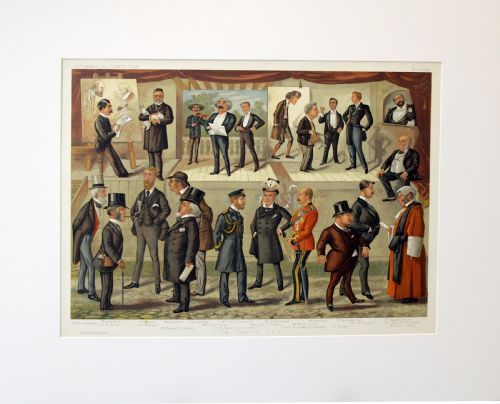
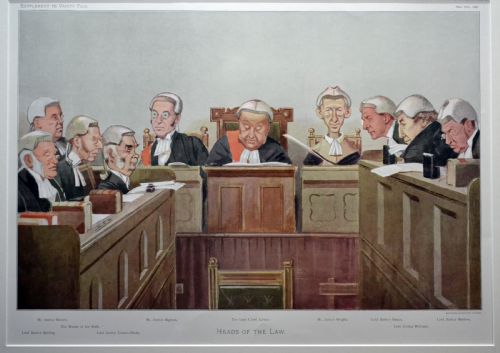
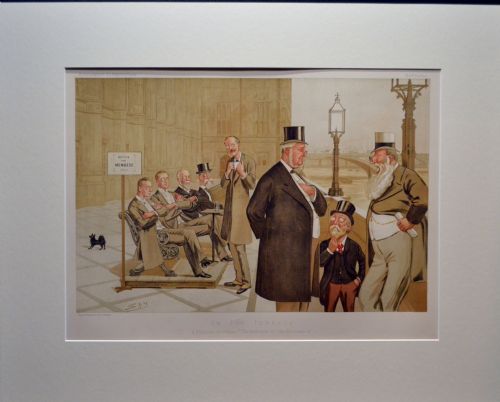
A framed spy caricature captures the distinctive satirical portraits published in the periodical Vanity Fair during the late nineteenth and early twentieth centuries. These pieces portray notable public figures including politicians, judges, military officers, and sportsmen with gentle exaggeration and sharp observation.
Buyers will find both single pages and larger double page formats enclosed behind glass within wooden frames. The selections span subjects ranging from hunting and racing scenes to the law, royalty, and society.
Most examples originate from the Victorian, Edwardian, and nineteen-hundreds periods, appearing individually or in sets of varying sizes. These artworks offer a direct window into the public figures and social scenes of Britain's past.
Assessing quality in prints and framing
Quality rests heavily on the vibrancy of the ink and the preservation of the paper surface across the decades. Crisp details in the lithographic lines distinguish superior impressions from faded examples.
The choice of frame and mount board contributes significantly to the overall presentation and protection of the artwork. Cohesive sets and double page formats often carry greater visual impact on the wall.
Framed Spy Caricature Retail Price Guide 2026
Typical asking prices for framed spy caricature among the pieces listed under this phrase on Sellingantiques today, from the lower quarter to the upper quarter. They describe what is for sale here now, not the wider market.
Victorian politicians faced the artist's pen with remarkable sportsmanship, happily hanging their own caricatures in their halls.
The Framed Spy Caricature Glossary
- Chromolithography
- A planographic printing process that uses multiple lithographic stones or plates to apply different coloured inks to paper. This technique produced the rich tones seen in period periodicals.
- Spy
- The famous pseudonym used by the caricaturist Leslie Ward for his contributions to Vanity Fair. His illustrations formed the core of the magazine's satirical portraiture.
- Double page
- A larger printing format that spans two joined pages within the original publication. These pieces offer wider compositions and larger groupings of subjects.
- Mount board
- Heavy paperboard placed inside the frame to surround the print. It creates a physical gap between the ink and the glass.
Framed Spy Caricature: Frequently Asked Questions
What periods do these prints date from?
The pieces originate primarily from the Victorian and Edwardian eras, alongside items from nineteen hundred and the nineteen-twenties. These dates reflect the active publishing lifespan of the original periodical.
Most examples retain their original Victorian or Edwardian character through traditional printing and framing methods.
How were these caricatures originally published?
They appeared as weekly portrait supplements inside the Victorian magazine Vanity Fair. Readers collected and subsequently framed these satirical plates to display prominent public figures.
Sets often group specific themes like the law, racing scenes, or politics together as they appeared in circulation.
Are these single or double page prints?
The selection includes both single page formats and larger unfolded double page plates. Double page examples provide wider compositions featuring multiple subjects or grander scenes.
Both formats come ready in frames complete with glass and mount boards for immediate display.
How do I choose a set for my room?
Consider the thematic groupings available, such as hunting, royalty, military, or legal figures. Matching sets in similar wooden frames create a balanced arrangement on a wall.
Single framed pieces work well in smaller spaces or as focal points alongside existing antique art.