



Framed Specimens
Framed specimens bring nature, craft and natural history indoors, preserving birds, insects, plants and needlework behind glass in timber frames.
Framed Specimens
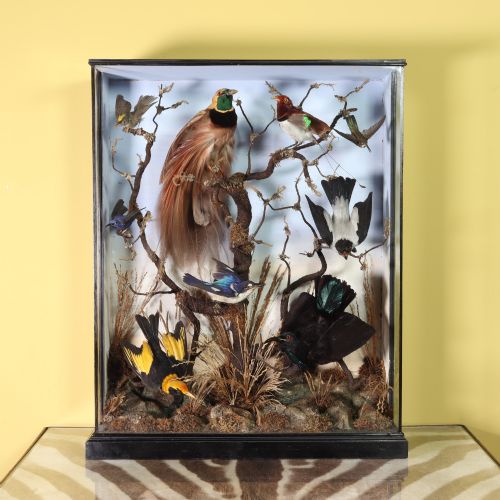
When buyers search for framed specimens, they look at taxidermy displays, botanical pressings and entomology cases from the nineteenth and early twentieth centuries. These pieces encompass Victorian natural history, Edwardian dioramas, and folk art frames designed to protect and display delicate organic materials.
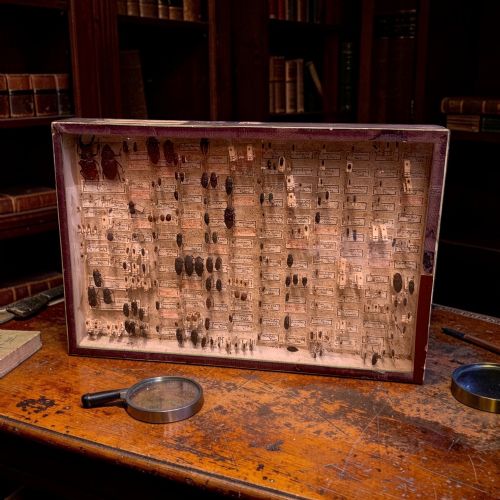
The most common examples encountered on this page include taxidermy bird cases, butterfly displays, and framed botanical or floral pressings. Alongside these natural history pieces appear nineteenth-century needlework samplers, lace samplers, and inlaid stone panels.
Origins range across England, France, and Italy, reflecting diverse domestic and scientific impulses from the Georgian period through the 1930s. The forms vary from shadow boxes and picture frame cases to simple wall art housing feathers and dried flora.
Materials and construction
Makers housed delicate specimens within wooden frames fitted with glass panels to shield the contents from dust and handling. Wood, gilt wood, and painted timber structures contain paper, linen, and dried flora, while taxidermy cases rely on internal painted dioramas.
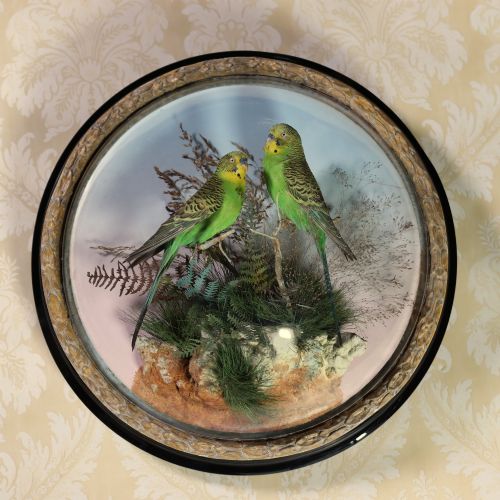
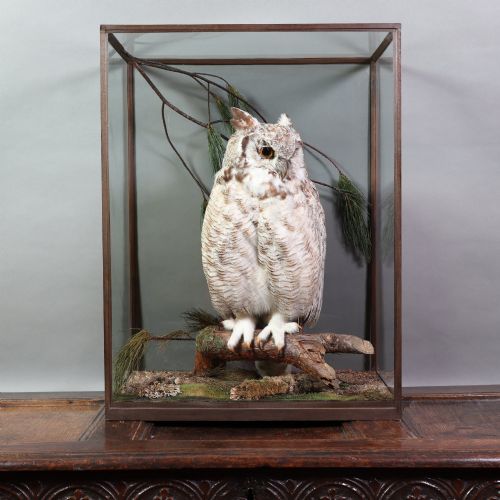
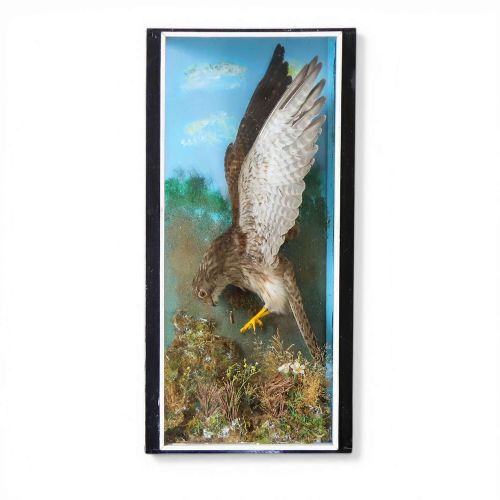
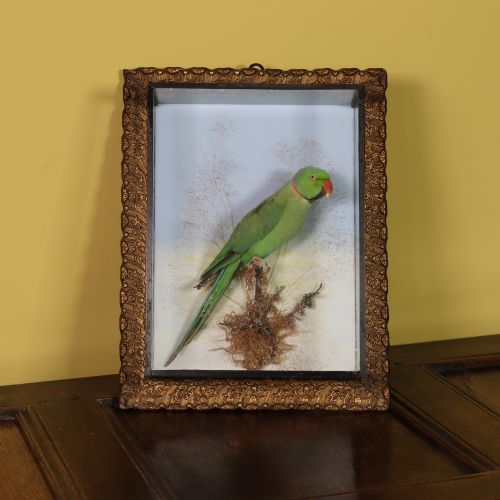
Taxidermists and naturalists arranged birds such as owls, kestrels, parakeets, and jays within bespoke glazed cabinets, often incorporating painted backgrounds. Botanical pressings and herbarium sheets utilise paper and card, secured inside traditional or folk art frames.
Specialist techniques include pietra dura and marble inlay seen in hardstone panels, alongside intricate needlework executed on linen and fabric grounds. Each construction method prioritises the physical preservation of fragile organic matter.
Framed Specimens Retail Price Guide 2026
Typical asking prices for framed specimens among the pieces listed under this phrase on Sellingantiques today, from the lower quarter to the upper quarter. They describe what is for sale here now, not the wider market.
Materials recorded across current pieces include glass, wood, paper, feathers, taxidermy specimens, gilt wood, dried flora, and linen.
Assessing quality and condition
Quality rests upon the preservation of the specimen and the integrity of its original housing. Intact taxidermy plumage, undamaged butterfly wings, and unfaded botanical colours distinguish superior examples from those altered by light or moisture.
The craftsmanship of the housing marks the upper tier of pieces, seen in glazed cases by named makers or detailed folk art frames. Superior examples retain their original glass, backboards, and interior painted backdrops without modern restoration.
The provenance and documentation associated with a piece elevate its standing, particularly when works originate from notable collections or known workshops. The complexity of the arrangement, such as multi-bird dioramas or intricate pietra dura inlay, further separates fine pieces from simpler wall art.
Rowland Ward Ltd·William Bazeley & Sons
The Framed Specimens Glossary
- Taxidermy
- The art of preserving, stuffing, and mounting animal skins for display. In these pieces, birds and small animals are mounted within glass-fronted cases.
- Herbarium
- A collection of preserved plant specimens and associated data used for scientific study. These are typically pressed and mounted on sheets or framed as wall art.
- Pietra dura
- An artistic technique using sliced inlaid coloured stones to create geometric or pictorial images. It appears in hardstone panels set into marble.
- Sampler
- A piece of embroidery or needlework produced as a demonstration or test of skill. Nineteenth-century examples often record the maker's age and name.
- Diorama
- A three-dimensional scene depicting animals or plants in a simulated natural environment. These are constructed inside painted and glazed wooden cases.
- Entomology case
- A specialised display box designed to house insect specimens such as butterflies and moths. These frames protect fragile specimens from light and pests.
Framed Specimens: Frequently Asked Questions
What is a framed specimen?
A framed specimen is a preserved natural or handcrafted object displayed behind glass within a timber or folk art frame. These pieces include taxidermy animals, pressed plants, butterflies, and textiles.
They serve as decorative wall art and historical records of nineteenth and early twentieth-century natural history and domestic craft.
How do I care for antique taxidermy cases?
Antique taxidermy cases require placement away from direct sunlight and damp environments to protect plumage and paper elements. Direct light fades feathers and botanical pressings over time.
Keep the original glass clean with a dry cloth and avoid opening sealed historical cases to prevent pest entry.
What period do most framed specimens come from?
The majority of these pieces originate from the nineteenth century, including the Victorian and Edwardian eras. Natural history collecting and domestic botanical framing reached high popularity during this time.
Some examples extend into the early twentieth century, up to the 1930s.
Are antique herbarium sheets and botanical pressings fragile?
Botanical pressings utilise dried flora and paper which become brittle with age. They rely entirely on their glass covers and frames for physical support.
Handling should be minimised, and pieces must be hung securely on walls away from humidity changes.