
Framed Sketch Art
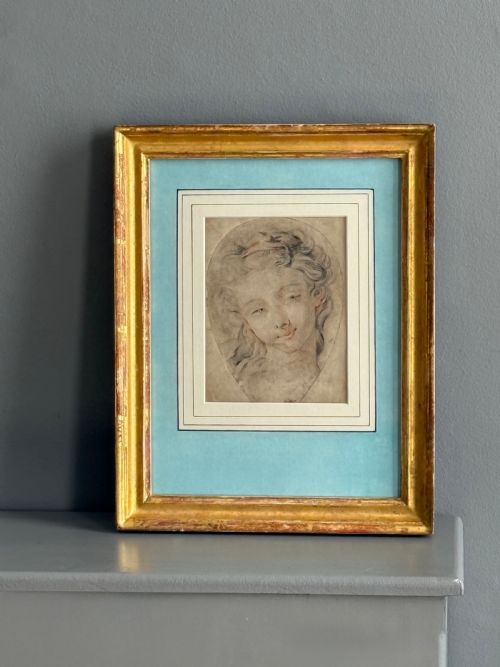
Framed sketch art brings together graphic works on paper protected behind glass in wood housings, offering an intimate connection to the hand of the maker.
Framed Sketch Art
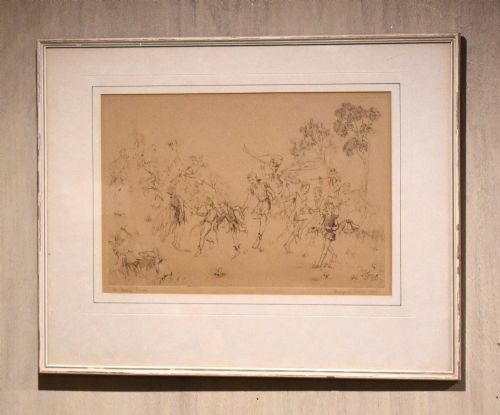
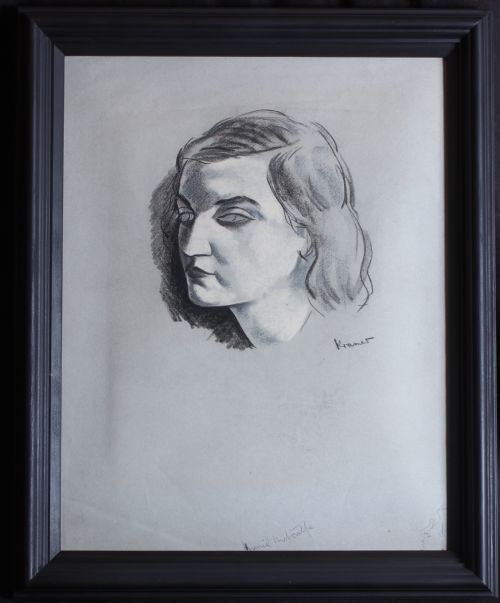
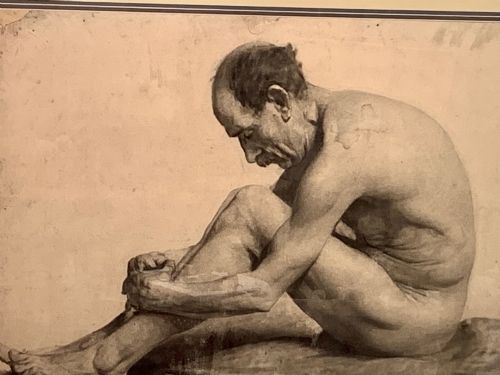
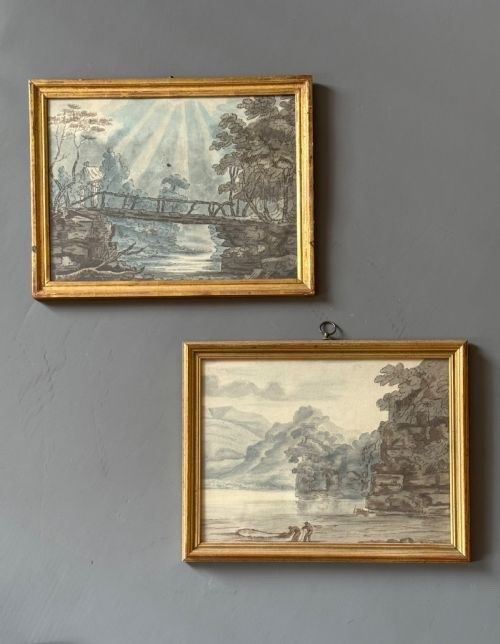
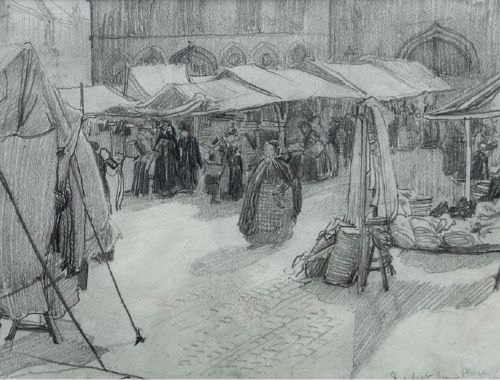
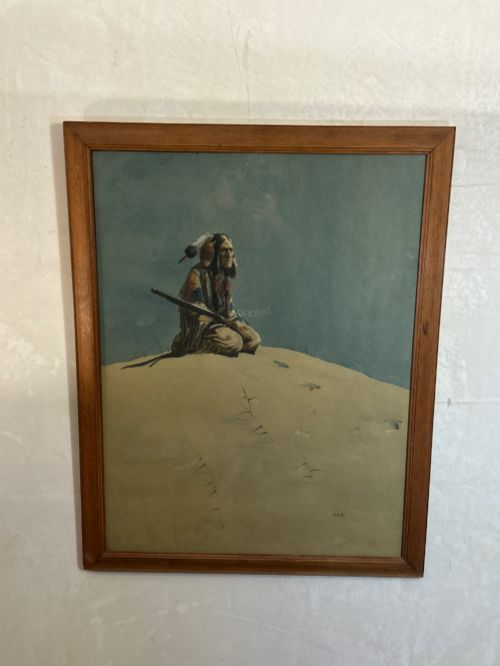
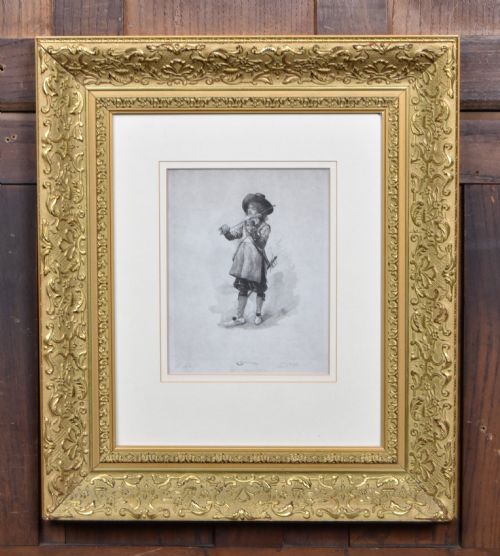
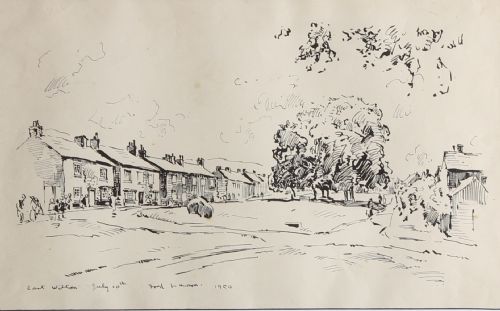
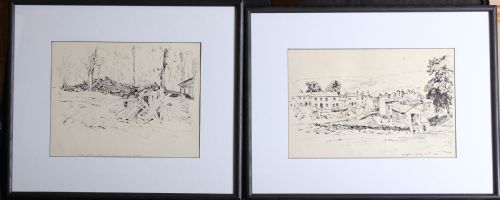
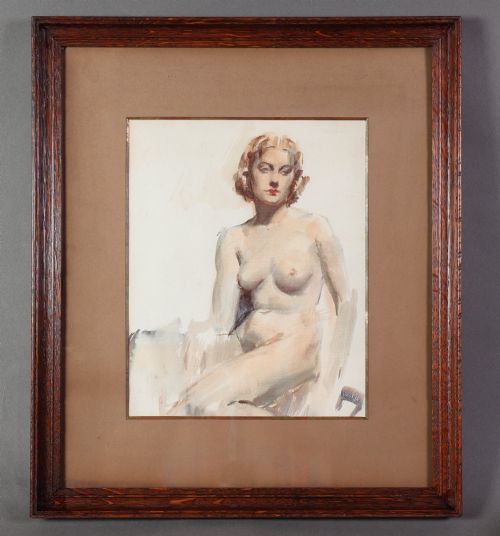
When searching for framed sketch art, buyers encounter works spanning from the eighteenth century through to later periods, including academic studies, portraits, and landscapes. These pieces take the form of drawings, waterworks, and prints housed within protective wood frames behind glass.
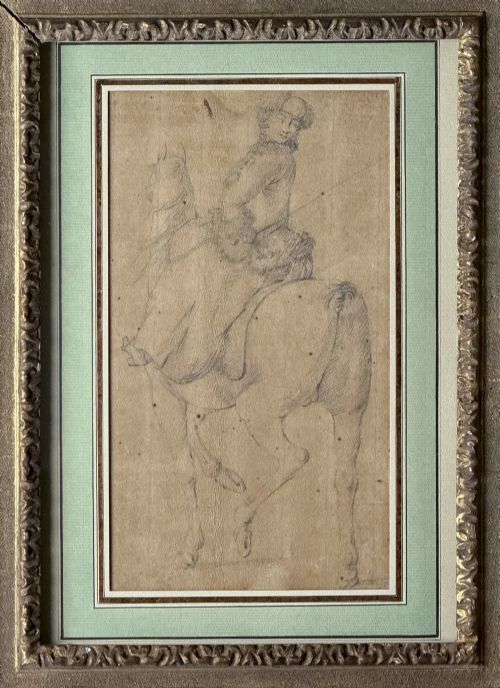
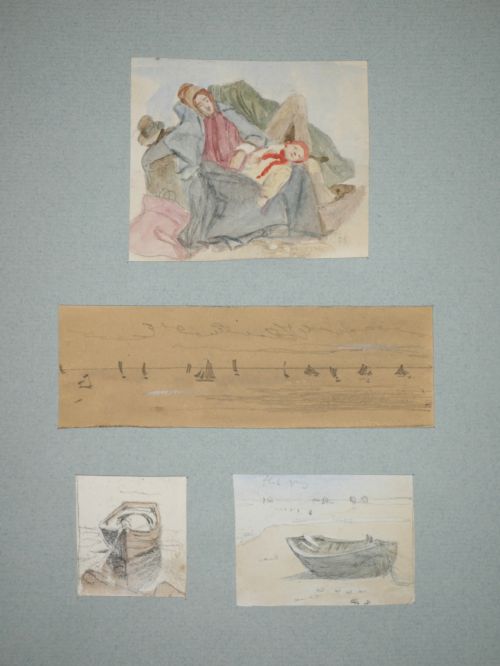
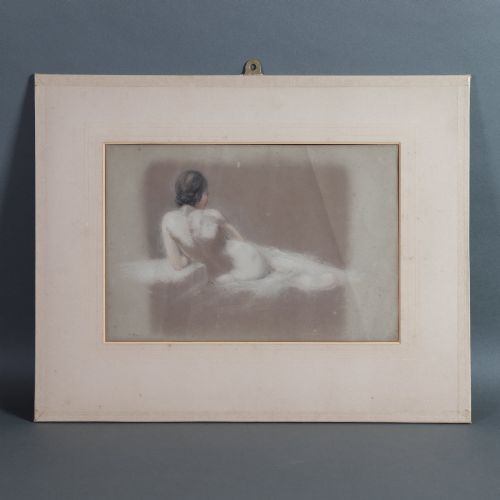
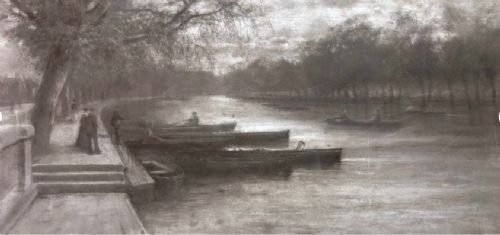
The selection ranges from detailed nineteenth-century academic nudes and early European school equestrian studies to mid-century British landscapes and wartime pastel portraits. Most examples combine graphite, charcoal, ink, or watercolour on paper.
The aesthetic stretches across varied movements such as Georgian, French Rococo, Victorian, and Mid-Century Modern. Buyers frequently meet works executed by named artists alongside pieces originating from specific regional European schools.
Materials and Technique
Makers utilised dry media such as graphite, charcoal, pastel, and chalk alongside wet applications including ink, wash, gouache, and watercolour. These materials were typically applied directly to paper supports, including buff paper.
Completed works received protective framing constructed from wood and glass to preserve the delicate surface of the paper and the friable nature of mediums like charcoal and pastel.
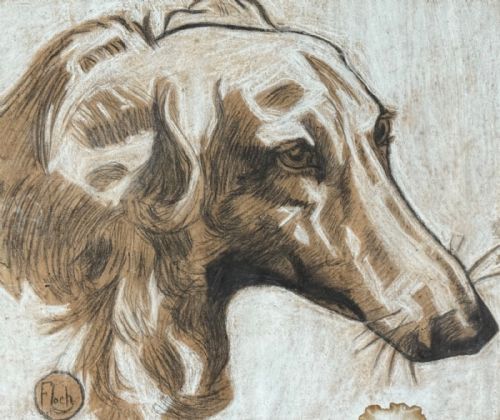
Canines make an appearance alongside human sitters, as seen in the art deco gouache study of a graceful borzoi dog.
Judging Quality
Quality rests upon the sureness of the line and the dexterity shown in handling the chosen medium, whether graphite, ink, or wash. Strong draughtsmanship conveys form and character with economy.
The harmony between the work on paper and its housing contributes to the overall success of the piece, as appropriate framing protects the delicate surface while complementing the period of the art.
Jacob Kramer·Henry Percy Huggill·John Hassall·William Etty·Augustus John·James Stroudley·Samuel Rabin
The Framed Sketch Art Glossary
- Graphite
- A form of crystalline carbon used as a drawing medium in pencils. It produces grey or black marks capable of fine detail and subtle shading.
- Gouache
- An opaque water-based paint consisting of pigment, water, and a binding agent such as gum arabic. It dries to a matte, velvety finish.
- Wash
- A thin layer of translucent watercolour or ink applied to paper with a brush. It creates smooth backgrounds or tonal depth.
- Buff paper
- A warm, pale yellowish-brown paper stock commonly used in the nineteenth and early twentieth centuries. It provides a mid-tone ground that highlights white chalk or gouache.
- Support
- The physical material upon which an artwork is created. In these pieces, the support is invariably paper.
Framed Sketch Art: Frequently Asked Questions
How should I hang framed sketch art?
Works on paper require protection from direct sunlight to prevent the fading of inks, watercolours, and tinted papers. Hang them on interior walls away from moisture sources.
Ensure the hanging hardware securely supports the weight of the wood frame and glass housing without placing strain on the backing board.
What is the difference between a sketch and a drawing?
A sketch is typically a rapid exploratory study made to capture a pose, composition, or lighting effect for a larger planned work. A drawing is often a more finished and deliberate execution.
Many framed works combine elements of both, showing spontaneous linework alongside resolved tonal modeling.
How do I care for antique works on paper?
Keep framed pieces in stable environmental conditions with minimal fluctuations in temperature and humidity. This prevents the paper from cockling and protects the medium from degradation.
Avoid opening the sealed frame, as trapped atmospheric dust and moisture can harm delicate charcoal and pastel surfaces once exposed.
How can I tell the age of a framed sketch?
Dating relies upon stylistic markers of the subject matter, the costume of any figures depicted, and the characteristics of the paper stock. Signatures and inscriptions also provide helpful chronological markers.
The construction methods of the wood frame and the type of glass can offer secondary clues to the period of assembly.