







Framed Shadow Box
A framed shadow box brings three dimensions to the wall, housing ships, birds, and devotional scenes behind protective glass.
Framed Shadow Box
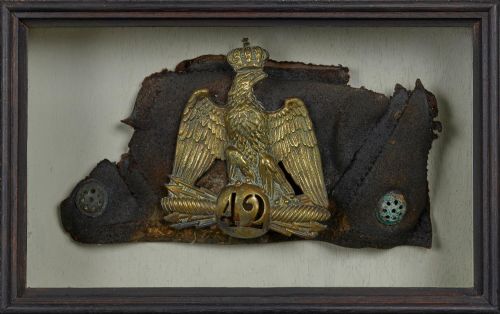
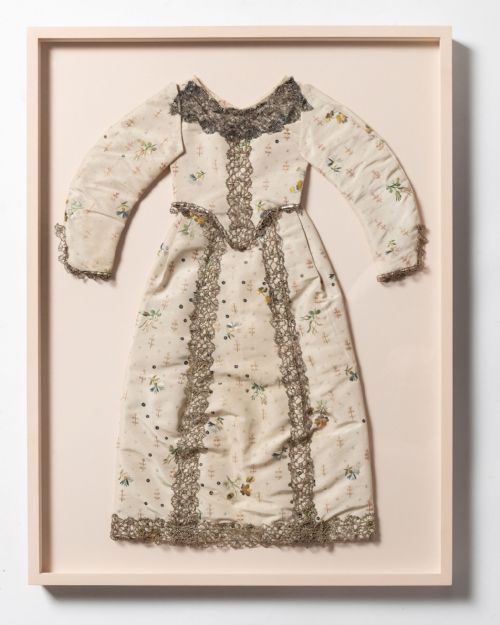
A framed shadow box presents a deep, enclosed display designed to protect and highlight three-dimensional objects on a wall. When you search for a framed shadow box, you encounter items ranging from intricate maritime dioramas and taxidermy displays to devotional figures and folk art constructions.
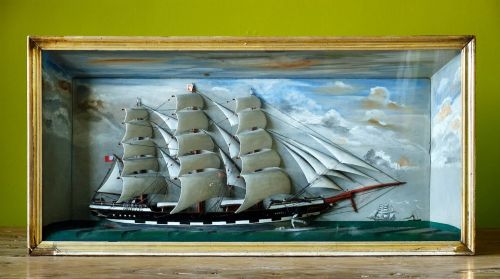
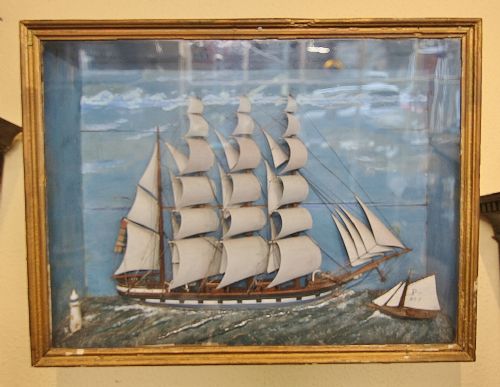
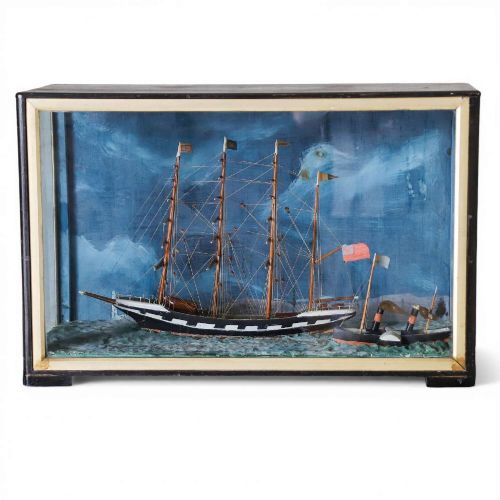
The pieces on this page lean heavily into Victorian maritime folk art and detailed dioramas from the nineteenth century. Makers built these deep enclosures to house miniature sailing ships, delicate shell arrangements, and mounted specimens away from dust and damage.
Origins stretch from English workshops to French provincial towns, utilising local materials to build miniature worlds. You find deep wooden frames housing everything from cork-work ships to waxwing birds in snowy winter scenes.
Materials and construction
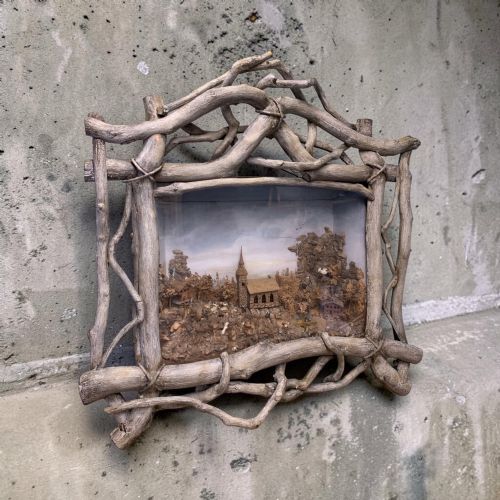
Internal scenes rely on mixed media, combining painted backdrops with three-dimensional elements built from cork, wire, twigs, shells, and carved wood. Textile elements such as velvet and lace frequently line the interior backing to provide contrast and depth for the mounted objects.
Framed Shadow Box Retail Price Guide 2026
Typical asking prices for framed shadow box among the pieces listed under this phrase on Sellingantiques today, from the lower quarter to the upper quarter. They describe what is for sale here now, not the wider market.
Listings feature items from the 19th century, Victorian era, and early 20th century, utilising glass, wood, paint, paper, velvet, plaster, silk, and canvas.
Distinctions in quality
Quality rests in the intricacy of the internal model and the integrity of the enclosing case. Superior examples feature scratch-built ship models with meticulous rigging or taxidermy arranged in naturalistic poses with painted backgrounds that create a true sense of perspective.
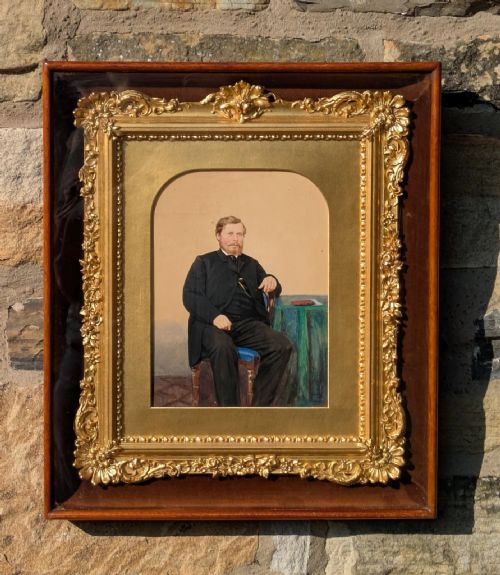
The frame itself signals the ambition of the piece, moving from simple twig or plain wooden surrounds to deep, glazed gilt frames with elaborate moulding. Original backing boards, intact glass, and undisturbed internal arrangements elevate a piece above simpler, later constructions.
The Framed Shadow Box Glossary
- Shadow box
- A deep, glass-fronted frame designed to showcase three-dimensional objects. It protects delicate displays from dust while offering a clear view from multiple angles.
- Diorama
- A three-dimensional scene featuring miniature models set against a painted or constructed background. Maritime examples frequently depict sailing ships on rough seas.
- Taxidermy display
- The art of preparing, stuffing, and mounting animal skins for permanent exhibition. Victorian examples often place birds inside glazed wooden boxes.
- Folk art
- Utilitarian or decorative items created by self-taught makers using accessible materials. These pieces prioritize creative expression over academic convention.
Framed Shadow Box: Frequently Asked Questions
How do I clean inside a shadow box?
You generally avoid opening a historic shadow box unless the internal elements have detached entirely. Most seals are historic, and breaking them lets in dust and humidity that can ruin fragile paper and textiles.
Instead, clean the exterior glass carefully with a gentle glass cleaner applied to a cloth rather than sprayed directly onto the frame. This prevents moisture from seeping into the wooden joints or damaging the internal lining.
Where should I hang a shadow box?
Hang these pieces away from direct sunlight to protect faded painted backgrounds, coloured silks, and delicate feathers from bleaching. Stable room temperatures prevent the wooden frames and internal adhesives from drying out and cracking.
Choose an interior wall with sturdy fixings because deep glazed boxes carry considerable weight due to the glass and internal framing. Ensure the height allows you to look directly into the box rather than up at the base.
Are these pieces waterproof?
Historic shadow boxes are not waterproof and rely on indoor domestic environments to survive. High humidity causes organic materials like cork, paper, and taxidermy to degrade rapidly inside the sealed chamber.
Keep them away from damp exterior walls, kitchens, and bathrooms. Moisture trapped behind the glass promotes mould growth that destroys canvas, velvet, and painted backdrops.
How are ships mounted inside?
Makers secured miniature ships to a painted or carved baseboard using hidden pins, glue, and wired rigging. The surrounding water was often simulated using painted canvas, carved wood, or layered cork.
Intricate rigging threads and paper sails remain fragile, which is why the protective glass front is essential. Movement or vibration can snap tensioned threads if the box experiences rough handling.