
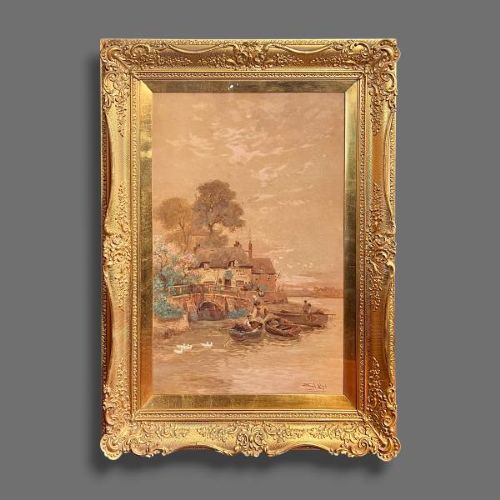
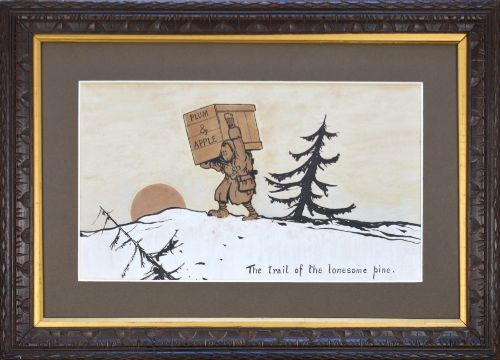
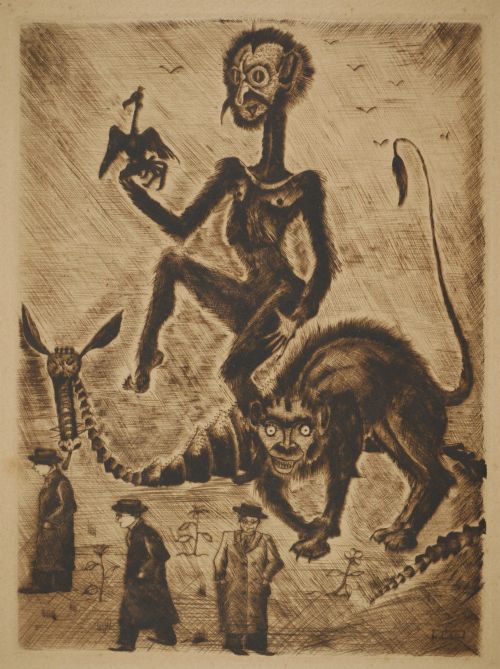

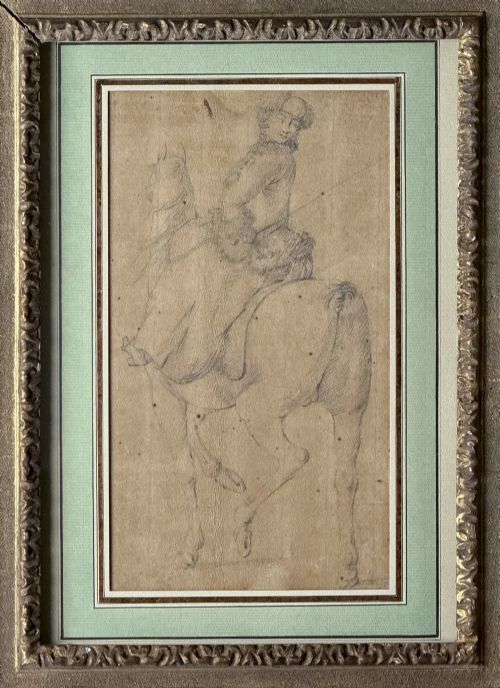
Framed Sepia Artwork
Framed sepia artwork brings together monochrome tones and historic subjects, offering a quiet, warm palette that suits traditional and modern interiors alike.
Framed Sepia Artwork
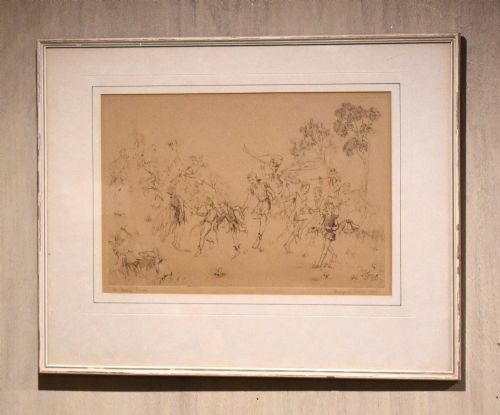
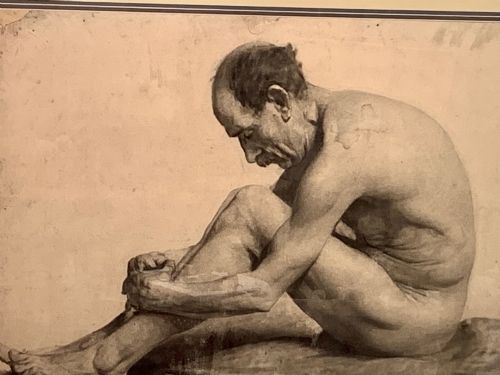
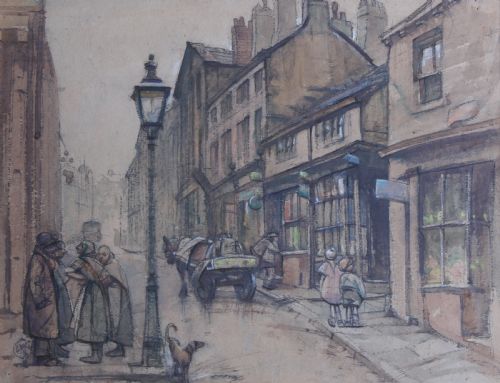
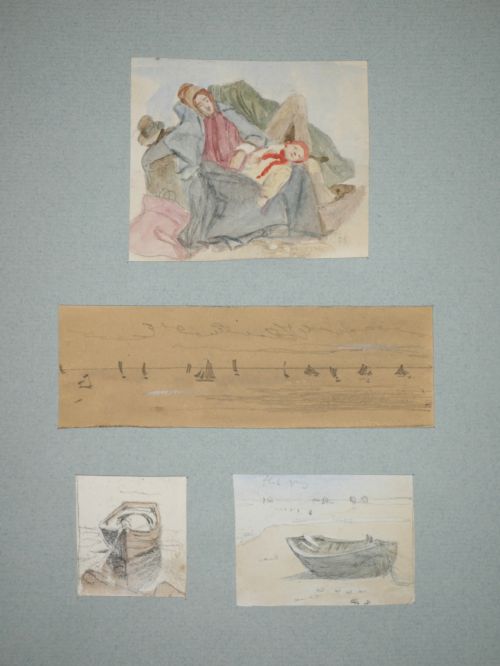
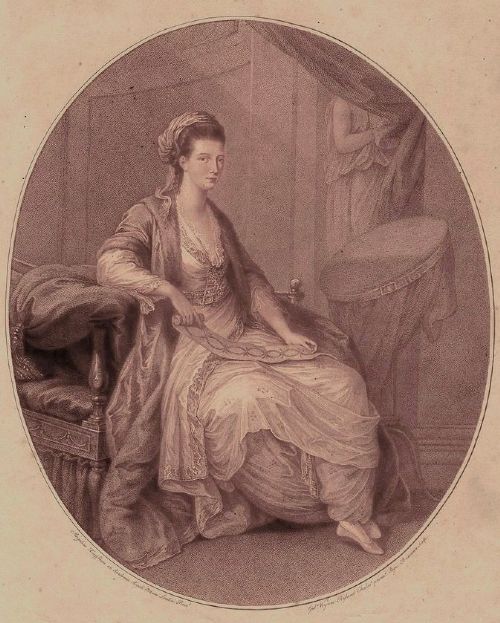
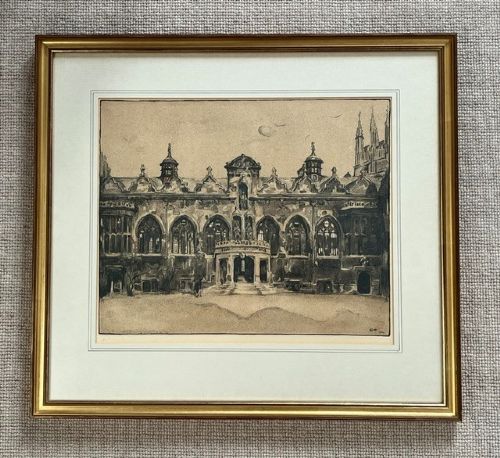
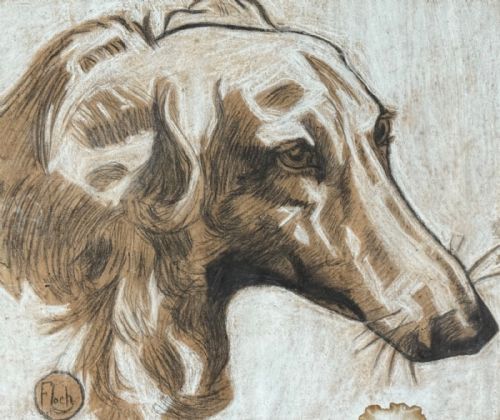
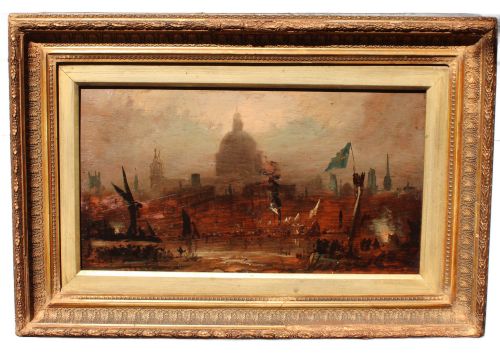
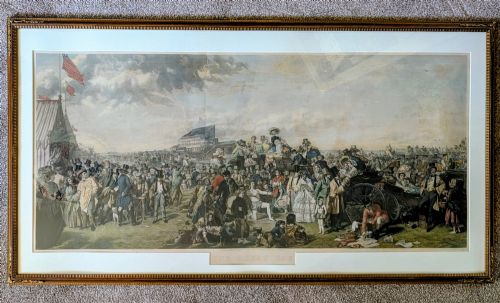
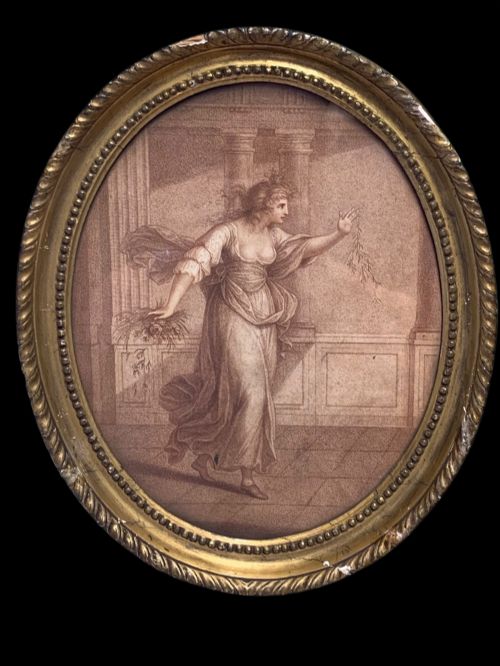
When you search for framed sepia artwork, you encounter works on paper executed in monochrome brown tones, ranging from delicate pencil sketches to rich engravings. The pieces span from the eighteenth century through the Victorian era and into the Art Deco period, capturing portraits, marine scenes, and architectural studies.
You are most likely to meet nineteenth-century drawings, etchings, and watercolours on this page, often housed behind glass within wooden frames. These works showcase the breadth of monochrome illustrative techniques utilised by European and British artists over several centuries.
Materials and Techniques
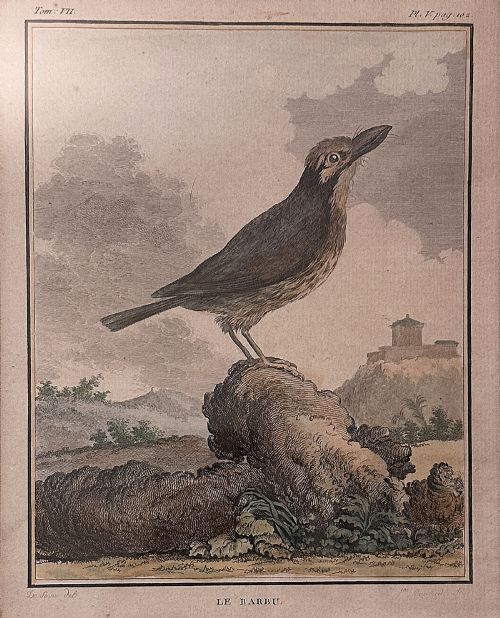
Makers utilised paper as the primary support, applying ink, watercolour, charcoal, pencil, or gouache to achieve distinctive monochrome gradations. Etchings and engravings relied on inked metal plates pressed onto paper, sometimes enhanced with subtle hand colouring.
Pieces were protected behind glass and mounted within timber frames, occasionally incorporating gold leaf accents or gilt mouldings to frame the composition. The combination of buff paper, sepia ink, and period framing defines the physical structure of these works.
Listings incorporate works spanning from the eighteenth century through the Art Deco era, utilising paper, ink, watercolour, and gilt wood.
Assessing Quality
The distinction between standard decorative items and finer works rests on the surety of the draughtsmanship and the strength of the composition. An artist who captures gesture and form with economy of line elevates a simple preparatory study into a compelling visual document.
Condition of the paper and preservation of the original framing elements also shape the standing of a piece. Tonal depth in the ink or wash remains critical, as faded or overworked surfaces diminish the impact of the imagery.
Bruce Bairnsfather·Kurt Lorein Victor Peiser·Sir William Nicholson·Herbert Dicksee·Louis Icart
The Framed Sepia Artwork Glossary
- Etching
- A printmaking technique where lines are bitten into a metal plate with acid before being inked and pressed onto paper. This process allows for fine, fluid lines comparable to a pen drawing.
- Engraving
- A method of cutting a design directly into a metal plate using a sharp tool called a burin. The resulting prints exhibit precise, crisp lines.
- Lithography
- A planographic printing process based on the antipathy of oil and water, enabling the reproduction of chalk or crayon drawings. It became popular for illustrative works during the nineteenth century.
- Gouache
- An opaque watercolour paint that provides solid, flat areas of colour and tone. It is frequently combined with pencil or ink on tinted paper.
Framed Sepia Artwork: Frequently Asked Questions
How do I clean the glass on old frames?
Use a soft cloth slightly dampened with water or mild glass cleaner, applying the liquid to the cloth rather than spraying directly onto the frame. This prevents moisture from seeping behind the glass and damaging the paper artwork within.
Take care to avoid touching any gilt or wooden frame surfaces with harsh chemicals, as historic finishes can be fragile. Work gently around the edges where the glazing meets the rebate.
Where should I hang these artworks?
Position these pieces away from direct sunlight to prevent the sepia tones and paper supports from fading over time. Rooms with stable humidity levels help preserve organic materials like paper and wood.
Consider eye-level placement in hallways, studies, or living spaces where the subtle monochromatic palette can be appreciated up close. Pairing smaller works together creates an effective gallery display.
Are these works original or reproductions?
The selection includes both original hand-drawn or painted studies and period print iterations such as etchings and engravings. Examining the surface through a magnifying glass reveals whether lines consist of printed ink dots or direct pigment strokes.
Signatures, plate marks, and paper quality offer further indicators to distinguish a unique preparatory drawing from a published print edition.
How can I tell the period of a frame?
Frame construction techniques, corner joints, and moulding profiles often reflect the aesthetic of the era in which the artwork was housed. Georgian and Victorian frames frequently feature distinct composition ornaments and hand-carved wooden elements.
Backboards, fixings, and old paper tape provide additional clues regarding the history of the framing assembly. Original pairings of art and frame add historical interest to a piece.