



Framed Scroll Art
These framed scroll art pieces range from Chinese ancestral works to Himalayan thangkas, offering rich historical narratives for your walls.
Framed Scroll Art
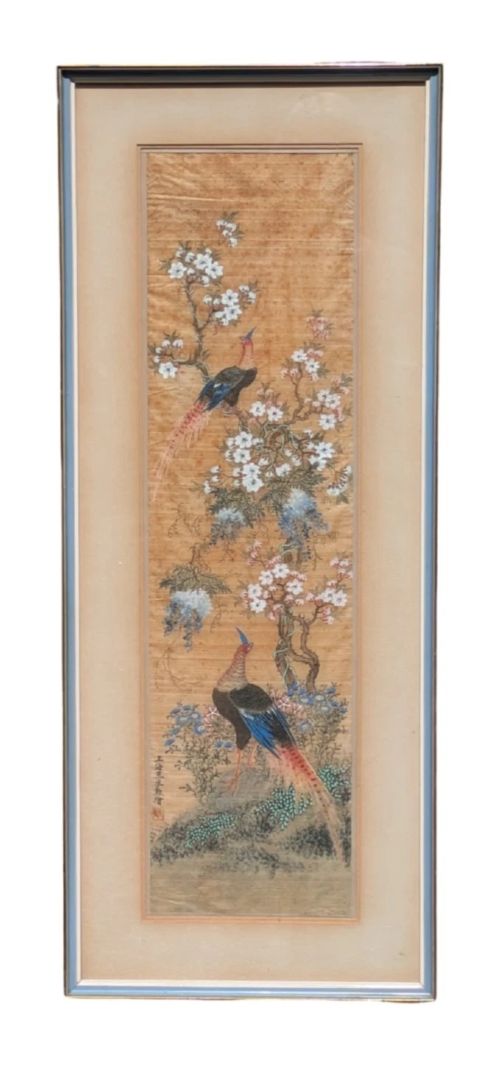
When you search for framed scroll art, you encounter a diverse collection of wall art, including watercolor paintings on silk and pen and ink works mounted within wood frames under glass. The pieces span several centuries, with examples originating from the 17th century through to the early 20th century.
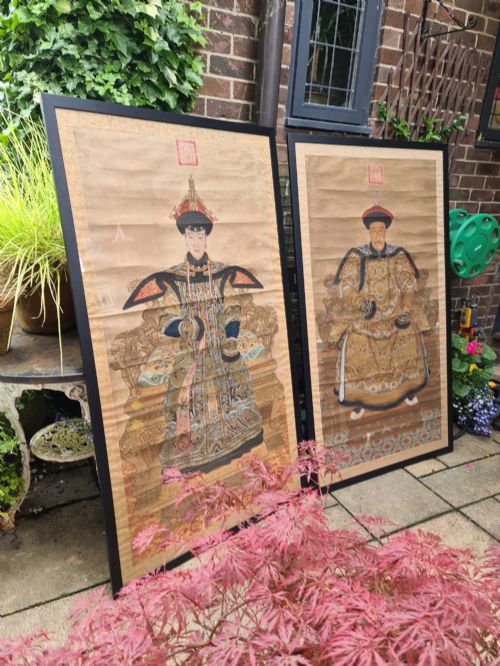
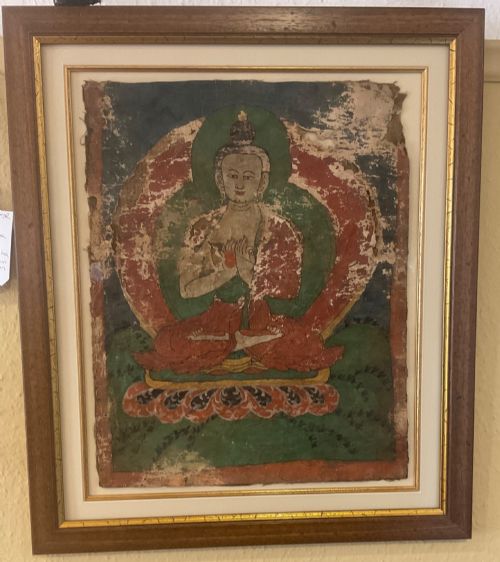
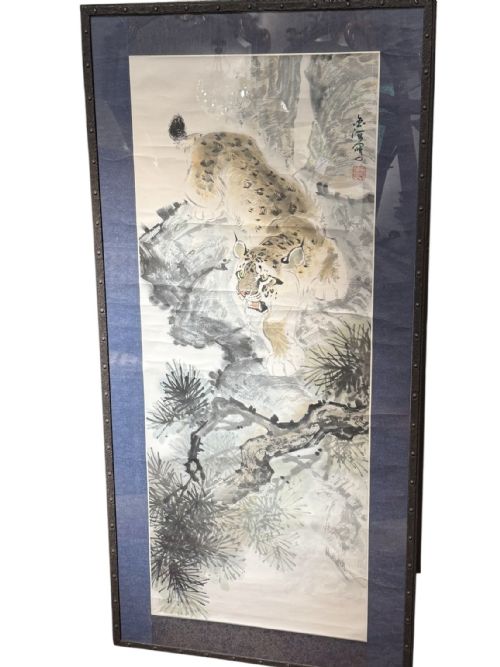
You are most likely to meet 19th-century Chinese ancestral scrolls and paintings on silk on this page. These works frequently depict subjects such as snow leopards, phoenixes, and religious figures like the Vairocana Buddha.
The selection also includes Western interpretations and framing methods, such as an 18th-century gilt rectangular scroll mounted frame enclosing an ink drawing. Alongside traditional Asian works, the inventory extends to unexpected forms like Italian oil paintings depicting figures with scrolls.
Materials and construction
The physical objects rely primarily on organic drawing surfaces such as silk, paper, and canvas. Artisans applied pigment and ink directly to these textiles and papers to create detailed figurative and landscape compositions.
Protection and presentation were achieved through the use of wood frames and glass coverings. Many pieces utilise original wooden surrounds, while others pair antique ink drawings with later gilt rectangular scroll mounted frames.
Framed Scroll Art Retail Price Guide 2026
Typical asking prices for framed scroll art among the pieces listed under this phrase on Sellingantiques today, from the lower quarter to the upper quarter. They describe what is for sale here now, not the wider market.
Listings feature wood, glass, silk, pigment, paper, ink, canvas, and wood frame materials across multiple centuries.
Assessing quality
Quality in these works rests upon the delicacy of the brushwork and the preservation of the pigment on silk or paper. Brighter, more vibrant colours and sharply defined subjects distinguish the finer examples from more faded or worn compositions.
The integrity and originality of the surrounding frame also influence the overall character of the piece. Frames that retain their original patination and period glass contribute significantly to the historical coherence of the artwork.
The Framed Scroll Art Glossary
- Thangka
- A Tibetan Buddhist painting on silk or cotton, usually depicting a deity or mandala. These works are traditionally framed and mounted for ritual or meditative purposes.
- Ancestor painting
- A formal portrait commissioned to honour deceased family members in traditional Chinese culture. They are typically executed on silk or paper with meticulous attention to costume and lineage.
- Vairocana Buddha
- A celestial buddha often central to esoteric Buddhist art. Representations frequently appear in early painted scrolls from the 17th century.
- Gilt frame
- A wooden frame coated with a thin layer of gold leaf or gold paint. These frames add a reflective border to works on paper and silk.
- Silk painting
- An artwork created by applying pigments or inks directly onto a woven silk textile. This medium allows for subtle colour blending and distinctive sheen.
Framed Scroll Art: Frequently Asked Questions
What is framed scroll art?
Framed scroll art encompasses traditional Asian paintings on silk or paper, religious thangkas, and Western works housed in specialised mounts. These pieces combine delicate textile or paper surfaces with protective wooden frames.
Originating from periods spanning the seventeenth to the early twentieth century, they serve as historical wall art that preserves traditional painting techniques.
How do I date a scroll?
Dating relies on examining the materials, painting style, and the construction of the frame. Pigments, mounting techniques, and stylistic conventions characteristic of dynasties or specific centuries help establish the age.
Documentation or signatures on the silk or paper surface can also provide specific chronological markers for the piece.
Where were these pieces made?
The pieces originate from diverse regions, most notably China and the Himalayan territory, reflecting distinct cultural and religious traditions. Other examples emerge from European workshops utilising antique frames.
Geographic origins dictate the iconography, whether it is a Tibetan Buddhist deity or a Chinese ancestral portrait.
How should I hang silk art?
Silk art protected behind glass requires placement away from direct sunlight to prevent the fading of delicate pigments. Stable indoor humidity levels protect both the textile support and the wooden frame.
Professional framing ensures the silk remains properly tensioned and safe from environmental degradation.