

Framed Scottish Wall Art
Framed scottish wall art brings the distinct character of northern landscapes and portraiture into a room through historic canvases and watercolours.
Framed Scottish Wall Art
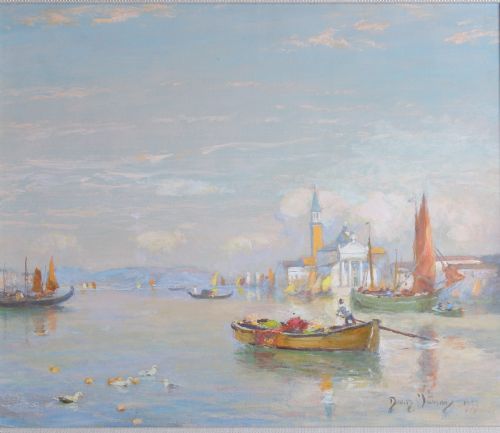
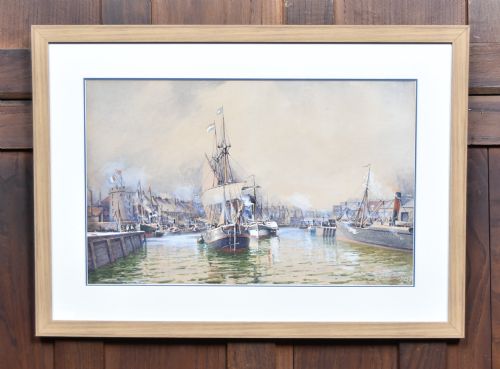
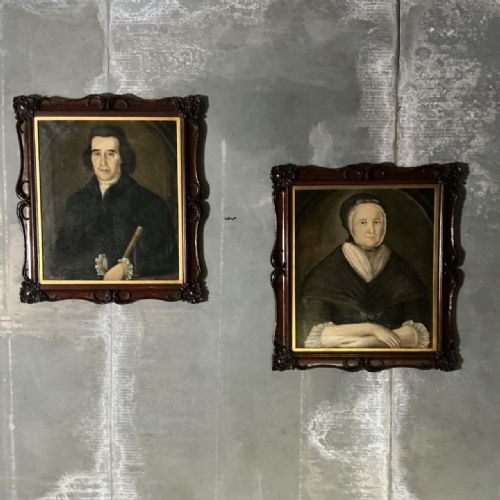
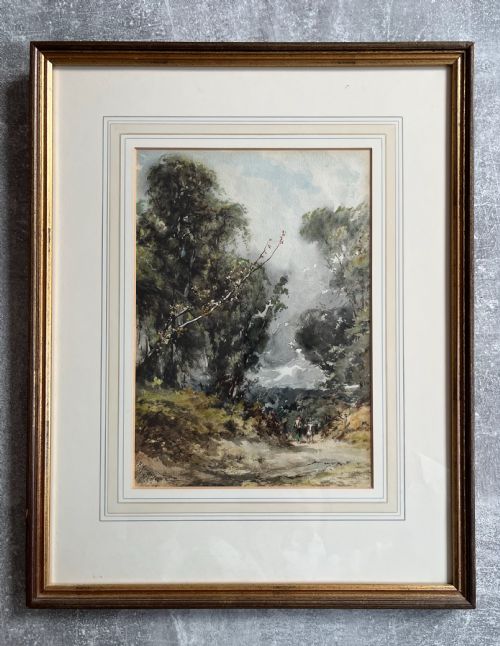
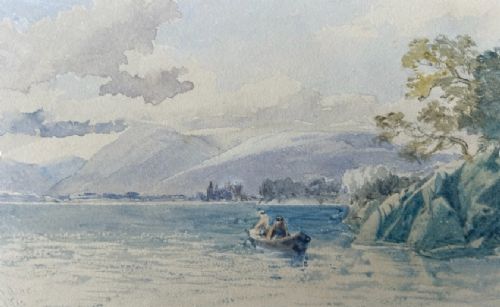
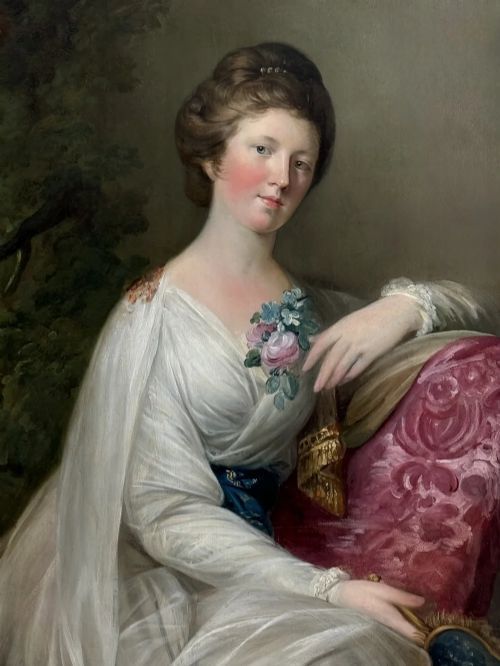
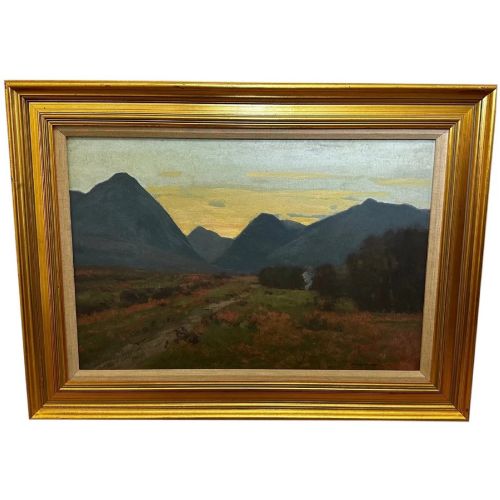
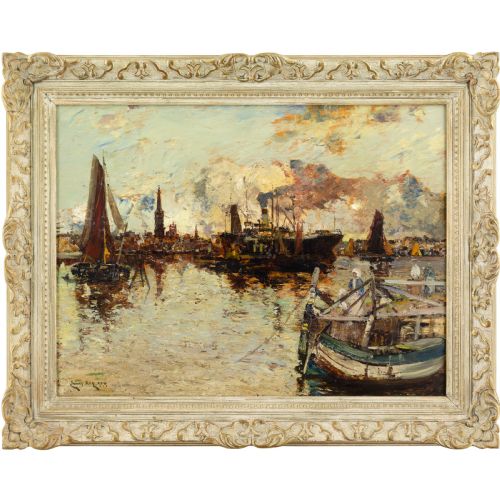
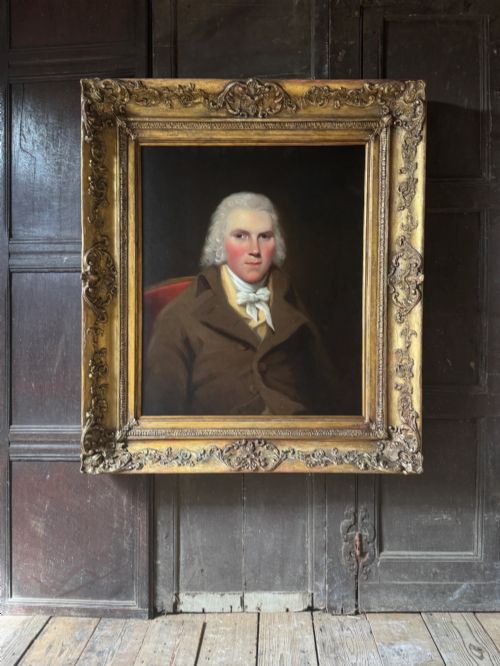
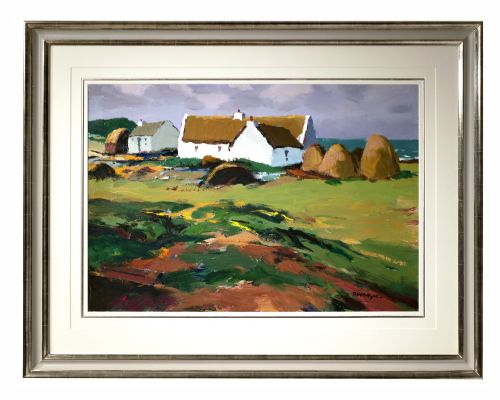
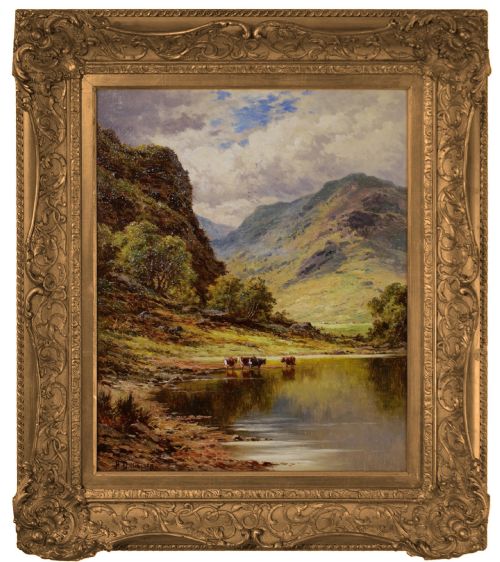
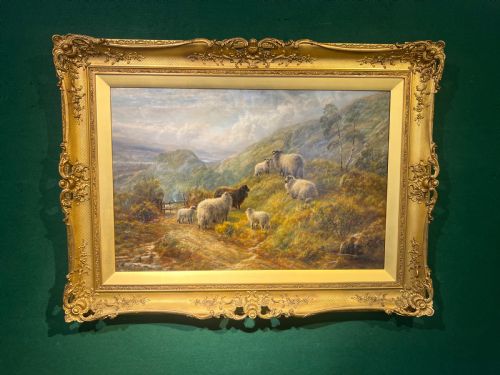
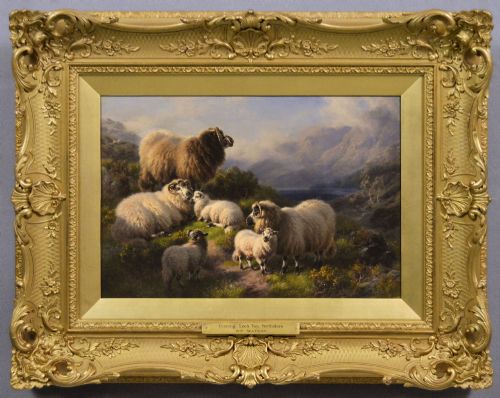
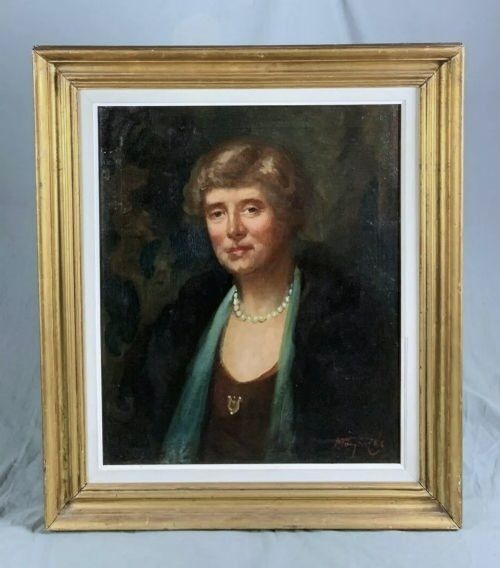
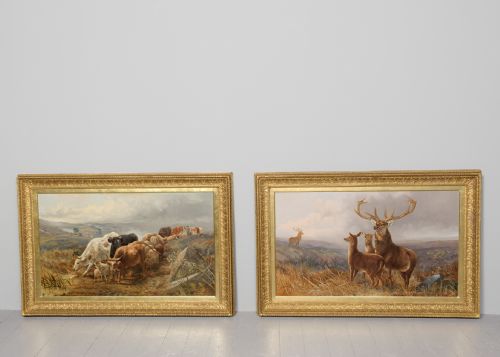
When searching for framed scottish wall art, a buyer encounters a diverse selection of paintings, watercolours and works on paper dating from the eighteenth century to the mid-twentieth century. Landscapes featuring highland vistas, lochs and coastal scenes appear alongside formal oil portraits and delicate studies of wildlife.
The most common examples on this page are nineteenth-century and Victorian oil paintings on canvas or board, often housed in period giltwood frames that complement the depth of the palette. These works capture both the topography of Scotland and the changing artistic movements of the period, from traditional academic portraiture to later impressionist interpretations.
How they were made
The works rely primarily on oil paint applied to canvas, board or panel, as well as watercolour pigments on paper, utilising traditional grounds and binders. Artists built up depth through layered brushwork, capturing natural light in landscapes and fine detail in portrait subjects.
Framing is an integral part of the construction, employing carved wood and gesso to form giltwood or moulded surrounds that protect the edges of the canvas and support the overall presentation.
The listings encompass works spanning the eighteenth, nineteenth and twentieth centuries, executed in oil and watercolour on canvas, board and paper.
What varies in quality
Quality rests upon the skill of the brushwork and the artist's ability to render atmosphere, particularly in the handling of Highland light and weather conditions. Stronger examples display confident handling of pigment and a coherent composition that draws the eye across the canvas.
The integrity of the original support and the survival of the corresponding period frame also influence the overall standing of a piece, distinguishing workshop output from more accomplished studio painting.
William Beattie-Brown·George Fotherly Hargitt·Thomas Miles Richardson Jnr·George Willison·George Houston·James Kay·James Howe·Donald McIntyre·Henry H. Parker·Robert Watson·William Watson Jnr·Charles James McCall·Robert Cleminson·George Rankin·William Watt Milne·Everett Watson Mellor·Ralston Gudgeon·John Moxon·William George Tennick·Archibald Kay·Thomas Bromley Blacklock·James Kyd·Henry Hillier Parker
The Framed Scottish Wall Art Glossary
- Giltwood
- Wood that has been coated with a thin layer of gold leaf. It is frequently found on nineteenth-century frames surrounding oil paintings.
- Gesso
- A plaster-like material applied to wooden frames as a base for gilding. It allows for intricate moulded details along the border.
- Oil on Canvas
- Pigment mixed with drying oil applied to a stretched woven fabric surface. This combination offers rich texture and durability.
- Watercolour
- Paint consisting of colour suspended in a water-soluble binder, traditionally used on paper for lighter, more fluid studies.
- Impasto
- Paint applied thickly to a canvas so that it stands out from the surface. This technique adds visible texture and dimension to landscape elements.
Framed Scottish Wall Art: Frequently Asked Questions
What subjects appear most often?
Landscapes depicting highland scenes, lochs and coastal views form the majority of the surviving pieces. Portraits of notable figures and studies of local wildlife also frequently emerge.
These subjects reflect the romantic interest in northern topography and portraiture during the Victorian and Edwardian eras.
How do I identify the period?
Examining the framing materials, canvas preparation and the style of the brushwork helps narrow down the date of creation. Victorian and eighteenth-century works each carry distinct technical markers.
Signatures, dates and historical inscriptions on the reverse of the stretcher or board provide further confirmation of the era.
Are original frames common?
Many works retain their period giltwood or wooden surrounds, which were designed specifically to house the canvas. These frames often show age-appropriate wear that matches the painting.
Replacing a missing frame with a period-appropriate alternative is a common practice among collectors maintaining historic presentation.
Where should I hang these?
These works suit traditional reception rooms, studies or hallways where the historic character of the canvas can be appreciated at close range. Direct sunlight should be avoided to protect both watercolours and oil pigments.
Wall fixings must support the combined weight of the heavy wooden frames and the canvas itself.