


Framed Rural Watercolour
A framed rural watercolour captures fields, villages and farm life on paper, offering a quiet view of the countryside painted over a century ago.
Framed Rural Watercolour
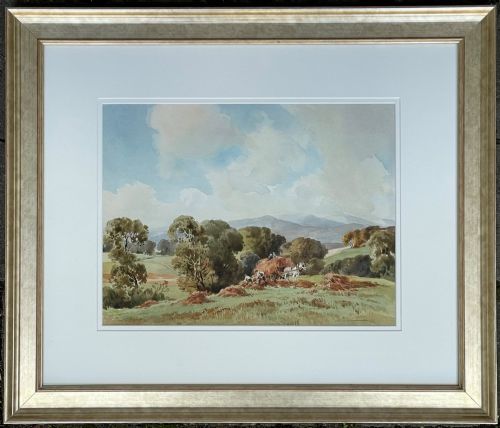
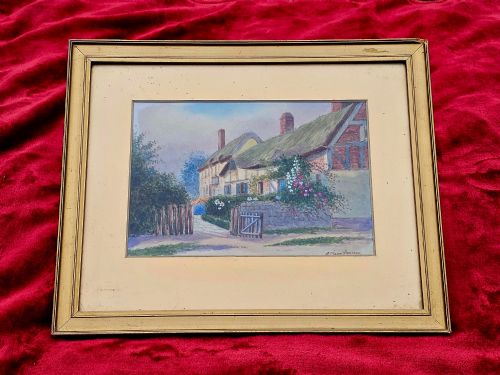
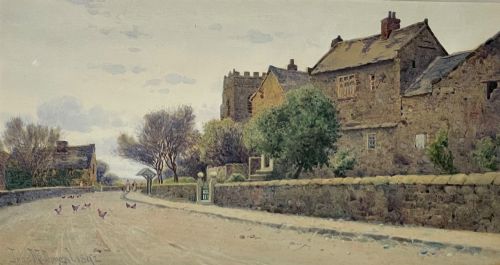
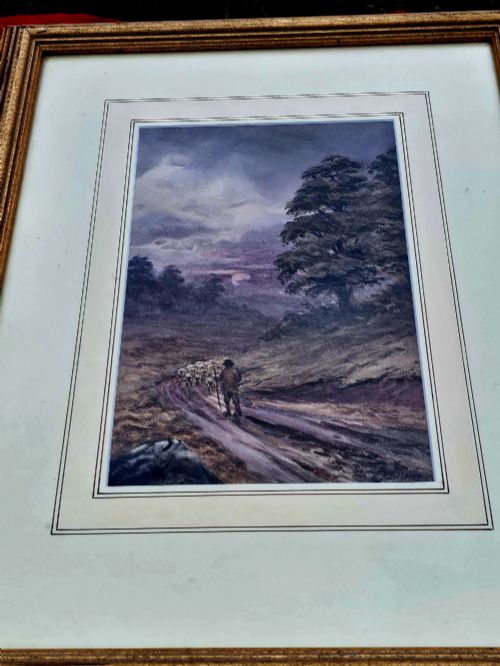
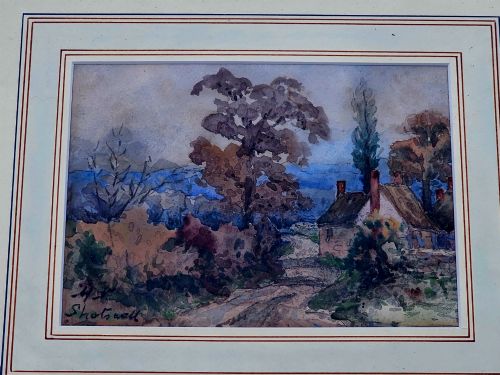
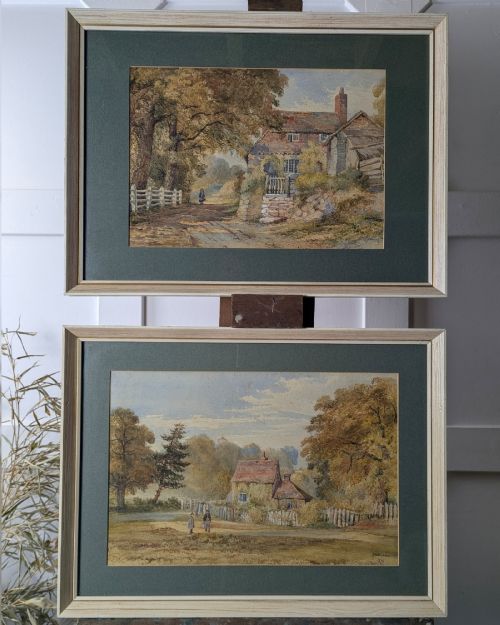
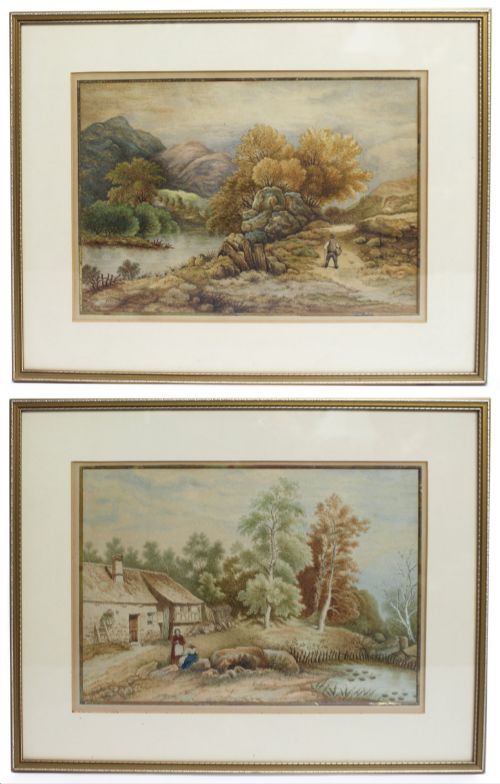
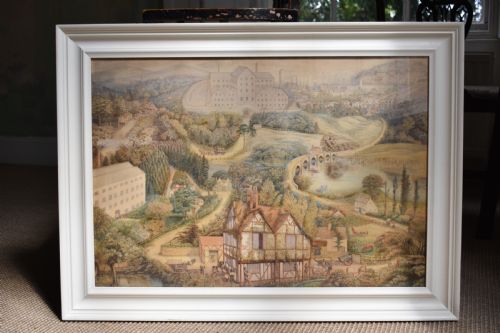
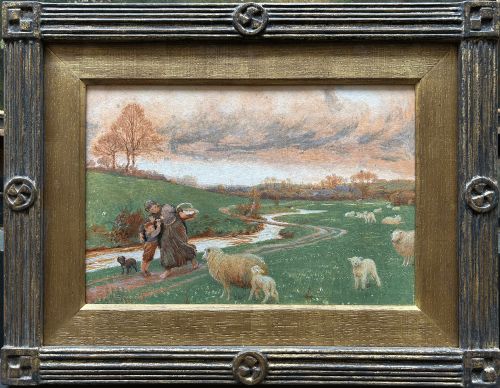
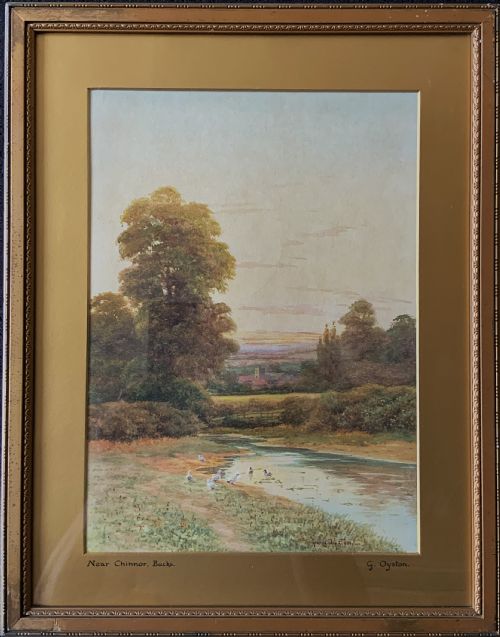
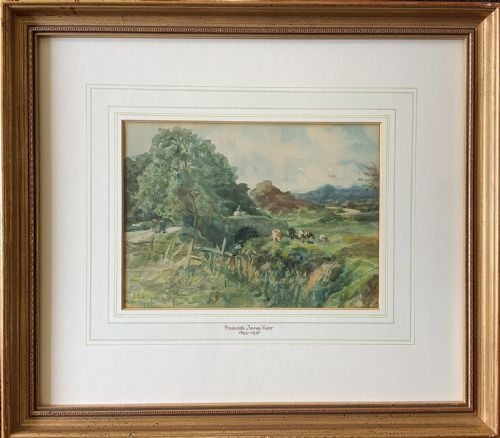
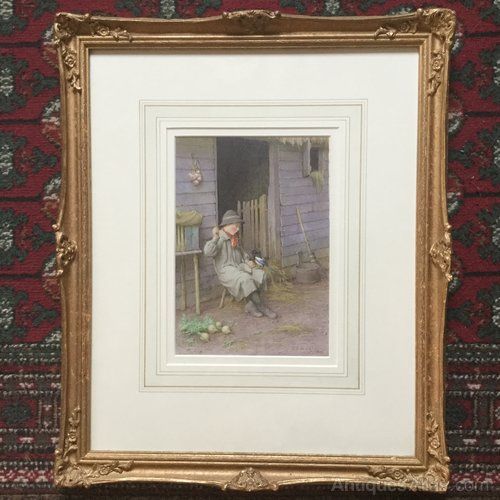
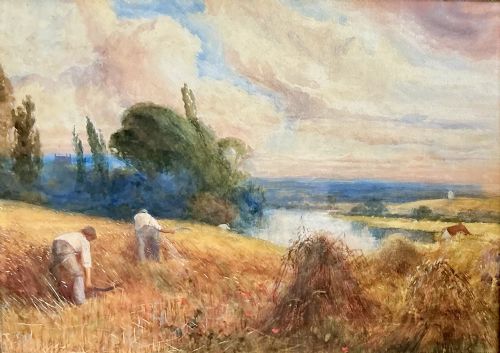
When you examine a framed rural watercolour, you are looking at original paintings on paper depicting British countryside scenes, farmyards and pastoral landscapes. These works capture agricultural life, country cottages and river views through the eyes of artists working from the mid-nineteenth century into the early twentieth century.
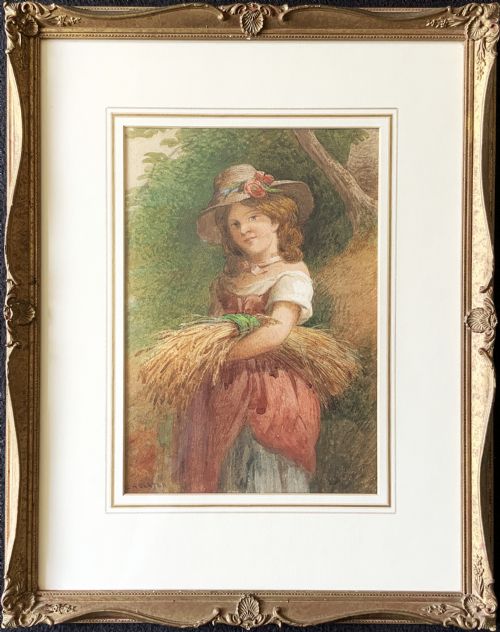
The most common examples on this page date from the Victorian and Edwardian periods, reflecting a widespread artistic interest in traditional rural scenes. Pieces range from intimate depictions of livestock and harvest work to wider landscape views framed behind glass in wood or gilt settings.
How they were made
Artists painted these rural scenes using watercolour pigment on paper, applying washes of colour to build up light and depth. Many works incorporate fine pencil underdrawing to establish the composition of cottages, fields and figures before adding the paint.
Finished watercolours were protected behind glass and housed in wooden or gilt wood frames, sometimes accented with gold leaf. This traditional framing method protected the delicate paper surface from atmospheric moisture and handling over generations.
Several watercolours record specific daily moments, from a young foal stealing fruit to geese crossing a village path.
What varies in quality
Quality in these watercolours rests upon the artist's handling of light, atmosphere and perspective within the pastoral setting. Skilled painters capture movement in livestock, water and skies with confident brushwork, whereas weaker examples rely on stiff repetition and muddy pigment.
The preservation of the paper and pigment also defines the standard of a piece. Stronger works retain their original colour vibrancy without excessive fading from sunlight, set within well-preserved period frames that complement the painting.
Percy Lancaster·A. Marie Parsons·John McDougal·George Oyston·Charles Henry Slater·Frederick Hines·Edgar Woollatt·Oswald Garside·Henry Charles Fox·Fred Lawson·James William Booth·William Hoggatt·Ernest Pile Bucknall·John Atkinson·Robert Winchester Fraser·George Soper·William Joseph Boyes·John Edward Bale·Adrian Jones·Harry Sylvester Stannard
The Framed Rural Watercolour Glossary
- Watercolour pigment
- The coloured powder ground into a medium that, when mixed with water, forms the paint used on paper.
- Gilt wood
- Wood coated with a thin layer of gold leaf or gold paint, frequently used for traditional picture framing.
- Pastoral landscape
- An artistic genre depicting rural life, shepherds, farm animals and idealized country scenery.
- Impressionism
- A style focusing on the accurate depiction of light and its shifting qualities rather than strict fine detail.
Framed Rural Watercolour: Frequently Asked Questions
How should I hang a watercolour?
Keep watercolours away from direct sunlight to prevent the pigments from fading over time. Indirect natural light in a dry room is best for preserving the paper.
Ensure the frame hangs securely on a stable wall where moisture from kitchens or bathrooms will not reach the antique paper.
Are these paintings original?
The listings feature original hand-painted works created directly by artists rather than modern mass-produced prints. Each piece displays distinct brushwork and pigment application unique to the maker.
Signatures or contemporary inscriptions on the front or back often help confirm the authenticity of the painting.
What periods do these come from?
Most pieces date from the Victorian and Edwardian eras, spanning the nineteenth and early twentieth centuries. This period saw a high demand for pastoral scenes depicting traditional rural life.
Dates are typically identified through artist lifespans, stylistic markers, and occasionally framing or labels on the reverse.