

Framed Rural Painting
A framed rural painting brings the quiet of the countryside indoors through enduring scenes of fields, farmyards, and rural life.
Framed Rural Painting
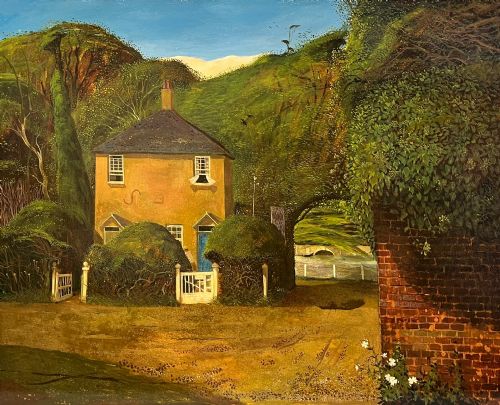
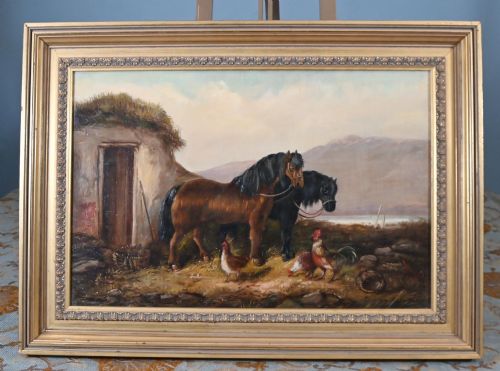
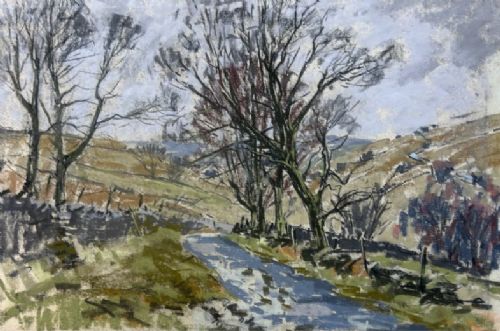
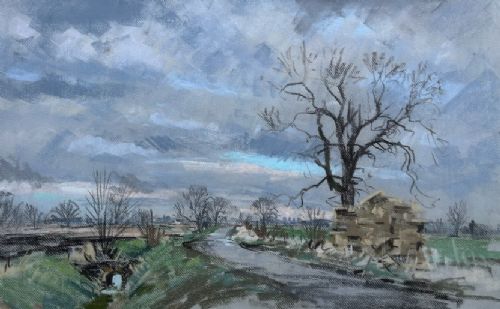
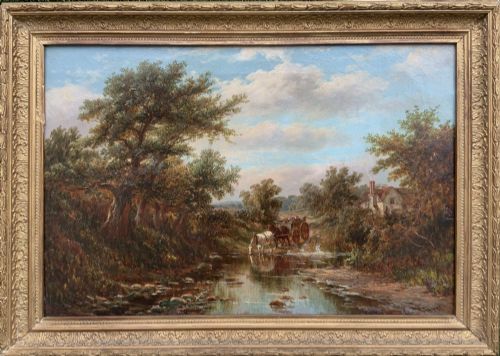
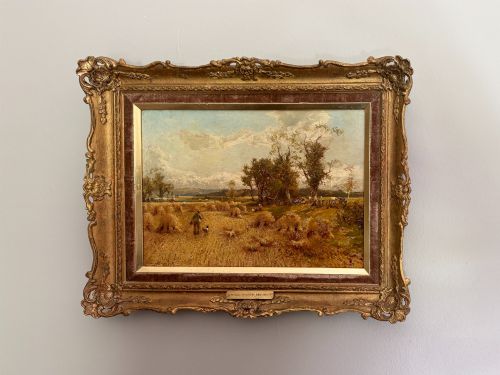
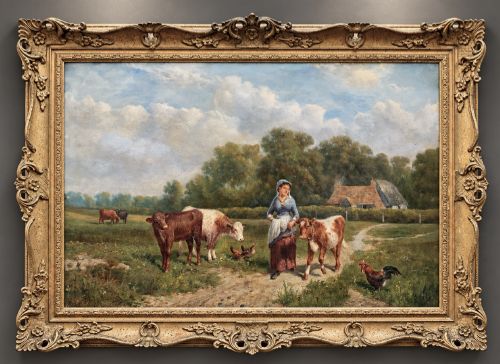
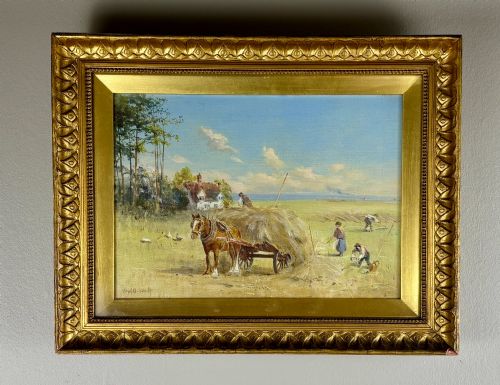
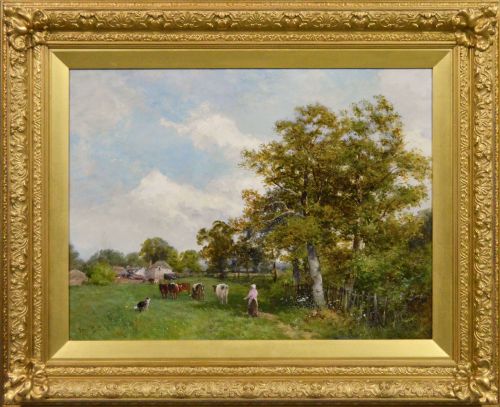
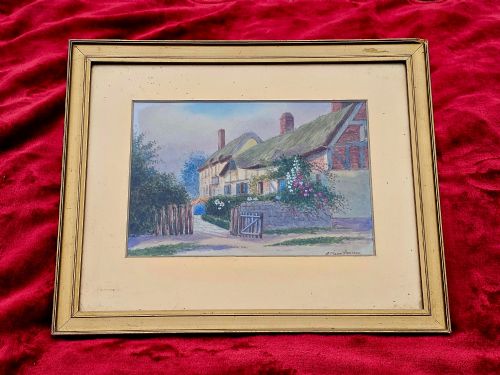
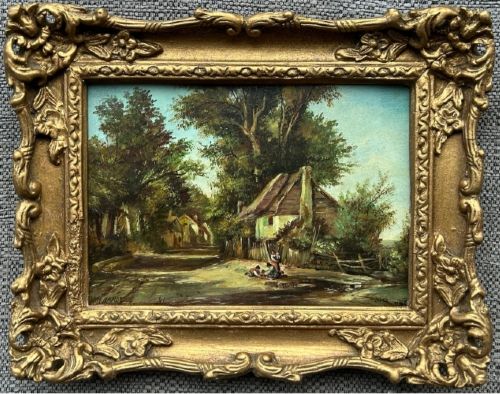
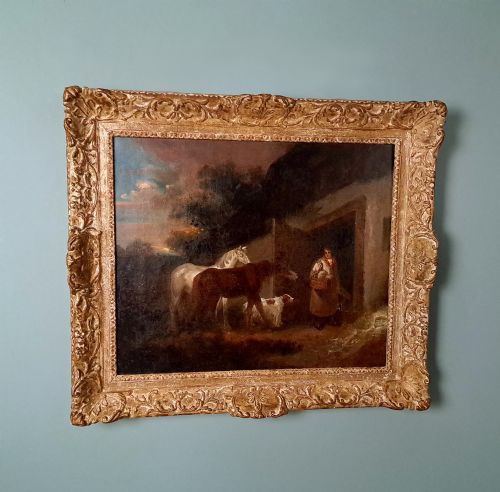
A framed rural painting captures countryside life, farmyards, and agrarian landscapes across the nineteenth and twentieth centuries. These works record agricultural scenes, cottages, and grazing livestock through the eyes of Victorian, Edwardian, and modern British artists.
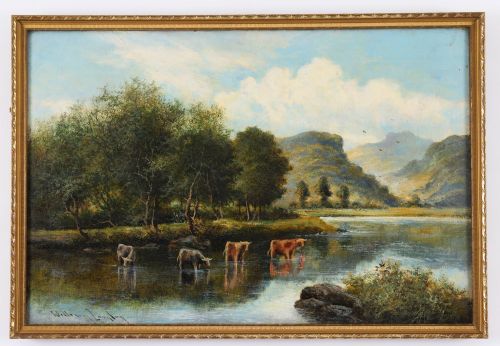
The most common examples on this page are oil paintings and watercolours on canvas, paper, or wood panels. Many retain their original frames, preserving the complete presentation intended by the maker.
Materials and construction
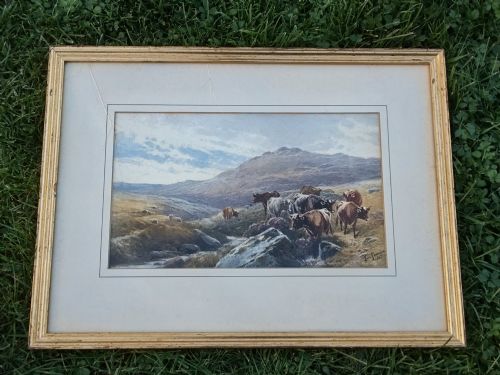
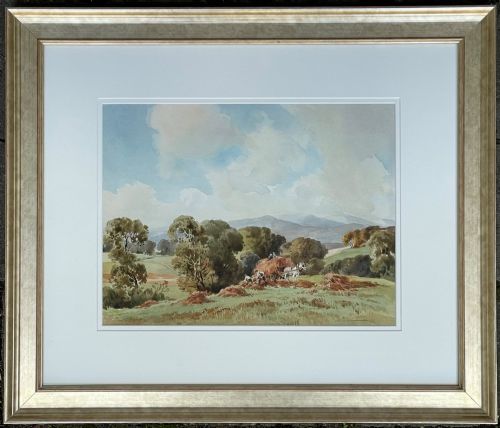
Artists painted these rural scenes using oil paint or watercolour applied to canvas, paper, card, or wood panels. Oil paint provides rich, layered depth to farmyard shadows and harvest fields, whilst watercolour offers a translucent lightness suited to village views and open skies.
Wood and gilt wood frames house these works, often protected by glass in the case of watercolours and pastels. These enclosures secure the paper or canvas while framing the pastoral composition for domestic display.
Framed Rural Painting Retail Price Guide 2026
Typical asking prices for framed rural painting among the pieces listed under this phrase on Sellingantiques today, from the lower quarter to the upper quarter. They describe what is for sale here now, not the wider market.
Periods represented span from Victorian and Edwardian times through to mid-twentieth century modern British art.
Quality factors in rural painting
The distinction between ordinary and exceptional works rests upon the artist's handling of light, atmosphere, and natural detail within the rural setting. Skilled brushwork brings vitality to foliage, livestock, and figures, whereas lesser pieces rely on formulaic repetition.
Condition and originality also govern value, particularly the survival of the genuine period frame and the stability of the paint or paper surface. Works that retain their original unblemished substrate hold greater presence.
Angus Rands·William Langley·Thomas Rowden·Samuel Joseph Clark·Hugh Barry-Scott·William Manners·Thomas Thomas·Edward Charles Williams·William Shayer·George Whitton Johnstone·GEORGE GRAHAM·W Klombeck·Percy Lancaster·William Howard Hardy·A. Marie Parsons·William Joseph Shayer Senior·John McDougal·EJ Letheren·Robert A. Nottingham·Mark William Langlois·David Bates·Robert John Hammond·Charles Houben·Walter Heath Williams·Th.Thibault
The Framed Rural Painting Glossary
- Oil on canvas
- Pigment suspended in drying oil applied to stretched woven fabric. This medium allows for deep colour saturation and textured brushwork.
- Watercolour
- A paint consisting of colour pigment suspended in a water-soluble binder. It is typically applied to paper to create luminous, transparent washes.
- Pastel
- A drawing medium consisting of powdered pigment and a binder rolled into sticks. Artists use it to produce velvety, vibrant rural sketches.
- Wood panel
- A flat wooden board utilised as a rigid support for oil painting before canvas became dominant. It provides a smooth, stable surface for fine detail.
Framed Rural Painting: Frequently Asked Questions
What periods do these rural paintings cover?
The listings span from the nineteenth century through the Edwardian era into the mid-twentieth century. Most examples date from the Victorian period up to the 1920s.
During this timeframe, British and European artists frequently turned to pastoral subjects, capturing traditional farming methods and rural architecture before mechanisation changed the countryside.
How should I hang a framed watercolour?
Watercolours require protection from direct sunlight to prevent the pigments and paper from fading over time. Hang them on interior walls away from bright windows and direct heat sources.
Ensure the glazing is secure and the hanging wire or brackets are suited to the weight of the wood and gilt frame.
Are these paintings original works?
The inventory consists of original hand-painted works rather than modern mass-produced prints. Each piece reflects the direct touch of the artist's brush or pastel stick.
Signatures, studio stamps, and exhibition labels often accompany these pieces, verifying their creation in the studio or in the open air.
What subjects appear in these scenes?
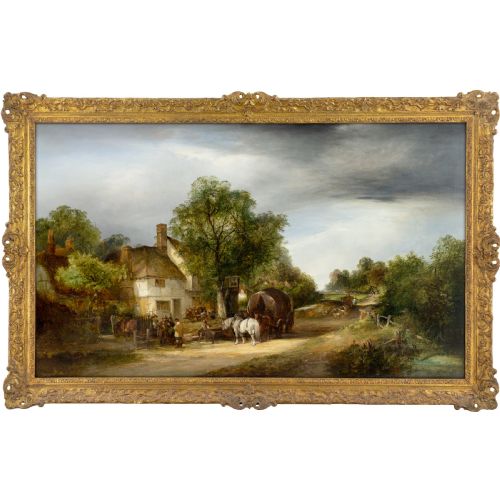
Common subjects include farmyards, cattle, sheep, harvest fields, thatched cottages, and country inns. Artists often placed working animals and rural labourers at the centre of the composition.
These depictions offer a visual record of agricultural life and rural landscapes as they appeared to artists working across past centuries.