



Framed Pub Mirror
These framed pub mirror pieces bring genuine commercial heritage into a room, offering both practical reflection and striking vintage advertising.
Framed Pub Mirror
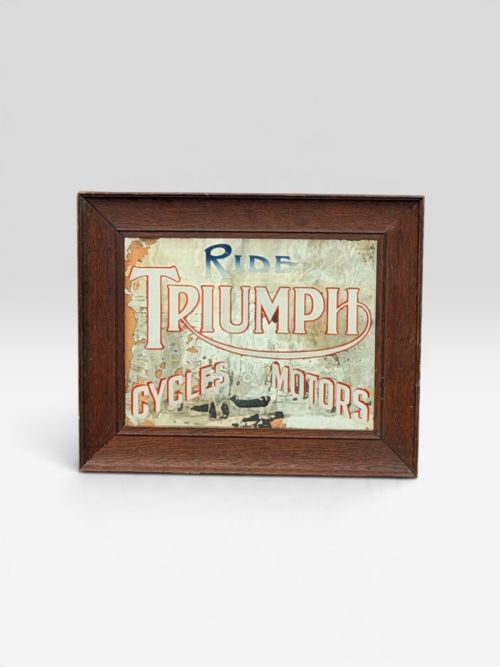
A framed pub mirror serves as a functional wall hanging that doubles as historical advertising, hailing from commercial interiors and hospitality spaces of past centuries. When searching for a framed pub mirror, collectors encounter diverse forms including acid-etched pub signs, vending machine panels, and French bistro mirrors.
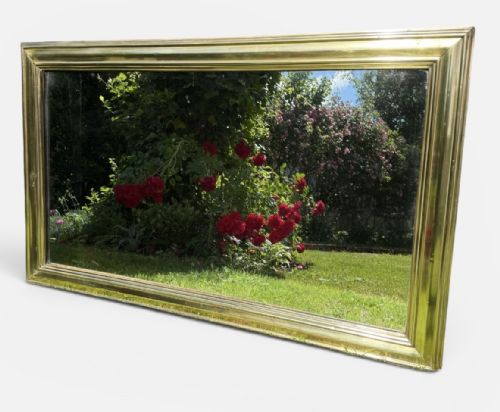
The pieces appearing on this page span several distinct periods from the nineteenth century through the nineteen-thirties, encompassing Edwardian examples, Victorian commercial designs, and Art Deco creations. Alongside traditional British pub items, buyers frequently find French brasserie and bistro variants featuring brass frames and advertising boards.
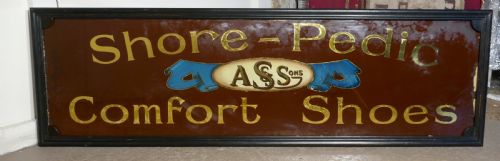
Object types range from standard wall mirrors and advertising signs to specific trade displays like shoe shop mirror advertising and tobacco brand boards. These items originated in working environments, meaning their survival preserves a tangible slice of commercial history.
How they were made
Makers constructed these pieces using heavy timber supports, oak, and ebonised wood alongside robust brass frames to withstand busy commercial environments. Mirror glass and original plates provide the reflective surface, often treated with specialised techniques such as acid etching.
Surface decoration frequently involves applied paint and detailed lettering to display brand names like Wills's Tobacco or Harpers Automatic. Timber frames were secured with thick backing, while some examples utilised brass mounted on oak for enhanced structural durability.
Framed Pub Mirror Retail Price Guide 2026
Typical asking prices for framed pub mirror among the pieces listed under this phrase on Sellingantiques today, from the lower quarter to the upper quarter. They describe what is for sale here now, not the wider market.
One vendor offers a vending machine mirror, proving that even automated snack delivery required a quick check of one's appearance.
What varies in quality
Quality in these pieces rests upon the integrity of the original glass plate and the clarity of the underlying commercial lettering or etching. Superior examples retain their authentic advertising graphics without excessive restoration, preserving the distinct character imparted by decades of commercial use.
The construction of the frame itself dictates value, with heavy brass mountings and solid oak or ebonised timber displaying superior craftsmanship compared to lighter commercial replacements. The depth of the acid etching and the crispness of painted brand details distinguish exceptional advertising pieces from standard decorative mirrors.
Truimph·Harpers Automatic·Wills's Tobacco·A S & Sons
The Framed Pub Mirror Glossary
- Acid etching
- A decorative technique using acid to cut designs into glass. This method created crisp lettering and intricate imagery for commercial signage.
- Brasserie mirror
- A large reflective panel associated with French drinking establishments. These typically featured substantial brass frames and French provincial styling.
- Advertising mirror
- A functional looking glass incorporating brand names or company logos. Brewers and tobacco firms utilised these to promote products in public houses.
- Ebonised wood
- Timber treated to resemble ebony. This dark finish provided a formal border popular in late Victorian framing.
- Original plate
- The primary glass surface installed during manufacture. Retaining this component adds historical authenticity to antique mirrors.
Framed Pub Mirror: Frequently Asked Questions
What is a framed pub mirror?
A framed pub mirror is a historical wall hanging that combines a reflective glass plate with commercial advertising for beverages, tobacco, or retail goods. These items were originally mounted in public houses and shops to promote brands while brightening the interior.
Today, they function as decorative interior pieces that bring industrial and commercial character to domestic spaces. Their varied styles reflect the specific advertising tastes of the nineteenth and early twentieth centuries.
How do I date a framed pub mirror?
Dating relies on examining the materials, framing styles, and the specific lettering techniques used on the glass. Victorian and Edwardian examples often feature distinct acid etching and heavy oak or ebonised timber frames.
Later pieces from the nineteen-twenties and nineteen-thirties display Art Deco influences or incorporate vending machine panels and cinema advertising boards. Comparing the brand names and typography to known historical periods helps narrow down the origin.
Where were these mirrors used originally?
These pieces hung primarily in British public houses, French bistros, brasseries, and commercial retail shops. They served the dual purpose of illuminating dim interiors and advertising popular trade goods to patrons.
From tobacco shops to shoe stores and local pubs, merchants utilised these reflective boards to capture attention in busy public environments. Their placement in high-traffic areas explains the robust construction using thick timber and brass.
How should I hang a heavy brass mirror?
Hanging requires locating a secure wall stud or using heavy-duty wall anchors rated for the combined weight of the timber and brass frame. Because many of these pieces utilise thick wood backing and substantial glass plates, proper structural support is essential.
Ensure the mounting hardware engages securely with the frame's original hanging points without straining the antique materials. Consulting a professional installer is recommended for particularly large brasserie or bistro mirrors.