

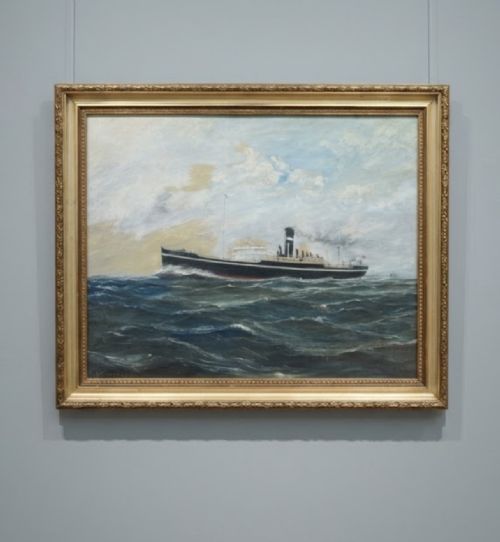
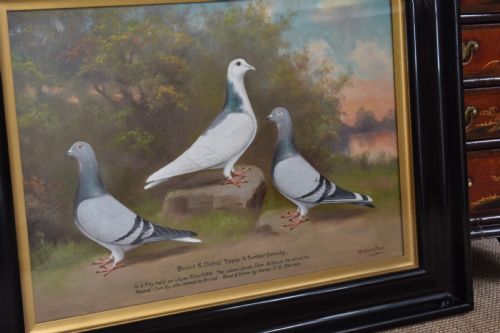
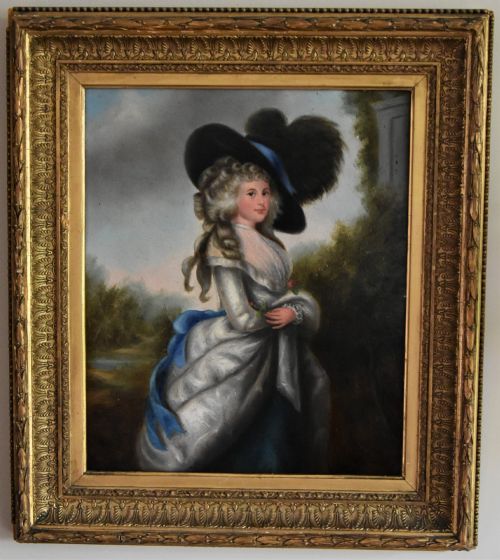




Framed Portrait on Board
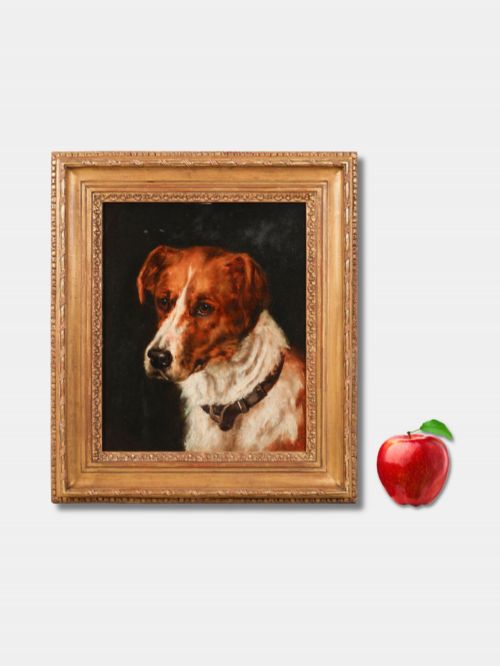
A framed portrait on board brings character and historical depth to a room through oil paint applied to a rigid wooden surface.
Framed Portrait on Board
When searching for a framed portrait on board, a buyer encounters works executed directly onto wooden supports or panel foundations rather than stretched fabric. These pieces span centuries of artistic production, recording human subjects, animals, and character studies in varied painterly traditions.
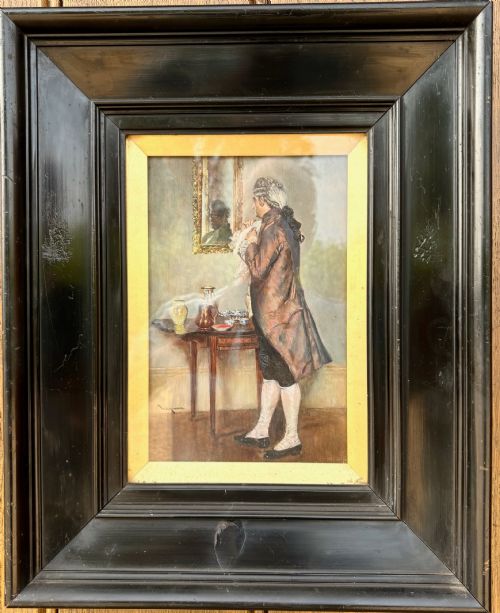
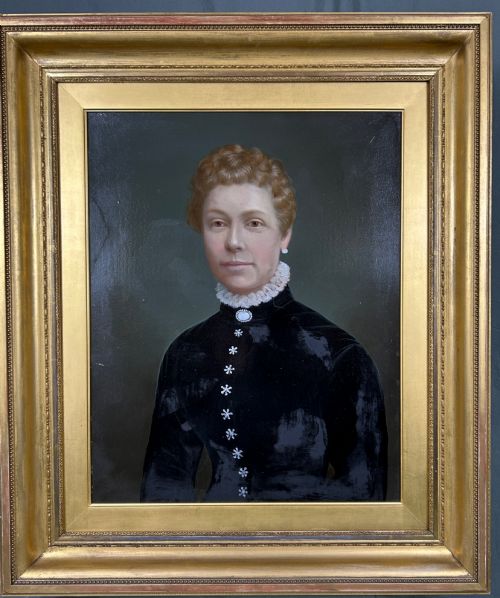
The version most commonly met on this page is the nineteenth-century or early twentieth-century oil painting depicting an individual sitter, animal, or genre subject, retained within its period frame. Such works demonstrate the durability of rigid supports, which resisted the slackening common to woven canvas over decades of environmental shifts.
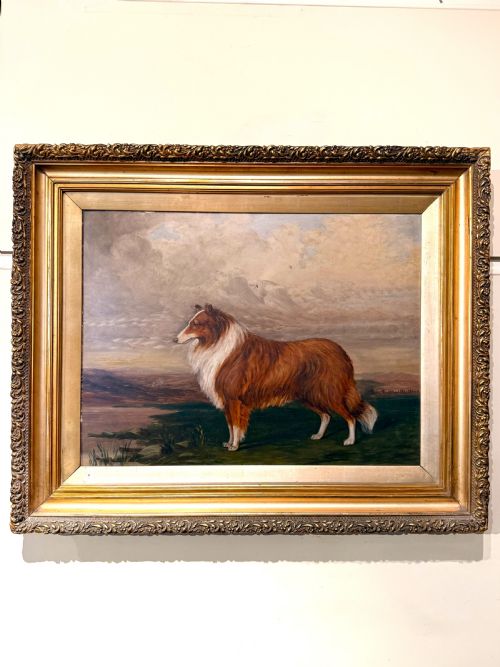
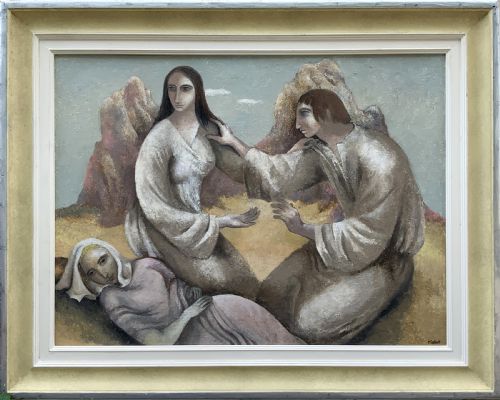
Beyond human subjects, the selection encompasses animal studies, including dogs, horses, and lions, alongside modernist treatments and abstract compositions. Each piece relies on the firm ground of the board to hold pigment securely, whether handled with smooth academic precision or vigorous impasto.
How they were made
The primary materials uniting these works are oil paint and rigid board, sometimes supplemented by gesso preparation layers and wooden frames finished with gilt. Painters applied oil medium directly to wood panels or manufactured boards, exploiting the smooth, unyielding surface to build fine glazes or heavy impasto textures.
Frames play a structural and aesthetic role, frequently constructed from wood with gesso mouldings, carved details, or ebony finishes. These surrounds protected the edges of the painted board while defining the visual boundary between the artwork and the surrounding wall.
Framed Portrait on Board Retail Price Guide 2026
Typical asking prices for framed portrait on board among the pieces listed under this phrase on Sellingantiques today, from the lower quarter to the upper quarter. They describe what is for sale here now, not the wider market.
Several portraits share wall space with steadfast dogs, watchful cats, and inquiring cows who hold the gaze just as firmly as any human sitter.
What varies in quality
The preservation of the paint layer and the integrity of the original wood support also distinguish superior pieces. Works that retain their untouched surfaces, stable pigment, and period-appropriate framing offer greater historical coherence than those altered by heavy restoration or housed in unsympathetic modern mounts.
Jonny Gaston·W.D. Almond·David Orr Kerr·Allan Douglas Davidson·Colin Graeme Roe·Fred Yates·George Smith RSA·Allan Gwynne-Jones
The Framed Portrait on Board Glossary
- Board
- A rigid flat support made of wood, panel, or composite material used as a base for painting instead of stretched canvas.
- Impasto
- Paint applied thickly to a surface, leaving prominent brush or palette knife marks that stand out in relief.
- Gesso
- A plaster-like mixture applied to wood panels or frames to create a smooth, stable surface for painting or gilding.
- Gilt
- A thin layer of gold leaf or metallic paint applied to wooden frames for decoration.
- Genre painting
- Artwork depicting scenes from everyday life, ordinary people, or domestic animals rather than formal portraiture.
Framed Portrait on Board: Frequently Asked Questions
Are all boards made of solid wood?
Not all boards are solid timber; some nineteenth and twentieth-century examples utilise manufactured panels, compressed wood fibre, or canvas laid onto a rigid backing.
Examination of the reverse side typically reveals the nature of the core material and any maker stamps or labels.
How do I hang a heavy framed portrait?
Heavy framed portraits require secure fixings anchored directly into wall studs or appropriate masonry plugs rather than simple picture hooks.
The weight of the wooden frame and rigid board backing demands robust picture wire and sturdy D-rings attached firmly to the frame sides.
Should I remove the original frame?
Original frames provide contextual history and structural protection, making their retention preferable whenever possible.
Replacing a period frame alters the visual balance intended by the artist or subsequent owners during the life of the piece.
How do I clean an oil painting on board?
Surface dust should be removed gently with a soft, dry brush, avoiding any moisture or household cleaning agents.
Accumulated grime or discoloured varnish requires professional conservation to prevent damage to the underlying paint layers.