
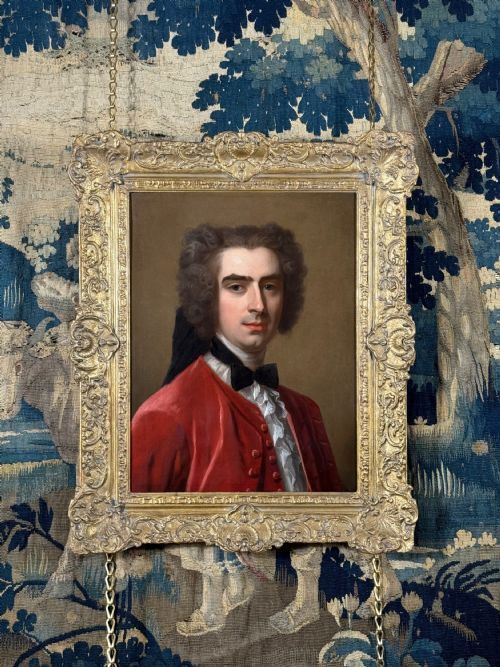
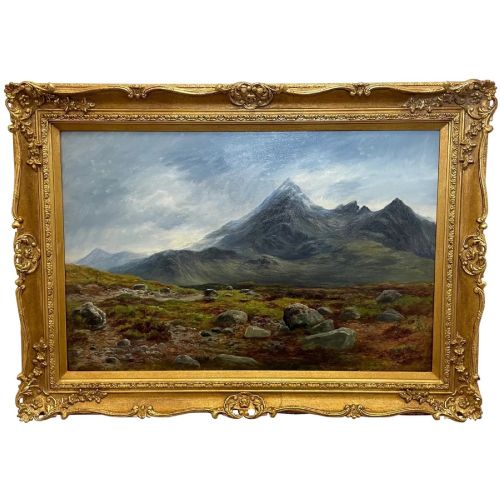
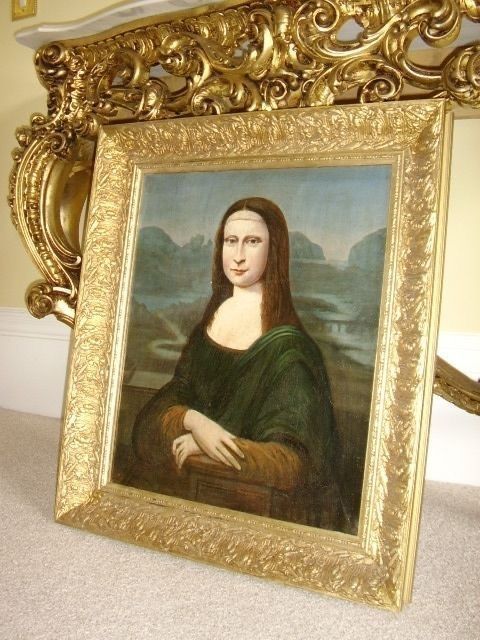
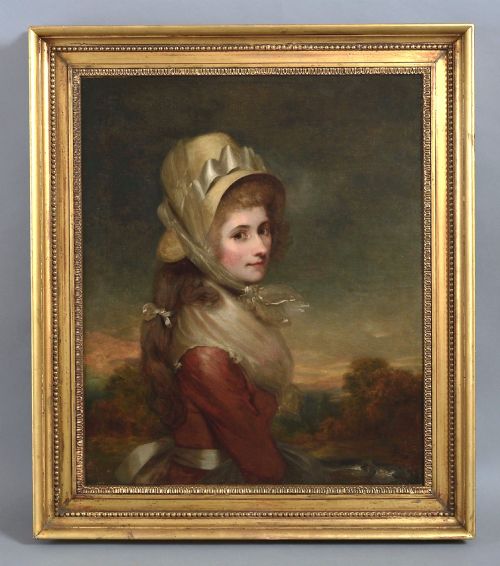


Framed Oil Fine Art
When you search for framed oil fine art, you encounter centuries of painterly tradition preserved in canvas, wood, and gold leaf.
Framed Oil Fine Art
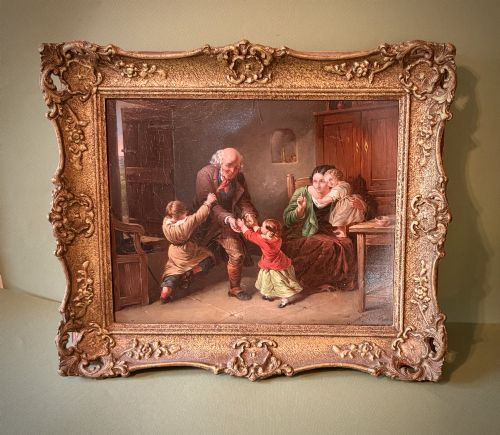
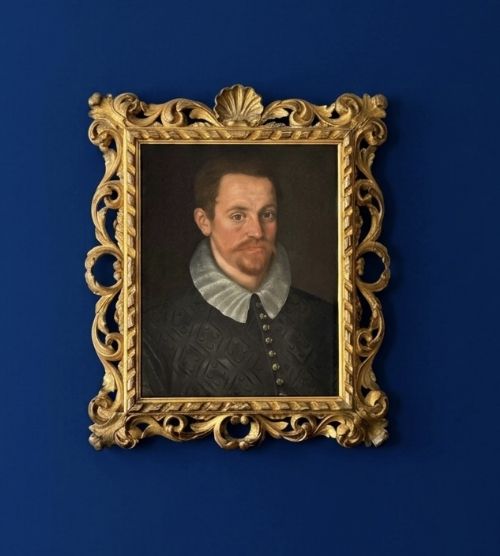
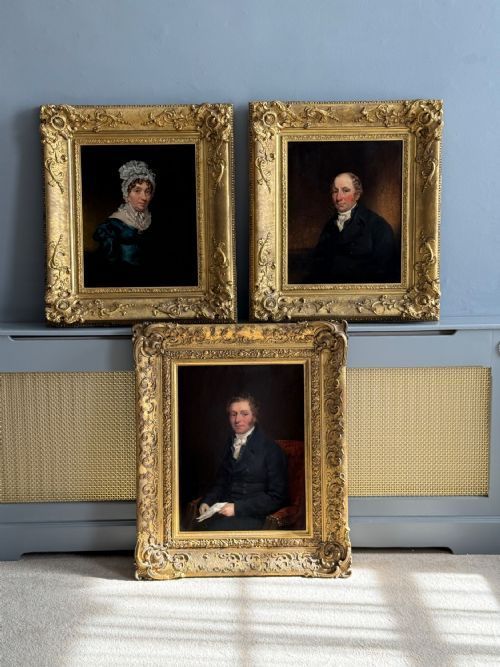
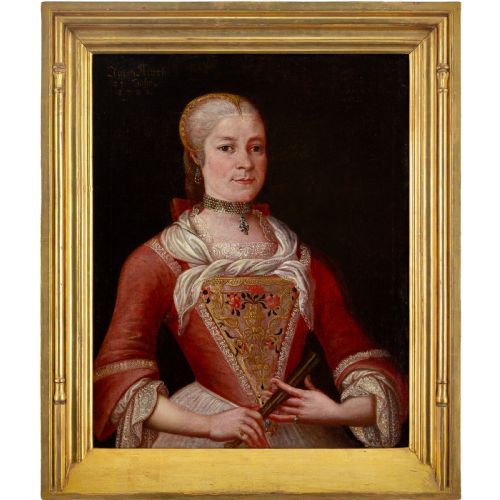
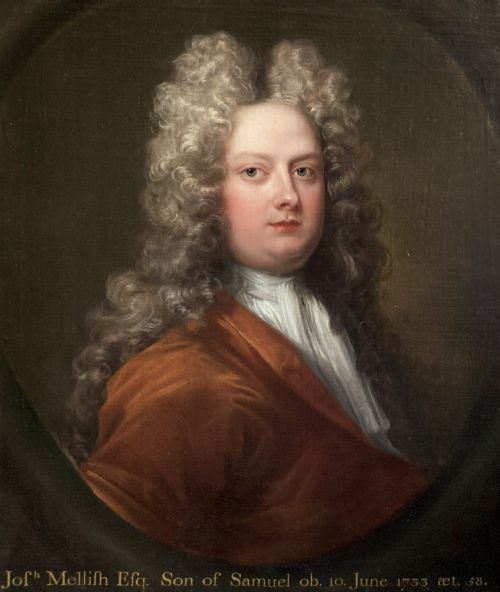
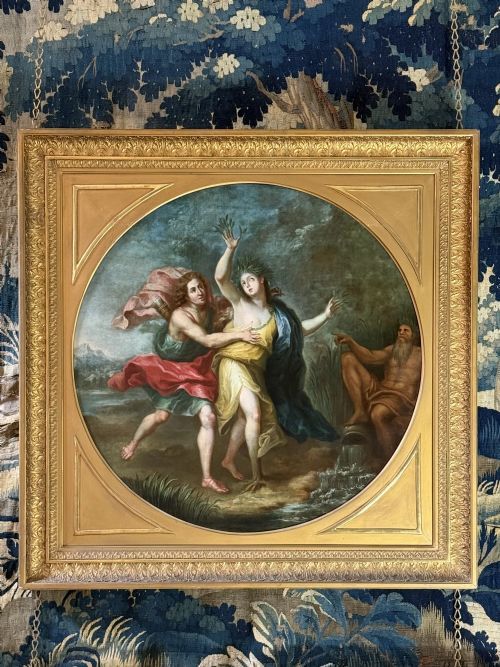
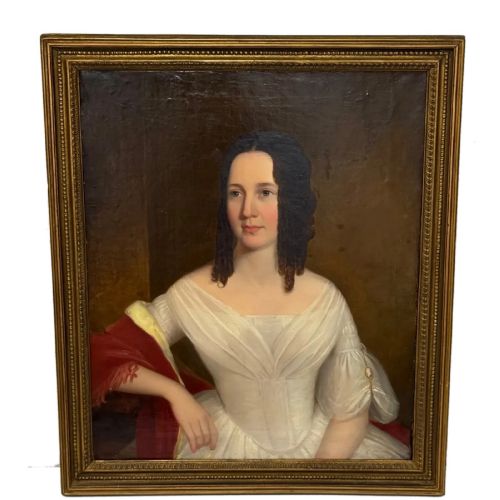
When hunting for framed oil fine art, buyers encounter a diverse array of historic works spanning multiple centuries, from seventeenth-century portraits to twentieth-century landscapes.
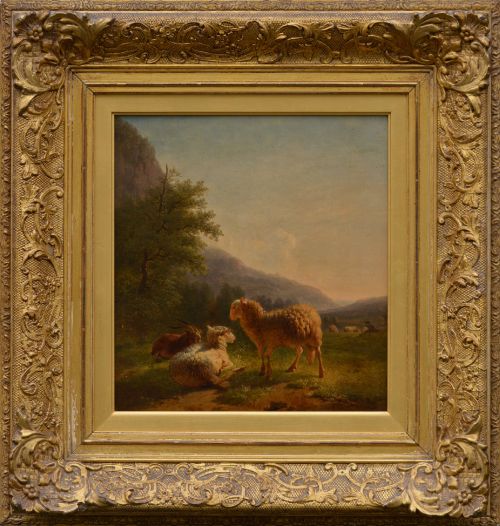
The selections on this page heavily feature eighteenth and nineteenth-century oil paintings on canvas, frequently housed within period wooden or giltwood frames.
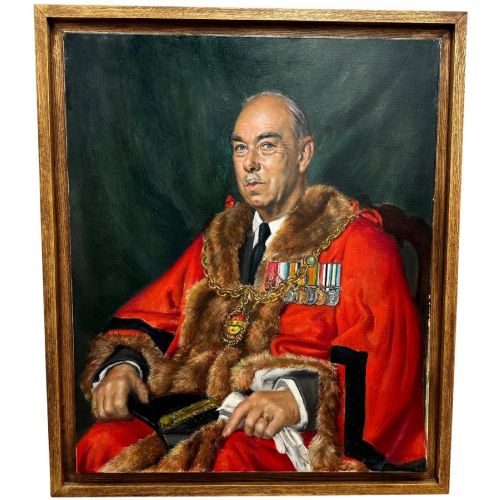
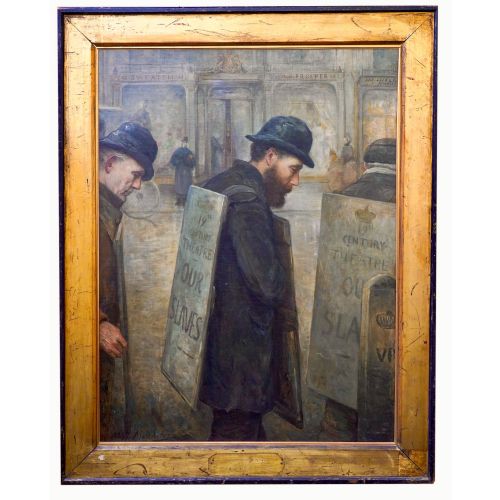
Subjects range widely from formal aristocratic portraits and classical mythological scenes to pastoral landscapes and detailed genre studies.
Materials and technique
Painters utilised oil-based pigments applied to woven canvas supports or occasionally wooden panels, allowing for rich blending and deep colour saturation.
Finished works were subsequently secured within handcrafted wooden frames, often enriched with carved details and finished with applications of gold leaf or giltwood.
Several portraits preserve the intense gazes of eighteenth-century aristocrats alongside charmingly rendered sheep and goats.
Assessing quality
The standard of fine art oil paintings rests heavily upon the skill of the brushwork, the psychological depth or compositional balance of the subject, and the preservation of the original pigment.
Furthermore, the accompanying frame contributes significantly to the integrity of the piece, with period-correct giltwood mouldings elevating the overall historical value.
Charles Jervas·Eugène Verboeckhoven·Joseph Clover RA·John Maler Collier·George Willison·John Opie RA·Joshua Reynolds
The Framed Oil Fine Art Glossary
- Oil on canvas
- A traditional painting technique where pigments suspended in oil medium are brushed onto a stretched fabric support. This combination allows for lasting durability and subtle textural depth.
- Giltwood
- Wood that has been decorated with a thin layer of gold leaf or gold powder. It provides a luminous, reflective border tailored to complement historic oil paintings.
- Genre painting
- The pictorial representation of scenes from everyday life, involving ordinary people engaged in common activities. These works offer social history captured through an artist's lens.
- Portraiture
- The representation of a particular person, capturing their likeness and status through painted media. Historic examples often record specific sitters accompanied by informative biographical details.
Framed Oil Fine Art: Frequently Asked Questions
How do I date an oil painting?
Dating relies heavily upon the stylistic clues of the subject's costume, hair, and surrounding accessories, alongside the physical characteristics of the canvas and stretcher.
The accompanying frame can also offer chronological markers, though frames were frequently updated or swapped in later centuries.
What is an oil on panel painting?
Unlike canvas supports, panel paintings utilise solid pieces of wood as the foundation for the oil pigments. This technique was favoured in earlier centuries for its smooth, rigid surface.
Over time, wood panels require careful environmental controls to prevent warping or splitting of the timber.
How should I hang framed oil art?
These works require sturdy wall fixings due to the combined weight of the heavy wooden frames and stretched canvases. Professional hanging hardware distributes the load evenly.
Position paintings away from direct sunlight and fluctuating heat sources to protect the delicate oil pigments and giltwood finishes.
What is the difference between a portrait and a genre painting?
Portraits focus on recording the specific likeness, identity, and status of a real individual or family member. They often include personal attributes such as books or clothing indicative of their rank.
Genre paintings instead depict anonymous figures participating in daily narratives, landscapes, or theatrical moments without individual portraiture intent.