

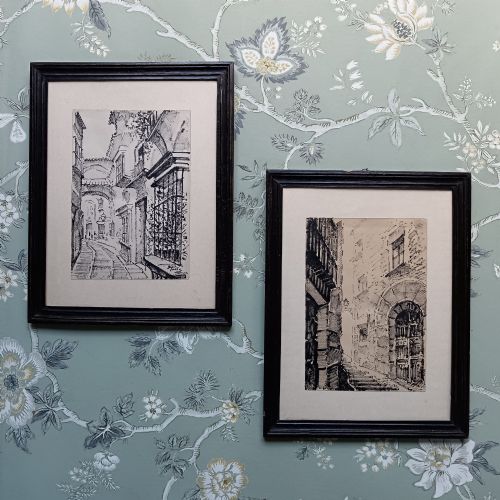
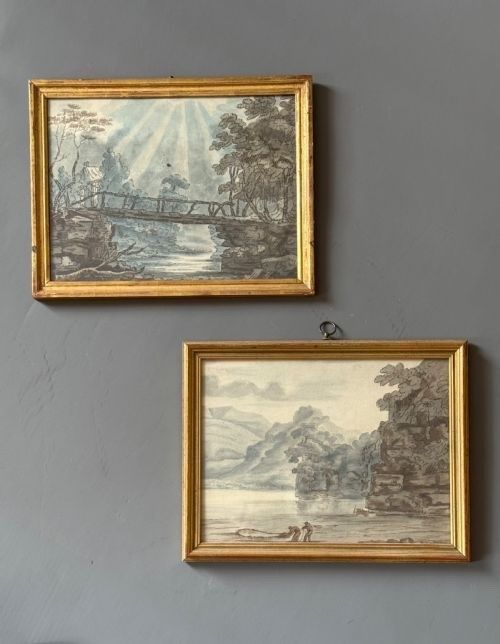
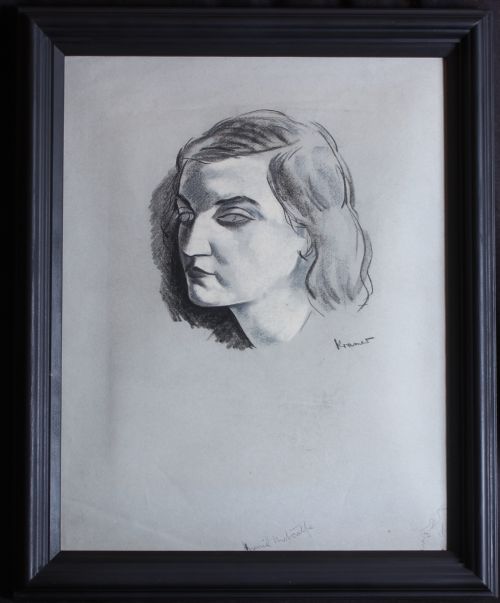
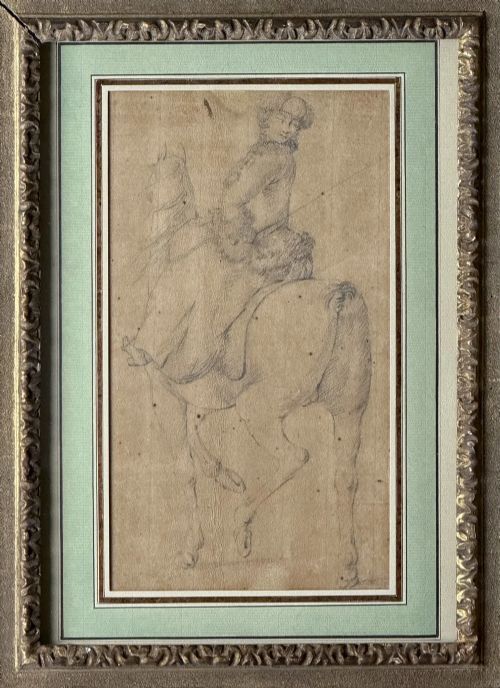


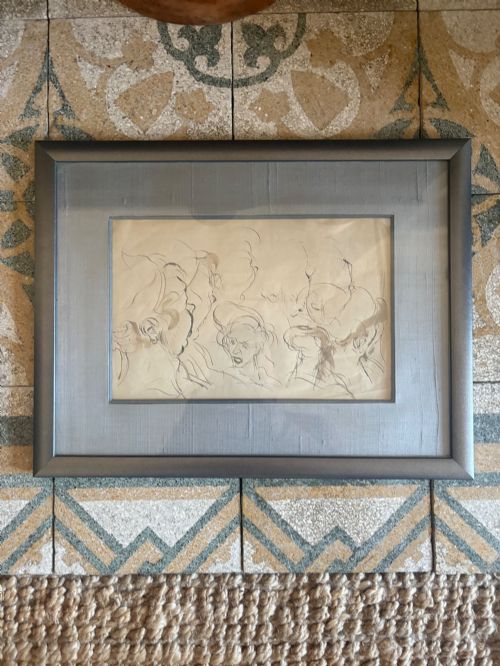

Framed Ink Sketches
Framed ink sketches offer direct encounters with an artist's hand, capturing immediate thoughts through swift line and tone on paper.
Framed Ink Sketches
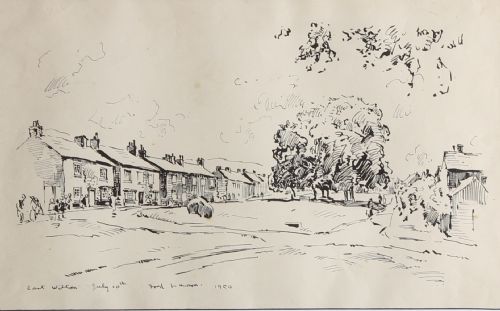
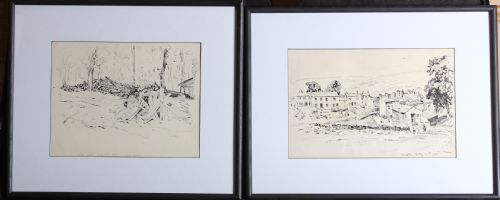
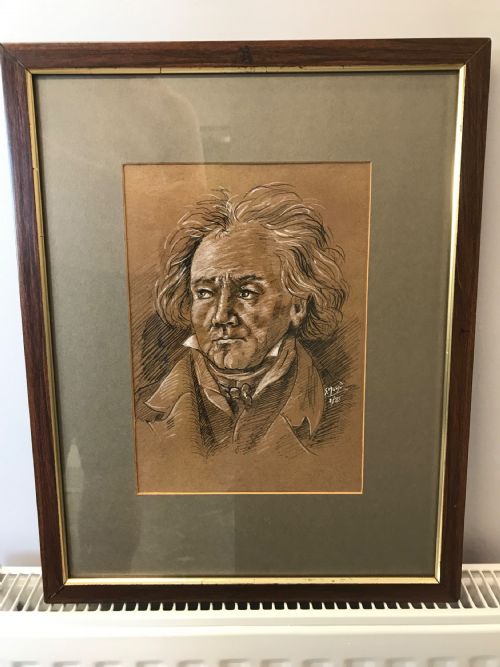
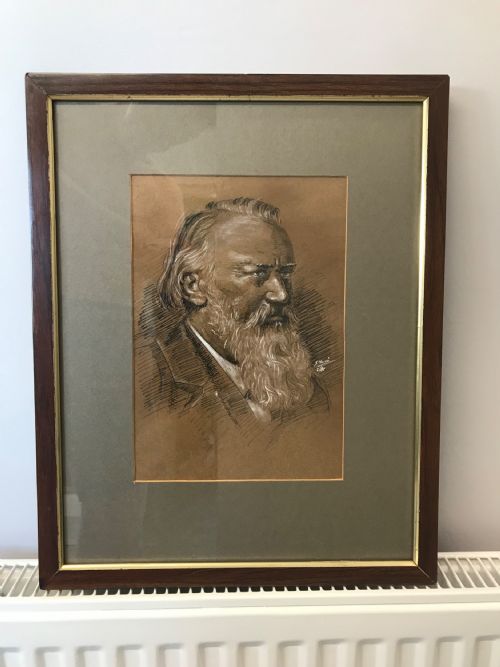
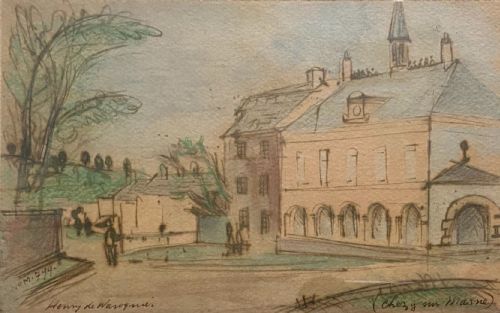
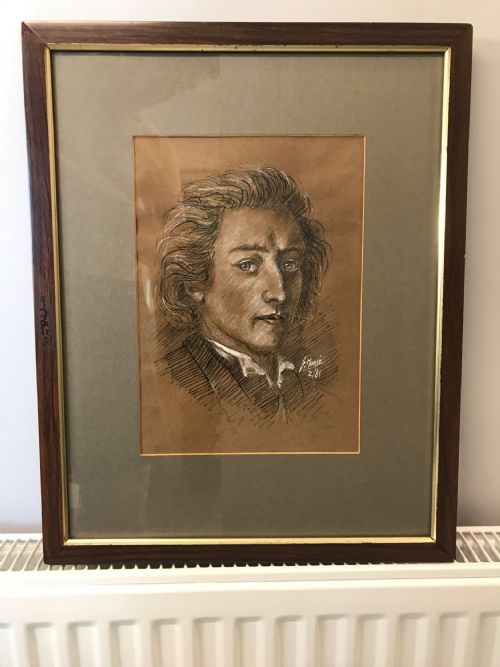
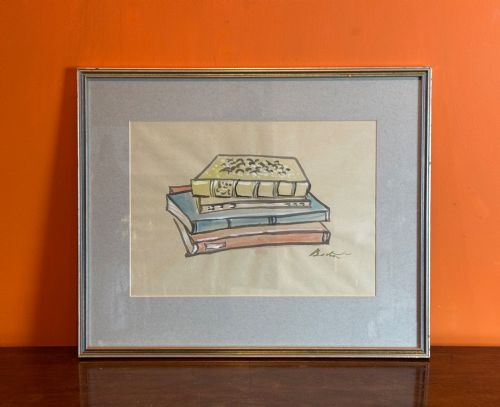
Framed ink sketches encompass original works on paper executed primarily in pen and ink, frequently accompanied by watercolour, gouache, or wash. These pieces range from rapid preparatory studies and architectural drawings to detailed landscape and portrait compositions.
The selection spans several centuries, drawing heavily from nineteenth-century realism, early twentieth-century modernism, and mid-century British art. Buyers regularly encounter works originating from British, French, Dutch, and Spanish schools.
Most items arrive ready to hang in period timber or giltwood frames with protective glass. The format preserves fragile paper supports while presenting individual drawings as finished wall art.
Materials and Technique
Artists relied on iron gall or carbon inks applied with metal nibs, reed pens, or fine brushes directly onto paper surfaces. This foundation delivered precise linework capable of sharp contrast and delicate shading.
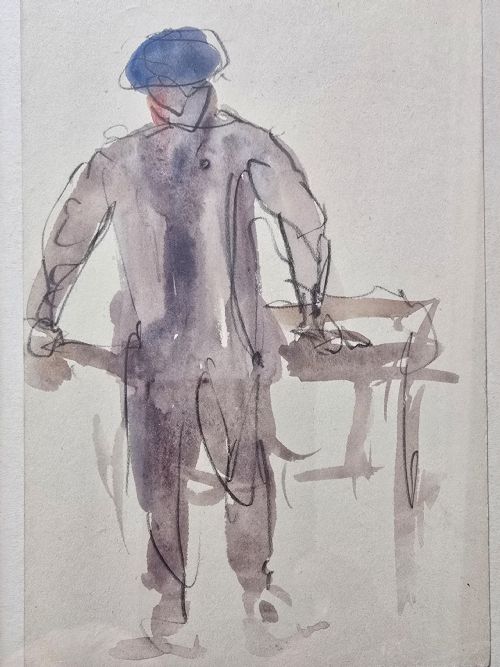
Many compositions integrate washes of diluted ink, watercolour, or gouache to introduce depth, colour, and atmospheric shadow. Charcoal and pencil underdrawings occasionally remain visible beneath the ink.
Mounting and framing protected these organic components from environmental damage. Wood frames and glass enclosures secured the works on paper for domestic display.
Framed Ink Sketches Retail Price Guide 2026
Typical asking prices for framed ink sketches among the pieces listed under this phrase on Sellingantiques today, from the lower quarter to the upper quarter. They describe what is for sale here now, not the wider market.
Listings span periods from the eighteenth century through the 1960s, featuring paper, ink, watercolour, gouache, and giltwood materials.
Determining Quality
Quality rests upon the confidence and economy of the line work. A superior drawing displays deliberate, expressive strokes that convey form and movement without hesitation or heavy correction.
The integration of secondary pigments like watercolour or wash dictates visual balance. Finer examples maintain transparency and control, whereas lesser works suffer from muddy application or overworked details.
Condition of the paper support and clarity of provenance influence standing. Stronger pieces retain fresh paper tones and clear attributions to documented artists or recognised schools.
Jacob Kramer·Fred Lawson·Henry de Waroquier·Cecil Beaton·Michael Healy·Alfred Dehodencq·William Edward Frost·Louis Wain·Lucien Freud·Pio Panfili·Dame Laura Knight·Johan Noah Bemmel·John Duncan Fergusson·Kees van Dongen·Theobald Chartran·Markey Robinson
The Framed Ink Sketches Glossary
- Wash
- A thin layer of diluted ink, water-colour, or pigment applied with a brush to create tonal gradations and shadow. It often accompanies fine pen lines to build volume in a drawing.
- Gouache
- An opaque water-based medium containing pigment, water, and a binding agent like gum arabic. It provides solid, flat areas of colour that contrast with translucent ink lines.
- Giltwood
- Timber framing coated with a thin layer of gold leaf or gold paint. This technique added decorative brilliance to frames housing works on paper.
- Preparatory study
- A preliminary drawing executed by an artist to plan a larger painting, sculpture, or architectural project. These sheets record initial compositional thoughts.
- Work on paper
- A broad classification for any piece of art created on a paper substrate, including drawings, watercolours, prints, and sketches.
Framed Ink Sketches: Frequently Asked Questions
What is an ink sketch?
An ink sketch is an original graphic work executed on paper using pen and ink. Artists employ this medium for quick studies, preparatory drawings, or finished compositions.
These pieces rely on line and sometimes wash to define subjects ranging from portraits and landscapes to architectural designs.
How should I hang these framed works?
Keep framed pieces away from direct sunlight to prevent the ink and paper from fading over time. Stable indoor humidity protects both the paper support and the wooden frame.
Use secure picture hooks suited to the weight of the timber and glass assembly. Hang them at eye level for optimal viewing.
How do I identify the period?
Examine the paper type, framing style, and handwriting on the mount or reverse. Older pieces often utilise hand-laid paper and historical subject matter.
Stylistic markers, such as mid-century abstraction or nineteenth-century realism, also help date the execution. Signatures and dates inscribed by the artist provide definitive chronological anchors.
Were these made as finished art?
Some pieces served as working drawings or preparatory studies for larger paintings and architectural projects. Others were created as independent artworks intended for exhibition or sale.
Artists frequently treated ink drawings as complete expressions rather than mere steps toward a final canvas.