





Framed Industrial Wall Art
Framed industrial wall art brings factories, railways and maritime scenes into domestic interiors through period paintings, signs and prints.
Framed Industrial Wall Art
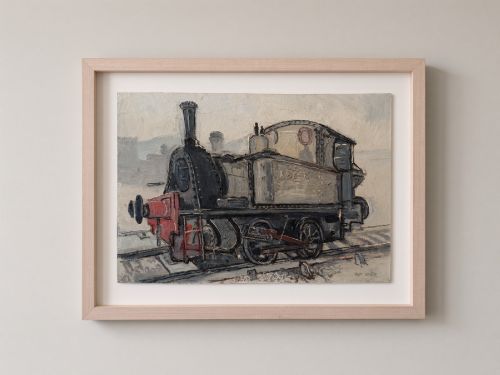
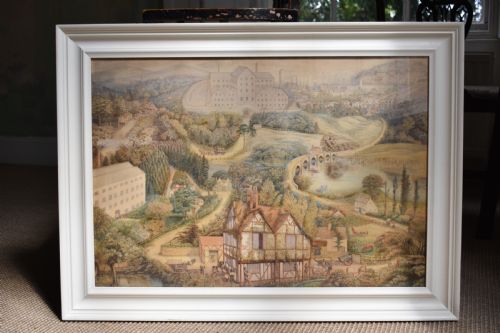
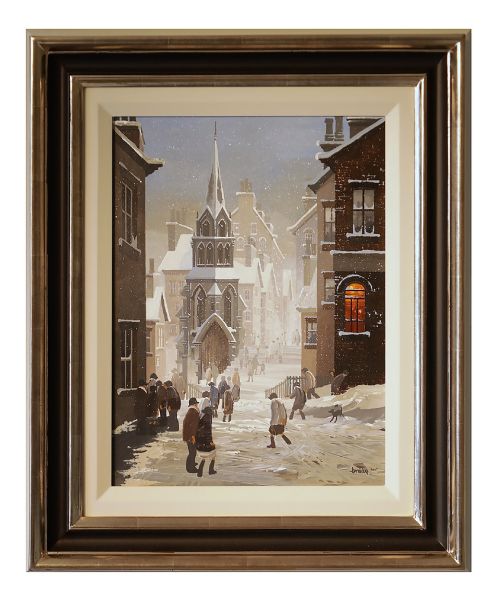
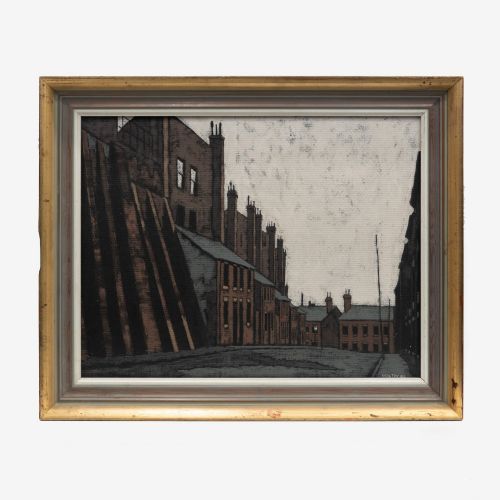
When buyers search for framed industrial wall art, they encounter oil paintings, watercolours, lithographs, etched plates and mirrors depicting factories, railways, breweries and docks. These pieces span periods from the nineteenth century through the 1920s, 1950s and 1960s, reflecting changing workplaces and urban landscapes.
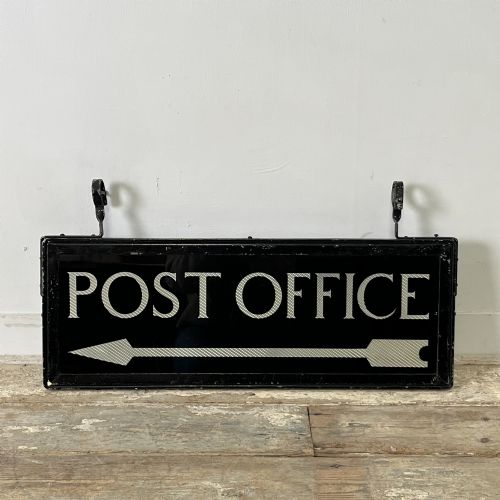
The selections on this page most frequently present oil on canvas or board, alongside paper watercolours and glass signage. Subjects range from constructivist factory scenes and engine plaques to station views and maritime shipping.
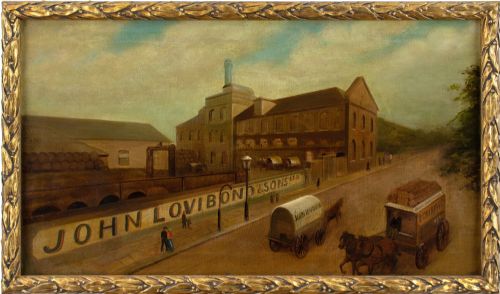
Makers and artists represented include named painters and commercial enterprises, capturing real operational sites such as breweries, power plants and railway yards within period frames of wood or metal.
Evaluating Quality
Quality in these works rests upon the strength of the composition and the authenticity of the industrial subject matter. Paintings that capture the gritty atmosphere of a forge, dock, or factory with assured brushwork stand well above routine topographical records.
The integration of the frame with the piece matters significantly, as period wood frames and original glass enhance the historical integrity of signs, mirrors, and canvases alike. Clarity of detail in lithographs and etched plates preserves the documentary value of engineering scenes.
Framed Industrial Wall Art Retail Price Guide 2026
Typical asking prices for framed industrial wall art among the pieces listed under this phrase on Sellingantiques today, from the lower quarter to the upper quarter. They describe what is for sale here now, not the wider market.
Even Thomas Edison receives framed portraiture alongside railway engines and brewery advertisements.
Brian Shields Braaq·Stuart Walton·David Shepherd·Frank Shenton·Herbert John Finn
The Framed Industrial Wall Art Glossary
- Lithograph
- A print made from a planographic image on stone or metal. It allowed commercial and artistic reproduction of architectural plans and topographical scenes.
- Oil on Board
- A painting executed on a rigid wooden or composite board rather than stretched canvas. This surface provided a stable base for industrial landscape sketches.
- Etching
- An intaglio printmaking process where lines are incised into a metal plate with acid. This technique produced fine-lined architectural views like bridge studies.
- Watercolour Pigment
- Finely ground colour suspended in a water-soluble binder, used on paper. It often created transparent atmospheric effects in topographical and landscape views.
Framed Industrial Wall Art: Frequently Asked Questions
What subjects count as industrial art?
Subjects include factories, railway stations, docks, shipyards, breweries, and portraits of tradesmen like blacksmiths. These themes document the mechanical and labour-driven economy of the nineteenth and twentieth centuries.
Artworks span oil paintings, watercolours, lithographs, and glass signage, reflecting the diverse ways artists recorded heavy industry and commercial enterprise.
How do I date a piece?
Dating relies on stylistic evidence, recorded dates within titles, dress of figures, and the depicted technology such as steam engines, early aircraft, or factories. Materials like double-sided glass or copper relief plaques also offer period clues.
Examining the framing style and backing materials provides further context for placing pieces within Victorian, 1920s, or mid-century periods.
Are these pieces original?
The selection comprises original period works, including hand-painted oils, watercolours, and period prints or mirrors from their respective eras. Each item reflects the production methods of its specific decade.
Signatures, artist dates, and contemporary framing help verify the historical authenticity of paintings and signage.
How do I hang heavy framed art?
Heavy pieces involving wood frames, glass, or metal plaques require secure wall fixings suited to the specific weight of the item. Using appropriate wall plugs and screws into structural studs or masonry ensures safe support.
Ensuring the hanging wire and D-rings are robustly attached to the frame protects the structural integrity of older canvases and mirrors.