
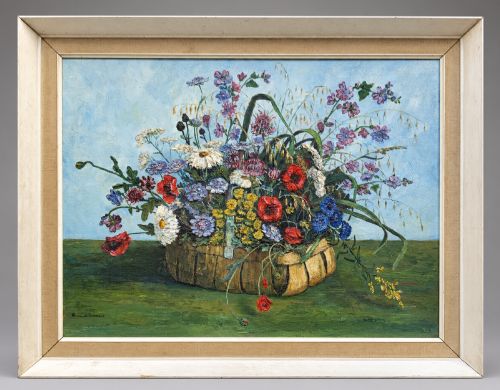
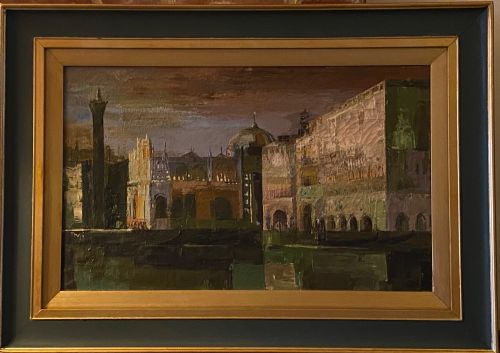
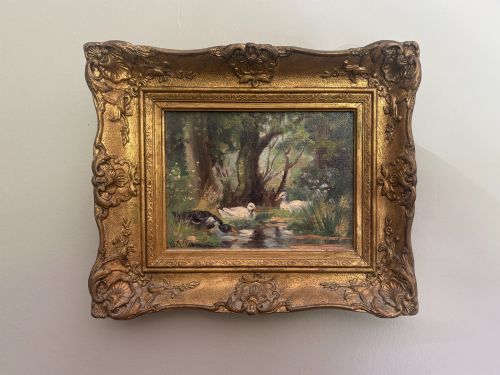
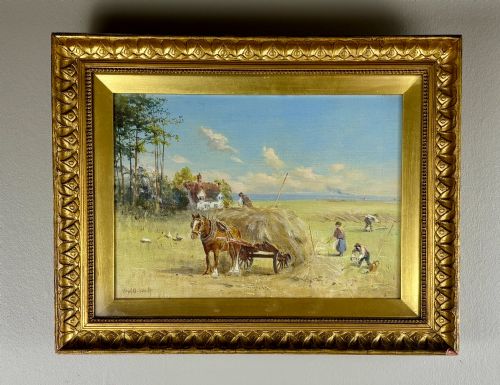



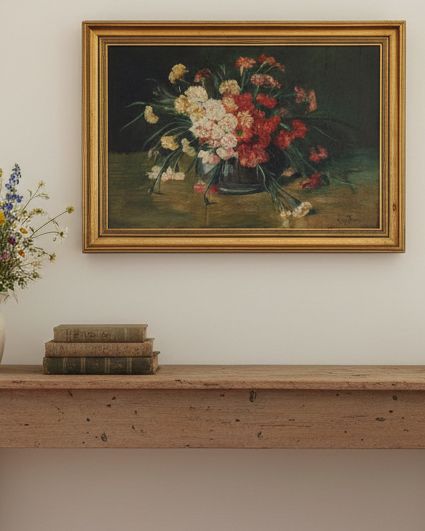
Framed Impressionist Painting
A framed impressionist painting brings the shifting light and loose brushwork of plein air observation directly into a room.
Framed Impressionist Painting
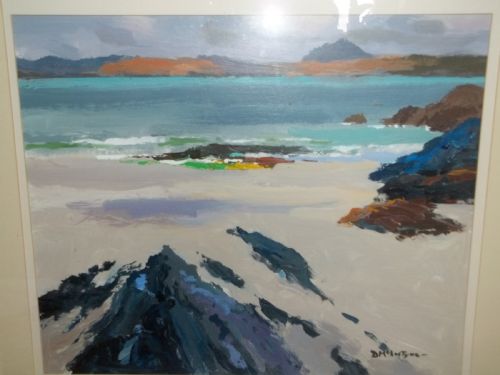
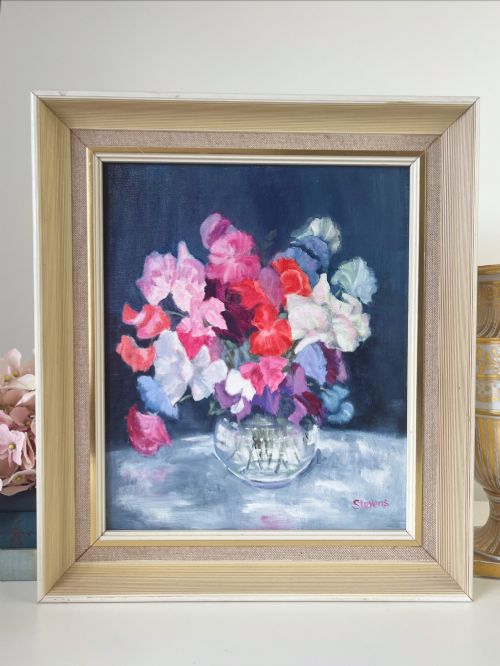
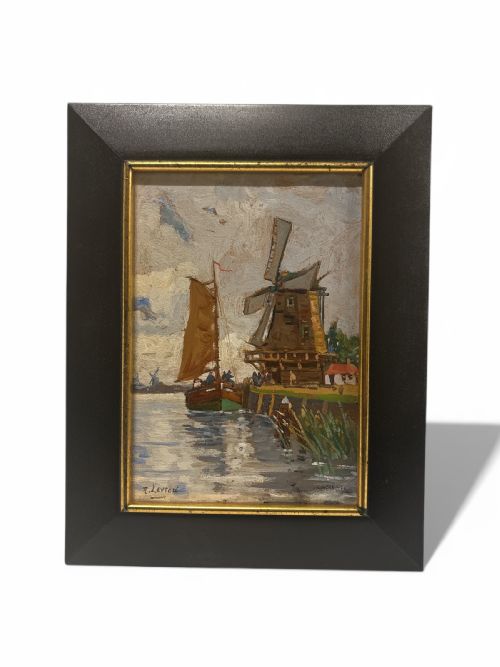
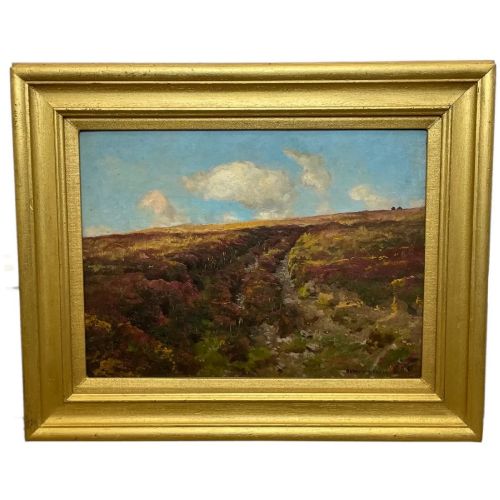
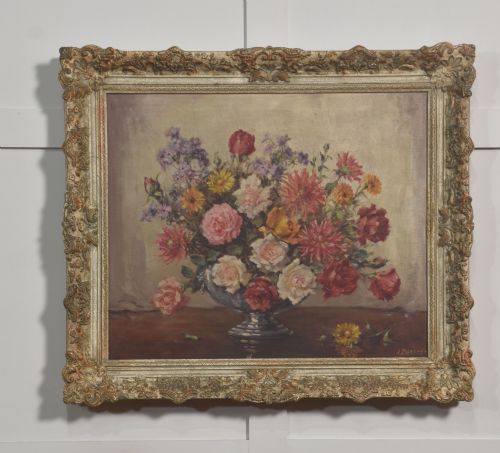
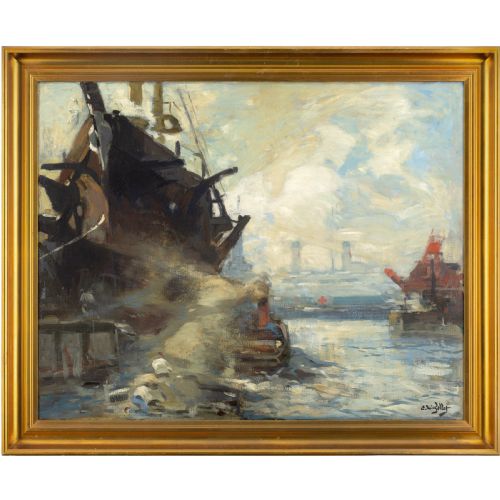
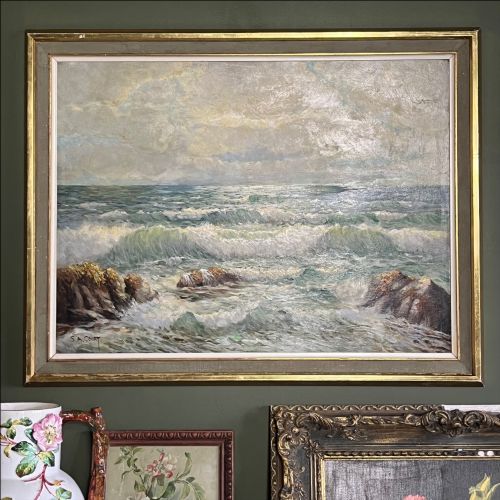
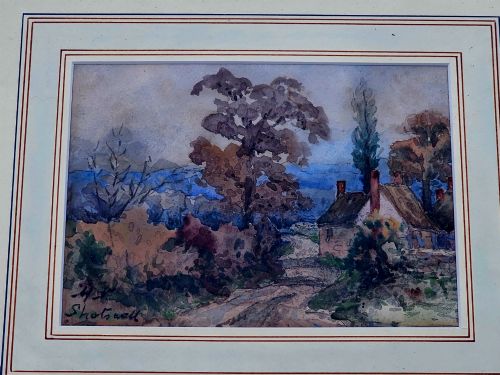
A framed impressionist painting captures fleeting moments of natural light, coastal scenes, quiet farmyards, and floral still lifes through rapid brushwork. Buyers exploring this selection encounter works spanning from the late nineteenth century through to the mid-twentieth century and beyond, reflecting broad international movements.
The most common formats on this page include oil on canvas, oil on board, and watercolour paintings housed within traditional wooden and gilt frames. Subjects range from British landscapes and Cornish harbours to continental street scenes and intimate interior views.
Pieces frequently emerge from British, French, Belgian, and Italian schools, encompassing styles such as Post-Impressionism, British Impressionism, and Scandinavian Realism. Each work demonstrates the artist's engagement with outdoor luminosity and colour harmony.
How they were made
Artists primarily applied oil paint or watercolour onto stretched canvas, prepared wooden boards, or heavy paper to achieve immediate textural depth. The practice of painting en plein air required rapid application outdoors to record changing atmospheric conditions before the light shifted.
Brushstrokes remain visible and assertive, building up surfaces through impasto or thin washes that allow the underlying ground to breathe through the pigment. Canvases and boards are secured within wooden frames, often finished with gilt or moulded detailing to complement the pictorial space.
Several canvases capture cows, sheep, and dogs quietly sharing the landscape with human onlookers.
What varies in quality
The strength of a framed impressionist painting rests upon the confidence of the brushwork and the artist's command over tonal harmony and light. Superior examples convey atmosphere and spatial depth economically, whereas weaker works rely on laboured blending that stifles the vitality of the surface.
Frame integration plays a significant role in overall cohesion, as period-appropriate wood and gilt mouldings support the visual weight of the canvas. The relationship between the pigments and the support determines longevity, with stable grounds preserving the vibrancy of the original composition.
George Graham·Clifford Hanney·Arthur Wardle·Eugène-Louis Gillot·Kershaw Schofield·George Houston·Robert Morson Hughes·James Kay·Augusto Alberici·Gabriel Mathieu·Arthur Gué·Henry Silkstone Hopwood·Charles Houben·John Lübschitz·Lucy Pratt·Antonio DeVity·Paul Bret·Konstantin Stoitzner·Emma Fordyce MacRae
The Framed Impressionist Painting Glossary
- En plein air
- Painting outdoors to capture the direct effects of light and weather on a subject. This method encouraged rapid execution and loose, visible brushwork.
- Impasto
- Paint applied thickly onto a canvas or board, standing in relief and retaining the marks of the brush or palette knife. It adds tangible texture to water, foliage, and highlights.
- Post-Impressionism
- An artistic movement following Impressionism that extended its use of vivid colours and thick application while exploring more structured forms and symbolic content.
- Gilt wood
- Wood coated with a thin layer of gold leaf or metallic gilt pigment. Frames finished in this manner enhance the warmth of oil paintings.
Framed Impressionist Painting: Frequently Asked Questions
How do I hang an oil painting?
Secure a sturdy picture hook into a wall stud or use appropriate masonry fixings to bear the weight of the wooden frame. Hang the piece at eye level to ensure the focal point of the composition sits comfortably in the room.
Keep the painting away from direct sunlight, damp walls, and heat sources to protect the canvas, oil pigments, and gilt frame from environmental degradation over time.
What is an oil on board painting?
An oil on board painting uses a rigid wooden or composite panel as the primary support instead of a woven textile canvas. Artists frequently utilised board for smaller plein air sketches because the solid surface required no stretching.
These pieces offer distinct stability against sagging, though they still benefit from a protective backing board and a secure frame to prevent warping along the edges.
How do I clean a framed painting?
Dust the wooden or gilt frame gently with a soft, dry brush or a lint-free cloth to prevent particulate accumulation in the carved crevices. Avoid using water, chemical sprays, or household detergents on the frame or the painted surface.
Consult a professional art conservator if the canvas requires deeper cleaning or if the varnish layer shows signs of yellowing or cracking.
Are watercolours framed differently from oils?
Watercolour paintings require glass protection and a mat mount to keep the delicate paper from touching the surface of the glazing. This separation prevents moisture accumulation and protects the pigments from atmospheric damage.
Oil paintings on canvas or board are displayed unglazed to allow the textured brushstrokes and paint layers to interact freely with the ambient light of the room.