

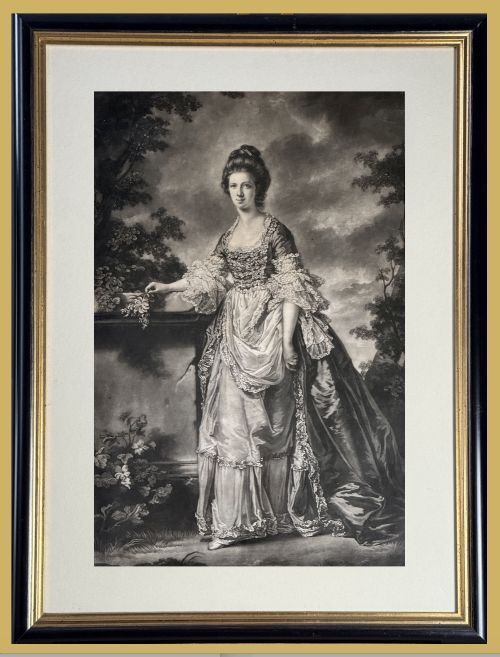
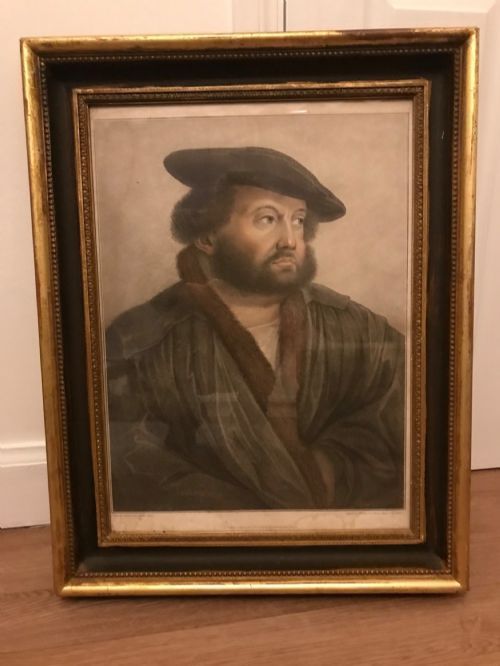
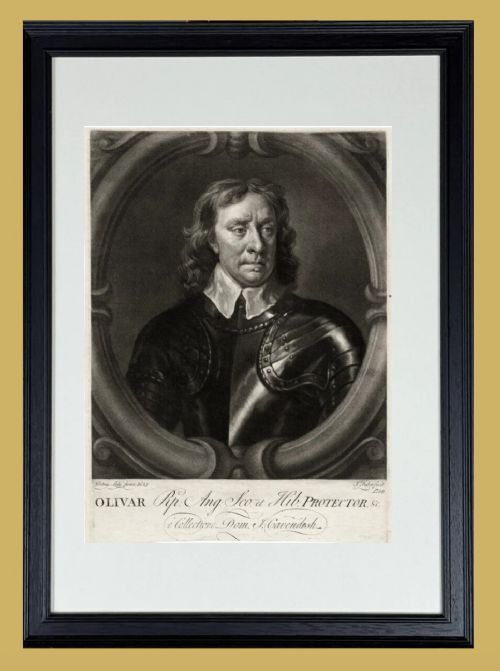
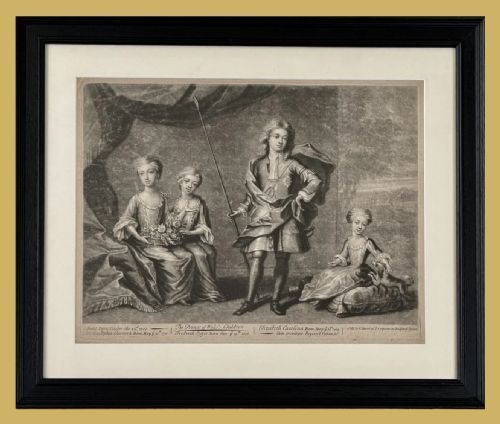

Framed Historical Paper Print
When you search for a framed historical paper print, you enter a world of centuries-old maps, portraits, and broadsides preserved under glass.
Framed Historical Paper Print
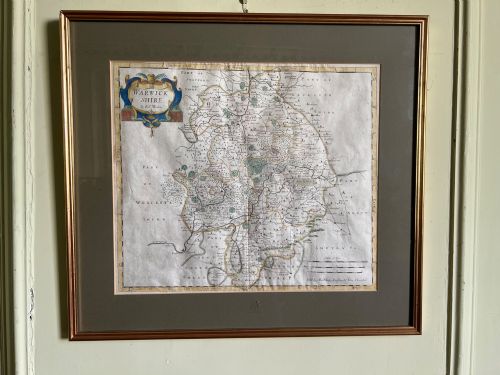
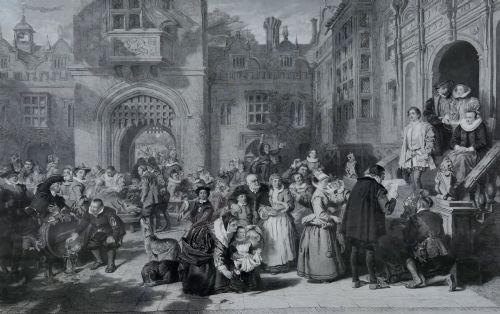
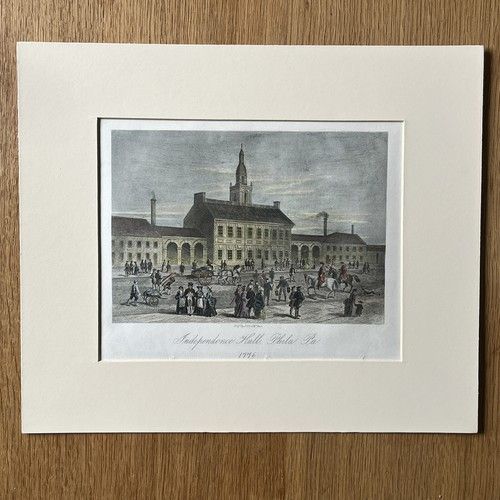
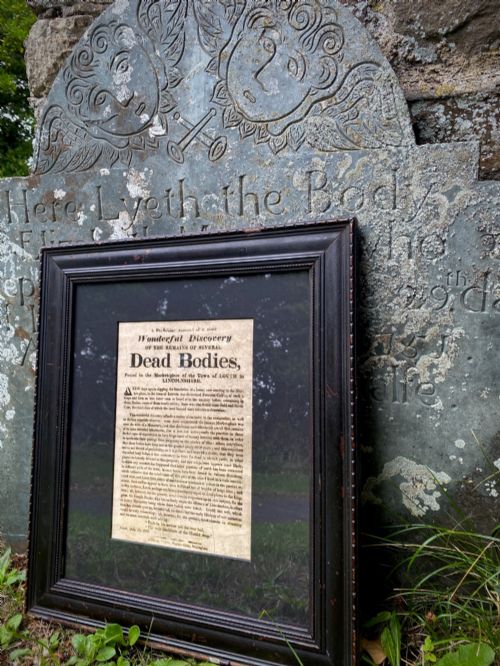
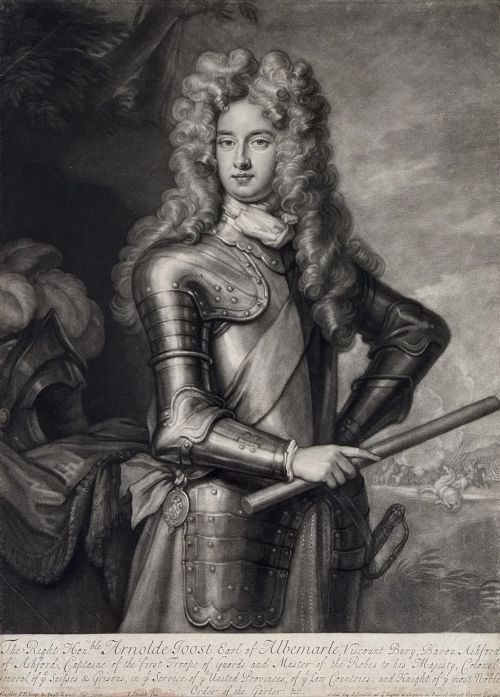
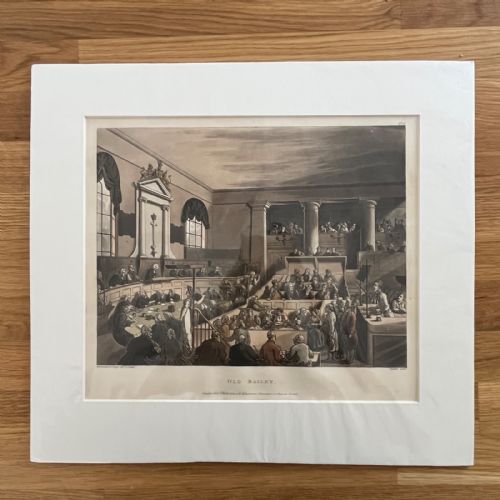
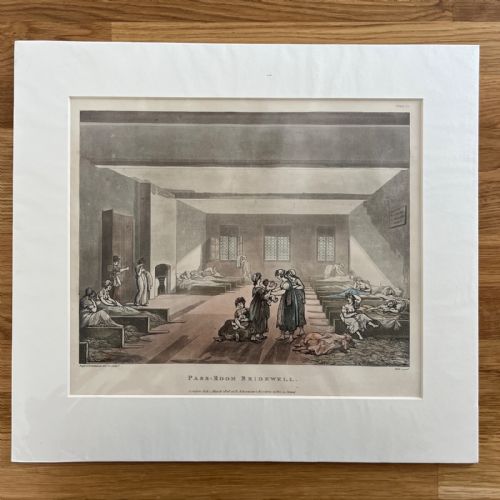
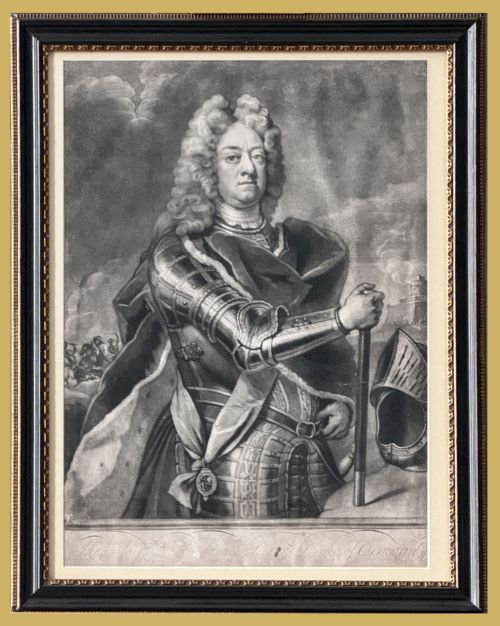
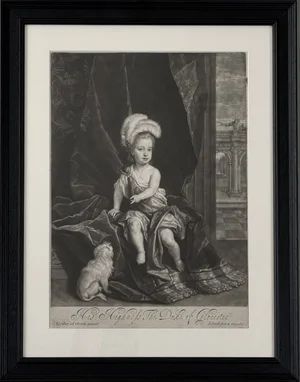
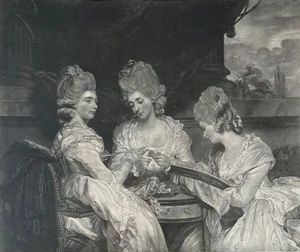
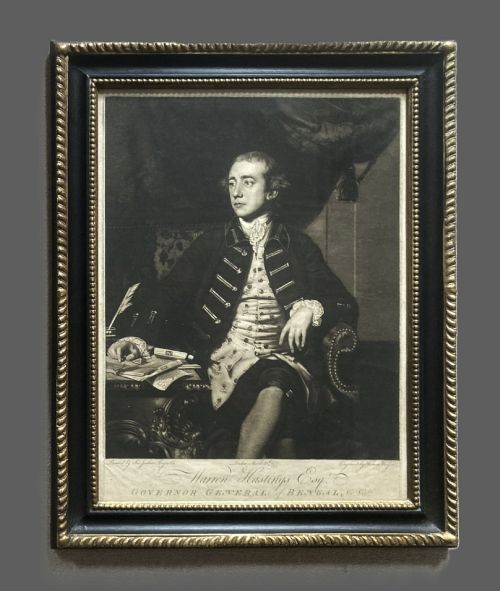
A framed historical paper print captures centuries of visual record, spanning the seventeenth, eighteenth, and nineteenth centuries. These works include county maps, political allegories, broadsides, and detailed portraits of nobility and military figures.
The most common forms found here are framed cartography and portrait engravings, produced by notable printmakers and cartographers of their respective eras. Subjects range from anatomical studies and natural history to architectural scenes and battle movements.
Housed within period frames of wood, giltwood, or gold leaf, these items bring tangible history directly to the wall. They offer a direct link to past centuries through ink on paper.
How They Were Made
These works rely on traditional printmaking methods such as engraving, mezzotint, etching, and stipple engraving on paper. Artisans applied ink to copper plates or carved wooden blocks to transfer fine, intricate details.
Many items incorporate watercolour or wash applied by hand over the printed lines to add depth and tone. Original frames fashioned from wood or giltwood enclose the paper alongside protective glass.
Framed Historical Paper Print Retail Price Guide 2026
Typical asking prices for framed historical paper print among the pieces listed under this phrase on Sellingantiques today, from the lower quarter to the upper quarter. They describe what is for sale here now, not the wider market.
Listings feature works utilising engraving, mezzotint, etching, and watercolour across the seventeenth, eighteenth, and nineteenth centuries.
What Varies in Quality
Quality rests in the crispness of the ink impression and the clarity of the lines left by the original plate or block. Softer impressions indicate a plate worn down from heavy use over many printings.
The survival of the paper and the integrity of the original frame dictate the standing of a piece. Retaining contemporary hand-colouring and the earliest mounting materials elevates the overall character.
Robert Morden·John Smith·Sir Godfrey Kneller·Jacobus Howbraken·Johannes Janssonius
The Framed Historical Paper Print Glossary
- Mezzotint
- A printmaking process where the copper plate is roughened to produce rich dark tones and subtle gradations of light. This technique gained widespread use for portraiture during the seventeenth and eighteenth centuries.
- Broadside
- A single sheet of paper printed on one side, typically used for proclamations, news, or public announcements. They served as early mass media for important events.
- Cartography
- The study and practice of making maps. Antique examples often feature elaborate cartouches, heraldic details, and hand-coloured borders.
- Stipple engraving
- A method of creating prints using a fine pattern of dots rather than continuous lines. It allowed for delicate tonal variations, particularly in skin textures for portraits.
- Giltwood
- Wood that has been carved and coated with a thin layer of gold leaf. It forms the lustrous finish seen on many traditional picture frames.
Framed Historical Paper Print: Frequently Asked Questions
What periods do these prints cover?
The selection spans from the seventeenth century through the Victorian era, including Georgian and Regency periods. Each era brought distinct printing techniques and subject matter.
Early examples often feature cartography and royal portraits, while later nineteenth-century pieces include broader social scenes and natural history.
How should I care for a paper print?
Keep the framed piece away from direct sunlight to prevent the ink and paper from fading over time. Stable indoor humidity protects both the antique paper and the wooden frame.
Glazing shields the surface from dust and handling, so the glass should only be cleaned gently with a dry or slightly damp cloth.
Are the frames original to the prints?
Many pieces retain original or period-appropriate frames made of wood, giltwood, or gold leaf. These housings match the manufacturing style and age of the paper within.
Over the centuries, some pieces may have been reframed to ensure structural stability and continued protection for the artwork.
What subjects are most common?
County maps and regional cartography make up a large portion of the available items. Portraits of historical figures, military personnel, and nobility also appear frequently.
Other recurring subjects include architectural scenes, botanical studies, and political allegories from the eighteenth and nineteenth centuries.