



Framed Historical Illustration
A framed historical illustration brings past events, figures, and studies straight to the wall in ink, pencil, and watercolour.
Framed Historical Illustration
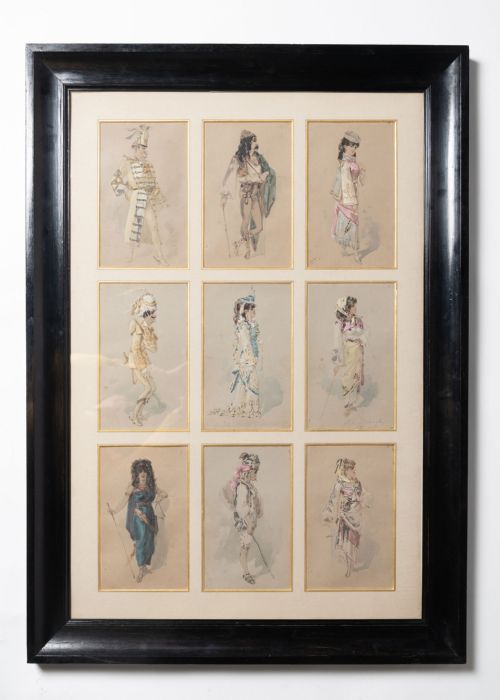
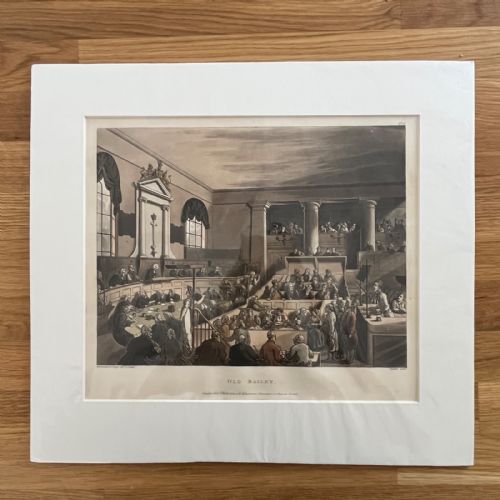
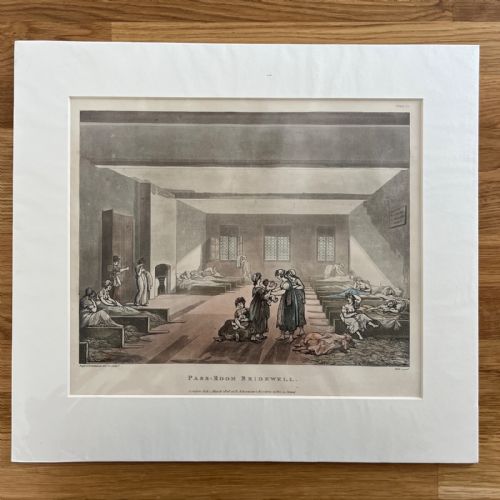
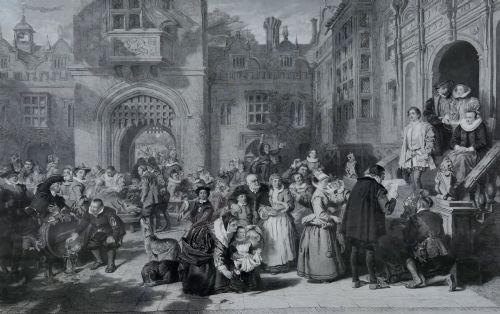
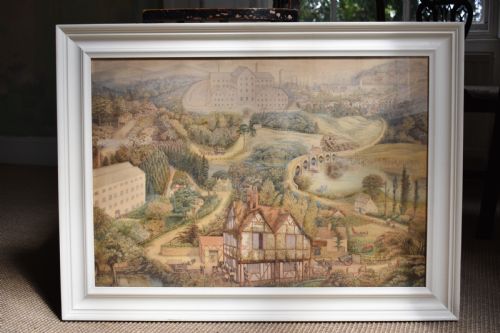
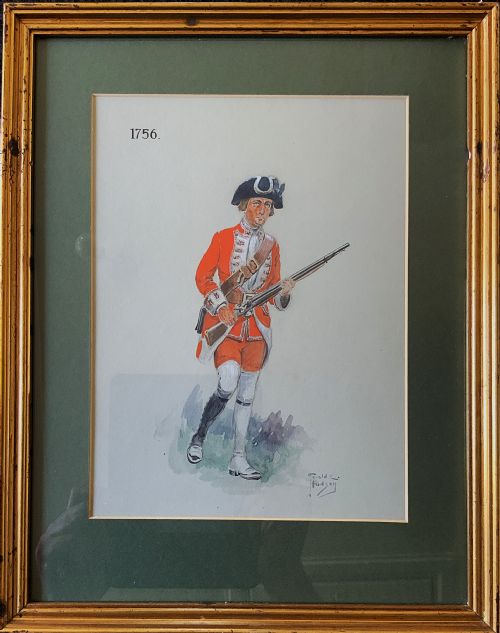
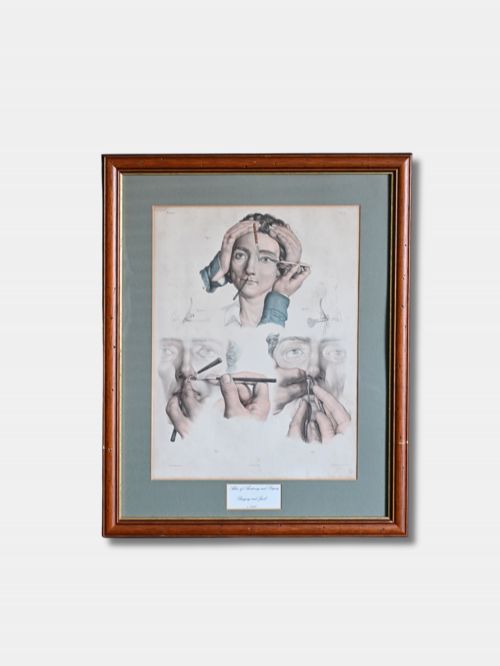
A framed historical illustration captures moments from military campaigns, scientific studies, and domestic scenes across the eighteenth and nineteenth centuries. These works record everything from anatomical skeletons and botanical specimens to battlefield marches and naval reviews.
Most pieces on this page originate from the Victorian and Georgian eras, presented as engravings, hand-coloured lithographs, and delicate watercolours. Buyers frequently encounter framed prints and original ink drawings depicting named historical figures and distant events.
The subjects span British schools and continental makers, reflecting the wider visual culture of the nineteenth century. Every item arrives mounted behind glass in period timber frames, ready to hang.
Materials and execution
Makers utilised heavy laid paper and smooth vellum as the foundation for fine ink, graphite, and watercolour pigment. Hand-colouring was applied directly to engraved lines using watercolour washes to bring depth to military uniforms and botanical plates.
Engravings and woodcuts were pressed from metal plates and carved blocks, often paired with gold leaf accents on period wood frames like Hogarth moulding. Charcoal and wash techniques captured rapid tones on paper during field sketching.
Framed Historical Illustration Retail Price Guide 2026
Typical asking prices for framed historical illustration among the pieces listed under this phrase on Sellingantiques today, from the lower quarter to the upper quarter. They describe what is for sale here now, not the wider market.
Listings feature works spanning the eighteenth century through to the 1930s, using materials such as watercolour pigment, gold leaf, and ink on paper.
Assessing quality and finish
Quality rests upon the crispness of the original plate impression and the precision of the hand-applied pigment. Finer works display meticulous detail in human anatomy, facial expression, and cartographic lines without blurring or ink bleed.
The integrity of the framing materials distinguishes standard decorative pieces from significant historical records. Original period frames and undisturbed backing papers preserve the context of the artwork far better than modern replacements.
Andrew Bell·Leopold Halvoet·Jonathan Couch·Georg Wolfgang Knorr·George Perfect Harding·Theobald Chartran·Thomas Worth·James Basire·Joseph Murray Ince
The Framed Historical Illustration Glossary
- Engraving
- A printmaking technique where an artist cuts lines directly into a metal plate with a burin. This produces sharp, precise lines that hold ink for detailed historical illustrations.
- Lithography
- A planographic printing method based on the chemical repulsion of oil and water. It allowed for rapid duplication of hand-drawn medical procedures and maps.
- Watercolour pigment
- Finely ground colour suspended in a water-soluble binder. Artists used it for translucent washes over pencil or ink sketches.
- Hogarth frame
- A narrow wooden frame with a distinct stepped profile and dark finish, popular for framing eighteenth and nineteenth-century prints.
Framed Historical Illustration: Frequently Asked Questions
How do I care for antique paper under glass?
Keep framed pieces away from direct sunlight to prevent the watercolour pigments and ink from fading over time. Maintain a stable room temperature to protect the paper from humidity.
Ensure the backing remains sealed to keep dust and moisture out of the frame. Professional conservation framing prevents the paper from touching the glass directly.
Are these illustrations original period pieces?
The collection comprises original engravings, sketches, and paintings from the periods stated in each listing. Printers and artists produced these works using contemporary techniques of their respective eras.
Signatures, publisher imprints, and paper types help verify the age of each item. Original frames frequently accompany the artwork to maintain historical context.
How can I tell an engraving from a lithograph?
Engravings leave a distinct impression or plate mark in the paper where the metal sheet pressed down during printing. The lines appear sharp and slightly raised under magnification.
Lithographs show a smoother surface texture without plate marks, relying on flat chemical application rather than carved grooves. Hand-coloured examples display brushstrokes over the printed outlines.
What framing styles should I expect?
Many works retain their original timber frames, including traditional Hogarth moulding and gilt finishes appropriate to the Regency or Victorian periods. These frames show the minor wear expected of genuine age.
Some pieces arrive in simpler period wood frames chosen to protect the delicate paper within. The glass and mount materials preserve the drawing or print from atmospheric damage.