

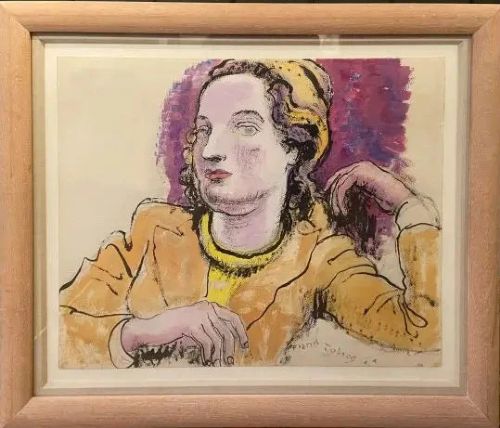
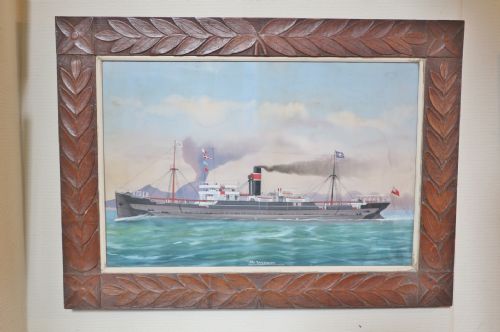
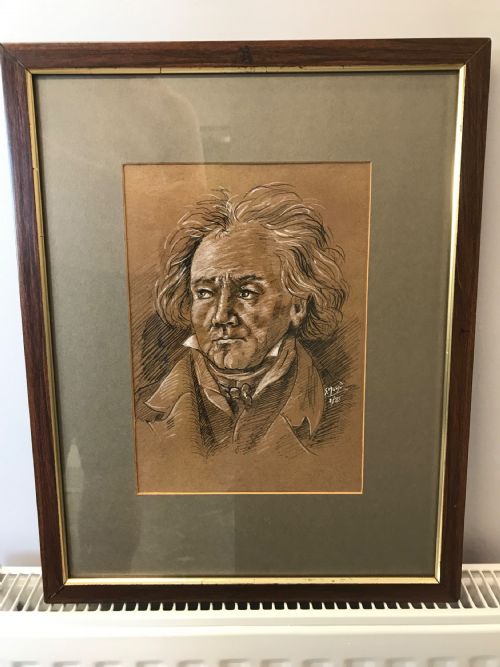
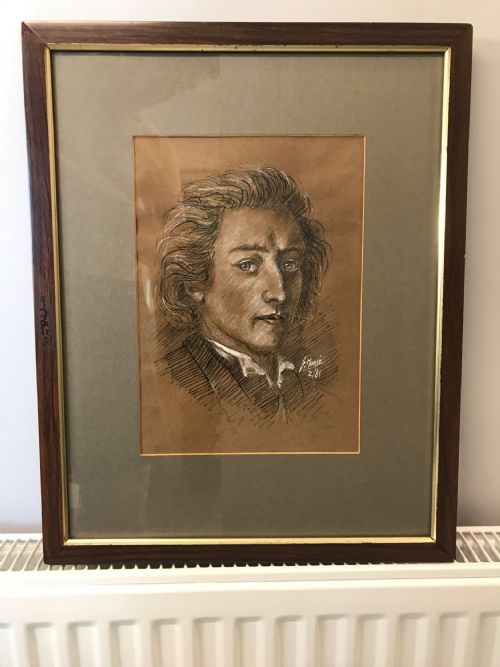
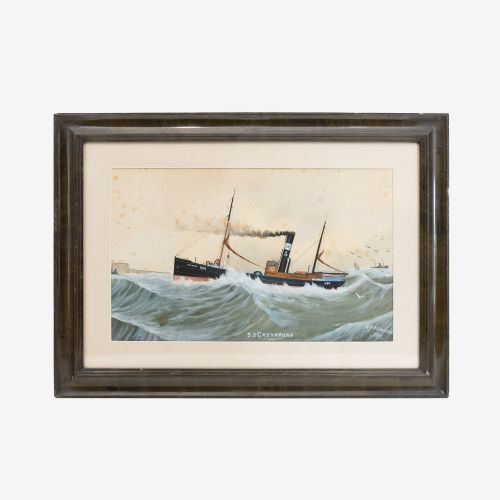


Framed Gouache Portrait
These framed gouache portrait works combine opaque pigment and paper inside protective wood and glass settings, offering intimate historical faces for display.
Framed Gouache Portrait
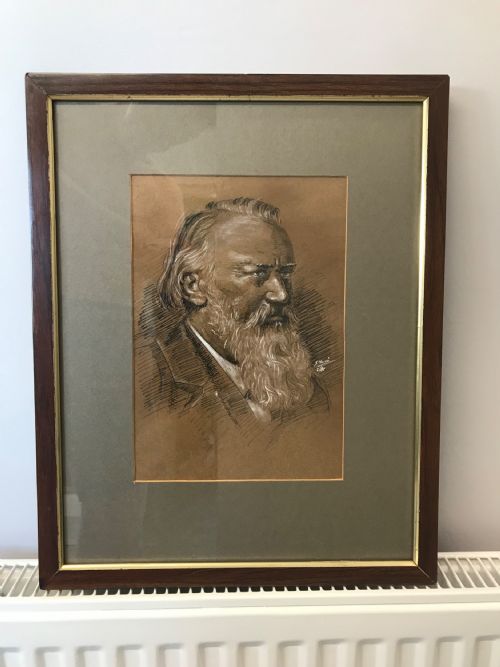
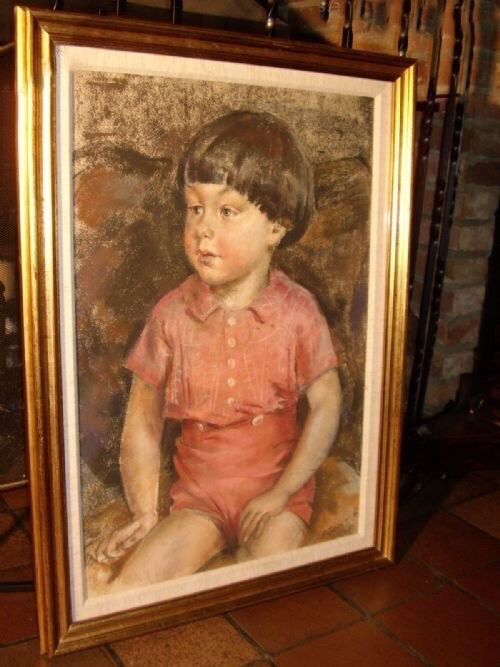
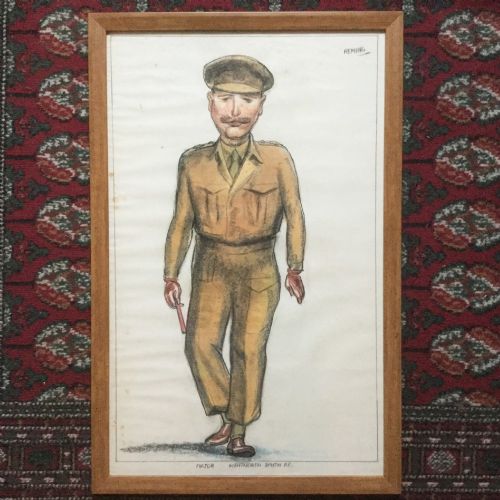
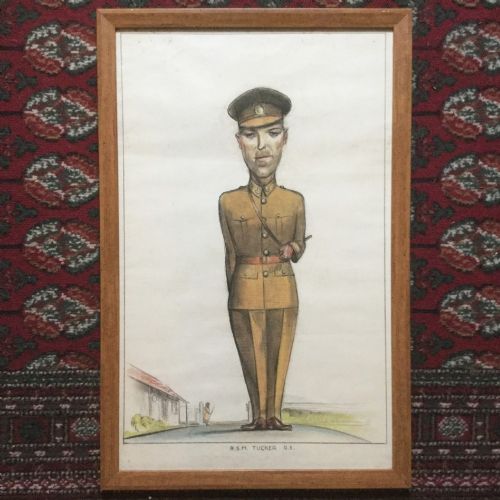
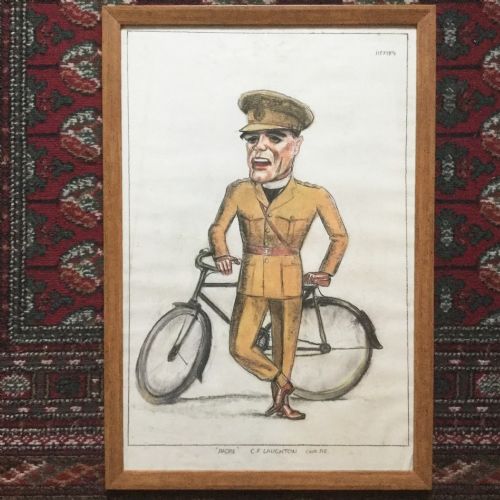
A framed gouache portrait presents a painted likeness on paper, often combined with pencil, watercolour, ink or pastel. These works frequently depict individual sitters, military officers, composers or historical figures, rendered with opaque pigment that yields solid colour and sharp detail.
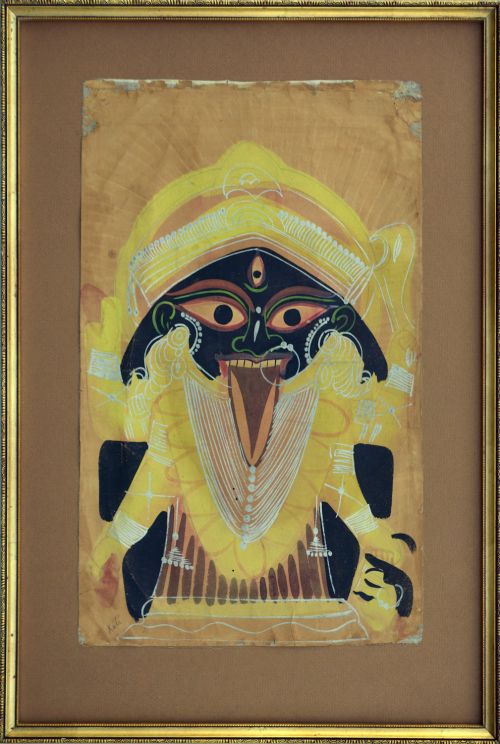
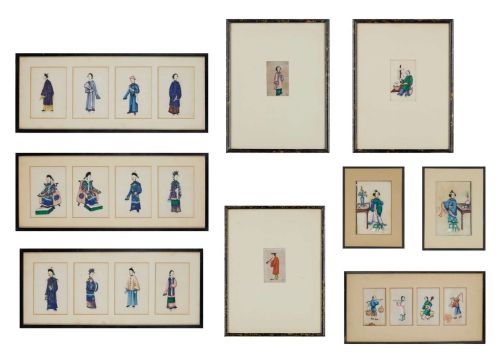
The selections span several periods, including Regency, Victorian, Edwardian and Qing Dynasty pieces, alongside mid-twentieth century and later works. Buyers encounter both small-scale miniatures and larger framed drawings, reflecting diverse international traditions from British maritime scenes to Indian school miniatures and Chinese figural pith paintings.
Framed artwork of this kind relies on protective wooden frames and glass glazing to preserve delicate paper surfaces. The subject matter ranges from named sitters and domestic portraits to naval vessels and formal studies.
Materials and Technique
Artists create these works using gouache, a water-based medium mixed with a white pigment filler to produce an opaque finish. This paint is applied to various paper supports, including buff paper, standard paper and pith paper derived from plant stems.
Drafting and detailing frequently involve pencil, pen, ink, wash and pastel alongside the primary gouache pigment. Finished works are subsequently secured within wood frames beneath glass to shield the paper from environmental degradation.
Framed Gouache Portrait Retail Price Guide 2026
Typical asking prices for framed gouache portrait among the pieces listed under this phrase on Sellingantiques today, from the lower quarter to the upper quarter. They describe what is for sale here now, not the wider market.
Sailors in the French Navy recorded ironclad battleships in gouache as sentimental tributes to their vessels, preserving floating steel on delicate paper.
Factors of Quality
Quality rests in the precision of the draughtsmanship and the handling of the opaque pigment to capture likeness and texture. Works demonstrating careful facial modeling and confident line work stand apart from simpler sketches.
The condition of the delicate paper support and the originality of the period frame influence the integrity of the piece. Intact surfaces without excessive fading or staining preserve the original visual impact intended by the artist.
Frank Dobson·Alexander Harwood·Alice Anne Renshaw·Emma Kendrick·Montagu Barstow·Vincenzo D’Esposito
The Framed Gouache Portrait Glossary
- Gouache
- An opaque water-based paint consisting of pigment, water, and a binding agent such as gum, often featuring added white filler for solid coverage. It dries to a matte finish that conceals the underlying paper.
- Pith paper
- A delicate material cut from the spongy interior of plant stems, used in nineteenth-century Chinese export paintings. It absorbs water-based pigments to produce velvety colour saturation.
- Regency
- A British design and art period dating from the early nineteenth century, characterised by classical restraint and refined portraiture. Pieces from this era often show precise linear control.
- Victorian
- The stylistic and historical period spanning the reign of Queen Victoria, encompassing varied realist and academic portrait traditions. Works from this time frequently employ detailed watercolour and gouache combinations.
- Miniature
- A small-scale painting executed with meticulous detail, common in historical portraiture. These portable works require fine brushes and controlled pigment application.
Framed Gouache Portrait: Frequently Asked Questions
What is gouache paint?
Gouache is a water-soluble paint that includes a white pigment filler to create an opaque, matte surface. It allows artists to layer light colours over dark areas.
This medium differs from transparent watercolour because the solid pigment builds tangible body on paper.
How should I hang these portraits?
These framed works require placement away from direct sunlight to prevent the gouache pigment and paper support from fading. Stable indoor humidity protects the paper and the wooden frame.
Using proper picture wire and wall anchors ensures the framed artwork remains secure.
What is pith paper?
Pith paper is a fragile plant-derived material used for nineteenth-century Chinese export paintings. It has a velvet-like texture that absorbs gouache deeply.
Because of its delicate nature, pith paper requires constant framing behind glass to prevent damage.
How do I identify the period?
Period identification relies on the sitter's clothing, hairstyle, framing style and framing materials. Regency and Victorian works exhibit distinct stylistic markers compared to mid-twentieth century pieces.
Signatures, inscriptions and artist records further confirm the date of execution.