
Framed Female Portrait Artwork
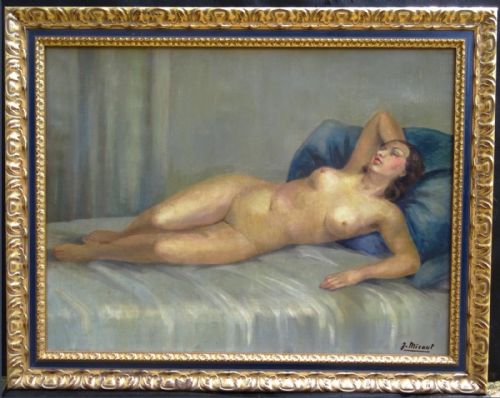
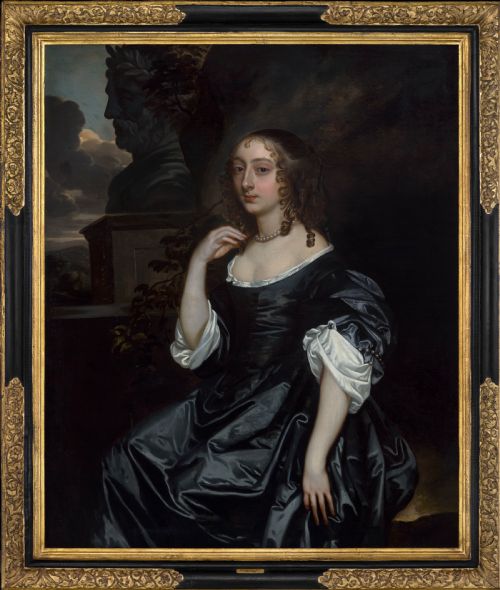
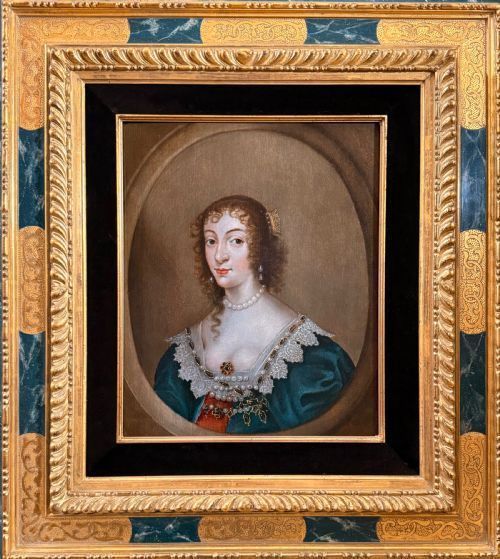
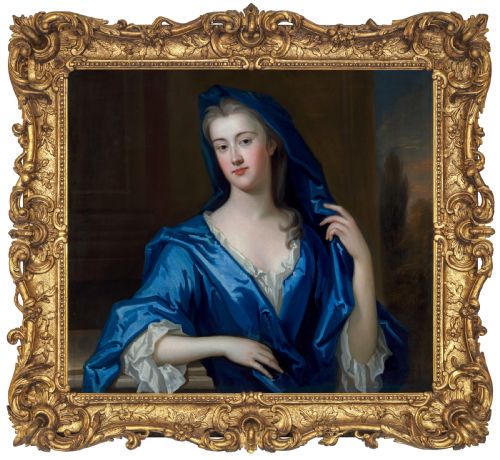
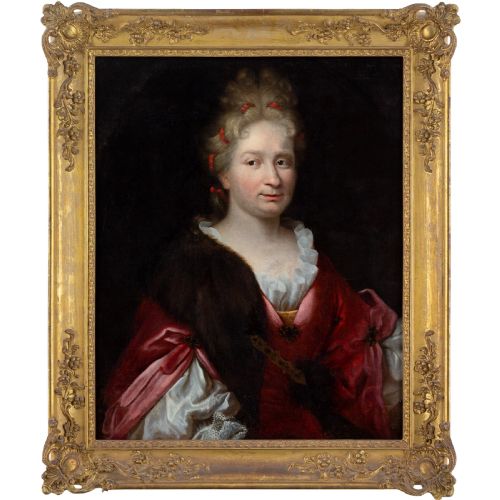
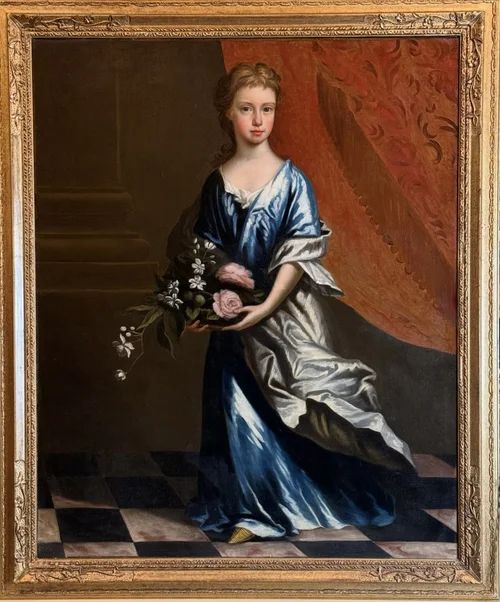
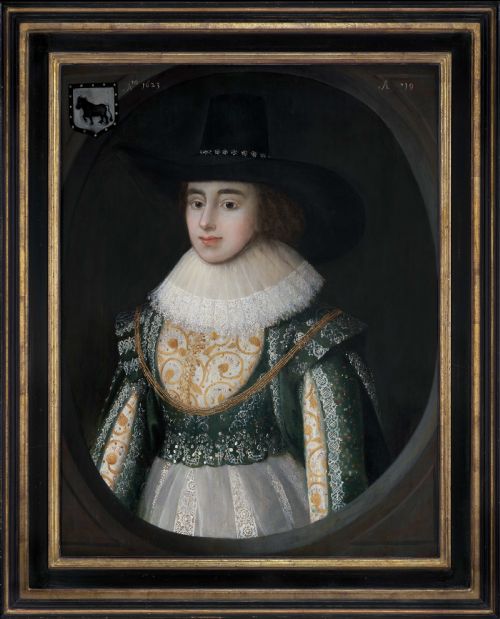
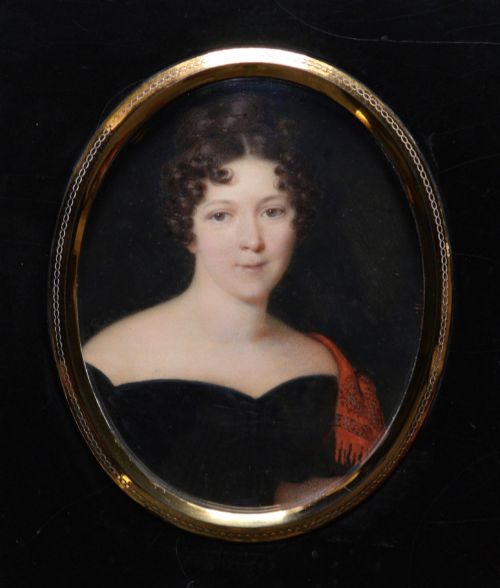
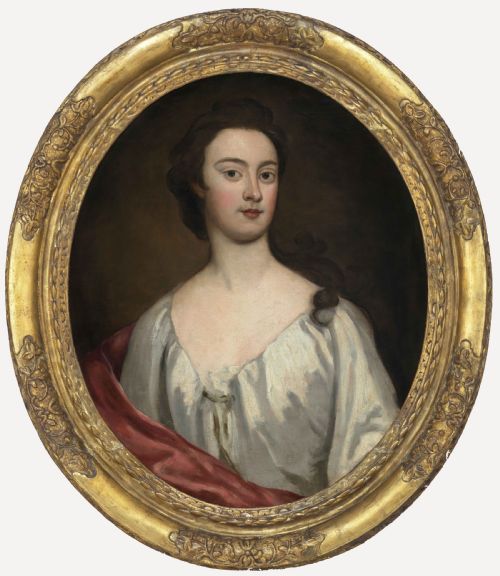
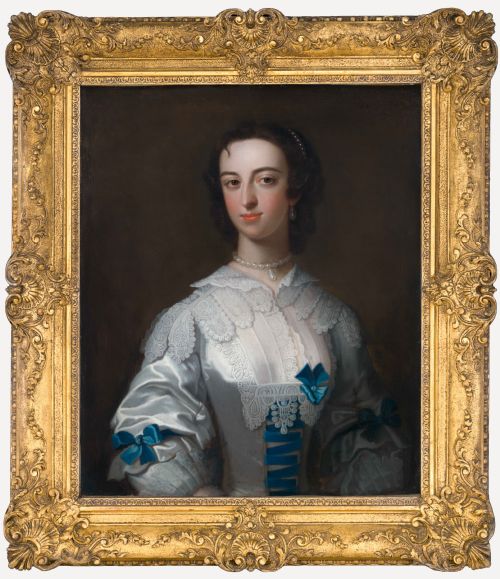
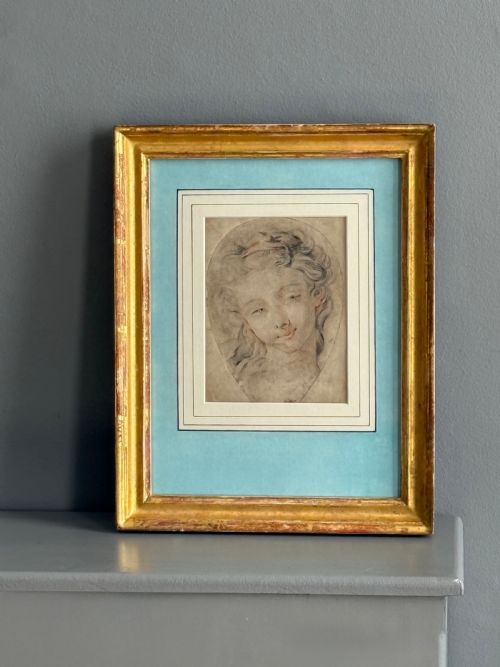
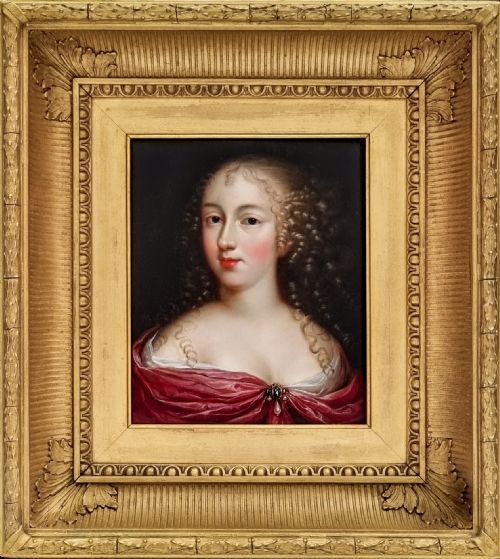
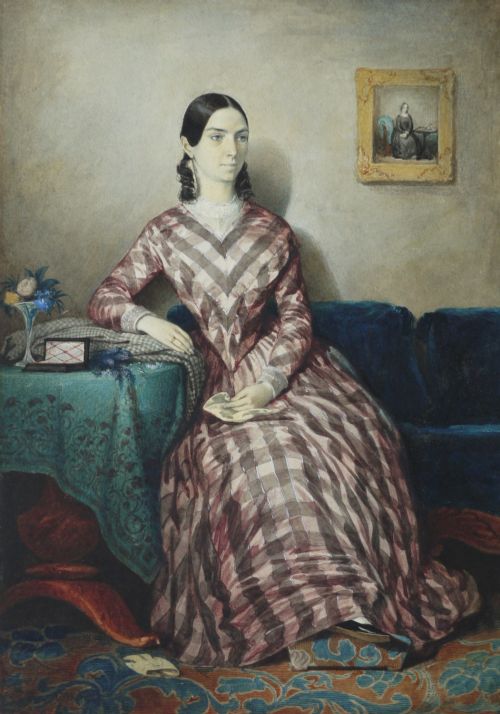
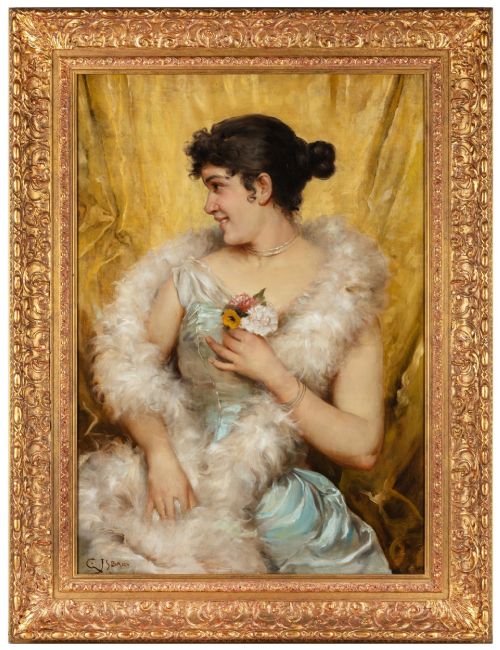
Framed female portrait artwork captures likenesses across centuries, offering interiors an immediate focal point through historical character and painted depth.
Framed Female Portrait Artwork
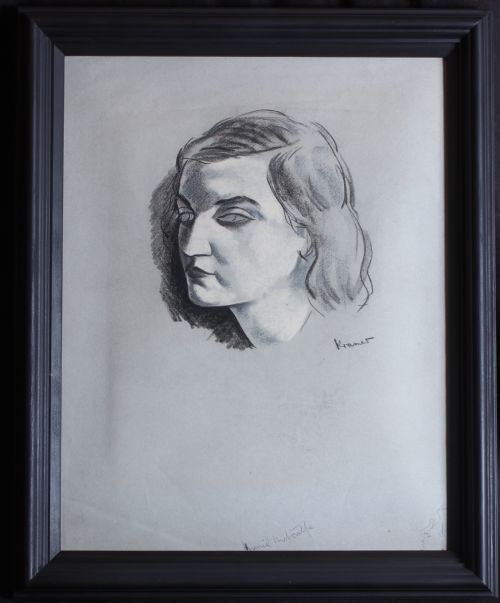
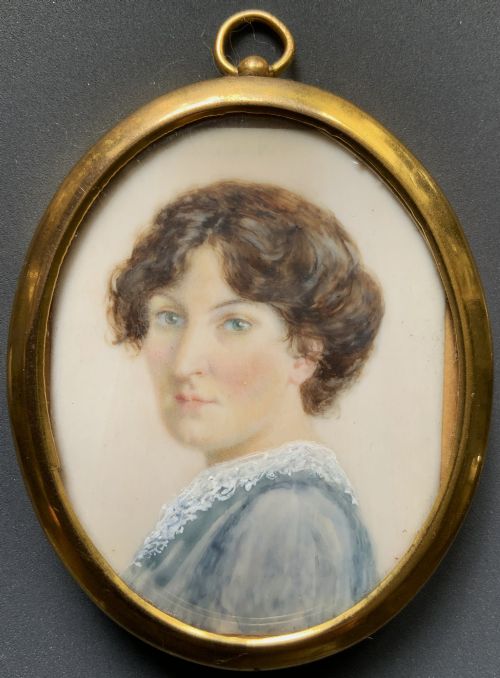
Collectors seeking framed female portrait artwork encounter oil paintings, pastels, watercolours, and mezzotints spanning the seventeenth century through to the mid-twentieth century. Subjects range from aristocratic nobility and literary figures to anonymous country girls and fashionable ladies.
The nineteenth century and the eighteenth century provide the majority of examples on this page, often framed in period giltwood. English and French schools dominate the selection, alongside specific works after masters like Leonardo da Vinci and Thomas Gainsborough.
Materials and methods
Artists painted primarily with oil on canvas or oil on board, building luminous layers of oil paint to render fabric, flesh tones, and shadow. Pastels on paper offered a softer texture, captured under glass within protective frames.
Mezzotint printmakers worked on copper plates to achieve tonal graduation and rich darks, reproducing famous painted portraits by artists such as Sir Joshua Reynolds. Master framers encased these works in carved wood and giltwood mouldings.
Several ladies gaze out alongside their faithful pets and favourite citrus fruits.
Judging the work
Quality rests upon the artist's ability to capture bone structure, expression, and psychological depth rather than mere decorative appeal. Stronger pieces display confident brushwork in the hands and drapery, whereas weaker examples lapse into stiffness.
Original period framing contributes significantly to the integrity of the piece. Surviving contemporary giltwood frames enhance the visual weight and historical context of the artwork.
Sir Martin Archer Shee·Sir James Dromgole Linton·George Willison·James Watson·Pieter Borsseler·Charles Spooner·Horace Hone·John Smith·Kenneth Cozens·G. J. S. Bary·James Gillespie·Robert Byng·John Faber Jr·Valentine Green·John Russell
The Framed Female Portrait Artwork Glossary
- Mezzotint
- A printmaking process where the copper plate is roughened to produce rich dark tones and subtle graduations of light. This technique allows for faithful monochrome reproductions of oil paintings.
- Giltwood
- Wood that has been coated with a thin layer of gold leaf or gilt powder. It provides a reflective, ornate border common in antique picture frames.
- Pastel
- A dry painting medium consisting of powdered pigment and a binder, worked onto paper. It yields a matte surface requiring protection beneath glass.
- School
- A group of artists working in a similar style, geography, or period, often following the methods of a master. Attribution to a school indicates the cultural circle of production.
Framed Female Portrait Artwork: Frequently Asked Questions
How do I date an old portrait?
Dating relies heavily on the style of clothing, hair, and headdress worn by the sitter, alongside the construction methods of the canvas stretcher and frame. Examining the pigment types and backing boards also offers chronological clues.
Signatures, inscriptions, and artist records help narrow the decade of creation. Comparing the handling of paint to known dated works by the same school provides further confirmation.
What is a mezzotint portrait?
A mezzotint is an intaglio print created by roughening a copper plate uniformly and then scraping away areas to produce light. This method creates velvety shadows and subtle tonal shifts.
Publishers often issued these prints after popular oil paintings by celebrated portraitists. They allowed middle-class homes to display likenesses of famous nobility and society figures.
How should I hang antique art?
Position portraits away from direct sunlight and heat sources to prevent the canvas from warping and the oil paint or paper from fading. Stable indoor humidity protects the wooden panels and stretchers.
Use secure picture hooks rated for the combined weight of the artwork and its heavy giltwood frame. Hang pieces at eye level to replicate gallery viewing standards.